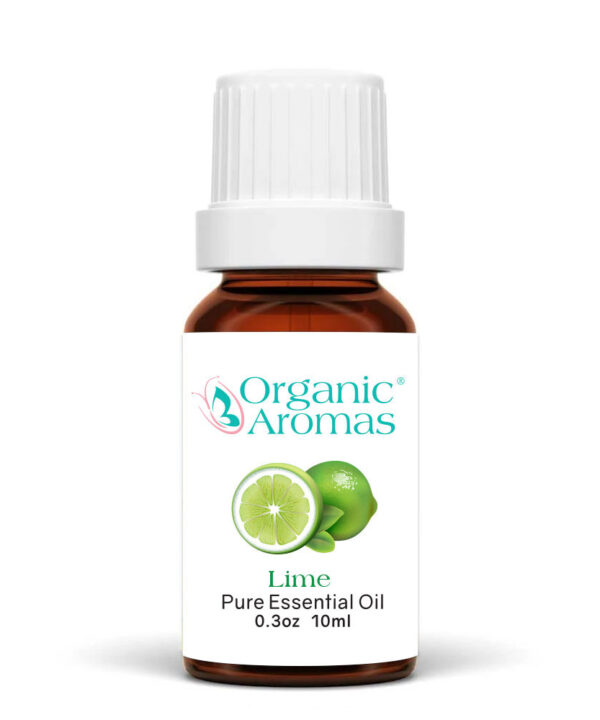
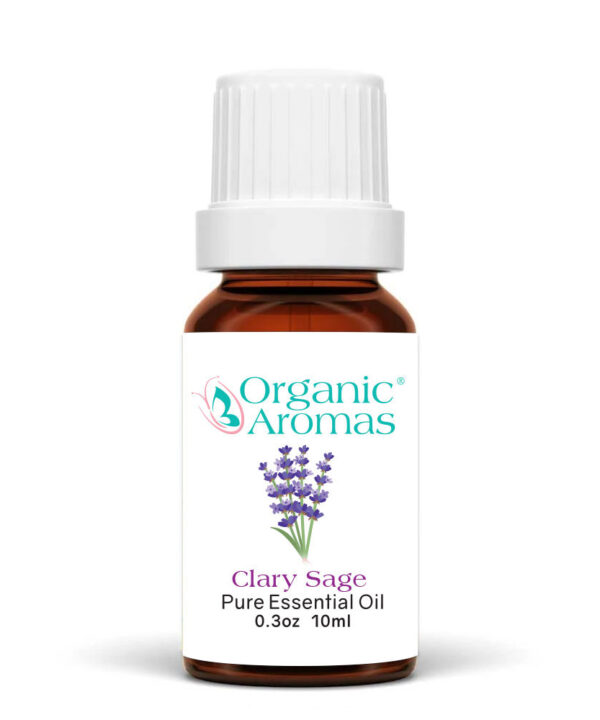
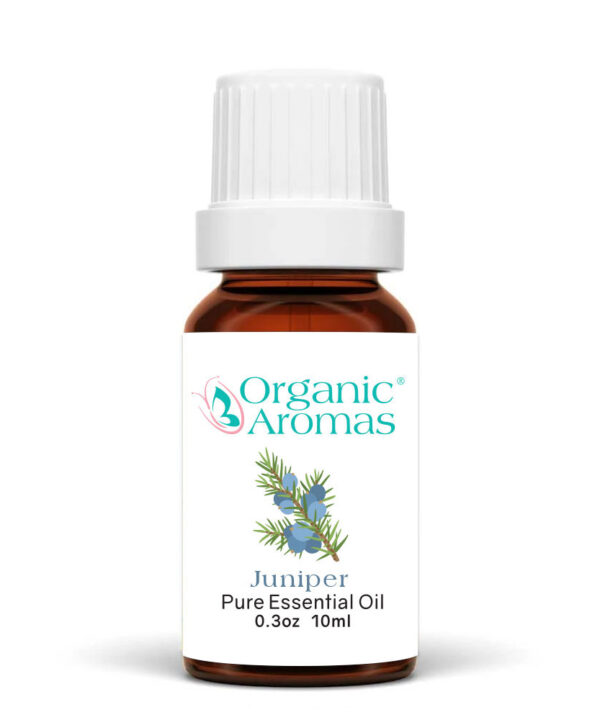
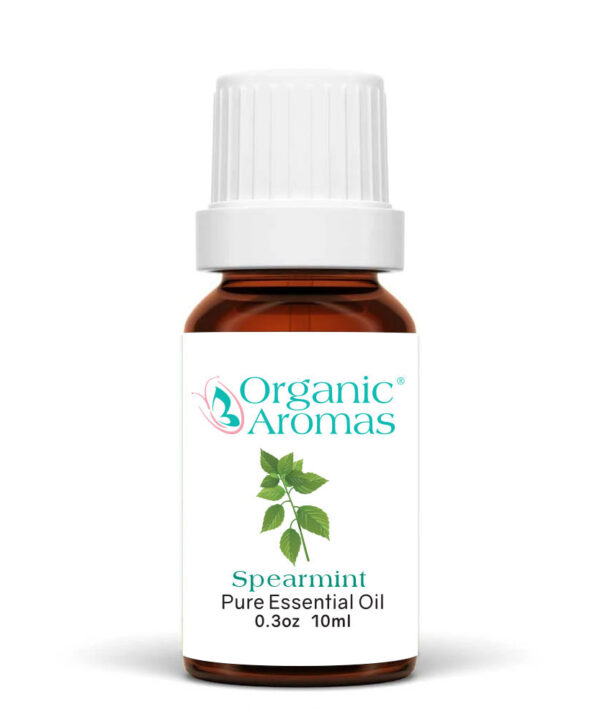
Why Single-Note Essential Oils Matter
Single-note essential oils are the foundation of aromatherapy. Each bottle contains one oil extracted from one plant species, preserving the complete chemical profile that gives that oil its unique scent and therapeutic character. Unlike pre-made blends, single oils let you experience each botanical on its own terms and build custom combinations tailored to your specific needs.
When you diffuse a single-note oil through a Nebulizing Diffuser, you experience the oil at full potency. There is no water diluting the aroma and no heat altering the delicate volatile compounds. The result is a rich, complex scent that reveals top, middle, and base notes exactly as nature intended.
Having a library of individual oils also gives you complete creative control. Blend lavender with cedarwood for a grounding bedtime ritual. Mix lemon with rosemary for a clean, focused workspace. Every combination is possible when you start with pure, single-note ingredients.
Essential Oil Categories and Their Uses
Essential oils fall into several scent families, each with distinct aromatherapy applications:
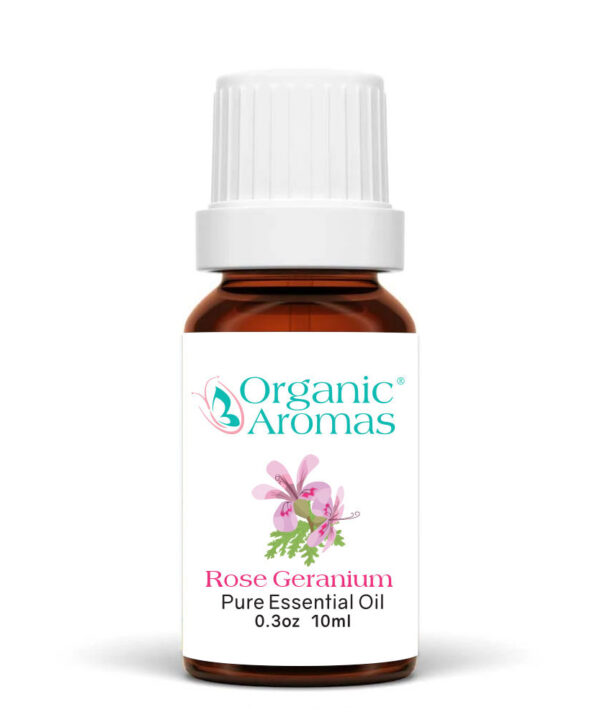
Floral oils like lavender, rose, ylang ylang, and geranium are prized for relaxation, emotional balance, and skin-nourishing properties. Lavender remains the most popular essential oil in the world, valued for its calming influence and versatility.
Citrus oils including lemon, sweet orange, grapefruit, and bergamot are uplifting and energizing. They brighten a room instantly and pair well with almost any other oil family. Citrus oils are especially popular in morning diffusion routines.
Herbaceous oils such as peppermint, eucalyptus, rosemary, and tea tree are invigorating and clarifying. Peppermint and eucalyptus are go-to choices for respiratory support, while rosemary is associated with mental clarity and focus.
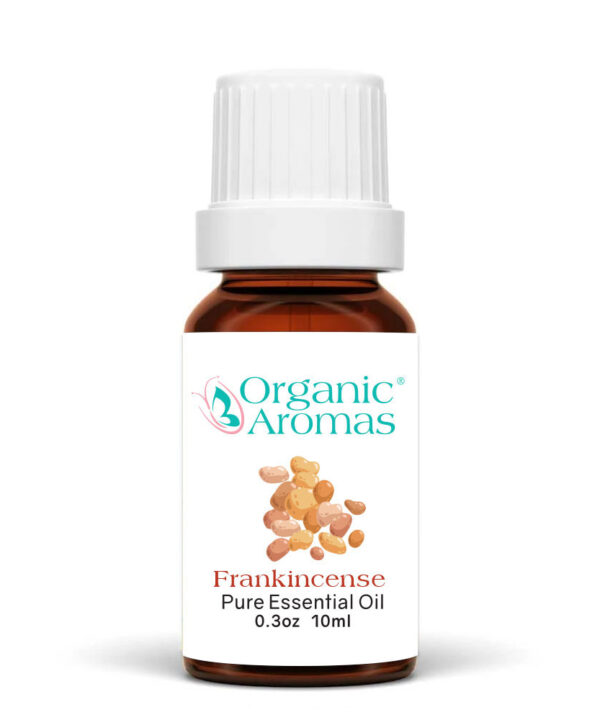
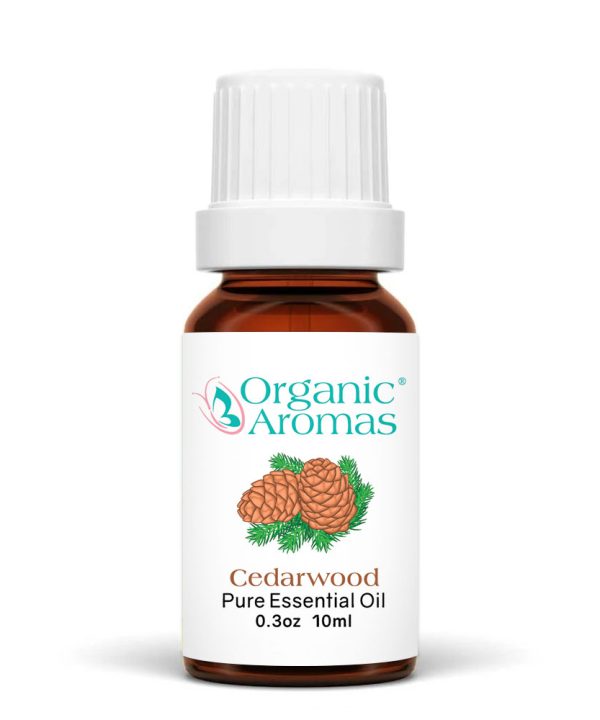
Woody and resinous oils like frankincense, cedarwood, sandalwood, and vetiver provide grounding, warm, meditative aromas. These oils tend to have heavier molecular structures, which means they linger in the air longer and serve as excellent base notes in custom blends.
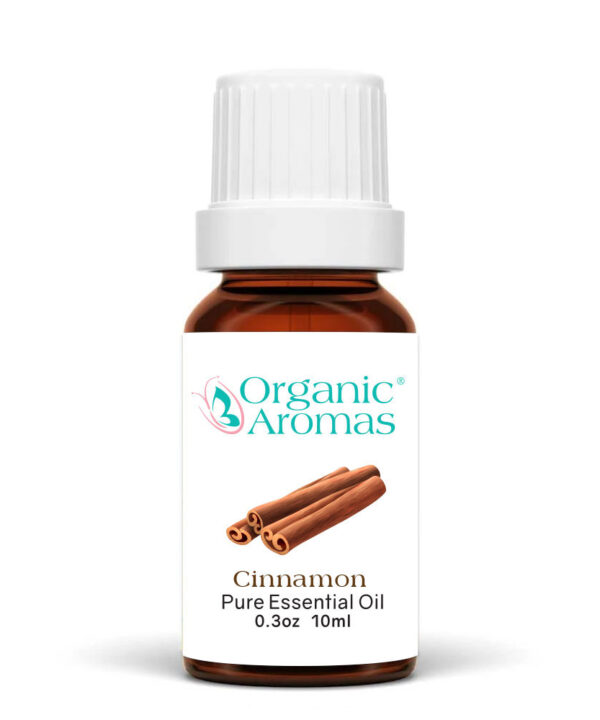
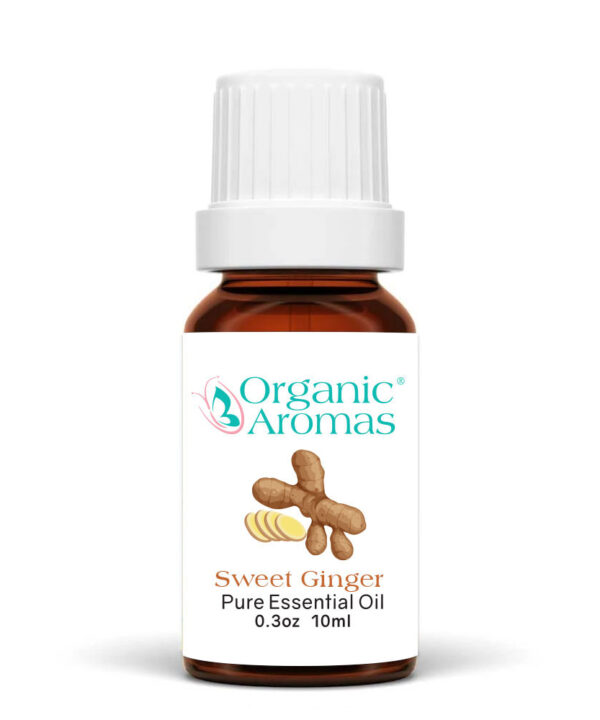
Spice oils including cinnamon, clove, and ginger add warmth and depth. They are popular in autumn and winter diffusion and pair beautifully with citrus and woody oils for cozy seasonal atmospheres.
How to Choose the Right Essential Oil
Choosing an essential oil starts with knowing what you want to achieve. Here are the most common aromatherapy goals and the oils that best support them:
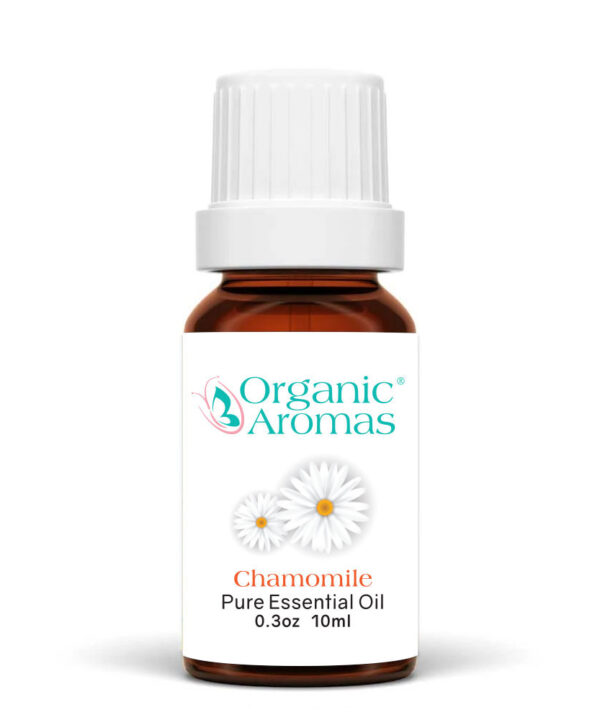
- Relaxation and sleep: Lavender, chamomile, ylang ylang, vetiver, bergamot
- Energy and focus: Peppermint, rosemary, lemon, eucalyptus, grapefruit
- Respiratory support: Eucalyptus, peppermint, tea tree, ravensara
- Mood elevation: Sweet orange, lemon, bergamot, clary sage, jasmine
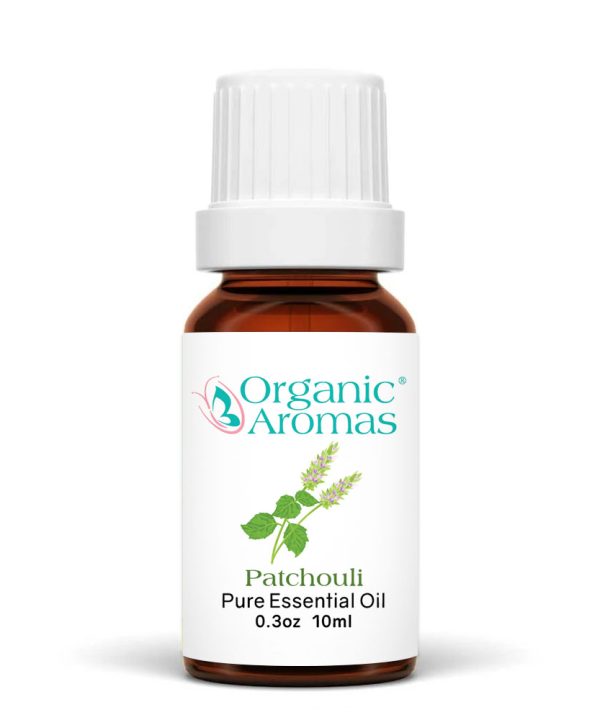
- Meditation and grounding: Frankincense, sandalwood, cedarwood, patchouli, myrrh
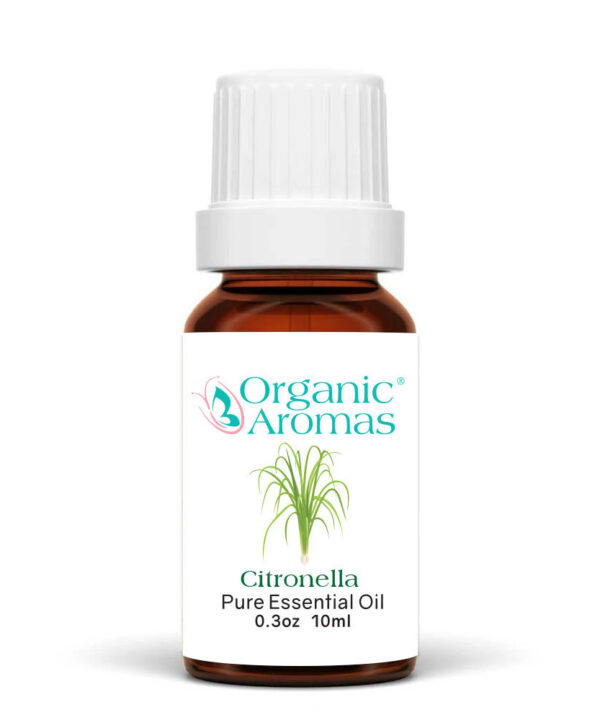
- Natural pest deterrent: Citronella, lemongrass, peppermint, cedarwood
If you are new to essential oils, start with three versatile staples: lavender for relaxation, peppermint for energy, and lemon for freshness. These three oils cover a wide range of everyday uses and blend well together. For curated starter collections, check our essential oil gift sets.
Purity and Quality Standards
Every essential oil in this collection is 100% pure, with no synthetic fragrances, carrier oils, or chemical additives. We source our oils from trusted distillers and farms worldwide, selecting for botanical quality and ethical harvesting practices.
For those who want the highest certification available, our USDA Certified Organic Essential Oils collection offers oils that meet strict organic farming and processing standards. Whether you choose conventional or organic, every oil we sell is suitable for use in a Nebulizing Diffuser and delivers the full aromatic complexity of the source plant.
Purity matters most when nebulizing, because the diffuser atomizes whatever is in the glass reservoir. Synthetic fragrance oils or oils diluted with carrier oils can clog the precision micro-tubes and produce a flat, artificial scent. Always use 100% pure essential oils for the best results and longest diffuser life.
Using Essential Oils in a Nebulizing Diffuser
A Nebulizing Diffuser atomizes pure essential oil into microscopic particles that remain suspended in the air, filling your space with rich, concentrated aroma. Simply add 15 to 20 drops of oil (or about 1 ml) to the glass reservoir and turn on the diffuser. A 15 to 30 minute session at moderate intensity is enough to scent a room of 800 square feet or more.
Thicker oils like vetiver, patchouli, and myrrh diffuse more slowly due to their heavier molecular weight. If you notice reduced mist output with these oils, increase the intensity setting or blend them with a lighter oil like lemon or grapefruit to improve flow. For step-by-step tips, visit our guide on how to use a Nebulizing Diffuser.
Regular cleaning keeps your diffuser performing at its best. Run rubbing alcohol through the glass for 5 to 10 minutes every 1 to 2 weeks, or whenever you switch between oil families. See our cleaning guide for full instructions.
Frequently Asked Questions
What are single-note essential oils?
Single-note essential oils contain one oil from one plant species, such as lavender, peppermint, or frankincense. Unlike pre-made blends that combine multiple oils, single-note oils let you experience each botanical’s complete scent profile and create your own custom combinations.
What is the difference between essential oils and fragrance oils?
Essential oils are naturally extracted from plants through steam distillation or cold pressing and contain the plant’s authentic aromatic compounds. Fragrance oils are synthetically manufactured to mimic a scent. Only pure essential oils are suitable for aromatherapy and safe to use in a Nebulizing Diffuser.
Which essential oil is best for beginners?
Lavender is the most versatile essential oil for beginners. It promotes relaxation, supports restful sleep, blends well with nearly every other oil, and is gentle enough for most people. Peppermint and lemon are also excellent starter oils for energy and freshness respectively.
How many drops of essential oil should I use in a Nebulizing Diffuser?
Add 15 to 20 drops (about 1 ml) to the glass reservoir for a standard session. This amount provides 15 to 30 minutes of diffusion at moderate intensity. The built-in interval timer can extend this by cycling the pump on and off automatically.
Can I mix different essential oils in my diffuser?
Yes. Blending oils directly in your Nebulizing Diffuser is a great way to create custom aromas. A simple formula is 2 to 3 oils in a ratio of top note (citrus), middle note (herbal/floral), and base note (wood/resin). Start with our pre-made blends for inspiration.
Do essential oils expire?
Essential oils do not spoil like food, but they do oxidize over time, which gradually changes their scent and reduces potency. Most citrus oils remain at their best for 1 to 2 years. Heavier oils like sandalwood and patchouli can last 3 to 5 years or longer. Store oils in dark glass bottles away from heat and sunlight for maximum shelf life.
Are essential oils safe to diffuse around children?
Many essential oils can be safely diffused around children in well-ventilated rooms and at moderate intensity. Lavender and chamomile are generally considered gentle choices. However, eucalyptus, peppermint, and rosemary contain compounds that may be too strong for very young children. Always consult a pediatrician for children under 2.
What is the best way to store essential oils?
Store essential oils in their original dark glass bottles with caps tightly sealed. Keep them in a cool, dry place away from direct sunlight, heat sources, and humidity. A dedicated drawer or cabinet at room temperature is ideal. Refrigeration can extend shelf life for citrus oils but is not required.