What Makes an Essential Oil Certified Organic
USDA Certified Organic essential oils come from plants grown on farms that follow strict organic agriculture regulations enforced by the United States Department of Agriculture. This means the plants were cultivated without synthetic pesticides, chemical fertilizers, GMOs, or irradiation. The soil itself must meet organic standards, and the entire supply chain from farm to bottle is audited and certified.
For essential oils, organic certification extends beyond the farm. The distillation process must also comply with organic handling requirements, ensuring no chemical solvents or synthetic processing aids contact the oil at any stage. The result is an essential oil that is as close to its natural botanical origin as modern agriculture can achieve.
When you see the USDA Organic seal on an Organic Aromas essential oil, it means every step from seed to bottle has been verified by an accredited certifying agent. This is the highest level of agricultural purity available in the United States.
Why Choose Organic Essential Oils
Conventional essential oil production often involves plants treated with pesticides and grown in chemically fertilized soil. While steam distillation removes most contaminants, trace residues can survive the process. These residues are then concentrated alongside the beneficial compounds during extraction. A single pound of lavender essential oil requires approximately 250 pounds of lavender flowers, which means any chemical contamination on those flowers is concentrated many times over in the final oil.
Organic essential oils eliminate this concern entirely. Because the plants are grown without synthetic chemicals, there are no residues to concentrate during distillation. This is especially important for oils used in aromatherapy, where you are inhaling the atomized compounds directly into your lungs.
Organic farming practices also tend to produce plants with richer aromatic profiles. Healthy soil with diverse microbiomes supports stronger, more resilient plants that produce higher concentrations of the volatile compounds responsible for each oil’s signature scent and therapeutic character.
Organic vs Conventional Essential Oils
| Factor |
USDA Certified Organic |
Conventional |
| Pesticide Residues |
None (prohibited by certification) |
Possible trace amounts |
| Farming Standards |
USDA-audited organic protocols |
Varies by producer |
| GMO Status |
Non-GMO (required) |
Not guaranteed |
| Third-Party Verification |
Accredited certifying agent audits |
Self-reported |
| Supply Chain |
Full traceability required |
Limited traceability |
| Environmental Impact |
Sustainable practices enforced |
Varies widely |
Both organic and conventional essential oils can be 100% pure. The difference lies in how the source plants were grown and processed. For anyone who values verified purity from soil to bottle, USDA Certified Organic is the gold standard. To learn more about what certification means, read our guide on what certified organic means for essential oils.
Our Organic Essential Oil Selection
Our organic collection features the most popular aromatherapy oils, each carrying the USDA Organic seal. Highlights include:
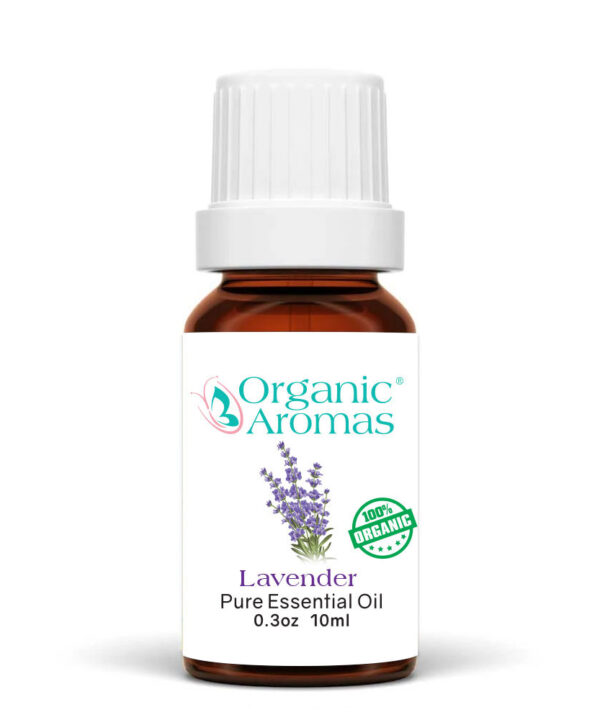
- Organic Lavender: The cornerstone of any essential oil collection. Calming, versatile, and universally loved.
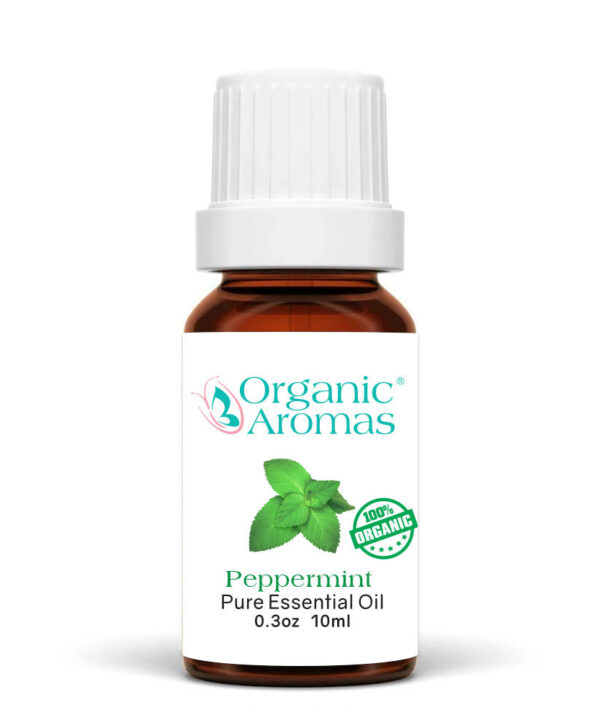
- Organic Peppermint: Invigorating and cooling. A natural choice for focus, respiratory support, and energy.
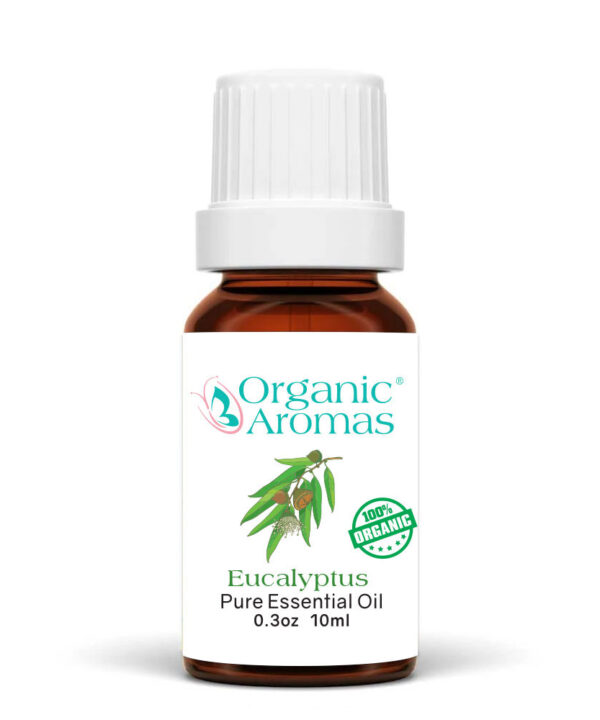
- Organic Eucalyptus: Crisp, clean, and clarifying. Popular for clearing the air and supporting easy breathing.
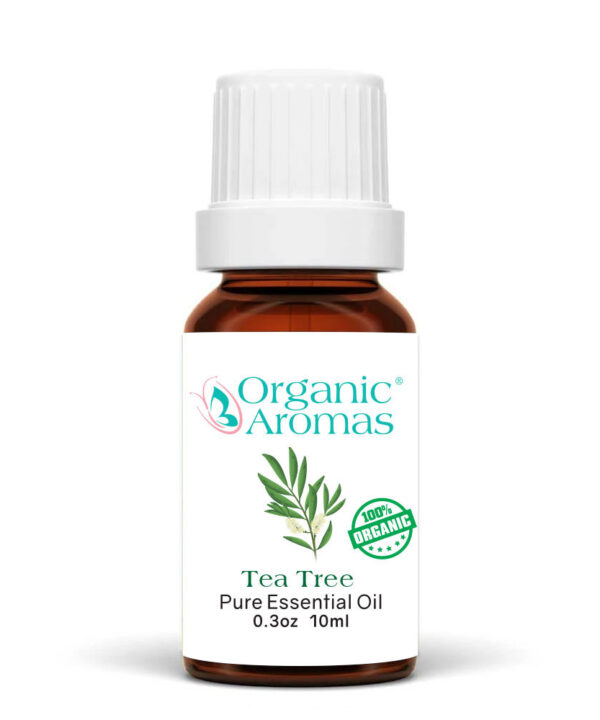
- Organic Tea Tree: Purifying and fresh. Widely used for its cleansing properties in both aromatherapy and natural household care.
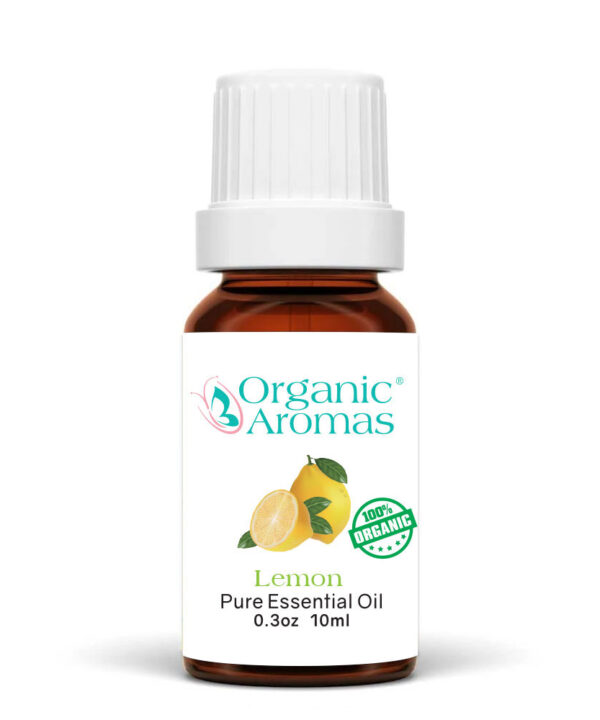
- Organic Lemon: Bright and uplifting. Adds cheerful freshness to any room and blends beautifully with other oils.
Each oil pairs perfectly with an Organic Aromas Nebulizing Diffuser, which atomizes the oil in its purest form with no water dilution and no heat degradation.
How to Use Organic Essential Oils
Organic essential oils are used exactly the same way as conventional oils. Add 15 to 20 drops to your Nebulizing Diffuser glass reservoir, select your desired intensity, and enjoy. The difference is simply the assurance that what you are breathing is free from agricultural chemical residues.
Because organic oils meet the same purity standards as all our essential oils, they work flawlessly in every Organic Aromas diffuser model. They are also suitable for topical use when properly diluted with a carrier oil, and for use in DIY recipes like room sprays, bath salts, and massage blends. For diffusion tips, see our guide on how to use a Nebulizing Diffuser.
Frequently Asked Questions
What does USDA Certified Organic mean for essential oils?
USDA Certified Organic means the plants used to produce the essential oil were grown without synthetic pesticides, chemical fertilizers, or GMOs, and the entire production process meets strict USDA organic handling standards. An accredited third-party certifying agent audits and verifies every step from farm to bottle.
Are organic essential oils better than conventional?
Both organic and conventional essential oils can be 100% pure. The advantage of organic is the verified absence of agricultural chemical residues and guaranteed sustainable farming practices. For aromatherapy where you are inhaling atomized compounds, many users prefer the added assurance that organic certification provides.
Are organic essential oils more potent?
Organic essential oils are not inherently more concentrated, but plants grown in healthy organic soil often produce richer aromatic profiles. The key benefit of organic is purity from chemical residues rather than increased potency. Both organic and conventional oils deliver effective aromatherapy when they are 100% pure.
Why are organic essential oils more expensive?
Organic farming is more labor-intensive and yields are sometimes lower than conventional agriculture. Add the cost of annual USDA certification audits, organic supply chain documentation, and higher-quality raw materials, and the price difference reflects real costs rather than a marketing premium.
Can I use organic essential oils in a Nebulizing Diffuser?
Absolutely. Organic essential oils work perfectly in every Nebulizing Diffuser model. They are 100% pure with no added carrier oils or synthetic ingredients that could clog the precision glass micro-tubes. Simply add oil to the glass reservoir and diffuse as you normally would.
How can I tell if an essential oil is truly organic?
Look for the official USDA Organic seal on the label. Legitimate organic products carry a certification number and the name of the certifying agent. If a product claims to be organic but lacks the USDA seal, it has not been independently verified and may not meet organic standards.
Do organic essential oils smell different from conventional?
The scent difference is typically subtle. Some aromatherapists report that organic oils have a slightly more complex or nuanced aroma, which they attribute to healthier soil and plant vitality. In practical use, most people find the scent very similar between organic and high-quality conventional oils.
Are all Organic Aromas essential oils organic?
No. We offer both organic and conventional essential oils. Our organic collection carries the USDA Certified Organic seal on each bottle. Our full single-note collection includes a wider variety of oils, all of which are 100% pure and undiluted regardless of organic certification status.