

Tea Tree Borrowed Its Name From a Shrub Captain Cook Brewed Into Beer
The guest room has been shut since August. Before the holiday company arrives, before the clean sheets go on, it needs a smell that says someone opened the window for you.
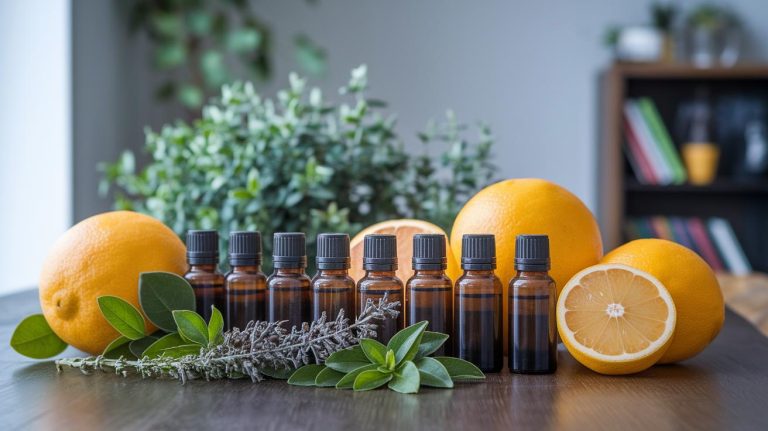
This week’s pour: 4 drops pine, 3 drops tea tree, 3 drops lemon in your Nebulizing Diffuser®. That’s ten drops in total. Think of a cold, bright morning in a forest, with fresh linen and a cup of something steaming. Pine brings a resinous, balsamic warmth. Tea tree adds a crisp, peppery green edge. Lemon lifts the whole thing so it reads as clean rather than medicinal.

Here’s the jewel. The “tea” in tea tree didn’t come from tea tree at all. In early 1773, Captain Cook’s ship Resolution anchored in Dusky Sound, New Zealand, and the crew brewed a “spruce beer” to keep the sailors going on fresh greens. Their “spruce” was actually rimu, a native conifer. Cook wrote that the brew was “too astringent” on its own, so they mixed in “an equal quantity of the tea plant,” the small shrub we now call mānuka (Leptospermum). His sailors had already been steeping its leaves as a stand-in for tea. The nickname stuck and later spread to its Australian cousin, Melaleuca alternifolia, which is the tea tree in your bottle. So this blend is a quiet nod to Cook’s fix: a sharp conifer, softened by a tea-tree leaf.
Why the three get along: tea tree and lemon share a molecule. γ-terpinene is one of tea tree’s main bright top notes, and it’s also a steady supporting player in cold-pressed lemon. It works like a handshake between them, so the lemon doesn’t sit on top as a separate layer. Pine gets the largest share because its sweet, balsamic esters round off tea tree’s camphor edge. Keep tea tree at three drops, because more starts to smell like a first-aid kit. (If your bottle smells harsher than it used to, here’s why tea tree turns harsh in the bottle.) Open the window for five minutes, close it, then diffuse for about 20 minutes while you make the bed. Switch it off before your guests walk in, so the room greets them softly instead of announcing itself.

Sign Up to Get Your FREE Essential Oils e-Book ($9.99 Value)
Cook’s sailors got through a cold southern autumn on rimu and a tea-leaf softener. Your guest room only needs ten drops and an open window. Warmly, Chad