


Essential Oils for Fly Repellent: The Complete Science-Backed Guide
Flies aren’t just an annoyance—they’re carriers of over 100 different pathogens and can contaminate food in seconds. While chemical sprays offer a quick fix, they come with their own problems: toxic fumes, short-lived effects, and potential harm to children and pets. Essential oils for fly repellent offer a better way.
Essential oils offer a natural, effective, and pleasant-smelling alternative for keeping flies away from your home. And this isn’t just folk wisdom—a peer-reviewed study published in the Journal of Vector Ecology found that certain essential oils repelled over 75% of flies for up to 8 hours. In this comprehensive guide, we’ll cover exactly which oils work, how to use them effectively, and the science behind why flies can’t stand them.
Why Essential Oils Work Against Flies
Flies navigate their world primarily through scent. Their antennae contain hundreds of olfactory receptors that detect food sources, breeding sites, and potential dangers from remarkable distances. This sophisticated sensory system, while impressive for the fly, also creates a vulnerability we can exploit.
Essential oils work as fly repellents through what scientists call “spatial repellency”—creating an invisible aromatic barrier that flies instinctively avoid. Unlike chemical pesticides that kill on contact, essential oils disrupt the fly’s ability to navigate and detect food sources. The concentrated volatile compounds in these oils overwhelm the fly’s sensory receptors, essentially “blinding” them to the attractants in your home.
A peer-reviewed study published in the Journal of Vector Ecology tested various essential oils against house flies and found that oils containing high concentrations of monoterpenes—particularly linalool, citral, and menthol—repelled over 75% of flies when used at just 5% concentration. More importantly, the protective effect lasted between 6 to 8 hours, far longer than many realize.
This isn’t just folk wisdom. The science confirms what aromatherapists have known for centuries: certain plants evolved these aromatic compounds specifically as natural insect deterrents, and we can harness that same protective power in our homes.
The 8 Most Effective Essential Oils for Repelling Flies
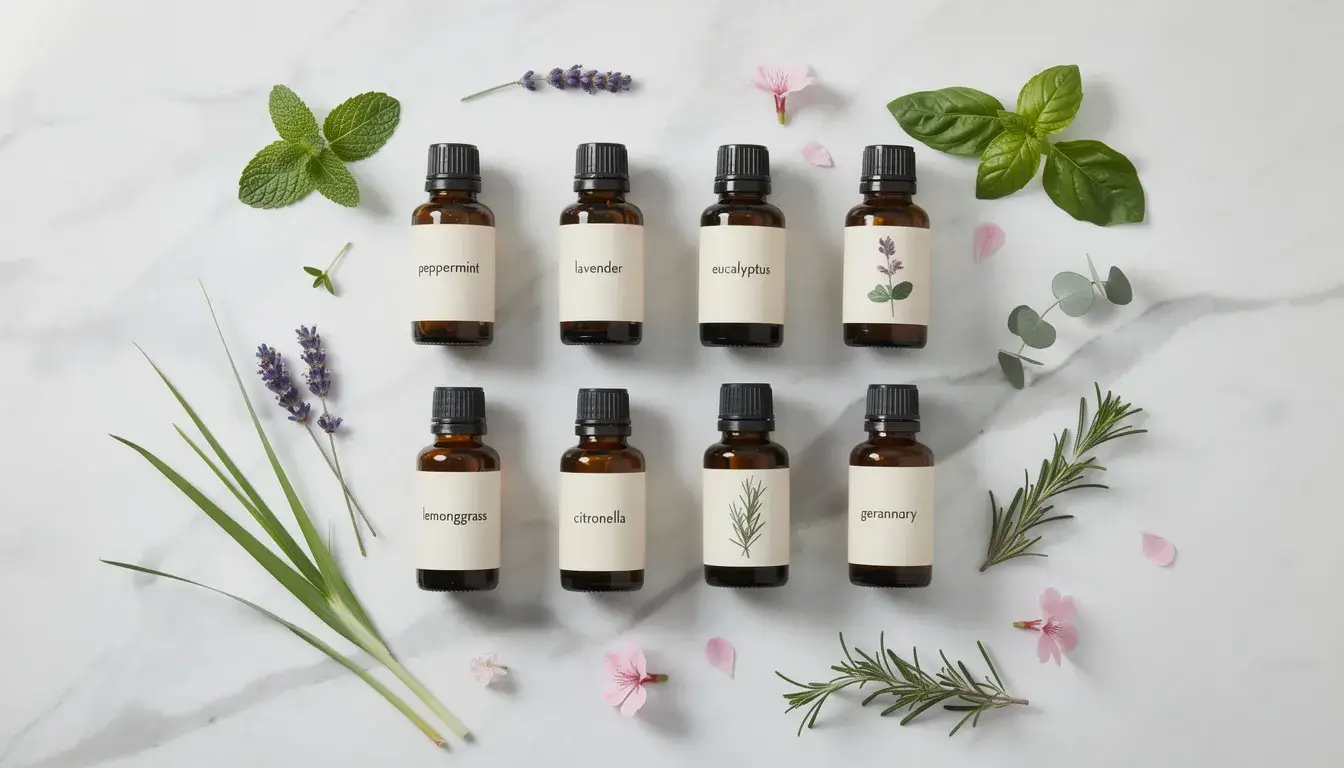
Not all essential oils are created equal when it comes to fly repellency. After reviewing scientific literature and cross-referencing dozens of sources, these eight oils consistently emerge as the most effective options, ranked by both scientific evidence and real-world results.
1. Peppermint Essential Oil
The menthol in peppermint essential oil is perhaps the most powerful fly deterrent in nature. This compound disrupts the fly’s navigation system and creates an intensely uncomfortable sensory experience for them. As a bonus, peppermint’s clean, energizing scent makes your space smell fresh while keeping flies at bay. Every single source in our research mentioned peppermint as a top recommendation.
2. Lavender Essential Oil
Don’t let lavender’s reputation as a calming oil fool you—flies absolutely despise it. The linalool compound that gives lavender its soothing properties is highly effective at repelling flies. Scientific studies confirm its efficacy, and you get the added benefit of a relaxing atmosphere. Lavender appeared in 7 out of 8 competitor sources we analyzed.
3. Eucalyptus Essential Oil
The cineole compound in eucalyptus creates a potent barrier against flies while also offering respiratory benefits. Its fresh, medicinal scent is pleasant for humans but overwhelming for flies. Eucalyptus is particularly effective in combination with peppermint, creating a synergistic effect that enhances repellency.
4. Basil Essential Oil
Basil contains estragole and linalool—two compounds that scientific studies have shown to be highly effective against house flies. In controlled laboratory tests, basil oil demonstrated some of the highest repellency rates, keeping flies away for up to 8 hours. Its herbaceous scent works wonderfully in kitchen environments.
5. Lemongrass Essential Oil
The citral compound in lemongrass gives it both its distinctive lemony scent and its impressive fly-repelling power. This oil appears in countless commercial “natural” insect repellents for good reason—it works. Lemongrass is also effective against mosquitoes, making it a versatile choice for pest control.
6. Citronella Essential Oil
Perhaps the most well-known natural insect repellent, citronella has been used for over a century to keep bugs away. While it works best in combination with other oils rather than alone, citronella remains a cornerstone of any natural fly-fighting arsenal. It’s particularly effective for outdoor use.
7. Rosemary Essential Oil
The camphor compound in rosemary creates a scent barrier that flies find highly unpleasant. Beyond flies, rosemary also deters ants, mosquitoes, and other common household pests. Its warm, herbaceous aroma complements cooking smells, making it ideal for kitchen use.
8. Geranium Essential Oil
Geranium rounds out our top eight with strong scientific backing—it was one of the oils specifically tested in peer-reviewed studies and showed excellent results. Its floral, slightly sweet scent is pleasant for most people while being highly effective at keeping flies away.
Sign Up to Get Your FREE Pets
e-Book Here…
How to Use Essential Oils to Repel Flies

Knowing which oils work is only half the battle. How you deploy them makes all the difference between marginal results and a genuinely fly-free environment. Here are the four most effective methods, starting with the most powerful option for indoor use.
Method 1: Aromatherapy Diffuser (Most Effective for Indoors)
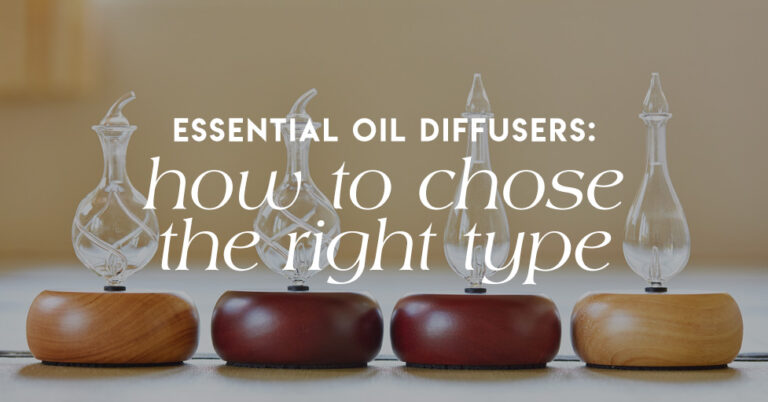
Using an essential oil diffuser is the most effective way to create continuous, whole-room fly protection indoors. A nebulizing diffuser disperses pure essential oil particles into the air without water or heat, maintaining the oil’s full therapeutic potency and fly-repelling power.
This method creates an invisible aromatic barrier throughout the room that flies simply won’t cross. Unlike sprays that need constant reapplication, a diffuser running for 15-30 minutes can protect a room for hours. It’s particularly effective in kitchens, dining rooms, and any space where food is present.
Best diffuser blend for flies:
- 4 drops peppermint
- 3 drops eucalyptus
- 2 drops lavender
Run your diffuser for 15-20 minutes every few hours during peak fly activity, or continuously on a lower setting during meal preparation and dining.
Method 2: DIY Spray
Spray bottles allow you to target specific problem areas: around windows, near doors, by garbage bins, or anywhere flies tend to congregate. The key is using a proper emulsifier so the oils disperse evenly in water.
Basic fly repellent spray recipe:
- 2 cups water
- 1/2 cup witch hazel (acts as emulsifier)
- 20 drops peppermint essential oil
- 15 drops eucalyptus essential oil
- 10 drops lavender essential oil
Shake well before each use and spray around entry points, window frames, and problem areas. Reapply every 2-3 hours for best results.
Method 3: Cotton Ball Placement
For targeted protection in specific areas, saturated cotton balls provide concentrated scent barriers without the need for mixing or spraying.
Add 5-10 drops of your chosen essential oil (or blend) to a cotton ball and place it:
- Near fruit bowls
- By window sills
- Close to garbage and compost bins
- In pantry corners
- Near pet food areas
Replace cotton balls every 24-48 hours as the scent fades.
Method 4: Outdoor Solutions
Outdoor fly control requires a different approach since wind disperses oils quickly. Combine multiple methods for best results:
- Citronella candles around seating areas
- Spray perimeters of patios and decks
- Hang sachets with dried herbs and essential oils
- Use a portable diffuser during outdoor meals
DIY Fly Repellent Recipes That Actually Work
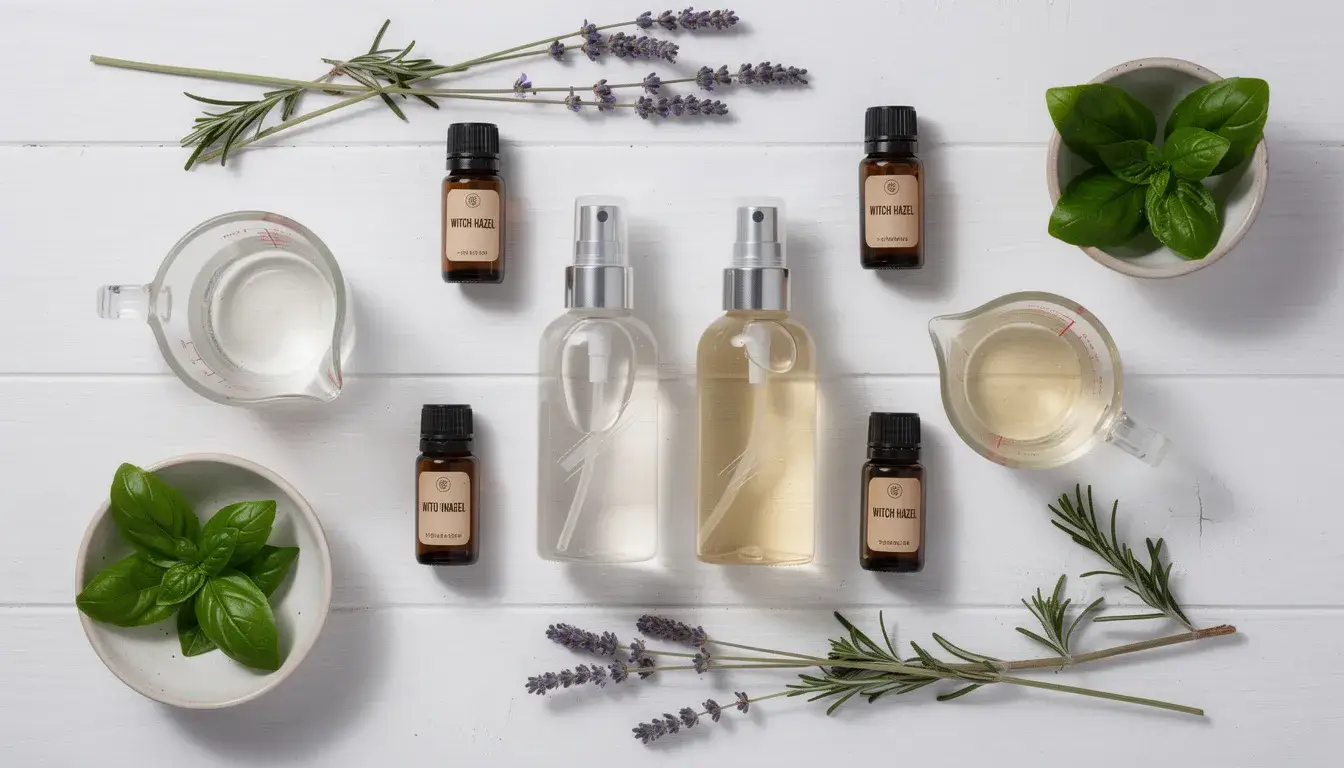
These tested recipes use the science-backed essential oils discussed above. Each serves a different purpose, so choose based on your specific needs.
All-Purpose Fly Spray
This versatile spray works on counters, around windows, and anywhere flies are a problem.
2 cups distilled water
1 cup witch hazel
20 drops peppermint essential oil
15 drops eucalyptus essential oil
10 drops lavender essential oil
5 drops basil essential oil
Combine in a spray bottle, shake vigorously, and apply liberally. Safe for most surfaces but test on a hidden area first.
Kitchen Counter Spray (Food-Safe)
This vinegar-based formula is safe to use around food preparation areas.
1 cup white vinegar
1 cup water
15 drops basil essential oil
10 drops lemongrass essential oil
5 drops rosemary essential oil
The vinegar scent dissipates quickly, leaving behind the pleasant herbal aroma while repelling flies.
Power Diffuser Blend
For maximum fly-fighting power in your nebulizing diffuser:
4 drops peppermint
3 drops eucalyptus
2 drops lemongrass
2 drops rosemary
This blend combines four of the most potent fly-repelling oils for comprehensive protection.
Enhanced Apple Cider Vinegar Trap
While ACV traps attract flies, you can use essential oils to deter them from other areas while directing them toward the trap.
1/2 cup apple cider vinegar
2 drops dish soap
3 drops rosemary essential oil (around the bowl rim, not in the liquid)
Place the trap in your main problem area while using diffusers or sprays to protect the rest of the space.

Sign Up to Get Your FREE Essential Oils e-Book Here
Indoor vs Outdoor Fly Control: What Works Where
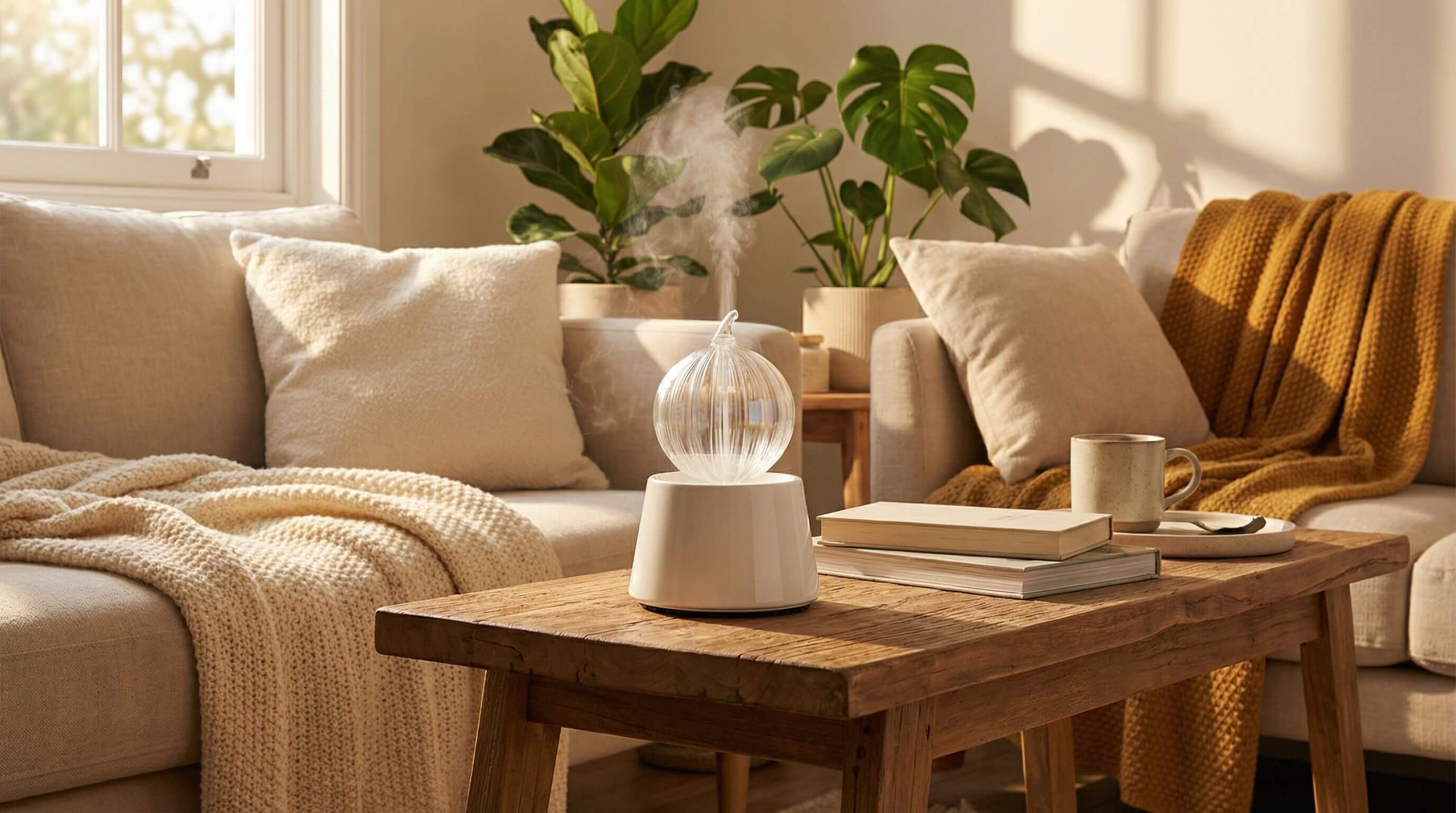
Essential oils behave differently depending on the environment. Understanding these differences helps you choose the right approach for each situation.
Indoor Fly Control
Enclosed spaces are where essential oils truly shine. Without wind to disperse the aromatic compounds, you can create a sustained barrier that keeps flies out for hours.
Most effective indoor methods:
- Diffusers: The gold standard for indoor protection. Creates ambient, whole-room coverage
- Targeted sprays: Best for entry points and problem areas like garbage or fruit bowls
- Cotton balls: Excellent for small spaces like pantries or near pet food
Best oils for indoor use: Peppermint, lavender, and eucalyptus—effective yet pleasant for extended exposure.
Outdoor Fly Control
Outdoors, air circulation works against you. Oils disperse quickly, requiring more frequent application and higher concentrations.
Most effective outdoor methods:
- Perimeter spraying: Create a boundary around seating areas
- Citronella candles: Heat helps disperse oils more effectively outdoors
- Personal application: Diluted oils on exposed skin (with carrier oil)
- Hanging sachets: Around pergolas, awnings, and porch areas
Best oils for outdoor use: Citronella, lemongrass, and rosemary—stronger scents that hold up better in open air.
Essential Oil Safety: Pets, Children, and Precautions
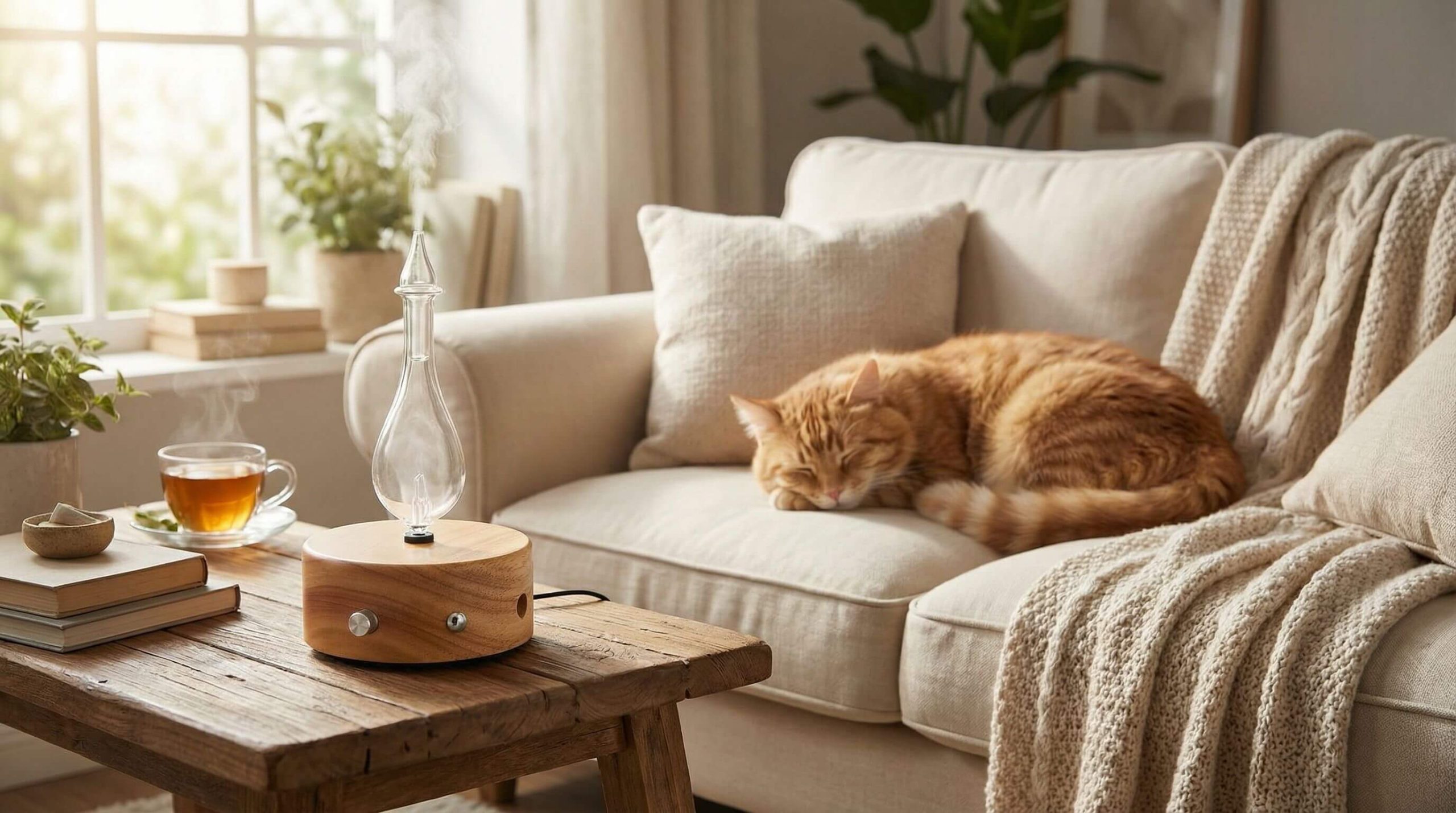
While essential oils are natural, they’re also highly concentrated plant compounds that require respect. Here’s how to use them safely around everyone in your household.
Pet Safety
Cats are particularly sensitive to essential oils because they lack a liver enzyme (glucuronyl transferase) needed to metabolize certain compounds. Essential oil safety for animals should be a priority in any home with pets.
Oils to AVOID around cats:
- Tea tree (highly toxic)
- Peppermint (in concentrated amounts)
- Eucalyptus
- Citrus oils
Safer options for homes with cats:
- Lavender (well-diluted, with ventilation)
- Lemongrass (in moderation)
Dogs are generally more tolerant but still require caution. Avoid using certain essential oils around your dog, and always ensure good ventilation and an escape route so pets can leave the area if the scent bothers them.
Children
Essential oils are safe around children when used properly:
- Keep diffusers out of reach
- Use lower concentrations in children’s rooms (half the adult amount)
- Never apply undiluted oils to children’s skin
- Avoid oils around infants under 3 months
General Safety Guidelines
For everyone in your household:
- Always dilute oils for skin application using a proper essential oil dilution guide
- Patch test new oils before widespread use
- Store oils away from heat and direct sunlight
- Use glass containers (oils can degrade plastic)
- Ensure adequate ventilation when diffusing
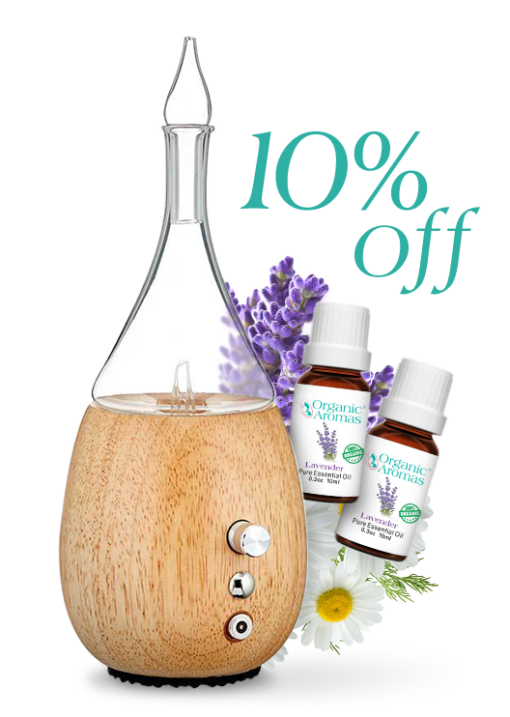
Join Now and Get a Coupon for 10% Off!
Maximizing Effectiveness: Expert Tips

Get the most out of your essential oil fly control with these professional tips:
1. Combine oils for synergistic effects
Blends are more effective than single oils. Flies can become accustomed to one scent, but combinations are harder for them to adapt to. A peppermint-eucalyptus-lavender blend outperforms any of these oils alone.
2. Maintain consistency
Essential oils work through scent saturation. Sporadic use won’t create the persistent barrier needed to keep flies away. Establish a routine: diffuse during morning and evening meal times, refresh sprays every few hours, and replace cotton balls every other day.
3. Target entry points strategically
Prevention beats reaction. Focus your efforts on doors, windows, vents, and any gaps where flies enter. A few drops of peppermint on window frames can stop flies before they become a problem.
4. Address root attractants
Essential oils work best as part of a comprehensive approach. Keep garbage covered, clean up food spills promptly, and store fruit in the refrigerator during peak fly season. Maintaining clean air in your home supports your fly control efforts.
5. Use quality, pure essential oils
Fragrance oils and synthetic “aromatherapy” products won’t work—they lack the volatile compounds that actually repel flies. Look for 100% pure, therapeutic-grade essential oils from reputable sources.
6. Start before fly season peaks
Begin your essential oil fly control regimen in late spring before populations explode. Preventing an infestation is far easier than eliminating one.
Sign Up to Get Your FREE
e-Book Here…
Creating a Fly-Free Home Naturally
Essential oils offer a proven, pleasant, and family-friendly approach to fly control. Science confirms what generations have known: certain aromatic plants naturally repel flies, and we can harness that power through their concentrated essential oils.
The most effective approach combines multiple methods: a nebulizing diffuser for ambient whole-room protection, targeted sprays for problem areas, and cotton balls for specific spots like near fruit bowls or garbage bins. By using the right oils—peppermint, lavender, eucalyptus, basil, lemongrass, citronella, rosemary, and geranium—in the right combinations, you can create a naturally fly-resistant home that smells wonderful to humans but sends flies searching for somewhere else to be.
Ready to experience the difference a quality essential oil diffuser makes? Explore our collection of handcrafted nebulizing diffusers designed to deliver pure essential oils at their full aromatic potency—perfect for creating that fly-free sanctuary you deserve.