

Essential Oil Safety for Animals and Pets
Think a few drops of lavender can’t harm your puppy?
Essential oils offer many benefits for humans, but they can pose serious risks to animals if not used carefully. That soft cloud of aroma drifts through their tiny lungs—and it can reach them before you even notice. Unlike us, pets have highly sensitive respiratory and nervous systems. Even a diffuser running in a closed room can affect cats, dogs, or small mammals much faster than you might expect. That’s why essential oil safety for animals is something every pet owner should take seriously.
When using essential oils around pets, always prioritize ventilation, dilute appropriately, and never apply oils directly to their fur or skin unless advised by a qualified veterinarian. A little care goes a long way in making sure your wellness ritual is safe for your furry companions too.
That gentle mist is called nebulizing (how a fine mist delivers undiluted essential oils).
It floats silently through the air.
Then it glides right into your pup’s lungs, um, faster than you’d guess.
In truth, before you fill your home with drifting aromas from your Organic Aromas Raindrop® or Mobile-Mini 2.0, you’ll want to learn five simple safety steps.
Trust me, a little prep makes every scent moment calm and nurturing.
Ready?
You’ll find out how to consult your vet, choose carrier oils (oils that dilute essential oils so they’re gentle on puppy skin), and read your pup’s subtle cues.
That way, each misted moment feels safe, soothing, and truly caring.
Sign Up to Get Your FREE Pets
e-Book Here…
5 Essential Oil Safety for Animals Protects Pets
Essential oils release a gentle mist of aroma with nebulizing (how a fine mist delivers undiluted essential oils). That same potency can affect pets more quickly than us. Their smaller bodies and faster metabolisms mean each drop ripples through their system. So we need to be extra careful.
Before you introduce oils or blends at home, always talk with your veterinarian. They’ll offer guidance on carrier oils (like fractionated coconut oil), and um, steer you to species-specific safety details for dogs, cats, birds, or small mammals.
- Consult a veterinarian before adding any essential oil
- Start with one oil and use a tiny dose at first
- Keep the air fresh – open windows or run a fan
- Let pets walk away from the scented area if they want
- Use diffusers for no more than two weeks, then take a break
- Store oils and diffusers up high or in a locked cabinet
Here’s the thing: good home ventilation is key. Next, follow a two-week on, two-week off rhythm to prevent sensitivity. Then watch your pet’s behavior, sneezing, pacing, drooling, anything that seems off. Finally, tuck oils away where curious paws can’t reach. Breathe. Calm.
Species-Specific Safety Notes for Dogs, Cats, Birds, and Small Animals
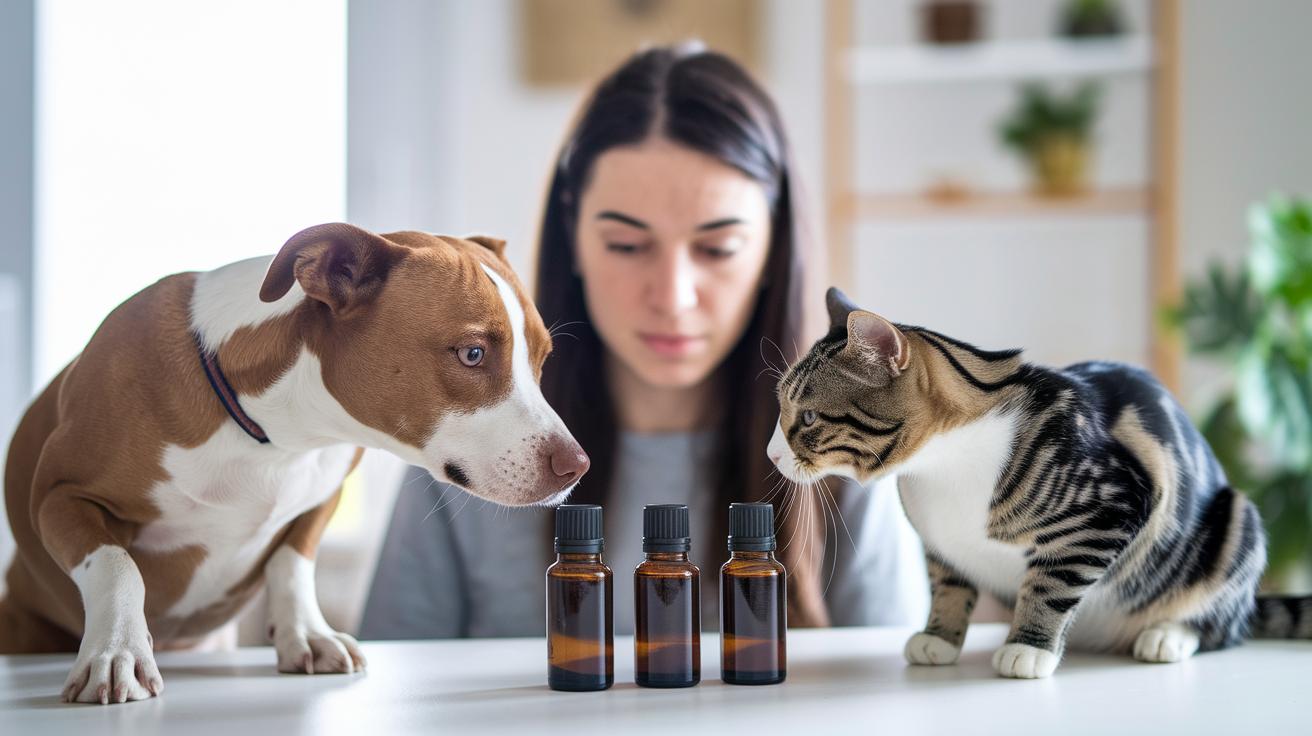
Have you ever noticed how a dog’s nose is a thousand to ten thousand times more sensitive than ours? So we’re sticking to mild diffusion (how a fine mist carries pure oil molecules) and a very low dilution ratio (oil mixed with a carrier oil) for pups. Cats can’t process phenols (plant compounds) in oils like tea tree, citrus, or cinnamon. That means these oils can build up and cause tummy or skin trouble.
Birds breathe through tiny, delicate airways and feel the full strength of an aroma fast. And small rodents? They react to even the gentlest mist, so we’re sticking to strict, tiny dilutions.
Reptiles pick up scents too, so only let them breathe the mist for a short time. No topical use for them.
| Species | Safe Oils | Harmful Oils | Recommended Dilution | Application Method |
|---|---|---|---|---|
| Dogs | Skin-Safe Essential Oils | Tea tree, Citrus, Eucalyptus, Peppermint | 0.25% (1 drop per 1.5 Tbsp carrier) | Diffusion, mild topical after patch test |
| Cats | Skin-Safe Essential Oils | Tea tree, Citrus, Cinnamon, Pine | Diffusion only, no topical | Short diffused sessions |
| Birds | Skin-Safe Essential Oils | Cinnamon, Peppermint, Eucalyptus | 0.1% diffusion (1 drop per 100 mL water) | Diffusion only |
| Small Mammals | Skin-Safe Essential Oils | Peppermint, Tea tree, Citrus | 0.1% (rodent dilution ratios) | Diffusion only, no topical |
For every fluffy friend, aim for 10 to 15 minutes of diffusion, two or three times a day. Inhalation is far safer than ingestion. Um, never let them taste the oils. Make sure the room has fresh air, like an open window or a small fan. After two weeks of steady use, give their senses a two-week break.
Pets should always have the freedom to leave the scented area. Never tuck a caged animal too close to your Organic Aromas diffuser. If you notice drooling, pacing, shaking, or labored breathing, shut off the mist right away and call your vet. Keep fresh water nearby, and store oils and diffusers up high or locked away.
Safe Diffusion and Application Methods for Animal Environments
Diffusion Methods
Um, it’s best to choose passive devices like reed diffusers or water-based vaporizers (devices that turn water and essential oil into a cool mist). They release a gentle, cold cloud of tiny oil droplets into the air without heat. That way your pet can wander toward or away from the scent. Just place your diffuser up high in a well-ventilated corner so curious noses and paws stay safe.

Raindrop – Nebulizing Diffuser®
Topical Applications
Here’s the thing about pet-safe topicals. First, follow the mild dilution steps in our main safety guide. Then pick spots your pet can’t lick, like between the shoulder blades or at the back of the neck. Apply the blend gently and cover it with a light wrap. This stops any nose nuzzling and lets them enjoy the soothing benefits.
Identifying and Responding to Essential Oil Toxicity in Pets
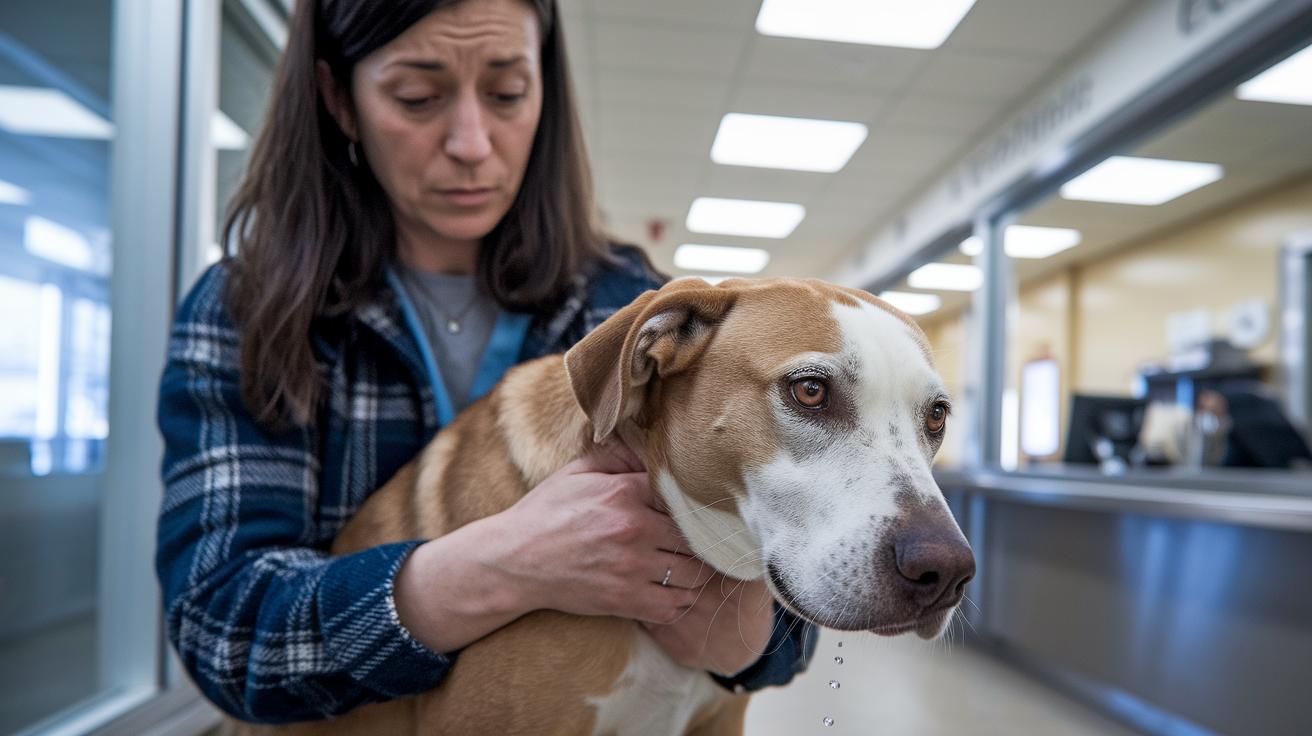
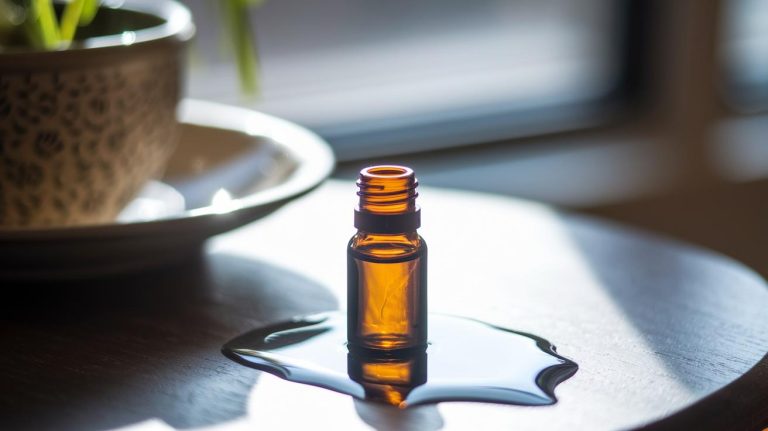
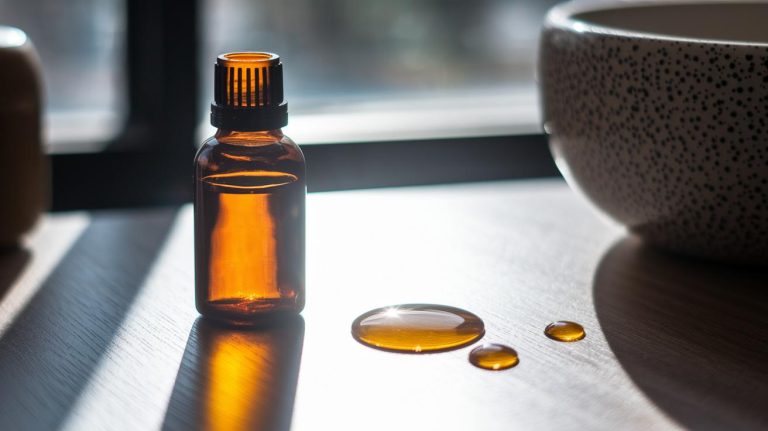
Essential oils (strong plant extracts) can affect pets faster than people. You might see signs of trouble anywhere from 30 minutes to 24 hours after exposure. If your cat or dog sniffs, licks, or steps in spilled oil, their body can work too hard, sometimes leading to organ strain (when an organ overworks) or tremors. Catching these warning signs early can help keep your furry friend safe.
Signs of Toxicity
Have you ever noticed your dog breathing fast or your cat pawing at its face? Watch your pet for up to a full day after any oil spill or sniff. You might see:
• Coughing, sneezing, or rapid breaths (respiratory distress)
• Drooling or face rubbing
• Weakness, shaking, or unsteady steps (neurological signals)
• Vomiting, diarrhea, or no appetite (digestive upset)
• Red, itchy skin where oil touched the fur
In cats, repeated small exposures can cause ongoing liver strain (when the liver works too hard).
Immediate Response
If you see any of these signs, try these steps right away.
- Move your pet to fresh air by opening a window or turning on a fan.
- Gently wipe oil from fur or skin with milk or a mild carrier oil, never rinse with plain water.
- Write down the oil name, number of drops, and how long your pet was exposed.
- Call your veterinarian or the animal poison control hotline and share these details.
Fast action can ease their recovery.
Choosing High-Quality Essential Oils and Proper Dilution for Pet Safety
Only pick 100% pure, certified organic oils labeled with their exact botanical name and plant part (leaf, bark or flower). Each part changes how the scent drifts through your pet’s fur and how gently it absorbs. For our trusted picks, see Non-Toxic Essential Oils.
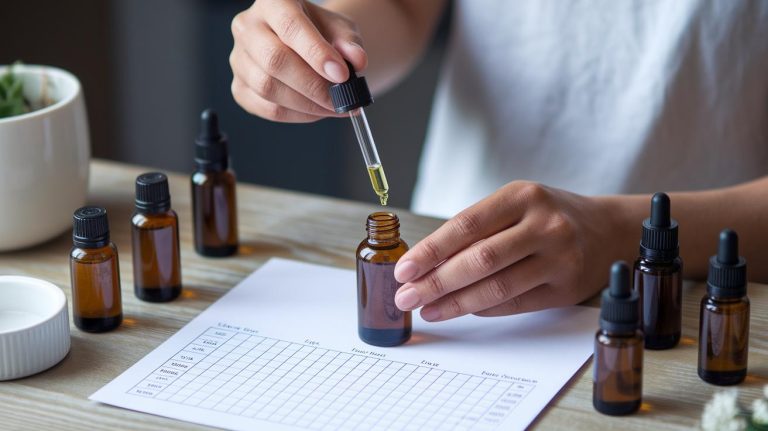
Next, check the Organic Aromas species chart for precise dilution ratios by pet type – dogs, rodents and more. First, mix three drops of essential oil with one teaspoon of carrier oil (carrier oil helps spread the scent). Then apply a small dot on a fur-free patch and wait 24 hours to make sure your pet’s skin stays happy.
For an even softer aroma, try hydrosols (plant waters that deliver a light herbal mist). They whisper pure notes without overwhelming.
Breathe. Relax.
Safe Storage, Handling, and Pet-Proofing of Essential Oils
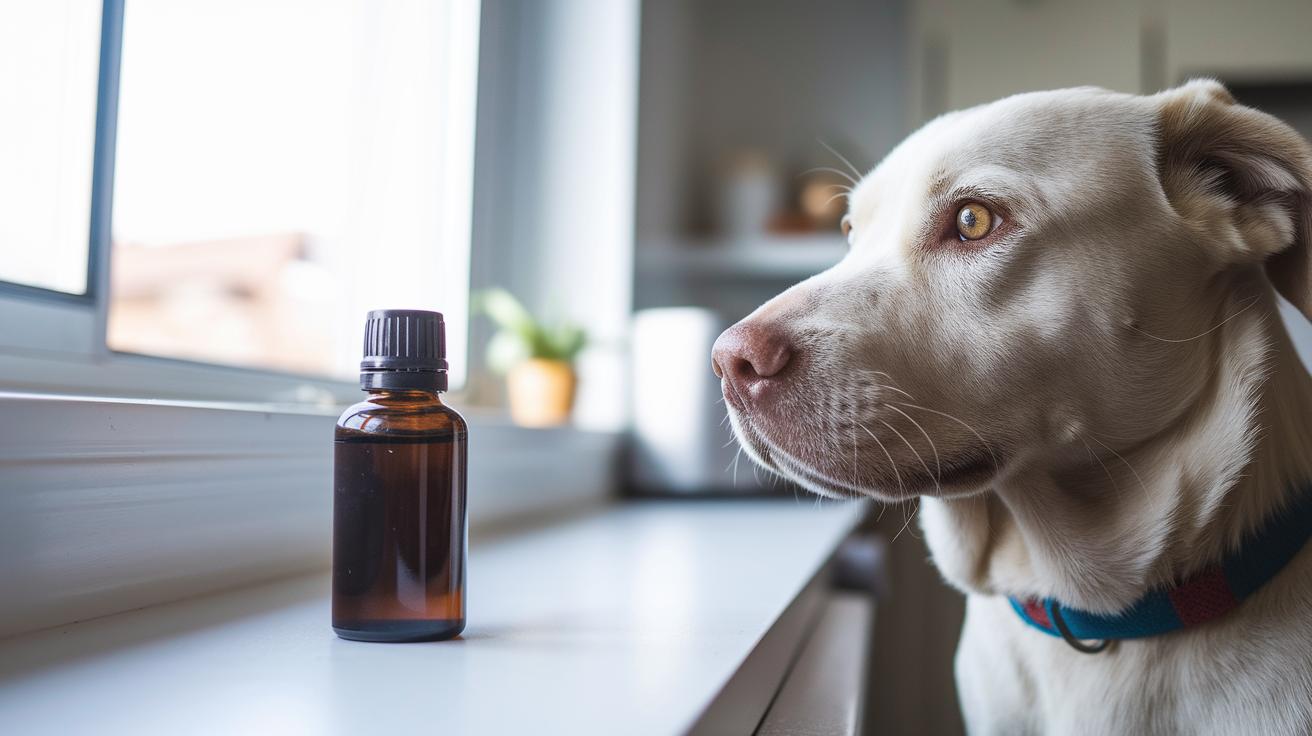
Have you ever wondered how to keep your essential oils fresh? Tuck each dark glass bottle in a cool, dry, dark spot. That gentle mist, aroma, and purity will stay intact longer when you seal the cap tight after each use. Even a tiny bit of air or moisture can sneak in and spoil the scent.
Now let’s talk pet-proofing. Um, you know curious noses can tip bottles over in no time. So stash oils up high or in a locked cabinet and set a drip tray or use unbreakable containers under carrier oils and sprays. Keep diffusers, roller bottles, and spritzers away from spots where pets eat, sleep, or play, so your furry friends stay safe and sound.
Veterinary Consultation and Emergency Protocols for Essential Oil Exposure

Before you let a soft mist of essential oil drift around your dog or cat, check with your vet. Essential oils (concentrated plant extracts) can be helpful but also surprising if your pet has health issues, is on medication, or is recovering from an injury. Have you wondered how a single breath of lavender might calm your cat or stir up an unexpected sneeze?
Here is what to bring to your vet appointment
- Oil labels and the exact drop count you plan to use
- Notes on how you’ll diffuse (spread a mist of essential oil) or apply each oil
- Your pet’s age and weight
- A brief history of any treatments or medications
If your pet shows a reaction you did not expect, you’ll want to note these details
- The name of the oil product
- The number of drops used
- The way your pet was exposed, such as in a diffuser or on the skin
- How long your pet was near the oil
Keep these notes handy when you call your vet.
This helps them guide you to prompt and gentle care.
Final Words
We’ve covered the core rules for using essential oils around pets, from vet consultations and gentle drop counts to species-specific dilution and safe storage. You now know when to pause, monitor, and adjust.
It’s all about mindful diffusion, quick response to any warning signs, and creating fresh-air breaks that respect your animals’ comfort.
By keeping these practices in place, you can trust your routine and enjoy a home filled with calm scents and essential oil safety for animals that supports everyone’s well-being.
FAQ
- Can I diffuse essential oils around dogs and cats?
- Diffusing essential oils around dogs and cats can be safe when using gentle oils like lavender or chamomile, low drop counts, short sessions under 15 minutes, ample ventilation, and allowing pets to leave the area easily.
<dt>Which essential oils are safe or unsafe to use around dogs and cats?</dt>
<dd>Safe essential oils for dogs and cats include lavender, chamomile, and frankincense under veterinary guidance. Unsafe oils include tea tree, citrus, cinnamon, peppermint, and pine, which can upset livers or cause distress.</dd>

<dt>Are there essential oils safe for other pets like birds, rodents, or reptiles?</dt>
<dd>Essential oils safe for birds, rodents, and reptiles are very limited—only mild oils like lavender or chamomile at minimal diffusion levels. Always use small drop counts, proper ventilation, and consult a vet first.</dd>

<dt>Are essential oil room sprays or cleaning blends safe for pets?</dt>
<dd>Essential oil room sprays and cleaning blends are generally safe when they use pet-friendly oils like lavender, ensure ample ventilation, are properly diluted, and stay out of pets’ reach to avoid accidental licking or sniffing.</dd>