

Smart Diffuser Buyer’s Guide: What App Control Actually Changes About Aromatherapy
A smart diffuser sounds simple. Pair the unit to your phone, tap a button, scent the room. The shopping experience is anything but. Half the top results sell cartridge perfume systems, half sell ultrasonic mist toys, and almost none of them explain what is actually different about the diffusion technology inside.
This guide breaks down what a smart diffuser actually is in 2026, how the major technologies compare, and what to look for if you care about scenting a real space with real essential oils. The criteria below come from twelve years of customer feedback at Organic Aromas, plus internal lab notes on how nebulizing diffusion preserves the chemistry of pure essential oils that cartridge systems and ultrasonic mist often cannot.
What Counts as a Smart Diffuser in 2026 (and What Doesn’t)
Walk through the top ten search results for smart diffuser and the term covers four very different product categories. Knowing the difference saves you from buying the wrong thing.
1. Smart scent diffusers (cartridge systems). Brands like Aera and Aroma360 sell a base unit plus proprietary fragrance cartridges. The “smart” part is the app: schedule scenting, set intensity, swap profiles. The catch is that the cartridges hold formulated fragrance oils, not pure essential oils. They are designed for whole-home scent marketing, not aromatherapy.
2. Smart ultrasonic diffusers. An ultrasonic plate vibrates at roughly 1.7 MHz, breaking water and a few drops of essential oil into a fine mist. App control adds scheduling, color cycling, and timer presets. Output is dilute (about 0.5 percent oil concentration in the mist) and the heat plus water can degrade the more delicate top notes in citrus and floral oils.
3. Smart heat or fan diffusers. A heating element or a small fan moves air over a saturated pad. Easy to make app-controllable, and quiet, but heat alters the volatile chemistry of the oil. Linalool, the calming compound in lavender, starts to oxidize above about 45°C, which is one reason why heated diffusion smells “flatter” after a few minutes.
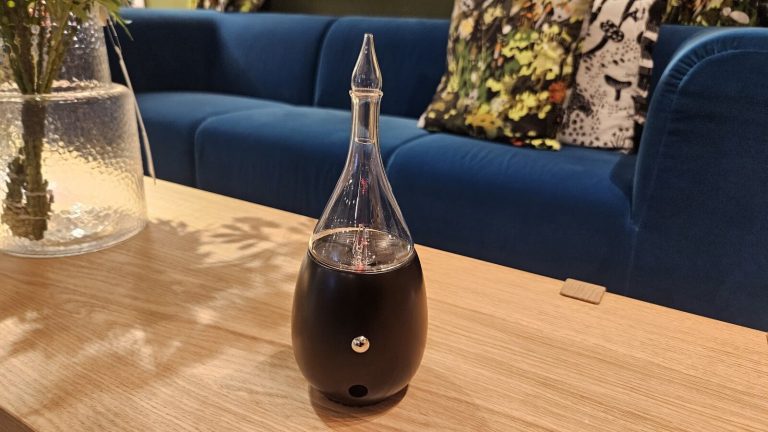
4. Smart Nebulizing Diffusers®. A pressurized airflow draws undiluted essential oil up a glass tube and atomizes it into a micro-fine mist using Bernoulli’s principle. No water, no heat, no plastic carrier. The Organic Aromas Smart Nebulizing Diffuser® family added wireless app control to that technology in 2026. This is the category most “best smart diffuser” lists overlook because almost no other brand makes one.
Which one belongs in your home depends on whether you want scenting (continuous fragrance for a large space, with formulated oils) or aromatherapy (focused sessions of pure essential oil, for wellness and mood). The four categories are not interchangeable, even when they all carry the same “smart” label.
Cartridge Perfumes vs Pure Essential Oils: The Trade-off Most Reviews Skip
The biggest blind spot in mainstream smart diffuser reviews is what is inside the bottle. Cartridge systems run on proprietary scent oils, usually a blend of synthetic aroma chemicals, natural isolates, and a small percentage of carrier oil. They are formulated to last ninety days in a sealed cartridge and to throw scent across a 1,000 square foot room. Pure essential oil cannot legally make the same claim, because pure essential oil is a single-source botanical extract with no preservatives and no synthetic anchors.
That trade-off cuts both ways:
- Cartridge systems win on convenience and reach. Drop in a cartridge, set the schedule, walk away for three months. Coverage is consistent across very large rooms.
- Pure essential oil wins on chemistry and flexibility. A 15 ml bottle of organic lavender gives you a hundred and fifty distinct sessions, lets you blend across the aromatherapy notes ladder, and delivers the actual linalool, linalyl acetate, and 1,8-cineole molecules that drive aromatherapy responses. Cartridges blend those out for shelf stability.
- Cost math flips at month 12. A premium cartridge subscription runs roughly 30 to 45 dollars a month per scent profile. A starter set of three pure essential oils, used in nebulizing sessions twice a day, runs closer to 40 to 60 dollars across an entire year.
- The ingredient label is the tell. If the bottle says “fragrance oil,” “perfume oil,” or “scent oil,” it is not a pure essential oil. If it says only the botanical Latin name and the part of the plant distilled, it is.
Most reviews skip this trade-off because their affiliate links pay better on cartridge subscriptions. The honest answer is that both categories serve real customer needs. Just know which one you are buying before you commit, and look at the spec sheet rather than the marketing photography.
Sign Up to Get Your FREE
e-Book Here…
The Five Smart Diffuser Specs That Actually Matter
Look past the product photography and there are really only five specs that change your day-to-day experience. The rest is packaging.
1. Diffusion method
Nebulizing, ultrasonic, fan, evaporative, or heat. This single choice determines how concentrated the aroma is, whether the oil chemistry stays intact, and how quickly the room fills. Nebulizing delivers the highest concentration per minute and preserves the most fragile compounds. Ultrasonic gives a soft visible mist with low concentration and a small footprint. Fan and evaporative units are best for purse-size or single-desk use. Heat is the least aromatherapy-friendly because of the chemistry trade-off described above.
2. Coverage area
Read the spec sheet, not the headline. Most smart cartridge units quote coverage at 800 to 1,000 square feet at the maximum intensity setting. Most ultrasonics realistically scent 150 to 300 square feet before the mist dissipates. A pressurized Smart Nebulizing Diffuser® like the Magnificent or the Opulence covers about 600 to 800 square feet, with a stronger aromatherapeutic effect because of the higher oil concentration in the mist itself. Match the unit to the actual room you want to scent, not to a marketing average.
3. Session length and interval control
This is the single most underrated spec. A good smart diffuser lets you set a precise on-off cycle, for example 2 minutes on, 6 minutes off, running across a 30 minute window. That cycle is how the nose perceives a steady scent without going nose-blind, and it is how you get aromatherapy benefits without overwhelming a small room. Cheap smart diffusers offer only “high, medium, low” and no interval control. Skip those.
4. Power source and runtime
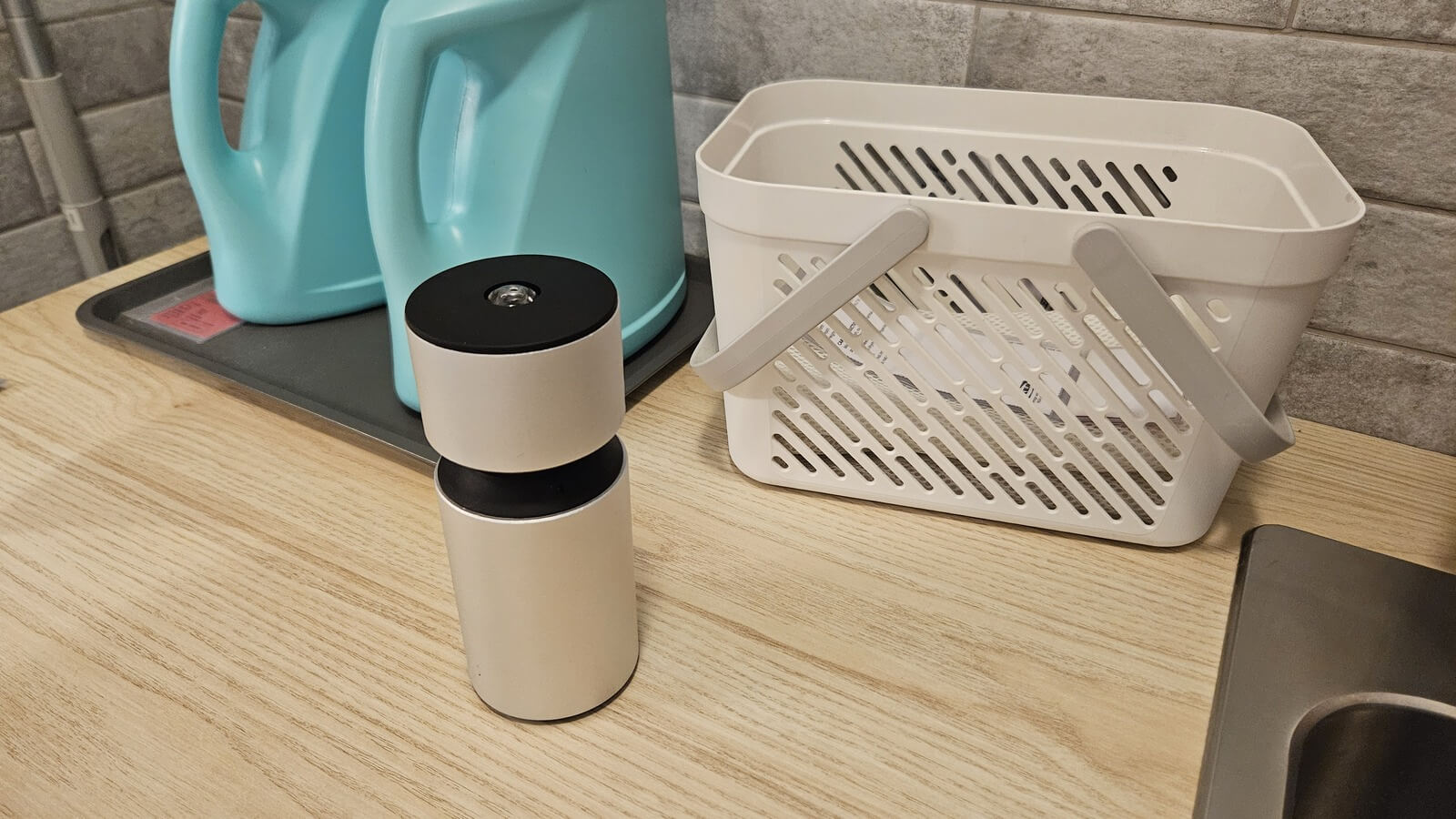
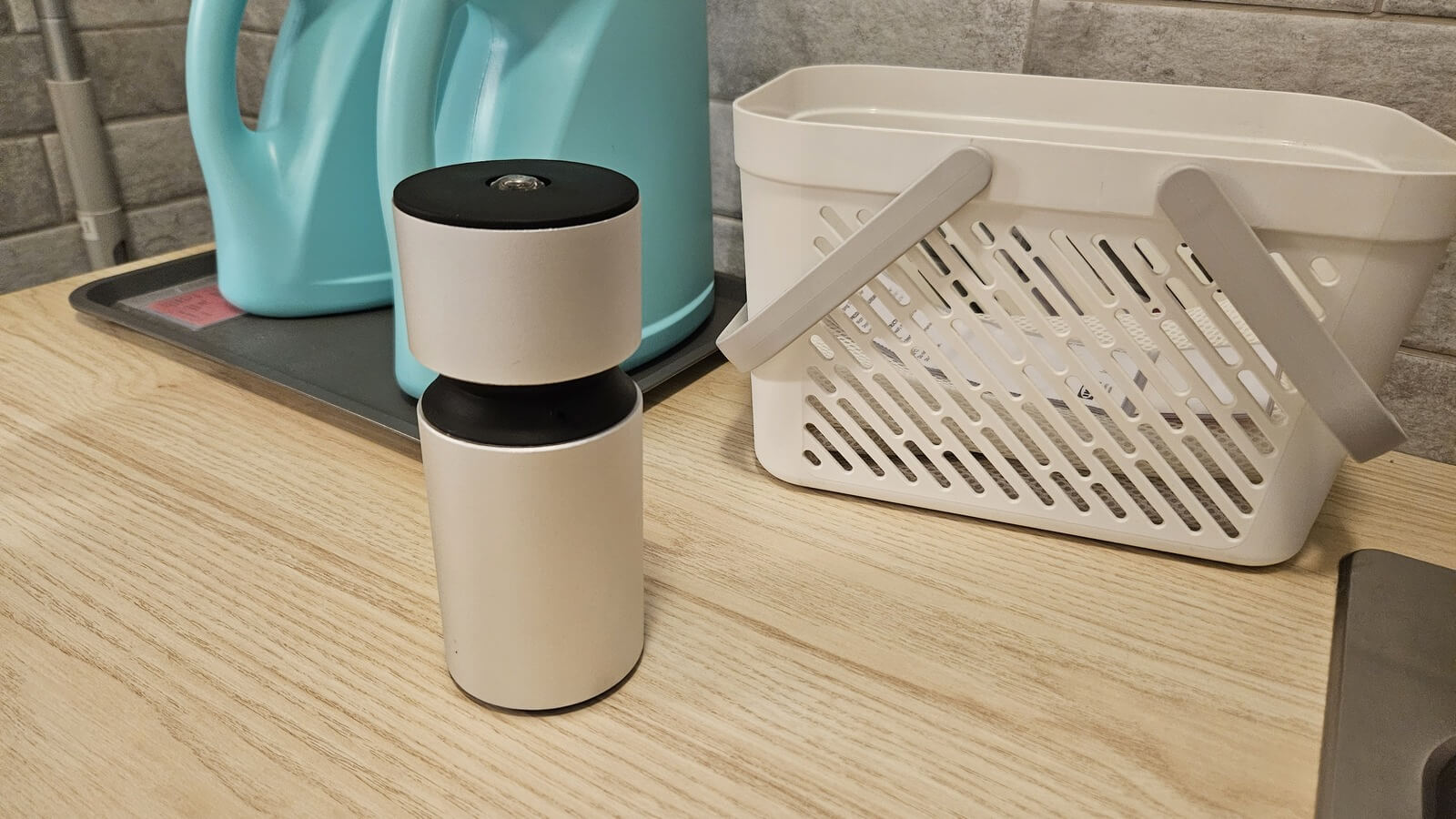
Plug-in units are fine for a fixed living room or bedroom. Rechargeable units like the Smart Mobile Mini Nebulizing Diffuser® shift to wherever you are: a hotel room, a yoga mat in the corner of the bedroom, a meditation cushion on the balcony. A real-world runtime of 4 to 6 hours on a charge is the current industry benchmark for portable smart units. Check whether the runtime is quoted at full intensity or at a low setting. The gap can be huge.
5. Materials
Pure essential oils are aggressive solvents. Citrus oils in particular dissolve cheap plastics over months of use, which is one reason older plastic-tank ultrasonics start to smell stale and “off” even after cleaning. The premium move is a reservoir made of medical-grade Pyrex glass, a wood or metal housing, and no internal plastic tubing in the airflow path. This is also why nebulizing units are typically the longest-lived smart diffusers on the market. There is nothing inside for the oil to slowly destroy.
App Control: What It Lets You Do (and Where It Stops)
The “smart” part is real, and it is useful. It is also a smaller upgrade than the marketing suggests. Here is what app control genuinely changes about an aromatherapy practice, and where the limits sit.
What app control adds
- Scheduling. Wake-up sequences. A scent that fades in before the alarm and out before breakfast. An evening cycle that starts at 9 pm and stops at 10:30 pm. This is the single biggest quality-of-life upgrade over a manual unit, especially for sleep routines built on the linalool and linalyl acetate ratio in pure lavender.
- Precise interval control. A good app lets you set the on-off cycle to the minute. That fine control is what separates an aromatherapy session from a single dose of perfume across the room.
- Remote start. Turn on the unit before you walk in the door. Useful for hosting, useful for unwinding after a long day, useful for entering a space that already smells calming rather than walking in and trying to make it so.
- Session history. The better apps log the time, oil, and intensity of each session. Over a month you start to see which blends you actually return to, which is the best feedback loop for a personal aromatherapy practice.
Where app control stops mattering
An app cannot make a bad diffuser smell better. If the diffusion method degrades the oil, no amount of scheduling will save the session. App control is a quality-of-life layer on top of the underlying technology, not a replacement for it. This is the trap a lot of buyers fall into. They pay extra for a Wi-Fi enabled ultrasonic and end up with the same dilute mist they would have gotten from a manual ultrasonic, plus a flaky pairing experience.
The hierarchy is clear. Pick the right diffusion method first. Then upgrade to the smart version of that method. Not the other way around.
Join Our Exclusive Member Club to get Big Discounts!
Cold Diffusion, Ultrasonic, and Heat: How Smart Diffusers Actually Work
Understanding the physics helps you read a spec sheet honestly. Each of the four major diffusion methods used in smart units has a distinct trade-off between concentration, chemistry preservation, and runtime cost.
Cold-air nebulizing (Bernoulli’s principle)
A small air pump forces air across the top of a vertical glass tube. The pressure differential pulls undiluted essential oil up the tube and shears it into droplets roughly 1 to 3 microns wide. Those droplets are small enough to stay suspended in air for several minutes, which is what creates the “lingering” character of nebulized aromatherapy. No water dilutes the oil. No heat alters the chemistry. This is the only smart diffuser method that delivers pure essential oil at near full concentration. The trade-off is faster oil consumption per session (about 2 to 5 drops per 30-minute cycle) and a slightly higher unit cost. A full walkthrough of how Bernoulli’s principle drives this process goes deeper if you want the physics.
Ultrasonic vibration
A piezoelectric plate at the bottom of a water reservoir vibrates at roughly 1.7 MHz. The vibration breaks the water surface into a cool mist, picking up a few drops of essential oil along the way. The math here is unforgiving: a 250 ml reservoir with 6 drops of oil works out to about 0.5 percent oil concentration in the mist. Pleasant, soft, easy to live with. Not concentrated enough to drive a meaningful aromatherapy response, which is the point most ultrasonic reviews quietly skip.
Evaporative fan and heat
A small fan blows air across a pad saturated with oil, or a heated plate warms the oil to encourage evaporation. Both are quiet, both are cheap to build into a smart enclosure, and both prioritize the lighter top notes of an oil because the base notes never volatilize enough to leave the pad. Useful for casual ambient scenting. Not useful for the structured aromatherapy session that benefits from the full top-middle-base profile of an oil blend.
Cartridge atomization
The premium scent diffusion brands use a pressurized cartridge that releases pre-formulated fragrance into the room at a measured rate. The oil inside is engineered to atomize cleanly and to throw across a large space. It is closer in spirit to a fragrance system in a hotel lobby than to an aromatherapy practice. If you have ever wondered why a luxury boutique smells consistent across the whole store, this is the technology behind it.
Buying Checklist: Match the Diffuser to the Room and the Oil
Once you understand the categories, the buying decision narrows quickly. Walk through these four questions before you spend.
Question 1: Scenting or aromatherapy?
If the goal is a consistent fragrance backdrop for a whole home (or a small business), a cartridge system makes life easy. If the goal is a daily wellness practice with pure essential oils, a nebulizing unit is the only category that delivers full-strength oil. There is no overlap product that does both well at the same price. Pick the lane first.
Question 2: How big is the actual room?
A 120 square foot bedroom does not need a 1,000 square foot diffuser. Oversized units cycle too fast and waste oil. A practical pairing: 150 to 250 square feet matches a Smart Mobile Mini Nebulizing Diffuser®, 250 to 500 square feet matches the Elegance, 500 to 800 square feet matches the Magnificent or the Opulence. For a true open-plan first floor, two smaller units placed at opposite ends outperform one giant unit.
Question 3: How often will you actually use it?
A smart unit only earns its premium if you actually use the smart features. The customers who report the highest satisfaction in twelve years of Organic Aromas feedback are the ones who set a 90-minute evening schedule and let the unit run that exact window every day. The customers who report buyer’s remorse are the ones who keep using the manual button and never connect the app. If you would not set a schedule, save the money and buy the manual version of the same diffusion technology.
Question 4: What is the oil plan?
Buying the right smart diffuser without a plan for the oils is a common mistake. Three pure single-note oils (one calming, one bright, one woody) cover roughly 80 percent of daily session goals. From there you can blend across the top-middle-base note framework. If the smart diffuser uses cartridges, the oil plan is whatever the brand sells you. If the smart diffuser uses pure essential oils, the oil plan is wide open and the cost per session is lower over time.
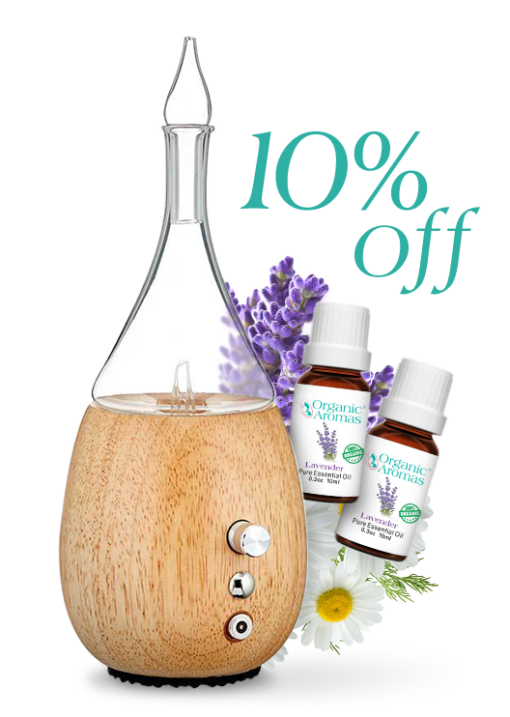
Join Now and Get a Coupon for 10% Off!
Smart Diffuser FAQ
Is a smart diffuser worth it over a regular diffuser?
It is worth it if you will use the scheduling feature daily. The biggest practical win is precise interval control and remote start, both of which turn a casual scenting habit into a reliable routine. If you will only press the on button by hand, the manual version of the same diffuser saves you about 30 to 50 dollars without changing the scent experience.
Can a smart diffuser use any essential oil?
A nebulizing smart unit can use any pure essential oil directly from the bottle, no carrier needed. A smart ultrasonic uses a few drops with water. A smart cartridge unit can use only the brand’s proprietary cartridges. The “essential oil compatibility” line on a spec sheet is shorthand for which of these three categories the unit belongs to.
How loud are smart diffusers?
Most smart nebulizing units operate between 35 and 45 decibels at one meter, comparable to a quiet refrigerator. Smart ultrasonics are slightly quieter at about 30 to 35 decibels. Smart fan diffusers vary widely: some are nearly silent, others audible across a small bedroom. If you plan to run the unit overnight, the spec to confirm is decibels at low intensity, not at maximum.
Do smart diffusers work without Wi-Fi?
The better brands keep a manual button on the unit itself, so it falls back to a regular diffuser if the network is down or the app is being updated. Worth checking before purchase: some all-app units lock the entire interface behind a Bluetooth or Wi-Fi pairing, which becomes a problem during travel or in a new home where the network is not yet set up.
How long does a smart diffuser last?
Plastic ultrasonics generally last 2 to 3 years before mineral buildup and oil residue degrade the piezoelectric plate. Cartridge systems last as long as the brand supports the cartridge format. Glass-and-wood nebulizing units routinely cross the 10-year mark in customer reports because there is no plastic in the oil path and no water-fed component to scale up.
Final Thoughts
The “smart” in smart diffuser is a control layer, not a diffusion method. The diffusion method is what actually determines whether you are scenting a room with formulated fragrance, hydrating it with a soft ultrasonic mist, or running a structured aromatherapy session with pure essential oils. Decide which of those three experiences you want first, then look for the unit in that category that also happens to ship with app control.
For aromatherapy in particular, the unlock is a smart nebulizing unit: pure oil, no water, no heat, plus the ability to schedule a session that lines up with your day. Twelve years of customer feedback at Organic Aromas point to the same pattern. The buyers who pair a Smart Nebulizing Diffuser® with three well-chosen oils and a daily schedule are the ones who keep using the unit five years in. Everyone else trades up to that setup eventually. The buyer’s-guide shortcut is to start there.