

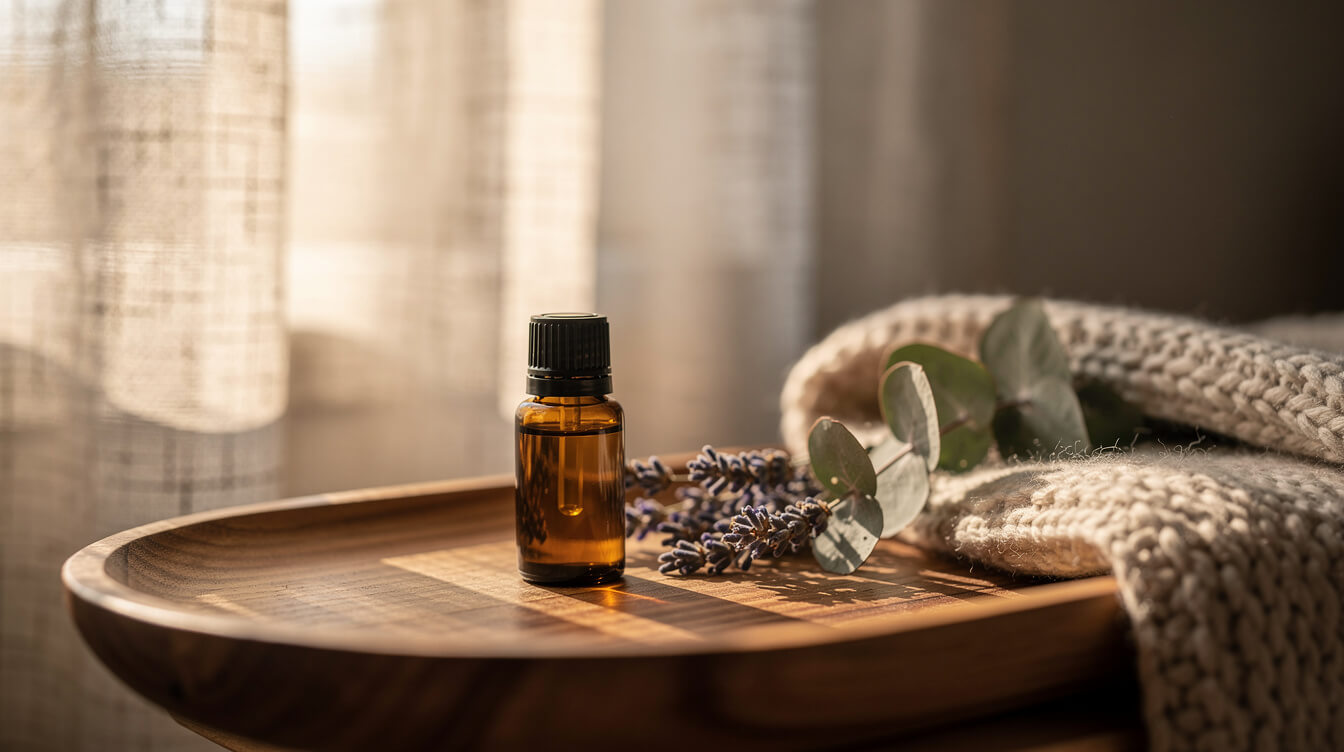
Sunday Reset: The Sandalwood Scent With No Sandalwood In It — An Amyris Hour
Imagine a Sunday with the day held loosely — no list, no clock, just a warm room and one oil doing all the work. There’s a quiet Caribbean wood oil that smells uncannily like sandalwood and shares not one branch of its family tree. That contradiction is today’s gift.
A Sandalwood Scent With No Relation to Sandalwood
Amyris (Amyris balsamifera) is a small tree from Haiti and the Caribbean, and botanically it sits nowhere near true sandalwood — it belongs to the citrus family, Rutaceae, while Santalum album belongs to its own small family, Santalaceae, on a completely different branch of the plant kingdom. And yet amyris reads to most noses as a soft, creamy, woody base note almost indistinguishable from sandalwood at a glance. The reason isn’t shared ancestry; it’s convergent chemistry. Amyris is unusually rich in sesquiterpene alcohols — elemol and beta-eudesmol chief among them — which sit in the same structural family as sandalwood’s prized alpha-santalol and land on the nose in a similar register: round, warm, slightly sweet, almost no sharp edges.
The practical jewel here is economic as much as botanical. Genuine sandalwood’s alpha-santalol content — the compound we unpacked in our species guide to sandalwood — has only gotten scarcer as Santalum album plantations face decades-long growth cycles and tightening harvest regulation, which is a quiet part of why a 15ml bottle can run well over $100. Amyris, by contrast, comes from a fast-growing, non-endangered tree and costs a fraction of that. It isn’t a substitute so much as a kindred mood at a different price point — one more oil doing an honest, unhurried job in its own right.
This Sunday’s Ritual
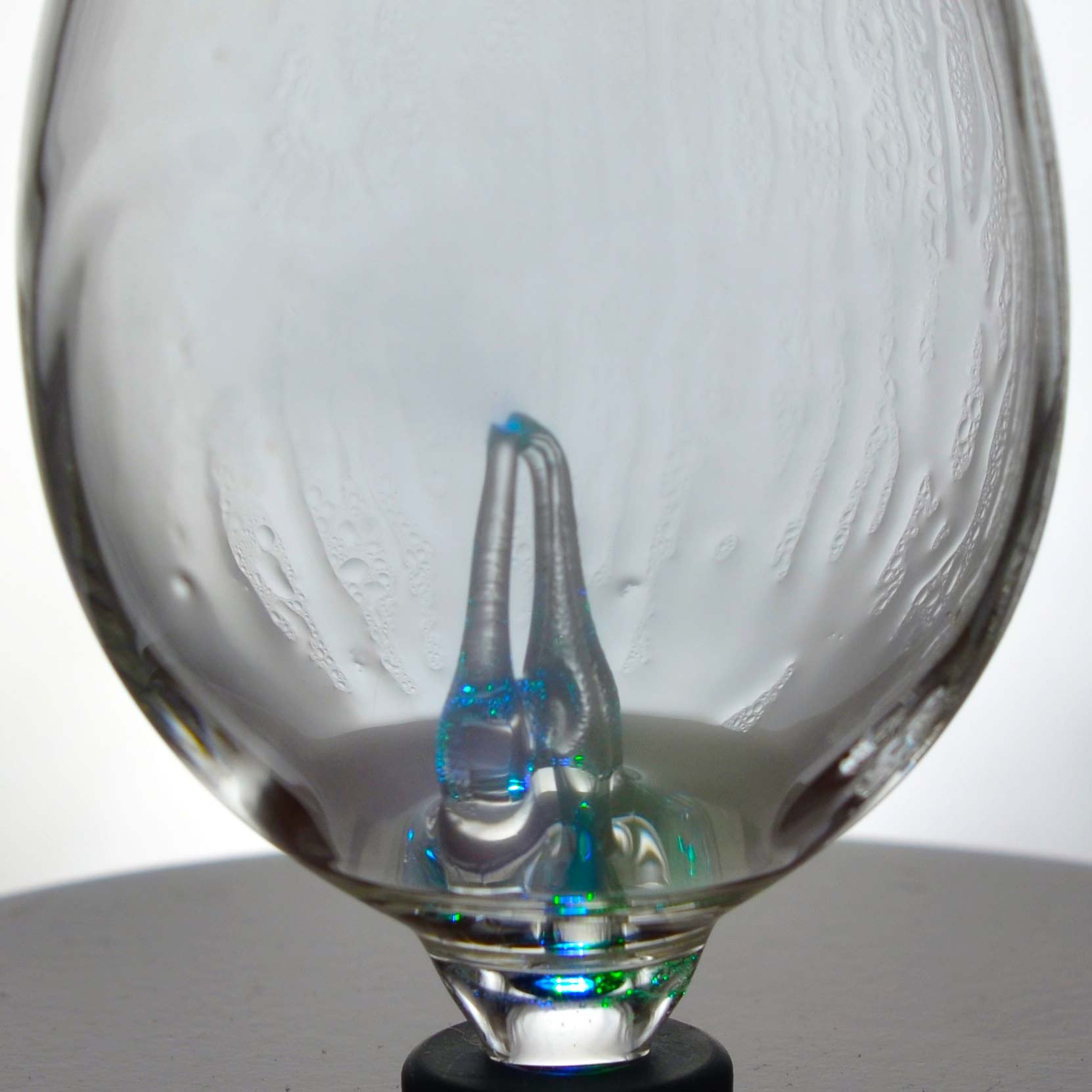
Base-note sesquiterpenes like amyris’s are slow to volatilize, so they reward patience more than quantity. In a Nebulizing Diffuser®, which carries an oil’s full profile into the room cold rather than cooking off its heavier molecules the way heat-based methods can, one or two drops of amyris alone is enough — resist the urge to blend it with anything today. Let it run for twenty or thirty minutes with nowhere to be. The scent won’t announce itself the way a top note would; it builds low and slow, the way the best Sunday mornings do.
Wishing you a slow one today.
— Chad