

Does Lavender Essential Oil Repel Mosquitoes?
Ever sprayed bug spray and ended up smelling like a chemistry lab?
What if you could swap that stiff scent for a gentle lavender mist that still helps keep mosquitoes at a distance?
Imagine an evening breeze filled with soft floral whispers, where you enjoy the outdoors without the harsh smell or constant swatting — the kind of atmosphere a Nebulizing Diffuser® was built to create.
Here’s the honest version of the lavender essential oil mosquito repellent story: the real research on lavender essential oil (a concentrated plant extract) and its active compound linalool, what it can and can’t do outdoors, and why the way you disperse it — spray, balm, or diffused mist — changes the numbers more than most articles admit.
Just add a few drops to a spray bottle for skin use, or run pure oil through a Nebulizing Diffuser® for a room-filling barrier with no water or heat to dilute it. Let’s look at what actually holds up.
Lavender Essential Oil’s Mosquito Repellent Efficacy

Yes, lavender essential oil makes a genuine (if modest) guard around your space — but the number worth knowing is the one most blogs leave out. In 2009, researchers at Tel Aviv University tested linalool (lavender’s primary scent molecule) in a continuous-release scent dispenser against real mosquito traps, both indoors and outdoors (Müller et al., Journal of Vector Ecology 34(1):2-8, 2009). Indoors, linalool diffusion blocked about 93% of mosquitoes. Outdoors, with wind and open air scattering the volatiles, that dropped to roughly 53%.
Here’s the part most lavender roundups skip: the same study tested geraniol side-by-side, and geraniol beat linalool in both settings — 97% indoors, 75% outdoors. If raw mosquito knockdown is the only goal, geraniol (found in geranium and citronella-adjacent oils) technically wins. Lavender’s edge is everything else it brings to the room: a fragrance most people actually enjoy wearing, a calming evening atmosphere, and mild skin-soothing use after a bite — benefits geraniol-heavy blends don’t offer as elegantly.
Worth flagging: a lot of lavender-and-mosquito content online cites an unspecific “2019 NIH study” showing 80% protection, with no author, journal, or paper ever named. We looked. We couldn’t find it. Treat that number as internet folklore until someone produces the citation — the traceable data point is the 2009 linalool diffusion study above.
DEET-based repellents remain the CDC’s most consistently effective synthetic option, especially in humid outdoor conditions where plant-oil volatiles fade fastest. But DEET carries usage warnings for young children and leaves a heavier chemical smell. Lavender, in contrast, slides on as a soft floral mist that’s generally considered appropriate for kids over two (check with your pediatrician for anything younger) and works well for most backyard evenings when reapplied.
Lavender does more than discourage bugs. Many people find a breath of it calming, and it’s a familiar go-to for soothing the itch of a stray bite. Using lavender as a bug barrier is simple:
- Add 20–25 drops of lavender essential oil to your Organic Aromas Nebulizing Diffuser® (no water, no heat, so linalool disperses undiluted instead of watered down like it would be in a plug-in humidifier-style unit).
- Run it for 30 minutes near windows or seating areas. Or mix five drops of lavender oil with one ounce of carrier oil (like jojoba) for a skin-safe spray.
No greasy streaks. Just a calmer evening and a more honest set of expectations about what the oil is actually doing.
How Lavender’s Active Compound Linalool Alters Mosquito Behavior
Have you noticed how a whiff of lavender seems to clear your head? That comes from linalool (a gentle scent molecule) and linalyl acetate (a partner aroma compound). When mosquitoes encounter that scent, these volatile molecules interact with the insect’s antennae and flood its olfactory receptors — the parts that help it track you down.
Normally, mosquitoes home in on your exhaled CO2 and skin odor. Lavender’s volatiles don’t poison or repel them so much as mask and jam that scent trail, so they lose the thread and drift off elsewhere. It’s less “force field” and more “static on their radio.”
This masking mechanism is similar in principle to how DEET works, though DEET is synthetic and lasts considerably longer per application. Linalool’s confusing effect isn’t limited to mosquitoes, either — fleas, ticks, and some moths respond to the same floral cues and tend to steer clear too.
One mechanical detail matters here: linalool is volatile and heat-sensitive. A spray bottle mix sitting in a hot car, or oil warmed over a candle-style diffuser, loses potency faster than freshly diffused oil. Because a Nebulizing Diffuser® uses Bernoulli’s principle — compressed air drawn across a narrow glass tube creates a pressure drop that pulls neat oil up and atomizes it into a fine mist, with no heating element and no water to dilute it — the linalool reaching the air is closer to what was in the bottle. That’s a real, mechanism-level reason nebulizing outperforms a heat-diffuser or humidifier-style unit for scent-barrier strength, not just a marketing line.
So next time you run your Nebulizing Diffuser® or spritz a lavender mist, you’re not just winding down — you’re building a scent barrier that keeps critters from crashing your backyard evening.
Sign Up to Get Your FREE Essential Oils e-Book Here
Comparing Lavender to Citronella and Other Natural Repellents

Have you ever wondered which natural oil keeps bugs away most effectively? We’re sticking to numbers we can actually trace back to a study — a lot of the “70% this, 90% that” tables floating around the internet don’t cite a source at all.
From the same 2009 study: citronella trailed both linalool and geraniol, at roughly 68% indoors and just 22% outdoors at range. Tea tree oil and clary sage show up often in repellent blends for their complementary scent profiles, though we don’t have a comparably rigorous head-to-head number for either against mosquitoes specifically. Lemon eucalyptus oil (sold as oil of lemon eucalyptus, or OLE) is the one plant-based option the CDC formally recognizes as comparably effective to low-concentration DEET, thanks to its PMD compound.
| Repellent (diffused/vapor form) | Indoor Efficacy | Outdoor Efficacy |
|---|---|---|
| Geraniol | 97% | 75% |
| Linalool (lavender’s key compound) | 93% | 53% |
| Citronella | 68% | 22% |
Source: Müller, G.C., et al. “Efficacy of the botanical repellents geraniol, linalool, and citronella against mosquitoes.” Journal of Vector Ecology 34(1):2–8, 2009. Oil of lemon eucalyptus is CDC-recognized separately and wasn’t part of this particular trial, so it isn’t included in the table above.
The takeaway isn’t “lavender loses, skip it.” It’s that outdoor plant-oil repellency drops hard once wind gets involved, no matter which oil you pick — so reapplication and enclosed diffusion (a porch, a tent, a covered patio) matter more than which specific oil sits at the top of a marketing chart.
DIY Lavender Mosquito Spray and Ointment Recipes

Ever wish you could enjoy a warm evening outdoors without the buzz of mosquitoes? Let’s make two easy, natural recipes for skin use — plus the Nebulizing Diffuser® method for filling the whole space.
DIY Lavender Mosquito Spray
A cooling mist that smells like a summer garden and gives light, skin-applied protection.
Ingredients
- 1 teaspoon carrier oil (a mild oil like coconut, jojoba, or almond)
- 1 teaspoon witch hazel (a plant extract) or vodka
- 1.5 tablespoons distilled water
- 15–25 drops lavender essential oil (pure oil from lavender flowers)
Steps
- Add the carrier oil and witch hazel to a 2-ounce spray bottle.
- Pour in the distilled water.
- Drop in the lavender essential oil.
- Shake for about 15 seconds until the mixture looks cloudy.
- Hold the bottle 6–8 inches from your skin and mist gently, avoiding eyes and mouth.
Storage & Use
Store in a cool, dark spot and shake before each use. Because linalool degrades with heat and light, keep it out of direct sun. Reapply every two to three hours, especially after swimming or heavy sweating — outdoor volatility is the main reason plant-oil sprays fade faster than DEET.
DIY Lavender Mosquito Ointment
A balmy stick that eases itching and offers steady, skin-friendly protection.
Ingredients
- 1 tablespoon beeswax pellets (small bits of wax from bees)
- 1 tablespoon solid coconut oil
- 10–30 drops lavender essential oil (pure oil from lavender flowers)
Steps
- Melt the beeswax pellets and coconut oil over low heat or in a double boiler until fully liquid.
- Remove from heat and let the mix cool just a bit so it starts to thicken.
- Stir in the lavender essential oil until the scent spreads evenly.
- Pour the blend into a small dark glass jar and seal it tight.
- Pop it into the fridge until it sets into a solid balm.
Storage & Use
Keep the jar chilled for up to three months. Scoop a pea-size amount onto your skin as needed for itch relief and gentle bug defense.
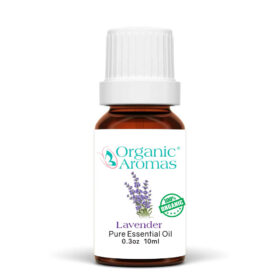
Lavender Essential Oil 100% Pure Organic
Join Now and Get a Coupon for 10% Off!
Recommended Dilution and Concentration Guidelines
We want your blends to feel as gentle as a soft breeze on your skin. So let’s start with a quick patch test — a little check now can save a lot of trouble later.
| Application | Ratio | Notes |
|---|---|---|
| Topical Dilution | 5 drops of essential oil per 1 oz carrier oil (oil you rub on skin) | Use coconut or jojoba oil as your carrier |
| Spray Blend | 20-25 drops of essential oil per 2 oz distilled water | Shake before you mist |
| Nebulizing Diffuser® | 20–25 drops of neat oil, no water added | Run 15–30 minutes per session; never add carrier oil or water to the glass reservoir |
| Patch Test | 1 drop | Apply to inner elbow, cover with a bandage, check after 24 hours |
Keep these blends away from eyes, mouth, or broken skin. If you notice redness or itching, wash it off right away, and store everything out of reach of kids and pets.
Duration of Protection and Application Techniques with Lavender Oil
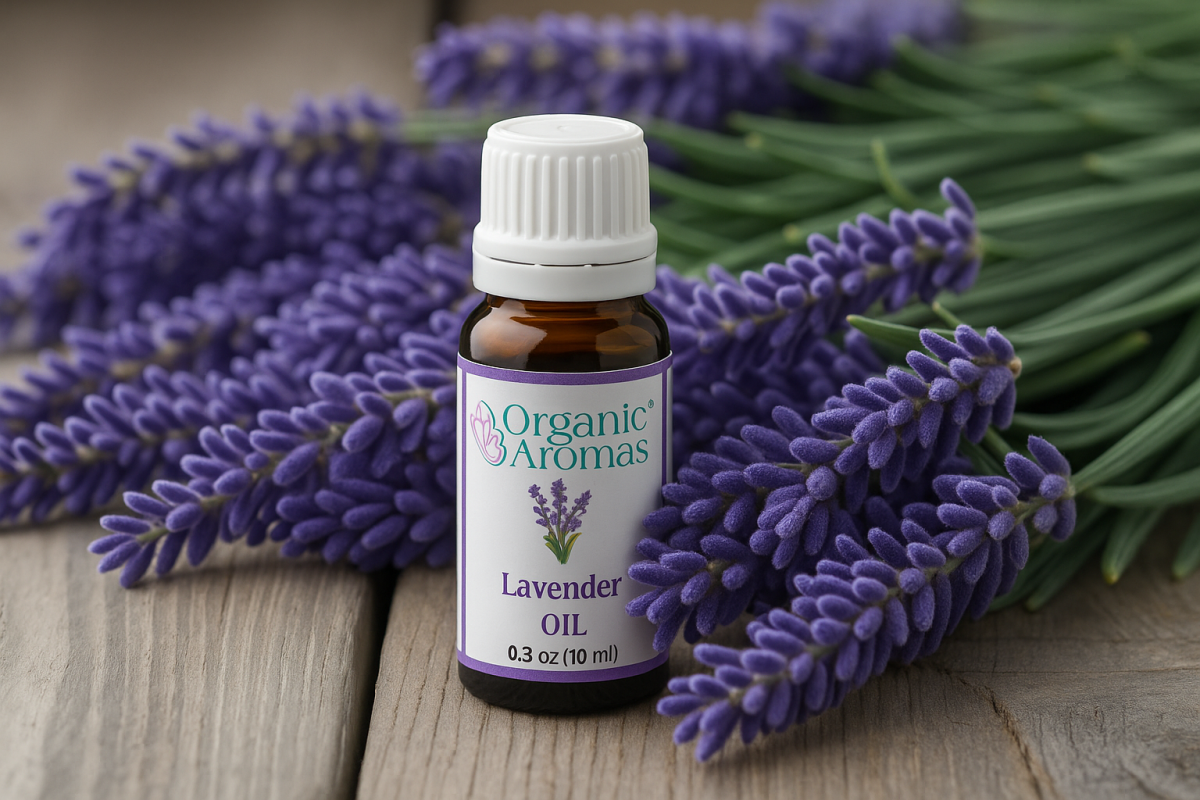
Homemade sprays lose their effect faster than DEET, and (per the outdoor efficacy numbers above) they fade even faster in open air. Plan to reapply whenever the lavender scent itself starts to drift away — that’s your cue linalool levels are dropping too.
For skin use, start with clean, dry skin, mist your lavender blend over exposed areas, and let it settle before you head outside. For room-scale coverage, the Nebulizing Diffuser® route sidesteps reapplication almost entirely for the length of the session.
| Essential Oil | Dilution (per 1 oz carrier) | Notes |
|---|---|---|
| Lavender | 10–15 drops | Safe for most skin types; apply a thin layer to wrists and ankles on dry skin and let it absorb before dressing |
| Eucalyptus | 8–12 drops | Cooling on hot afternoons; test on a small patch of skin first |
DIY Spray Recipe
- Combine 20 drops of lavender oil, 2 oz distilled water and 1 tsp alcohol in a spray bottle
- Shake well before each use
- Hold the bottle 6–8 inches from your skin and mist in wide, sweeping arcs
- Reapply after swimming or heavy sweating
Nebulizing Diffuser® Usage
Use a Nebulizing Diffuser® (no water, no heat — just pure atomized oil) or a portable Nebulizing Diffuser® to build a scent barrier around your seating area. Place it downwind of where you’re sitting and away from strong cross-breezes so the mist has a chance to settle before it scatters, then let a steady wave of lavender aroma drift your way.
Sign Up to Get Your FREE
e-Book Here…
Safety Precautions, Allergy Risk, and Best Practices for Lavender Repellent

Alerts
- Don’t use on kids under two without checking with your doctor.
- Don’t diffuse around pets, especially cats and birds, without asking your vet first — essential oils can affect them differently than they affect us.
Final Words
The honest version: lavender’s active compound, linalool, blocked about 93% of mosquitoes indoors and 53% outdoors in the one rigorously cited diffusion study we could trace (Müller et al., 2009) — and geraniol actually outperformed it in the same trial. DEET still holds the reliability edge outdoors. What lavender offers that neither of those fully match is a fragrance people genuinely enjoy wearing, plus a calming evening atmosphere and mild after-bite comfort.
We walked through DIY sprays, dilution charts, and application tips for lasting comfort, plus safety steps for patch tests and pet-friendly use.
With these numbers in hand, you can answer that question — does lavender essential oil repel mosquitoes — with real data instead of a recycled internet stat, and build a barrier that actually matches what the research shows.
Frequently Asked Questions
How long does lavender essential oil repel mosquitoes?
In diffused/vapor form, lavender’s linalool showed about 93% indoor protection and 53% outdoor protection in the 2009 Müller et al. study. Reapply sprays every two to three hours, since outdoor conditions cause volatiles to fade faster.
How do you use essential oils like lavender to repel mosquitoes?
Mix 10–20 drops into 1 ounce of carrier oil for topical use, add 15–25 drops to water plus witch hazel in a spray bottle for skin misting, or add 20–25 drops of neat oil to a Nebulizing Diffuser® for room-scale coverage with no dilution.
How do you make an easy homemade mosquito repellent?
Combine 1 teaspoon carrier oil, 1 teaspoon witch hazel, 1.5 tablespoons water, and 15–20 drops lavender oil in a spray bottle; shake well before use. See our full DIY insect repellent guide for more recipes.
How can I use a Nebulizing Diffuser® as a mosquito repellent?
Add 20–25 drops of lavender or geraniol-rich oil to the glass reservoir with no water or carrier oil, run it near seating areas for 15–30 minutes, and position it downwind so the mist settles before it disperses.
Which essential oil is best for mosquito repellent?
In diffused form, geraniol tested strongest (97% indoors, 75% outdoors) followed by linalool/lavender (93% indoors, 53% outdoors) in the 2009 Müller et al. study. Oil of lemon eucalyptus is the only plant-based option formally CDC-recognized as comparable to low-concentration DEET.
Does lavender essential oil repel bed bugs?
Lavender essential oil may help deter bed bugs by masking the scents that attract them, but it will not eliminate an existing infestation and works best alongside professional pest control methods.
Why do mosquitoes avoid lavender?
Linalool, lavender’s dominant compound, overwhelms mosquito olfactory receptors and masks the CO2 and skin-odor cues they use to find you, which causes many (not all) mosquitoes to lose the trail and move on.
What scent do mosquitoes avoid most?
Among diffused plant oils tested head-to-head, geraniol showed the strongest avoidance response, followed by lavender’s linalool and then citronella; oil of lemon eucalyptus is the CDC’s top plant-based pick overall.