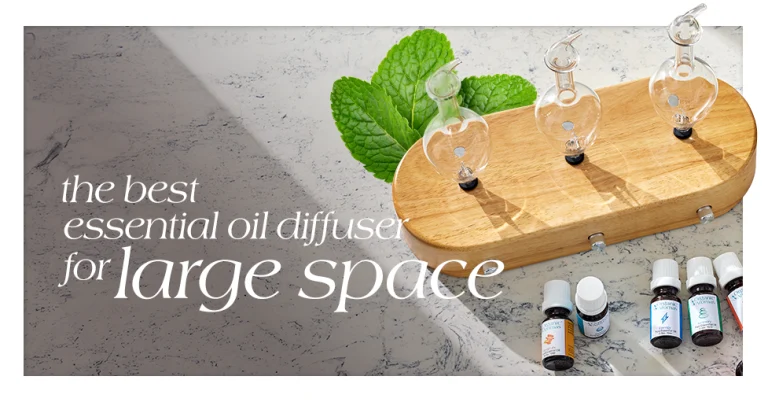



Essential Oils for Fruit Flies: Science-Backed Natural Solutions (2026)
If you have ever set down a ripe banana and returned to find a cloud of tiny insects hovering over your fruit bowl, you already know how relentless these pests are. Using essential oils for fruit flies is one of the most effective natural ways to make your kitchen far less inviting to them — no synthetic sprays, no chemical residue near your food. In this science-backed 2026 guide, you will learn exactly which oils repel fruit flies, why they work at the molecular level, the surprising mistake that can actually attract more flies, and how to turn pure aromatherapy into an everyday kitchen defense.
Fruit flies (Drosophila melanogaster) find your kitchen using an extraordinary sense of smell — they lock onto the fermenting, yeasty aroma of overripe produce from across the room. The strategy behind essential oils is simple: overwhelm and confuse that scent-driven navigation with aromas fruit flies instinctively avoid.
The Best Essential Oils for Fruit Flies (Backed by Science)
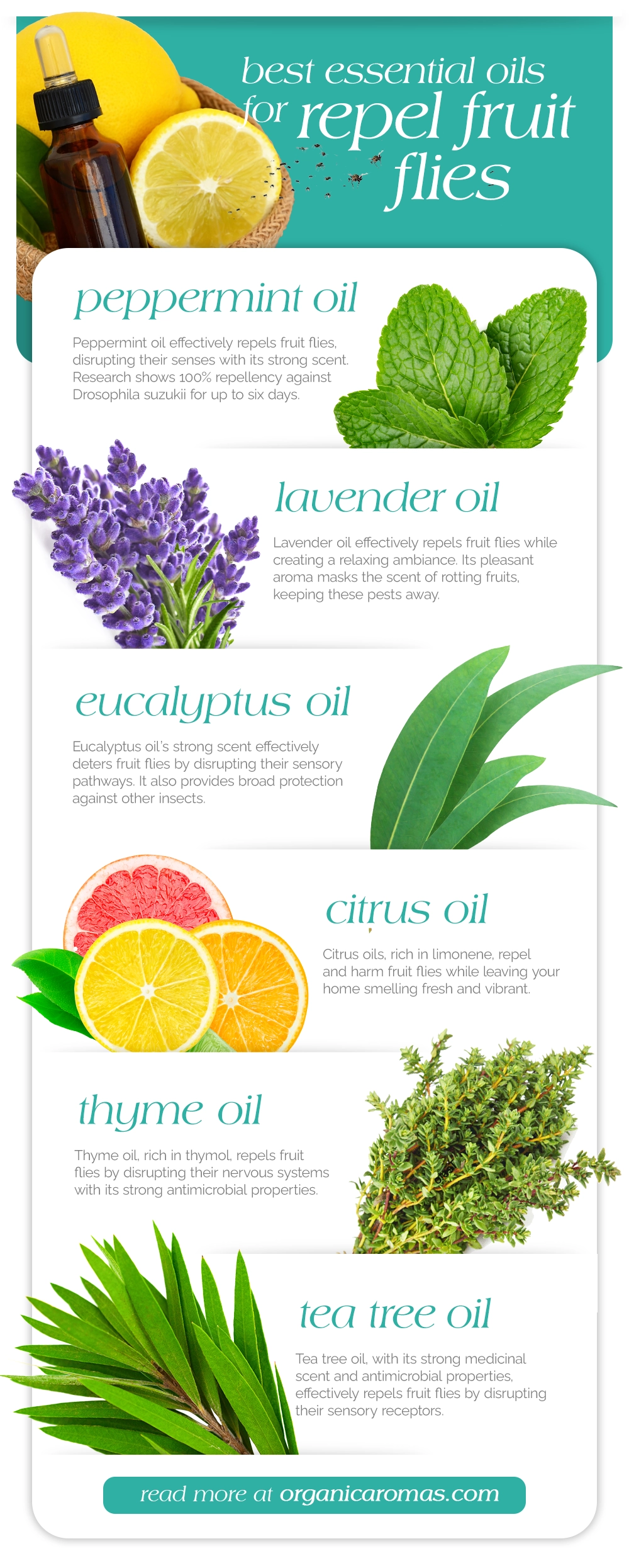
Not every strong-smelling oil deters fruit flies, and the research on which ones truly work is more nuanced than most blog posts admit. Here are the oils with the strongest track record, both from home use and from the lab:
- Peppermint — the classic fruit-fly deterrent. Its high menthol content is intensely aromatic and one of the most reliably avoided scents in kitchen settings.
- Lemongrass — rich in citral, the same compound that makes many commercial insect repellents work. It doubles as a fresh, clean kitchen scent.
- Basil — sweet basil oil is high in linalool and estragole, aromas fruit flies steer away from; a pot of fresh basil on the windowsill helps too.
- Clove — eugenol-heavy and powerful; a little goes a long way, and it pairs beautifully with citrus in a repellent blend.
- Eucalyptus — the crisp, camphoraceous 1,8-cineole note masks the fermented smells that draw flies in.
- Lavender — gentler than the others, but its linalyl-acetate profile makes it a pleasant everyday option that keeps the kitchen calm and less appealing to pests.
- Lemon & other citrus — bright and clean to us, but the concentrated limonene note helps mask the fermented aromas fruit flies chase.
The research jewel: what 82 oils revealed
Here is a finding almost no fruit-fly guide mentions. In a 2025 field study published in the Journal of Chemical Ecology, Levi-Zada and colleagues systematically screened 82 commercial essential oils for their ability to repel fruit flies. Two stood out dramatically: Yarrow and Ylang-ylang caused over 95% “trap shutdown” — meaning flies that would normally rush to a baited trap simply stopped coming. When the researchers isolated artemisia ketone, a single component of Yarrow, it delivered a 98% shutdown for males and 92% for females. The takeaway for your kitchen: repellency is driven by specific aroma compounds, not just “strong smell,” which is exactly why the quality and purity of your oil matters so much.
If you are also battling other kitchen invaders, the same principles apply — see our guides on natural ant repellent and essential oils for cockroaches.
Why Essential Oils Repel Fruit Flies: The Science of Scent-Masking
Fruit flies do not have noses the way we do — they detect airborne molecules through olfactory receptors on their antennae, and they are exquisitely tuned to the esters and alcohols released by fermenting fruit. Essential oils work through two overlapping mechanisms. First, scent-masking: potent aromatic molecules like menthol, citral, and eugenol saturate the air and drown out the fermentation cues flies are hunting for, so your fruit bowl effectively vanishes from their radar. Second, active avoidance: many of these same compounds are mild irritants to insects, so flies instinctively keep their distance rather than linger.
This is why concentration and dispersion matter more than raw quantity. A drop of oil sitting in a dish evaporates slowly and unevenly. To create a true aromatic barrier, you need the oil molecules suspended in the air as a fine, consistent mist — which is where your diffusion method becomes the deciding factor between a kitchen flies avoid and one they ignore.

Sign Up to Get Your FREE
e-Book Here…
The Peppermint Paradox: When Essential Oils Can Attract Fruit Flies
Here is a real-world failure mode you will not find in most guides — and it trips up beginners constantly. Home users occasionally report that after setting out peppermint oil, they saw more fruit flies, not fewer. What is going on?
The culprit is almost always the carrier, not the oil. If you dilute an essential oil in a sugary base, leave it in an open dish of water that begins to stagnate, or pair it with a sweet solution, the fermenting or sugary medium becomes a fruit-fly magnet that overwhelms the deterrent effect of the aroma. Pure, well-dispersed peppermint repels; peppermint floating on a dish of sweetened water becomes an accidental trap-turned-buffet.
The fix
- Use pure, undiluted oil dispersed into the air for repelling — never a sugary or stagnant liquid base.
- Keep any deliberate vinegar traps (which are meant to attract) well away from your air-diffusion setup so the two strategies do not cancel out.
- Refresh your oil regularly; oxidized, old oil loses the volatile top-notes that do the repelling.
Curious about peppermint’s aroma chemistry? Our peppermint oil profile breaks down why that cooling, menthol-forward scent is so powerful.
How to Use Essential Oils for Fruit Fly Control
There are three practical ways to deploy essential oils against fruit flies, and the best results come from combining them:
1. Diffuse into the air
The most effective everyday defense is to disperse pure essential oil as a fine aromatic mist throughout your kitchen. A Nebulizing Diffuser® turns undiluted oil into a micro-fine cloud using nothing but pressurized air — no water, no heat — which keeps the repellent aroma compounds intact and evenly distributed. For a kitchen that stays genuinely uninviting to fruit flies, running pure peppermint or lemongrass through a Raindrop Smart Nebulizing Diffuser® for 15–20 minutes a few times a day is far more consistent than dabbing oil on cotton balls.
2. Make a repellent surface spray
Combine 10–15 drops of peppermint or lemongrass oil with two cups of water and a small splash of witch hazel (as a dispersant) in a glass spray bottle. Mist countertops, around the trash can, and near drains — the classic fruit-fly hotspots. Shake before every use.
3. Wipe down entry and breeding zones
Add a few drops of clove or eucalyptus oil to your regular cleaning water and wipe counters, the sink, and the area around your fruit bowl. This removes the fermentation residue that attracts flies in the first place while leaving behind a deterrent scent. For more room-by-room ideas, see our guide to essential oils for air freshener.

Sign Up to Get Your FREE Essential Oils e-Book Here
4 DIY Essential Oil Recipes for a Fruit-Fly-Free Kitchen

Mix these at home with pure oils and simple pantry staples. Remember the golden rule from earlier: keep repellent blends (dispersed in air) separate from trap blends (designed to lure).
Kitchen Barrier Spray
- 15 drops peppermint essential oil
- 5 drops lemongrass essential oil
- 2 cups distilled water
- 1 tbsp witch hazel
- Combine in a glass bottle, shake, and mist hotspots twice daily.
Citrus-Clove Counter Wipe
- 8 drops clove essential oil
- 8 drops lemongrass or lemon essential oil
- 2 cups warm water
- Use to wipe counters, sink, and trash-can lids.
Nebulizing Diffuser® Repellent Blend
- 3 drops peppermint
- 2 drops eucalyptus
- 2 drops lavender
- Add undiluted to your Nebulizing Diffuser® and run in short cycles.
Vinegar Catch Trap (attractant — keep away from your Nebulizing Diffuser®)
- Apple cider vinegar in a small jar
- A drop of dish soap to break surface tension
- Cover with pierced plastic wrap; flies enter and cannot leave.
If DIY blending appeals to you, you will love experimenting with the recipes in our DIY mosquito repellent guide — the blending skills carry straight over.
Diffusing Pure Oils: Why a Nebulizing Diffuser® Outperforms Sprays
Sprays and wipes handle surfaces, but the air is where fruit flies actually navigate. This is where the type of diffusion matters. Ultrasonic units dilute your oil in a tank of water and break it apart with vibration, producing a damp, low-concentration mist — and the added humidity near a fruit bowl can work against you. Heat-based warmers can degrade the delicate aroma compounds that do the repelling.
A Nebulizing Diffuser® works differently. Using Bernoulli’s Principle, a stream of pressurized air draws pure, undiluted essential oil up a glass tube and shatters it into a micro-fine aromatic cloud — no water, no heat. That means the citral, menthol, and eugenol molecules reach the air fully intact and at full strength, creating the consistent aromatic barrier that actually keeps fruit flies at bay. It is the same reason nebulizing diffusion is prized for pure aromatherapy generally: nothing dilutes or damages the oil.
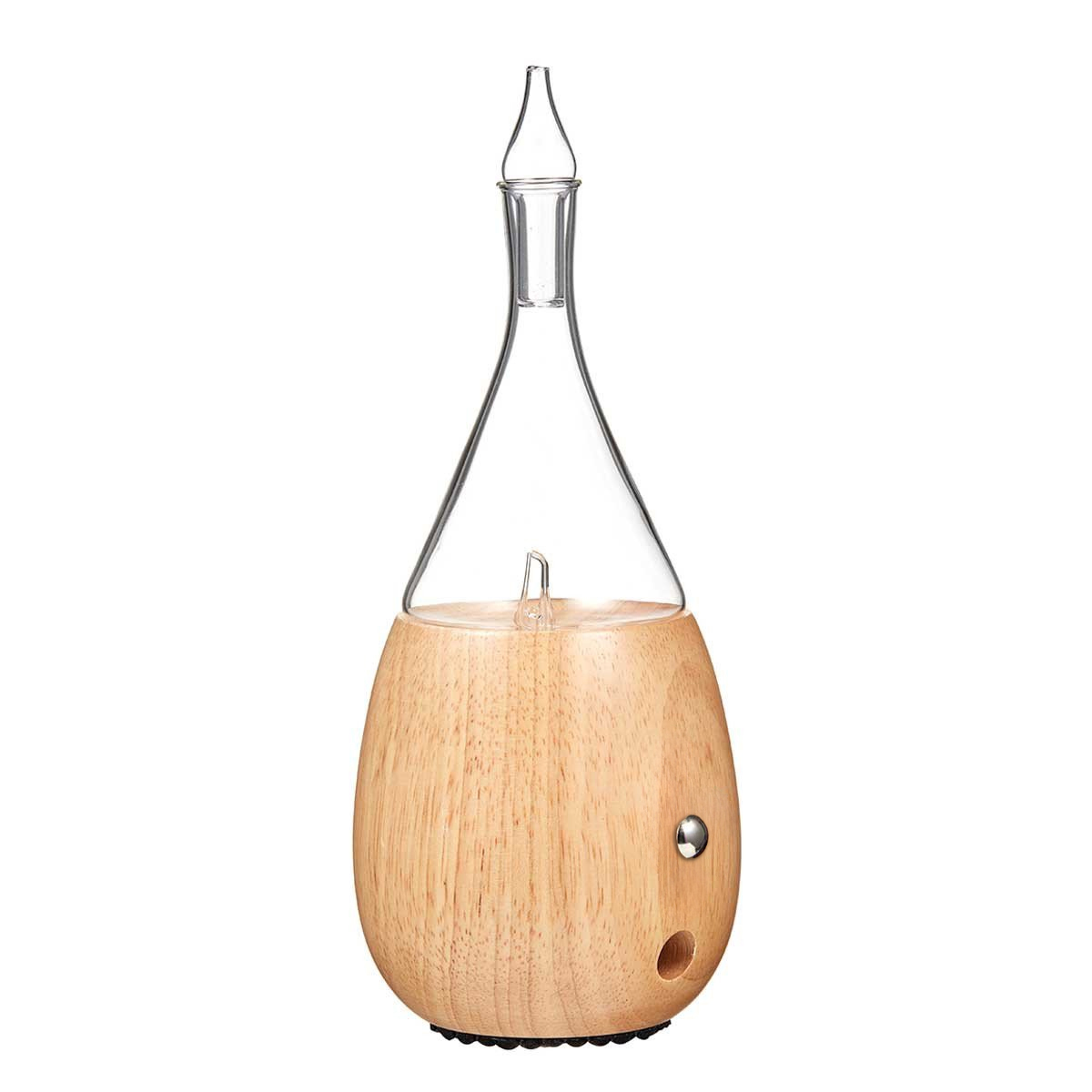
Keep Your Kitchen Fresh — the Pure Way
Disperse pure, undiluted essential oils as a whisper-quiet, water-free mist. Handcrafted from real wood and medical-grade Pyrex glass — no plastic, no heat.
Once your Nebulizing Diffuser® is part of the routine, keep it performing with our step-by-step cleaning guide.

Join Our Exclusive Member Club to get Big Discounts!
How to Keep Fruit Flies From Coming Back
Repelling the current wave of fruit flies is only half the battle — lasting relief comes from removing what drew them in and keeping a light aromatic deterrent in place. Fold these habits into your weekly routine:
- Store ripe produce in the fridge or under a mesh dome; a single overripe peach or banana is an open invitation.
- Empty and rinse the trash and recycling frequently — sugary residue in the bin is a prime breeding site.
- Flush drains weekly. Fruit flies breed in the organic film inside kitchen drains; a rinse of hot water followed by a few drops of clove or eucalyptus oil helps discourage them.
- Wipe down the fruit bowl and counters where juice and spills collect, then finish with a light peppermint or lemongrass wipe.
- Run a short diffusion cycle after meals so the repellent aroma is strongest exactly when kitchen smells peak.
Consistency beats intensity. A kitchen that is routinely clean and lightly scented with the right oils simply never becomes attractive enough for fruit flies to settle in.
Frequently Asked Questions About Essential Oils for Fruit Flies
What is the single best essential oil for fruit flies?
Peppermint is the most reliable all-rounder for home kitchens thanks to its high menthol content and strong repellent aroma. Lemongrass is a close second and doubles as a fresh kitchen scent.
Do essential oils actually kill fruit flies?
Essential oils are primarily repellents, not insecticides — they make your space unappealing so flies stay away and stop breeding there. To remove an existing swarm, pair a repellent Nebulizing Diffuser® blend with an apple-cider-vinegar catch trap placed well away from it.
How often should I diffuse to keep fruit flies away?
Short, frequent cycles work best: 15–20 minutes two or three times a day, especially after meals or when produce is ripening. A Nebulizing Diffuser® makes this effortless because it disperses pure oil quickly and evenly.
Why did essential oils seem to attract more fruit flies?
Almost always because the oil was mixed into a sugary or stagnant liquid base, which ferments and lures flies. Use pure oil dispersed into the air for repelling, and keep any attractant traps well separated.
Are essential oils safe to use around food?
Pure essential oils dispersed as an aroma are widely used in kitchens. Use them sensibly — diffuse into the air rather than directly onto food, keep oils out of reach of children and pets, and follow standard label guidance.
Can I use these methods if I have pets?
Yes, with care. Diffuse in a well-ventilated room, keep sessions short, and always give pets the ability to leave the space. Cats in particular are sensitive to certain oils, so run brief cycles and store all oils securely out of reach.
Final Thoughts: Your Fruit-Fly-Free Kitchen Starts With Pure Aromatherapy
Fruit flies navigate by scent, so the most elegant defense is to take that sense away from them. Reach for proven oils — peppermint, lemongrass, basil, clove, eucalyptus — and remember the lesson of the 82-oil study: it is the specific, intact aroma compounds that do the work, which is why purity and clean dispersion matter more than sheer quantity. Combine a repellent air strategy with smart surface cleaning and the occasional catch trap, and you will reclaim your fruit bowl the natural way. When you are ready to make pure aromatherapy an effortless part of the routine, a Nebulizing Diffuser® delivers your oils exactly as nature intended — undiluted, whisper-quiet, and beautifully effective.