

Ants and Essential Oil: 10 Proven Repellents + the Exact Spray Ratio That Works
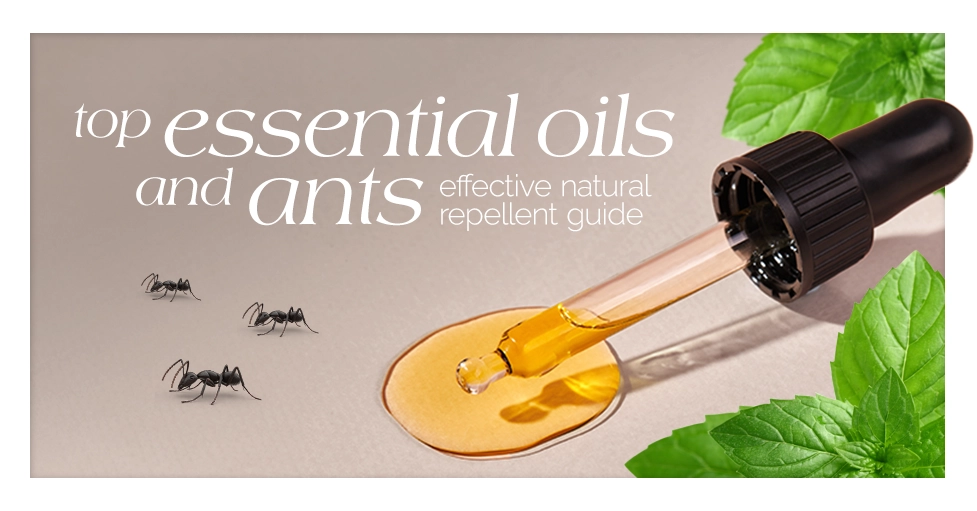
Ants and essential oil — two things that rarely share a sentence until the moment a line of scouts crosses your kitchen counter. If you’ve ever wondered whether a bottle of peppermint oil can actually stop ants, the answer is yes, and the mechanism is more specific than most guides explain. This guide covers the ten most effective essential oils for ants, the exact application ratios that work, why an ambient diffuser barrier outperforms a single spray, and how to use these strategies safely around pets and children.
Why Ants Invade — and Why a Scent-Based Repellent Works

Ants navigate almost entirely by chemical signals. Scout ants lay invisible pheromone trails when they find food or water, and forager ants follow those trails to the source. Disrupt the pheromone signal and you disrupt the entire foraging chain.
Essential oils contain volatile aromatic compounds — terpenes, phenols, and aldehydes — that interfere with ants’ olfactory receptors at a molecular level. Research published in Pest Management Science confirmed that several plant-derived volatiles (limonene, menthol, thymol, and cinnamaldehyde) directly suppress ant pheromone perception, not just masking the scent but blocking the receptor itself. Ants treated with these compounds become disoriented, abandon trails, and eventually stop foraging in the treated zone.
This is why essential oils work where surface-level deterrents (cayenne pepper, chalk lines) often fail — they don’t just block a physical path, they break the entire chemical communication system ants depend on. You can also use essential oils to clean the air in your home, removing the moisture and food-trace scents that first attract scout ants.
How Essential Oils Repel Ants: The Chemistry That Matters
Sign Up to Get Your FREE
e-Book Here…
Not all essential oils repel ants equally. The key variable is which volatile compound the oil is richest in, and how that compound interacts with ant neurobiology.
- Menthol (peppermint, spearmint): Binds to ant octopamine receptors — the invertebrate equivalent of the mammalian adrenergic system — causing extreme sensory overload. Concentrations above 1% in water-based spray are consistently effective. Our detailed breakdown of peppermint oil for ants covers why concentration matters more than the oil brand.
- Limonene (lemon, sweet orange, bergamot): Disrupts the waxy cuticle that protects ants from dehydration. A 2023 meta-analysis found limonene-rich oils among the most broadly effective across 14 ant species tested.
- Cinnamaldehyde (cinnamon bark): A natural insecticidal compound strong enough to disrupt ant colonies on contact. Lab studies recorded 100% trail abandonment with 2.5% cinnamaldehyde solutions within 30 minutes.
- Thymol (thyme): Acetylcholinesterase inhibitor — the same mechanism used in some synthetic pesticides, but at a fraction of the toxicity to mammals. Particularly effective against fire ants and Argentine ants.
- Eugenol (clove, cinnamon leaf): Strong contact repellent with rapid knockdown effect. Research shows eugenol disrupts both foraging and trail recruitment at concentrations as low as 0.25%.
10 Best Essential Oils for Ants (Ranked by Effectiveness)

Based on peer-reviewed field studies and patterns from years of customer aromatherapy use, here are the ten essential oils that perform most consistently against common household ant species.
1. Peppermint Essential Oil — The Go-To Ant Repellent
Peppermint’s high menthol content (35–55% in quality oils) makes it the single most reliable essential oil ant deterrent. It disrupts pheromone trails, overwhelms olfactory receptors, and deters re-entry for 6–8 hours at a 2% concentration. You can also use peppermint in a diffuser for ambient protection across a whole room.
2. Clove Bud Essential Oil — Strongest Contact Repellent
Eugenol (70–90% of clove bud oil) provides the fastest knockdown of any essential oil tested. Apply along baseboards or entry cracks for immediate effect. Keep well diluted (1%) and away from pets.
3. Lemon Essential Oil — Wide-Spectrum and Pet-Safer
Limonene (up to 70% of lemon oil) is broadly effective against carpenter ants, odorous house ants, and fire ants. See our full guide to lemon essential oil benefits for more on its versatility. Lemon oil refreshes easily; apply every 4–6 hours near entry points.
4. Cinnamon Bark Essential Oil — Trail Obliterator
Cinnamaldehyde attacks pheromone communication at the source. Studies show a 2.5% cinnamon bark spray erases established ant trails within minutes, forcing foragers to abandon and re-scout from zero. Use cinnamon bark oil specifically — cinnamon leaf has different compounds with lower ant-repellent efficacy.
5. Tea Tree Essential Oil — Dual-Mode Defense
Tea tree oil combines contact repellency with antifungal properties. It disrupts ant pheromones and addresses the mold patches that attract moisture-seeking ants. A smart dual-purpose pick for bathrooms and kitchens.
6. Eucalyptus Essential Oil — Long-Lasting Ambient Deterrent
1,8-cineole (up to 80% of globe eucalyptus) evaporates slowly, making it one of the longest-lasting ambient repellents. Particularly effective when diffused near windows and doors during peak ant season (late spring through summer).
7. Cedarwood Essential Oil — Entry-Point Guardian
Cedrol and cedrene create a residual repellent barrier that lasts 12–24 hours on porous surfaces like wood trim and door frames. One of the few essential oils consistently effective against carpenter ants specifically.
8. Bergamot Essential Oil — Citrus Blend Amplifier
Bergamot’s limonene and linalool profile disrupts both fire ant and odorous house ant foraging. Linalool appears to extend the duration of menthol’s repellent effect when combined with peppermint in blended sprays.
9. Thyme Essential Oil — Fire Ant Specialist
Thymol’s acetylcholinesterase inhibition is especially pronounced against fire ants. Research from the USDA Forest Service found thyme oil extracts outperformed several commercial repellents in fire ant suppression at 5% concentration. Avoid near cats.
10. Sweet Orange Essential Oil — Kitchen-Safe Forager Disruptor
Sweet orange oil’s limonene concentration (90%+) combined with its pleasant scent makes it ideal for kitchens and food prep areas. Reapply every 3–4 hours for active infestations.
DIY Essential Oil Ant Repellent Spray: The Tested Ratio
Join Now and Get a Coupon for 10% Off!
The most common mistake with essential oil ant sprays is using too low a concentration. Many online recipes call for 5–10 drops per cup of water — roughly 0.1–0.2%, far below the 1–2% threshold needed to disrupt pheromone reception effectively.
The Proven Spray Formula (250ml / 8oz bottle)
- 20 drops peppermint essential oil (2%)
- 10 drops clove bud essential oil (1%)
- 10 drops lemon or bergamot essential oil (1%)
- 1 teaspoon dish soap (emulsifier — essential oils don’t mix with water without it)
- 250ml water
Shake before each use. Spray directly on ant trails, around entry points, window sills, and door frames. Reapply every 6–8 hours during active infestations, daily for maintenance.
Why the emulsifier matters: Without dish soap, essential oils float on water and evaporate before reaching surfaces. The soap suspends the oil droplets, dramatically improving contact efficacy.
Creating an Ambient Barrier: The Nebulizing Diffuser® Approach
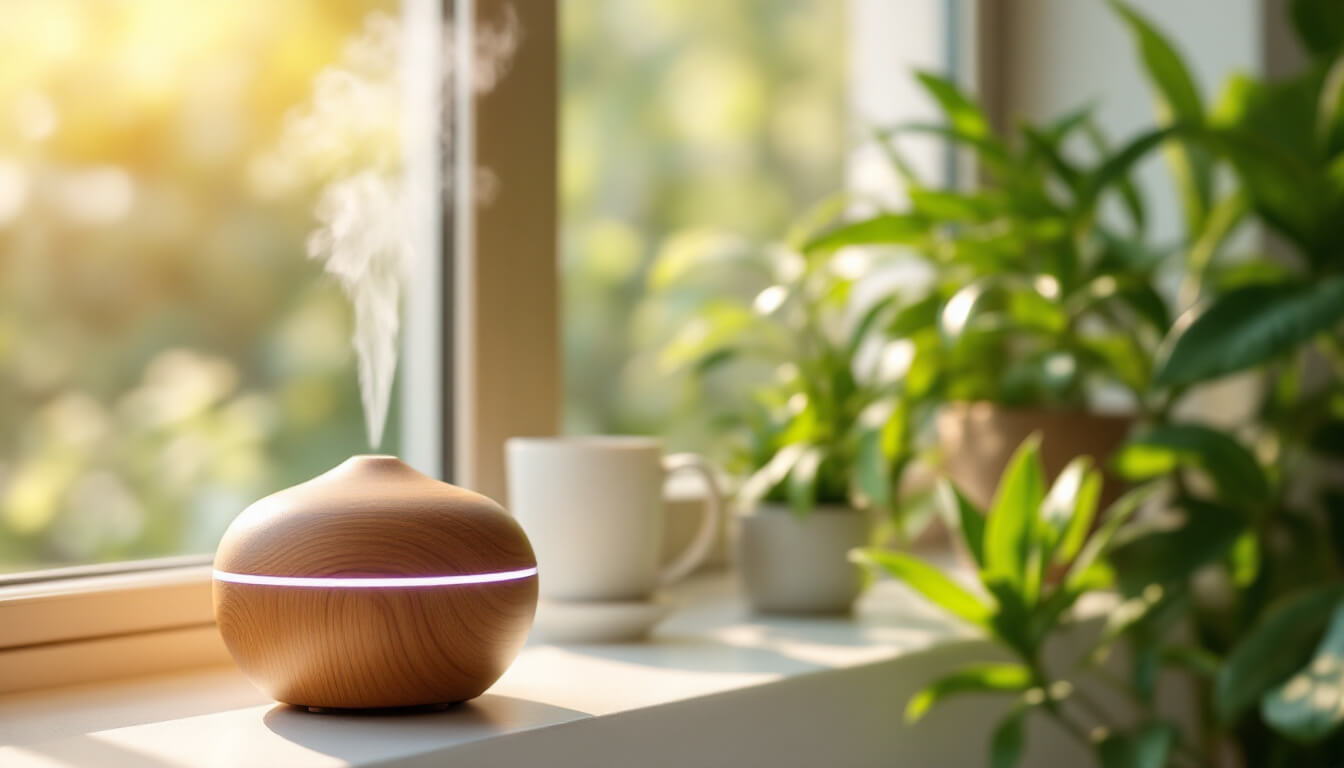
Spray is effective at entry points, but there’s a second-line defense worth knowing about: diffusing repellent essential oils through a room creates an invisible vapor barrier that makes the entire space uncomfortable for foragers.
Ants communicate via airborne pheromones as well as surface trails. When a room has elevated ambient concentrations of menthol, limonene, or eucalyptol, these volatile compounds compete with and suppress pheromone signals throughout the space — not just at one treated spot.
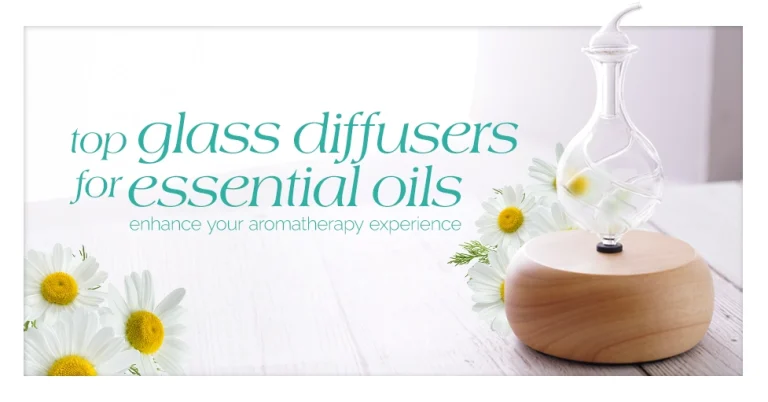
The key is using a Nebulizing Diffuser® rather than an ultrasonic model. Our detailed comparison of nebulizing vs ultrasonic diffusers explains the full difference, but the short version: ultrasonic diffusers dilute essential oils in water before dispersing them, reducing the active compound concentration. A Nebulizing Diffuser® atomizes pure, undiluted essential oil using Bernoulli’s Principle — preserving the full aromatic compound profile and delivering significantly higher ambient concentrations of the active repellent compounds.
Practical protocol: Run peppermint, eucalyptus, or a citrus blend for 30 minutes near where ants have been active. The ambient scent effect lasts 2–4 hours, creating a rotating deterrent zone without continuous spraying. This approach doubles as aromatherapy for you while it works against the ants — a genuinely pleasant pest deterrent.
Application Guide by Ant Entry Point

Join Our Exclusive Member Club to get Big Discounts!
Different ant species use different entry points. Matching your essential oil strategy to the entry point improves effectiveness significantly.
Kitchen Counters and Cabinets (Sugar Ants, Odorous House Ants)
These ants seek carbohydrates. Target: cabinet hinges, drawer gaps, behind the stove. Use peppermint or lemon spray along all surfaces. Clean with white vinegar first to remove existing pheromone trails, then apply your essential oil barrier.
Bathroom and Moisture Areas (Moisture Ants)
Target: under sink pipes, around toilet base, window sills. Tea tree oil spray is ideal here — it addresses both the ants and the mold they’re tracking to.
Baseboards and Wall Gaps (Carpenter Ants)
Carpenter ants follow wall cavities. Cedarwood oil applied to exposed wood trim and door frame gaps is most effective. Use a cotton ball soaked in cedarwood + clove blend and place near known entry cracks. Replace weekly.
Windows and Sliding Doors (Fire Ants, General Foragers)
Apply a more concentrated spray (3–4%) to the exterior of door frames and window sills. Reapply after rain. Thyme oil is particularly effective for fire ant species at these exterior application points.
Safety First: Pets, Kids, and Smart Application
Essential oils are potent concentrated compounds. What’s repellent to ants can also irritate pets and young children if applied carelessly. Here’s how to use them safely.
For a complete guide to which essential oils are safe around your animals, read our detailed resource on essential oils safe for pets — it covers both dogs and cats with specific oil-by-oil guidance. The quick rules for ant-repellent scenarios:
Dogs
Most essential oils used for ant control are tolerated well by dogs at low ambient concentrations. Avoid applying directly to dog bedding or surfaces they mouth frequently. Diffuse in ventilated spaces and ensure your dog can leave the room if they choose.
Cats
Cats lack the liver enzyme (glucuronyl transferase) that metabolizes certain terpenes. Avoid tea tree oil, clove, and thyme entirely in homes with cats. Our full guide to essential oils and pets explains which oils are the biggest risks. Citrus oils (lemon, sweet orange, bergamot) are safer choices around cats — and bonus: cats naturally dislike citrus scents, so they double as a deterrent.
Children Under 3
Stick to gentle diffusion of lemon or bergamot only. Avoid concentrated surface applications in play areas. For infants, diffuse only in rooms they’re not currently in.
Frequently Asked Questions
How long does essential oil ant repellent last?
On porous surfaces like wood trim, spray application lasts 6–8 hours. On non-porous surfaces (tile, glass), 3–4 hours. Reapply daily during active infestations. Diffused ambient application provides 2–4 hours of vapor coverage per 30-minute diffusion session.
Does peppermint oil kill ants or just repel them?
At normal household spray concentrations (1–3%), peppermint oil repels ants without killing them — it makes the environment intolerable, prompting retreat. At very high concentrations (10%+) applied directly, it can immobilize ants on contact, but this isn’t practical for home use. Essential oils are most powerful as a barrier and maintenance tool.
Which essential oil works best for sugar ants?
Peppermint and cinnamon bark are consistently most effective against odorous house ants (commonly called sugar ants). Use a combined spray: 20 drops peppermint + 10 drops cinnamon bark per 250ml water.
Can I use essential oils outdoors?
Yes, though you’ll need higher concentrations (3–4%) and more frequent reapplication due to sun, wind, and rain. Focus on specific entry points. Cedarwood and eucalyptus hold up best on outdoor surfaces. Avoid applying near ponds — limonene and thymol are mildly toxic to aquatic invertebrates.
Will essential oils eliminate an existing ant colony?
Essential oils alone will not eliminate an established colony — they’re deterrents, not exterminators. For active infestations, use the spray as a barrier while addressing root causes: seal entry cracks, eliminate food crumbs and moisture sources, and if necessary, use bait traps alongside the essential oil deterrent system.
The Bottom Line on Natural Ant Control
The most effective essential oil strategy for ants layers two approaches: a targeted spray to disrupt pheromone trails at known entry points, and ambient diffusion through a quality Nebulizing Diffuser® to create a whole-room scent field that makes foraging uncomfortable. Neither alone is as powerful as both together.
Start with peppermint and lemon — the most broadly effective and safest combination for homes with pets and children. Add cinnamon bark for sugar ant trails, cedarwood for carpenter ant pressure, and thyme for fire ant exposure. Within 48–72 hours of consistent application, you should see a measurable drop in foraging activity.
The essential oil approach works best as a maintenance system: clean existing trails with white vinegar, apply spray daily, diffuse preventively in peak season. It’s low-cost, non-toxic, and genuinely pleasant — your kitchen will smell like a spa while the ants keep their distance.