

The Best Carrier Oil for Essential Oils
Have you ever felt that dreamy lavender massage slip away after just a few breaths? A carrier oil—the neutral, fatty oil that dilutes essential oils for safe skin contact—keeps that pure aroma locked in and buffers your skin from full-strength extracts. Finding the best carrier oil for essential oils isn’t just about texture and scent, though; it’s about matching each oil’s own safety ceiling to a carrier that won’t fight it. Pressed from nuts, seeds, and fruits, carrier oils deliver fatty acids, vitamins, and antioxidants straight to your pores, and they don’t clog or leave a greasy feel.
Here we’ll explore the five best carrier oils to pair with your essential oils, the IFRA-informed dermal ceiling that no carrier oil can override, and when you can skip the carrier—and the math—altogether.
Quick answer: for most people, jojoba oil is the best carrier oil for essential oils overall—its wax-ester structure mirrors human sebum, it absorbs without clogging pores, and it resists rancidity for years instead of months. Chasing pure neutrality for a light perfume roll-on? Fractionated coconut wins that job instead. Chasing overnight scar and fine-line repair? Rosehip-argan takes it. The comparison below breaks down exactly when each pick earns the crown.
Comparing the Best Carrier Oil for Essential Oils: Top 5 Options
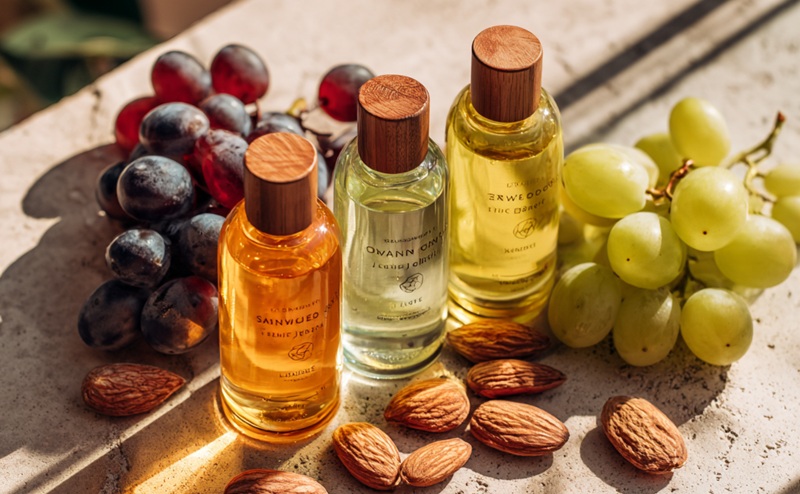
Carrier oils (also called fixed oils) come from the fatty parts of nuts, seeds, and kernels. These gentle vegetable oils don’t evaporate like essential oils – they help you spread strong extracts safely so your skin stays calm and gets every drop of goodness. Want to learn how cold-pressed oils hold on to more nutrients and organic purity? Check out types of carrier oils for essential oils. Think of these oils as a soft blanket for your aromatherapy and massage rituals.
When we pick a carrier oil, we look at its nutrient makeup like Omega-3, ‑6, and ‑9 fatty acids (healthy fats that feed your skin), plus fat-soluble vitamins (nutrients that blend right into oils) and antioxidants that protect your glow. You’ll also notice how fast it absorbs – quick for oily skin, slow for extra hydration – and how neutral it smells so your essential oil mist stays pure.
| Oil | Fatty Acid Profile (key fats) | Absorption Rate (skin soak time) | Aroma Neutrality (scent strength) |
|---|---|---|---|
| Jojoba | Omega-9 (a monounsaturated fat that mimics sebum) | Moderate-fast | High |
| Sweet Almond | Oleic (62%), Linoleic (25%) (healthy fats) | Medium | Moderate |
| Fractionated Coconut | Medium-chain triglycerides (light fats) | Fast | High |
| Grapeseed | Linoleic (~70%) (a polyunsaturated fat) | Fast | High |
| Avocado | Oleic (~65%), Linoleic (rich, nourishing fats) | Slow | Low |
Jojoba oil feels super smooth and ultra fine on the skin. It absorbs moderately fast, so it’s great for sensitive and acne-prone skin. And it resists rancidity (going bad), giving you months of fresh use. People often find jojoba the best carrier oil for essential oils.
Fractionated Coconut oil (a coconut oil processed to stay liquid) dries quickly on your skin. Its neutral scent lets your essential aromas shine. It’s feather-light, never greasy. Perfect for blends where you crave pure brightness—on skin, that is. (More on why it should stay off your Nebulizing Diffuser®’s reservoir a little further down.)
Grapeseed oil glides on and sinks in fast, thanks to high linoleic acid (a nourishing polyunsaturated fat). That makes it ideal for oily skin, helping balance excess shine. You’ll feel a light astringent touch, like a soft spring breeze. Then your essential oils can ripple out fresh.
Avocado oil is rich and creamy, slow to absorb so you get deep moisture. Its high oleic content (a fatty acid known for hydration) nourishes dry or mature skin layers. It’s like a hydrating blanket at bedtime. Soft, calming, it preps your skin for rest.
Sweet Almond oil slips on smoothly with medium absorption. Packed with vitamin E (a skin-loving antioxidant), it leaves a silky finish. It’s the go-to oil for massage or daily rituals. Imagine a gentle caress that invites you to unwind.
Jojoba Oil Carrier Benefits: Mimicking Skin’s Natural Oils
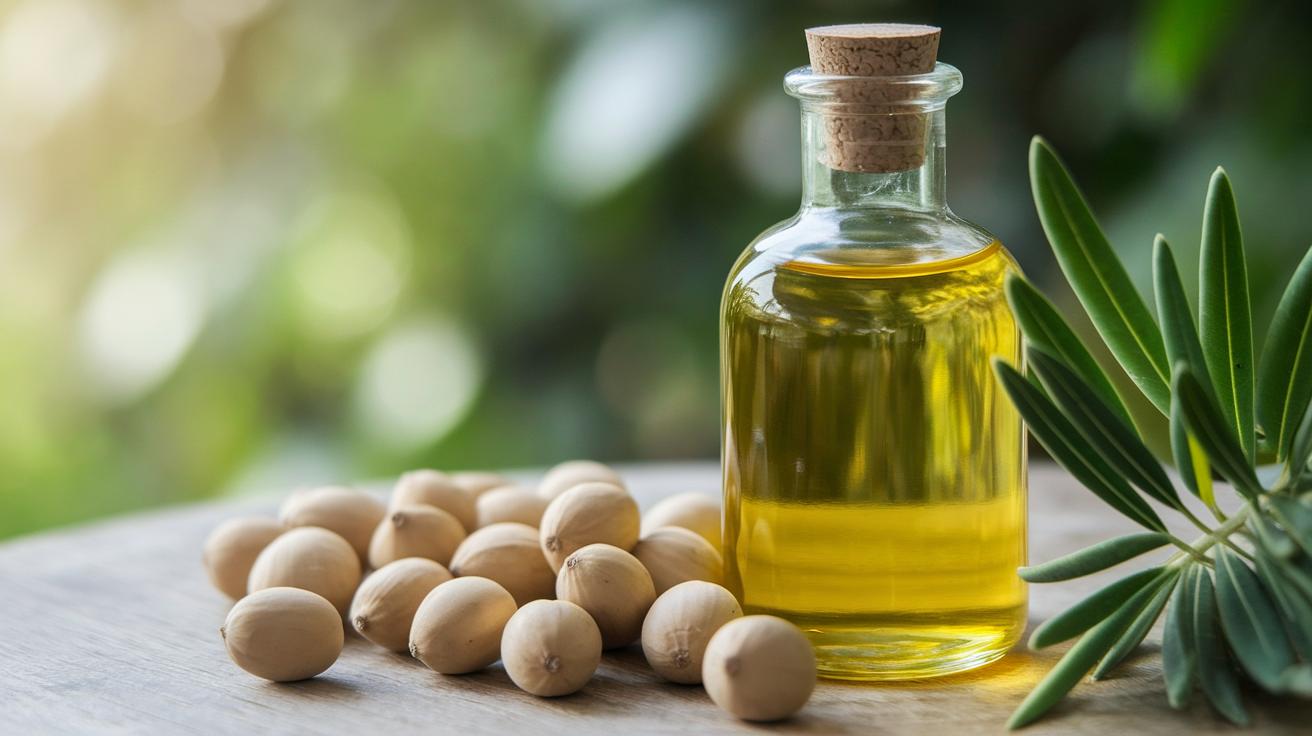
Jojoba oil is technically a wax ester – a liquid wax that closely resembles human sebum, making it highly compatible with the skin. Its blend of esters (natural fatty compounds) and fatty acids feels like an extension of your skin, no tug, just harmony. Each drop brings vitamins A, D, and E along with a gentle fungicidal (helps fight tiny microbes) touch that soothes and protects.
As a carrier oil (a neutral oil that carries essential oils into your skin) for sensitive skin, Jojoba Oil absorbs just right. It sinks in moderately fast, delivering your favorite essential oil extracts deep down without any greasy feel. This balance helps regulate sebum production, clears pores, and calms acne-prone spots. It’s heat-stable and stays fresh up to five years, so your blends never go off. If your skin runs reactive, pair this section with our best essential oils for sensitive skin guide before you blend.
Its molecular structure is very similar to human sebum, the natural oil our skin produces. This similarity helps jojoba oil:
- Balance skin’s oil production
- Absorb easily without clogging pores
- Be less prone to oxidation (giving it a long shelf life)
Aim for a 1 to 5 percent dilution of essential oils in jojoba oil for general use—about 5 to 6 drops per ounce at 1%, or 25 to 30 drops per ounce at 5%. But keep reading: that range is a starting point, not a universal rule. A handful of essential oils have their own maximum dermal percentage that sits well below 1%, no matter how gentle the carrier oil is.
For extra repair, mix Jojoba Oil with rosehip or castor oil in a 3:1 ratio. Your skin will drink it in, and the scent of your essential oils stays clear and bright with each use.
Sign Up to Get Your FREE Essential Oils e-Book Here
Sweet Almond and Fractionated Coconut: Neutral Carriers for Essential Oils
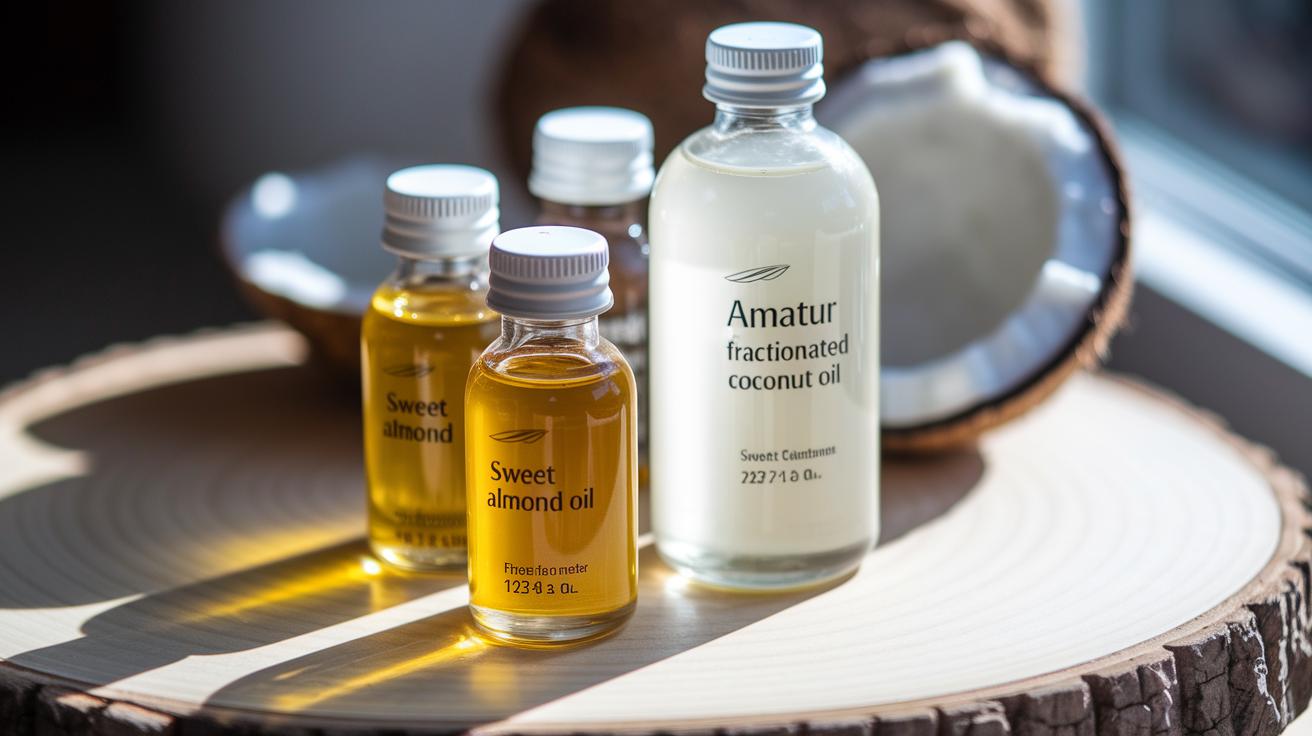
Sweet Almond Oil absorbs at a medium pace. It’s rich in oleic acid (a softening fat), linoleic acid (an omega-6 that helps protect your skin) and vitamin E. Fractionated Coconut Oil is a clear, odorless MCT oil (a light carrier oil that sinks in fast).
Next we aim for a safe 2 to 3 percent dilution in our blends. That’s about 10 to 15 drops of essential oil per ounce of carrier. This way your skin gets soothing benefits without any irritation.
- For a scalp pick-me-up, mix 12 drops of rosemary or peppermint oil into one ounce of fractionated coconut oil. Rub the blend in your palms until it feels warm, then massage gently at the roots. You’ll feel a fresh ripple of herbal aroma that sparks circulation and supports hair growth.
- For a calming body ritual, stir 15 drops of lavender or chamomile oil into one ounce of sweet almond oil. Glide it over tense muscles in slow, circular strokes. Breathe in the soft murmur of botanicals drifting across your skin.
| Recipe | Carrier Oil | Essential Oil | Dilution Ratio |
|---|---|---|---|
| Scalp Energizer | Fractionated Coconut Oil | Rosemary or Peppermint | 2% (12 drops per oz) |
| Calming Massage | Sweet Almond Oil | Lavender or Chamomile | 3% (15 drops per oz) |
One important distinction: fractionated coconut oil is an excellent skin carrier because it’s neutral-scented and fast-absorbing. It is not, however, a carrier for a Nebulizing Diffuser®. Those two jobs—skin dilution and room-scale mist—call for opposite tools, which is exactly why we corrected the old FAQ answer below.
Beyond the Carrier: Why Some Essential Oils Need Less Than 1% No Matter What You Dilute With
Most carrier-oil guides stop at “use 1 to 5 percent” as if every essential oil shares the same safety math. It doesn’t. The International Fragrance Association (IFRA) publishes maximum dermal-use percentages for individual essential oils based on their own irritation, sensitization, and phototoxicity data—figures aromatherapy safety references like Tisserand and Young’s Essential Oil Safety translate into practical dilution guidance. Swapping in a “gentler” carrier oil doesn’t move that ceiling by a single decimal point, because the limit is set by the essential oil’s chemistry, not the carrier’s.
A few examples of oils whose own dermal ceiling sits well under the “standard” 1 to 5 percent range:
- Cinnamon bark — roughly 0.07% max on skin, regardless of carrier, due to cinnamaldehyde’s strong sensitization risk.
- Cassia — similarly capped near 0.05%, one of the lowest ceilings of any commonly sold oil.
- Clove bud or leaf — around 0.5%, thanks to eugenol’s irritation potential at higher strengths.
- Cold-pressed bergamot (not the bergapten-free “FCF” version) — about 0.4%, because of phototoxic furanocoumarins that react with UV light on skin.
- Oregano — roughly 0.7%, driven by carvacrol content.
Compare that to jojoba or sweet almond oil themselves, which don’t carry a meaningful dermal ceiling of their own—they’re the buffer, not the risk. So the real recipe for a safe blend has two ingredients: pick a carrier oil that suits your skin type (from the profiles above), then check whether your specific essential oil has its own lower ceiling before you default to a flat percentage. A single-oil bottle with a printed safety note, or a supplier that discloses IFRA category information, saves the guesswork; that’s part of why we keep our Nebulizing Diffuser® collection and single-oil line paired with clear usage guidance.
Worth noting: all of this dermal math applies to skin contact. If your only goal is scenting a room, you can sidestep it entirely—a Nebulizing Diffuser® disperses pure, undiluted essential oil into the air using Bernoulli’s Principle, with no carrier oil and no skin exposure involved. See our full breakdown of Nebulizing Diffuser® vs ultrasonic diffuser for how that changes the safety conversation. (And if you’ve ever wondered whether you can pour a carrier-diluted roll-on into the reservoir itself, the answer is no—here’s exactly why.)
Join Now and Get a Coupon for 10% Off!
Grapeseed, Argan, and Avocado Oil Carrier Profiles
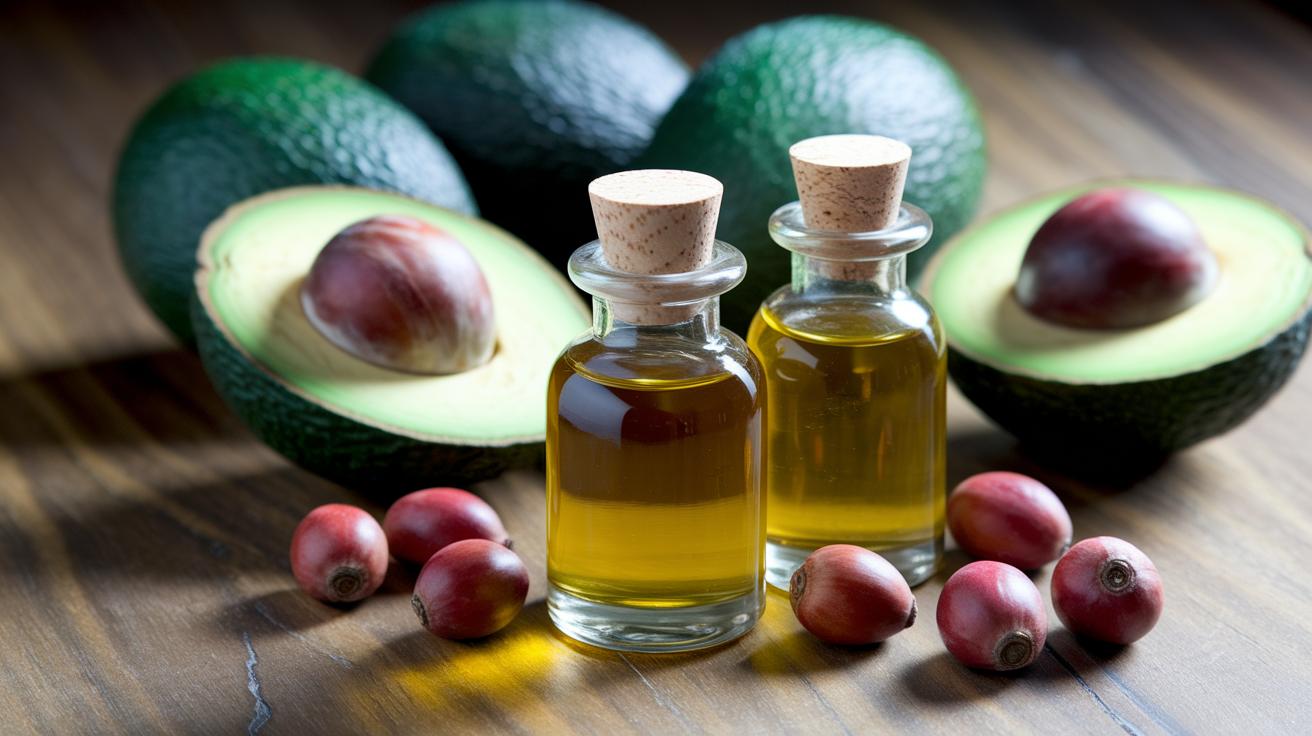
Grapeseed oil is feather-light and fast-absorbing, packed with linoleic acid (a fatty acid that helps balance oily skin). Have you noticed how it soaks in without leaving a greasy feel?
Avocado oil brings deep, slow hydration thanks to its high oleic acid (a nourishing fatty acid). It’s perfect for dry or mature skin, giving a rich, cushion-like feel.
Argan oil carries a gentle nutty scent and a balanced fatty-acid profile, about 50% oleic acid, 35% linoleic acid, plus palmitic and stearic acids. It’s loaded with antioxidants (vitamin E and phenolic compounds that protect skin cells), smoothing fine lines and boosting elasticity. Store it in a cool, dark spot and you’ll enjoy peak freshness for up to three years.
Mix rosehip oil (rich in linoleic and linolenic acids plus vitamin A for gentle cell renewal) with Argan or Jojoba oil to target scars, uneven tone, and fine lines. Its silky texture brings a subtle glow without clogging pores.
| Oil | Key Fatty Acids | Best for | Shelf Life |
|---|---|---|---|
| Grapeseed | ~70% linoleic acid | Oily, acne-prone | 6–12 months |
| Avocado | ~65% oleic acid | Dry, mature | 8 months (refrigerate) |
| Argan | 50% oleic, 35% linoleic acid | Mature, sensitive | 3 years |
| Rosehip | 44% linoleic, 30% linolenic acids | Scars, uneven tone | 6 months (fridge) |
Advanced Blends
Storage tips
- Keep oils in amber bottles away from heat and light
- Refrigerate rosehip and any avocado blends
Dilution ratios for a 1-oz (30 ml) base
- 2% dilution = 12 drops essential oil
- 5% dilution = 30 drops essential oil
Blend ideas
- Argan + Rosehip (1:1) with 4 drops frankincense for smoothing lines
- Rosehip + Jojoba (2:1) with 6 drops lavender for a daily glow
- Grapeseed + Rosehip (3:1) with 8 drops tea tree to help control blemishes
Tailoring Carrier Oil Selection to Skin Types and Aromatherapy Uses
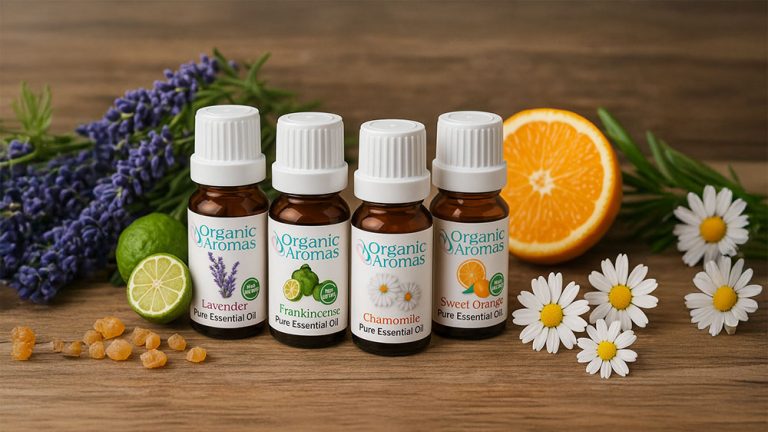
At Organic Aromas, we love helping you find pure carrier oils for your skin and aromatherapy (using plant scents to help your mood). Each one is cold-pressed (oil squeezed without heat to keep nutrients) and ethically sourced. Next, let’s explore three lesser-known oils and see which skin types they love.
| Carrier Oil | Feel & Soak-In | Best For |
|---|---|---|
| Hazelnut | Light and fast-soaking | Oily or acne-prone skin |
| Macadamia | Medium thickness, nourishing | Dry or mature skin |
| Shea | Rich and slow-soaking | Extra dry or flaky skin |
Ready to level up your blends? Your skin and senses will thank you.
- First, mix 1–2 drops of Blue Tansy (an essential oil high in chamazulene, a compound known for soothing redness) into each teaspoon of carrier oil. Watch the mist turn deep blue. It’s calming for skin that feels inflamed.
- Next, pour a few drops of hazelnut oil into your palms. Rub your hands together until you feel a soft, nutty warmth. Then press gently into your T-zone. Your skin will soak it up fast, leaving a matte feel.
- For an overnight glow, blend equal parts macadamia and shea oils. Stir in one drop of Blue Tansy. Sleep on it and wake up to plump, even skin.
- If you love a good massage, pour a little macadamia oil into your hands. Feel the soft slide as you move. Let the light sheen sink in for a gentle, lingering glow.
Experiment with these oil profiles and notice how each scent and texture ripples through your self-care ritual.

Join Our Exclusive Member Club to get Big Discounts!
Essential Oil Dilution Ratios and Carrier Oil Storage Best Practices
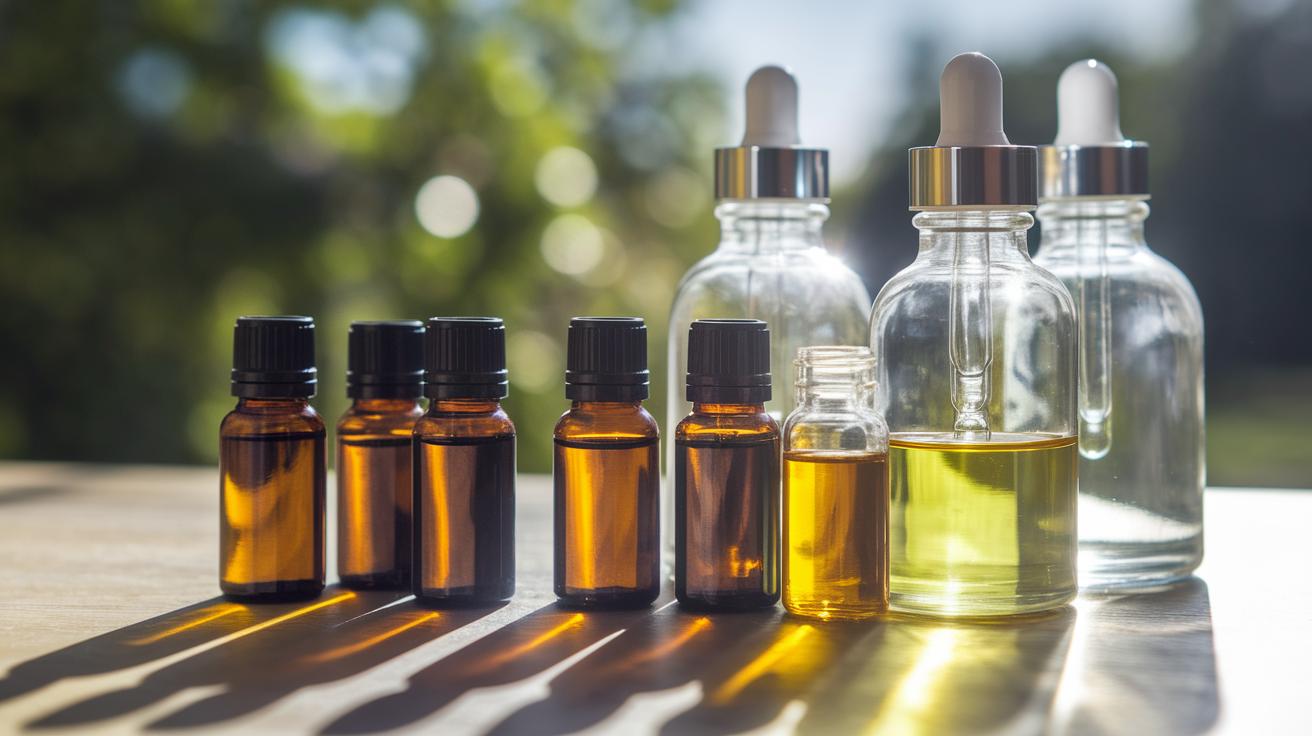
When you blend essential oils you want that aroma to drift softly around you and your skin to feel calm. It’s all about the dilution ratio (how many drops of essential oil you add per ounce of carrier oil (a neutral oil that carries the scent)). For a full worked chart, see our how to dilute essential oils guide, or run your exact blend through the essential oil dilution calculator to see the precise drop count.
| Blend Strength | Drops per Ounce | Notes |
|---|---|---|
| 2% (adults) | 10 drops | Patch-test (skin test) 24 hours before using. Use a clean glass bottle. Label with the date. Refrigerate heat-sensitive oils like rosehip. |
| 1% (kids, seniors, sensitive skin) | 5 drops | Patch-test (skin test) 24 hours before using. Use a clean glass bottle. Label with the date. Refrigerate heat-sensitive oils like rosehip. |
- Swirl the bottle gently so the oil drops disperse evenly.
- Label each mix with the date. Then store heat-sensitive oils like rosehip in the fridge.
For the Best Carrier Oil for Essential Oils Experiment!
We explored how carrier oils dilute essential oils, why nutrient profiles matter, which ones suit different skin types and uses, and why a handful of oils need far less than the “standard” 1 to 5 percent no matter which carrier you choose.
From jojoba’s sebum-like balance to sweet almond’s massage glide, and avocado’s deep hydration, each oil brings unique benefits—on skin. When your goal shifts from skin to room, a Nebulizing Diffuser® lets you drop the carrier oil entirely and diffuse the pure extract instead.
We also shared dilution ratios, storage tips, safety steps, and blend ideas. You now have clear criteria to choose the right blend—and the right method—for calm, focus, or pampering. Enjoy experimenting with your next custom mix to find the best carrier oil for essential oils.
Skip the Carrier Oil Math Entirely
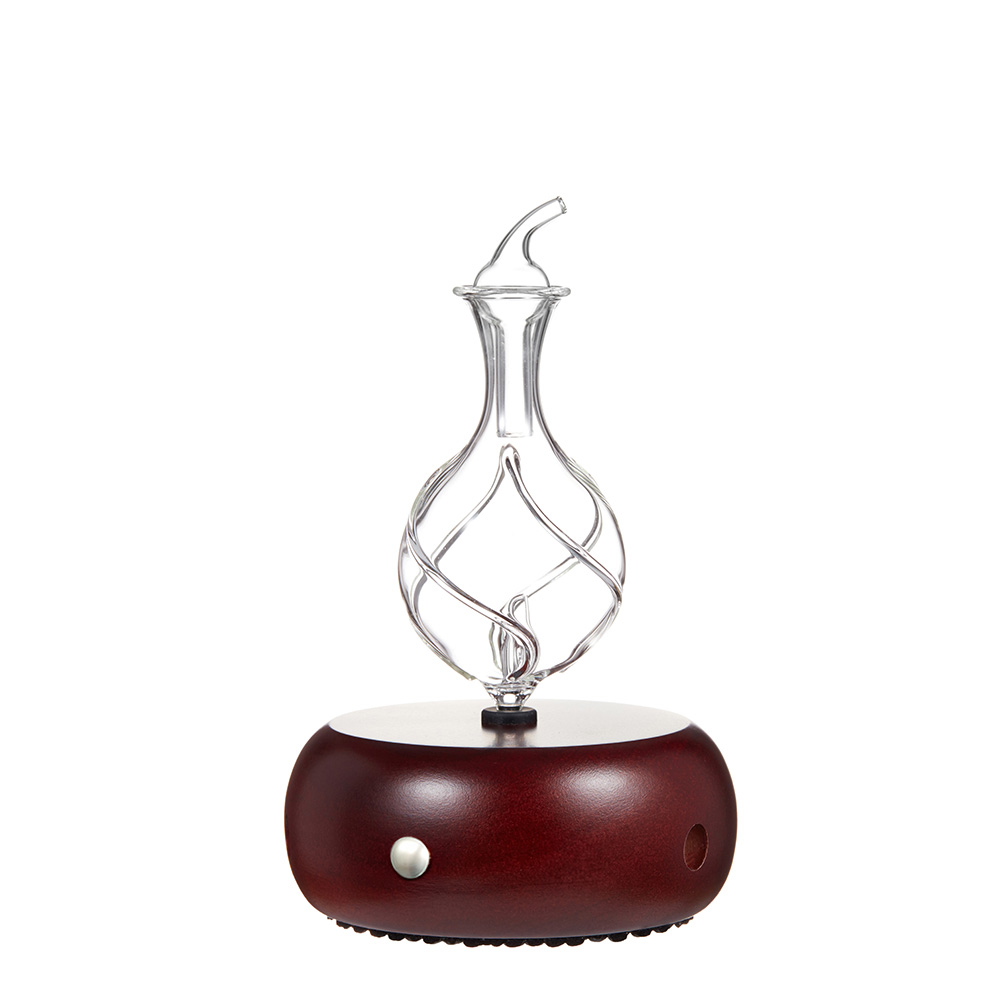
The Radiance Smart Nebulizing Diffuser® atomizes pure, undiluted essential oil with no carrier, no water, and no heat—just handcrafted wood and medical-grade Pyrex glass, controlled from your phone.
FAQ
Frequently Asked Questions
What is the best carrier oil for topical roll-ons and perfume rollers?
Fractionated coconut oil is the top choice for skin-worn roll-ons and perfume blends—it’s colorless, odorless, and holds scent well against skin. Important: this is a skin-only answer. Never add carrier oil of any kind to a Nebulizing Diffuser® reservoir—its viscosity clogs the micro-tubes that atomize pure oil, and the fix is a reservoir rinse, not more oil.
What is the best carrier oil for skin and face?
The best carrier oil for skin and face is jojoba oil. It mimics your skin’s natural sebum, absorbs at a moderate speed, and balances moisture without clogging pores or leaving a greasy feel.
List of carrier oils and their benefits
Common carrier oils include:
- Jojoba (mimics sebum)
- Sweet almond (rich in vitamin E)
- Grapeseed (light and astringent)
- Fractionated coconut (quick-absorbing)
- Avocado (deep hydration)
- Argan (anti-aging antioxidants)
What is the best carrier oil for hair?
The best carrier oil for hair is sweet almond oil. It’s rich in oleic acid and vitamin E, glides easily through strands, adds shine, and helps strengthen roots without weighing hair down.
Which carrier oil is best absorbed by the skin?
Fractionated coconut oil is best absorbed by the skin. Its medium-chain triglycerides let it sink in fast, leaving skin soft and non-greasy—ideal for massage or daily hydration.
Does a lower-irritation carrier oil let me use more of a strong essential oil?
No. Maximum dermal-use percentages (per IFRA-informed safety references) are set by the essential oil’s own chemistry—things like cinnamon bark, cassia, clove, and cold-pressed bergamot carry a low ceiling regardless of which carrier oil you dilute them in.
What is the 30/50/20 rule for essential oils?
The 30/50/20 rule means you blend 30% top notes, 50% middle notes, and 20% base notes. This balance creates a well-rounded scent that unfolds beautifully over time.