

Essential Oils for Aromatherapy: The Complete Guide to Scents, Benefits, and Blends
The world of aromatherapy begins with a single breath. Inhale the floral sweetness of lavender, the cool clarity of peppermint, or the warm depth of frankincense and you begin to understand why essential oils for aromatherapy have been cherished for thousands of years. These concentrated plant extracts do more than smell beautiful; they interact with your limbic system, the brain region that governs emotion, memory, and mood.
Whether you are brand-new to essential oils or looking to deepen your practice, this guide covers everything: the science behind aromatherapy, the best oils to start with, blending techniques, diffuser selection, and safety essentials. By the end you will have the knowledge and confidence to create an aromatic sanctuary in your own home.
What Are Essential Oils? Understanding Nature’s Aromatic Compounds
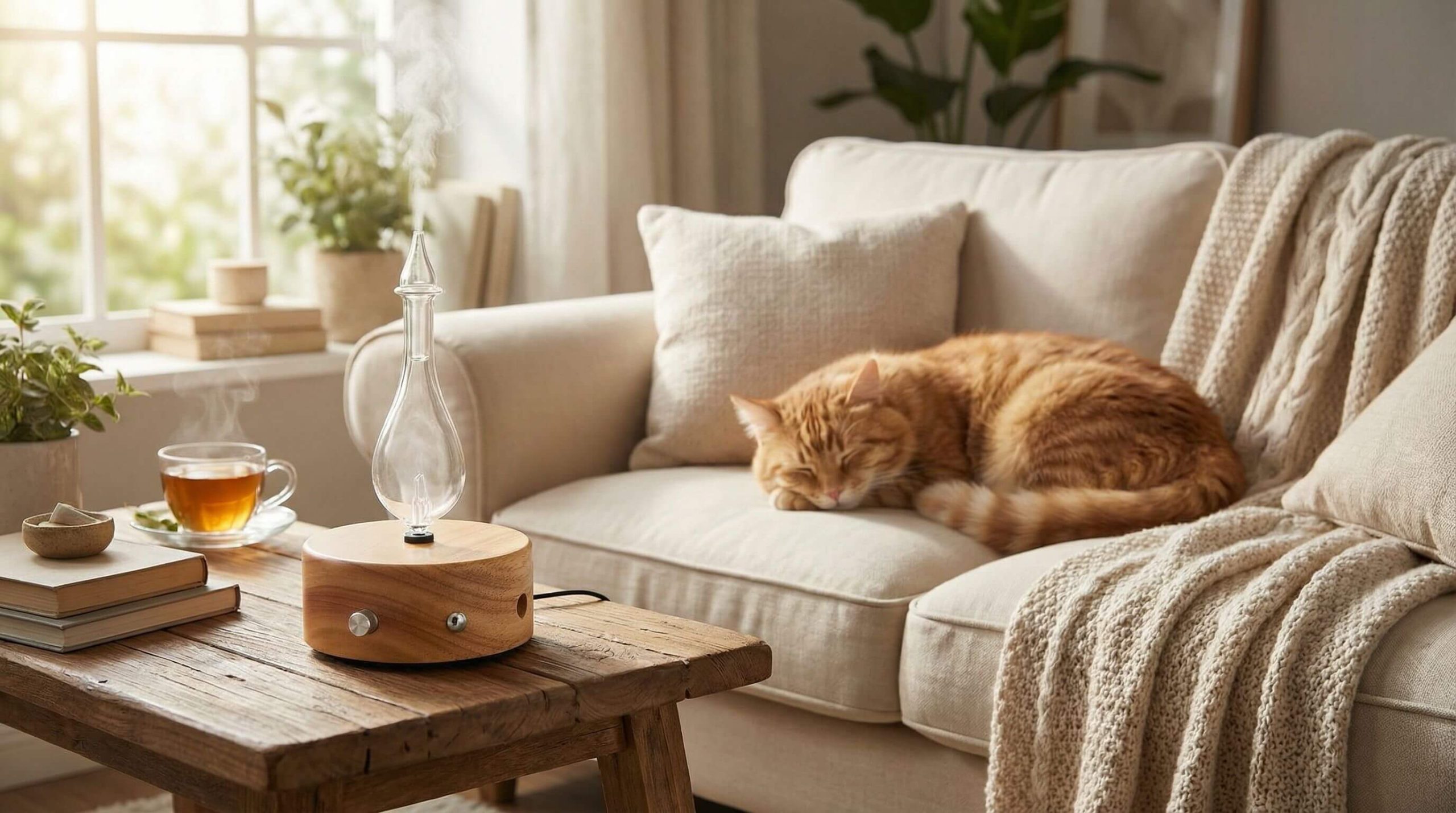
Essential oils are highly concentrated volatile compounds extracted from flowers, leaves, bark, roots, and resins of aromatic plants. Unlike fragrance oils, which are synthetically manufactured, true essential oils retain the full chemical complexity of their botanical source, sometimes containing over 300 individual compounds in a single drop.
The most common extraction methods include steam distillation for hardy plant material like rosemary and tea tree, cold-pressing for citrus peels such as lemon and sweet orange, and solvent extraction for delicate petals like neroli and rose. The method matters because it determines the purity, potency, and therapeutic value of the final oil.
When you choose 100 percent pure essential oils for aromatherapy, you gain access to nature’s pharmacy in its most undiluted form. Quality sourcing, transparent testing such as GC-MS analysis, and proper storage in dark glass bottles all ensure that the oils you breathe deliver genuine benefits rather than empty fragrance.
Each plant family produces essential oils with distinct characteristics. Citrus oils like lemon, sweet orange, and bergamot are known for bright, uplifting aromas that energize and refresh. Floral oils such as lavender, ylang ylang, and chamomile offer soothing properties ideal for relaxation and emotional balance. Woody oils including cedarwood, ho wood, and patchouli provide grounding warmth that deepens meditation and promotes a sense of stability.
The Science of Aromatherapy: How Essential Oils Affect Your Well-Being
Aromatherapy is not simply about pleasant scents. When you inhale essential oil molecules, they travel through the olfactory nerve directly to the limbic system, the brain region responsible for emotions, memory, and autonomic functions like heart rate and breathing. This neurological shortcut explains why a whiff of lavender can calm anxiety within minutes while a burst of peppermint sharpens focus almost instantly.
A 2022 systematic review published in the Journal of Clinical Medicine confirmed that lavender inhalation significantly reduces perceived stress and anxiety in clinical settings. Separate studies have shown that peppermint improves cognitive performance and alertness, while sweet orange oil reduces cortisol levels in dental patients awaiting procedures.
The delivery method plays a crucial role. A nebulizing diffuser atomizes pure essential oil into micro-fine particles without heat or water, preserving every therapeutic compound. This means the air you breathe carries the oil’s full aromatic and functional profile, making nebulization one of the most effective ways to practice aromatherapy at home.
Sign Up to Get Your FREE
e-Book Here…
Top 10 Essential Oils for Aromatherapy Beginners
Building your aromatherapy collection starts with versatile oils that serve multiple purposes. Here are ten essential oils every beginner should consider:
1. Lavender — The undisputed queen of aromatherapy. Lavender promotes relaxation, eases tension, and supports restful sleep. Its soft, floral-herbaceous scent blends beautifully with almost every other oil.
2. Peppermint — Cool, invigorating, and clarifying. Peppermint boosts mental focus and freshens any room in seconds.
3. Tea Tree — Known for its purifying properties, tea tree is a household essential for clean, fresh-smelling air.
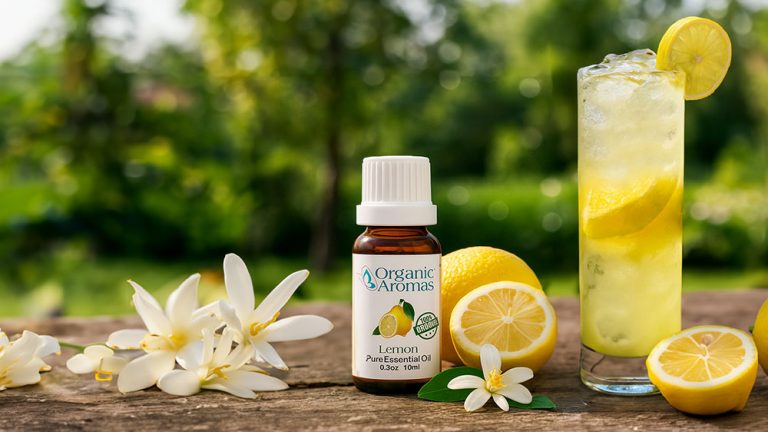
4. Lemon — Bright and uplifting, lemon cuts through stale air and inspires a cheerful mood.
5. Sweet Orange — Warm, citrusy, and comforting. Sweet orange blends well in relaxation and energy formulas alike.
6. Frankincense — Revered since ancient times, frankincense grounds the mind and deepens meditation practices.
7. Cedarwood — Warm and woody, cedarwood supports calm focus and pairs wonderfully with floral oils.
8. Bergamot — Citrusy yet complex, bergamot is prized for its mood-lifting and stress-relieving qualities.
9. Rosemary — Herbaceous and stimulating, rosemary supports memory and concentration during study sessions.
10. Ylang Ylang — Exotic and richly floral, ylang ylang calms nervous tension and adds depth to any blend.
When purchasing essential oils for aromatherapy, always look for oils that are 100 percent pure, therapeutic grade, and sourced from reputable suppliers. Check for GC-MS test results, which confirm the oil’s chemical composition and purity. Avoid oils labeled simply as “fragrance oil” or “perfume oil,” as these are synthetic and lack therapeutic benefits. A quality essential oil will list the botanical name, country of origin, and extraction method on the label.
How to Use Essential Oils for Aromatherapy at Home
Aromatherapy is wonderfully accessible, and there are several effective methods to enjoy essential oils at home. The technique you choose determines how quickly and intensely you experience the oil’s benefits.
Nebulizing Diffusion (Most Effective)
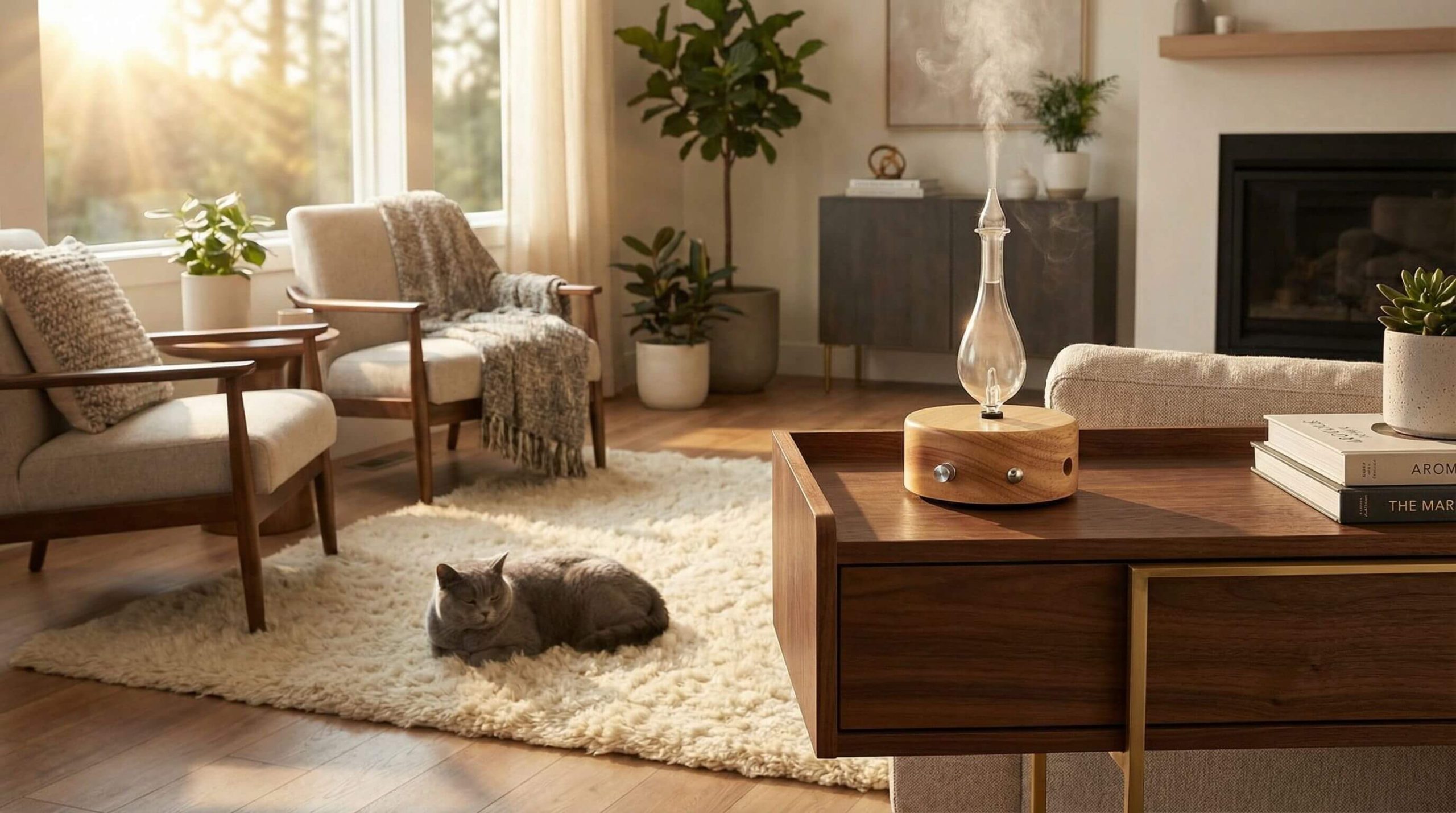
A nebulizing diffuser uses pressurized air to break essential oils into ultra-fine particles, dispersing them into a room without heat or water. Because no heat is applied, every therapeutic compound reaches your senses intact. The Raindrop 3.0 is ideal for beginners thanks to its one-touch operation and handcrafted wood base that complements any decor.
Steam Inhalation
Add 3 to 5 drops of essential oil to a bowl of hot water, drape a towel over your head, and breathe deeply for 5 to 10 minutes. This method is excellent for respiratory support during congestion.
Topical Application
Dilute essential oils in a carrier oil such as jojoba or sweet almond before applying to the skin. A typical dilution ratio is 2 to 3 percent, which translates to about 12 drops of essential oil per ounce of carrier oil.
Aromatic Bath
Blend a few drops of lavender or clary sage with a tablespoon of carrier oil or Epsom salts, then add to a warm bath. The combination of warm water and aromatic steam creates a deeply relaxing experience. For more ideas, explore our guide on essential oils for relaxation.
Sign Up to Get Your FREE Essential Oils e-Book Here
Essential Oil Blending: Creating Your Perfect Aromatherapy Experience
Blending essential oils is both an art and a science. The secret lies in understanding scent notes, the way top, middle, and base notes interact to create a harmonious aroma that unfolds over time.
Top Notes evaporate quickly and create the first impression. Think lemon, peppermint, and sweet orange. Middle Notes form the heart of the blend and last longer. Lavender, rosemary, and rose geranium are classic middle notes. Base Notes are rich, deep, and linger the longest. Cedarwood, vetiver, and patchouli anchor a blend beautifully.
Three Beginner-Friendly Blends to Try:
Calm Evening — 3 drops lavender, 2 drops bergamot, 1 drop cedarwood. This blend eases the transition from a busy day into restful evening.
Morning Focus — 3 drops peppermint, 2 drops lemon, 1 drop rosemary. Bright and clarifying, perfect for a home office. Try it in the Magnificent diffuser to fill a large workspace.
Spa Retreat — 2 drops ylang ylang, 2 drops sweet orange, 2 drops frankincense. Luxurious and grounding, ideal for self-care evenings.
A good rule of thumb when blending is the 30-50-20 ratio: 30 percent top notes, 50 percent middle notes, and 20 percent base notes. This creates a well-balanced aroma with an inviting first impression, a substantial heart, and a lingering finish. Start with small batches of 6 to 10 total drops, test the blend in your diffuser, and adjust ratios until you find your signature scent. Keep a blending journal to record your favorite combinations so you can recreate them with confidence.
Choosing the Right Diffuser for Your Aromatherapy Practice
The diffuser you choose directly impacts how effectively you experience essential oils for aromatherapy. Not all diffusers are created equal, and the technology behind them matters more than most people realize.
Nebulizing Diffusers — The gold standard for aromatherapy purists. These waterless devices atomize pure essential oil into a fine mist using Bernoulli’s principle, delivering the oil’s complete chemical profile to your senses. Because they use no heat and no water, there is zero dilution and zero thermal degradation. The Radiance is a beautiful option for bedrooms, featuring a hand-blown glass reservoir and warm ambient light.
Ultrasonic Diffusers use vibrations to create a cool mist from water mixed with a few drops of oil. While affordable, they heavily dilute the essential oil and can raise humidity, which may not be desirable in tropical climates. Learn more in our comparison of nebulizing vs ultrasonic diffusers.
Heat Diffusers and Reed Diffusers offer simplicity but sacrifice potency. Heat can alter delicate compounds, and reeds provide only passive, localized scent. For anyone serious about therapeutic aromatherapy, a nebulizing diffuser like the Aurora delivers the most complete experience.
Join Our Exclusive Member Club to get Big Discounts!
Safety Tips and Best Practices for Aromatherapy
Essential oils are powerful, and responsible use ensures that your aromatherapy practice remains enjoyable and safe for everyone in your household, including children and pets.
Dilute before topical use. Never apply undiluted essential oil directly to skin. Always blend with a carrier oil such as jojoba, sweet almond, or coconut oil. A 2 percent dilution is standard for adult use.
Ventilate your space. Even when diffusing, ensure good airflow. Run your diffuser in intervals of 30 to 60 minutes on, then 30 to 60 minutes off, rather than continuously.
Pet safety. Cats and birds are particularly sensitive to certain essential oils including tea tree, eucalyptus, and clove. If you share your home with animals, research each oil before diffusing and always provide an exit route so pets can leave the room. Read our detailed guide on essential oils safe for cats and essential oils safe for dogs.
Store correctly. Keep oils in dark glass bottles, tightly sealed, and away from heat and sunlight. Citrus oils oxidize faster, so store them in the refrigerator to extend their shelf life. Quality storage protects your investment and ensures consistent aromatherapy results over time.
Children and pregnancy. Some essential oils are not recommended for young children or during pregnancy. Lavender and chamomile are generally considered gentle choices, but always consult a qualified aromatherapist or healthcare provider before using essential oils around infants or during pregnancy. When diffusing in shared spaces, start with shorter sessions and fewer drops to gauge sensitivity.
Begin Your Aromatherapy Journey Today
Essential oils for aromatherapy offer a natural, time-tested path to greater calm, sharper focus, and a more inviting home. Whether you start with a single bottle of lavender or dive into blending your own signature scent, every breath brings you closer to the benefits these remarkable plant compounds provide.
The key to a truly rewarding aromatherapy experience lies in two choices: high-quality, pure essential oils and a delivery method that preserves their integrity. A handcrafted nebulizing diffuser transforms every drop of oil into a fine, therapeutic mist, filling your space with pure aromatic bliss, no water, no heat, no compromise. Explore the Tranquility for your bedroom retreat or the Opulence for an elegant living room statement, and discover what true aromatherapy feels like.