


Diffuser vs Humidifier: Why a Waterless Nebulizing Diffuser Sidesteps Mold and White Dust
The question “diffuser vs humidifier” sounds simple, and almost every guide answers it the same way: a humidifier adds moisture, a diffuser adds scent, pick whichever you need. That answer is not wrong, but it hides the detail that actually decides which device belongs in your home. Most articles quietly compare a humidifier to an ultrasonic diffuser, and an ultrasonic diffuser is really a small humidifier that happens to carry a little fragrance. The moment you realize there are three machines in this conversation, not two, the whole comparison changes.
This guide separates the three: the humidifier, the ultrasonic diffuser, and the waterless Nebulizing Diffuser®. We will cover what each one physically does to the air, the single humidity number that tells you whether you even need a humidifier, and the mold and white dust problem that follows any device built around a water tank. By the end you will know exactly which machine solves your problem, and why running the wrong one can create a new one. Organic Aromas has spent more than twelve years listening to over 200,000 customers describe what they actually wanted from the air in their homes, and the confusion almost always traces back to this one mix-up.
What a Humidifier Actually Does (and the Humidity Number That Matters)

A humidifier has one job: raise the amount of water vapor in the air. It does this by holding a reservoir of water and pushing that water into the room as vapor or fine mist, using heat, a spinning disc, a wicking filter, or an ultrasonic plate. The output is measured in how much it lifts your relative humidity, and that number is the whole point of owning one. Nothing about a humidifier is designed to carry aroma. Any scent you get from it is incidental and, as we will see later, usually a mistake.
Here is the number worth memorizing. Indoor relative humidity is most comfortable and healthiest between 30 and 50 percent, a range echoed by both the Environmental Protection Agency and the Mayo Clinic. Below 30 percent, the air feels dry: think static shocks, chapped lips, a scratchy nose in winter when the heating runs. Above 50 percent, you tip the other way, because dust mites thrive and mold finds the moisture it needs to spread. A humidifier is the right tool only when a hygrometer, a five dollar humidity gauge, actually shows you sitting under that 30 percent line. If your air is already in range, adding a humidifier does not make things better. It pushes you toward the damp end of the scale where new problems begin.
This is why “diffuser vs humidifier” is the wrong framing for a lot of people. They do not have a moisture problem at all. They want their home to smell clean, calm, or inviting, and they reached for a humidifier because the label promised aromatherapy. If your goal is scent, humidity is a side effect you may not want. If your goal is genuinely dry air, then you want a humidifier and no amount of fragrance changes that. Naming your actual goal first saves you from buying the wrong machine. For a deeper look at matching a device to a specific room, our guide on the essential oil diffuser for a large room walks through how coverage really works.
What a “Diffuser” Actually Does: Two Very Different Machines Under One Name
The word “diffuser” is where the confusion lives, because it covers at least two devices that work in completely different ways. Lumping them together is exactly why the typical diffuser vs humidifier comparison goes sideways. If you do not separate them, you end up comparing a humidifier to a machine that is half humidifier already.
The first type is the ultrasonic diffuser. It holds a small water reservoir, you add a few drops of essential oil, and a ceramic plate vibrates roughly two million times per second to shatter the water and oil into a cool mist. That mist is mostly water. In other words, an ultrasonic diffuser is a tiny humidifier that carries a whisper of scent. It genuinely adds moisture to a room, just not very much, and the oil is heavily diluted before it ever reaches your nose. If you want to understand this device on its own terms, our complete guide to the ultrasonic diffuser for essential oils covers its strengths and trade-offs.
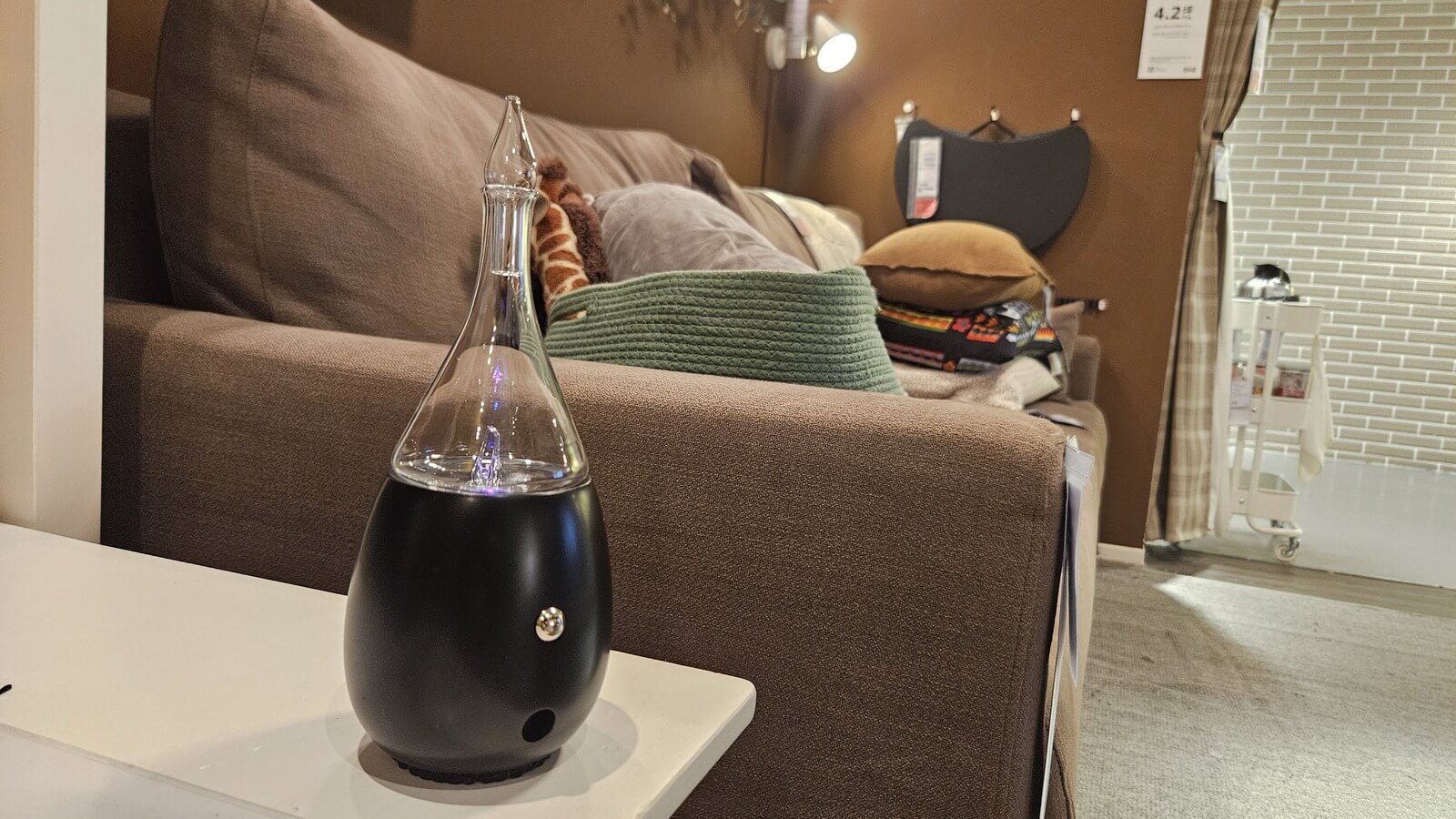
The second type is the Nebulizing Diffuser®, and it shares almost nothing with the first except the word on the box. There is no water and no heat. Instead it uses Bernoulli’s principle: a gentle stream of pressurized air passes across the top of a small glass tube, and the drop in pressure draws pure essential oil up the tube and atomizes it into an ultra-fine cold mist of undiluted oil. Nothing is added to the oil and nothing is cooked out of it. The room receives the aroma at full strength, and the relative humidity does not move at all. Our explainer on the waterless diffuser and Bernoulli’s principle shows the mechanism in detail.
So when someone asks whether a diffuser adds humidity, the honest answer is: it depends entirely on which diffuser. An ultrasonic model adds a little. A nebulizing model adds none. That single fork in the road decides how the rest of this comparison plays out, and it is the part almost every other article skips. If you want the head-to-head between the two diffuser types, we cover it in nebulizing diffuser vs ultrasonic diffuser.
Sign Up to Get Your FREE
e-Book Here…
Diffuser vs Humidifier: A Side by Side That Accounts for Both Diffuser Types
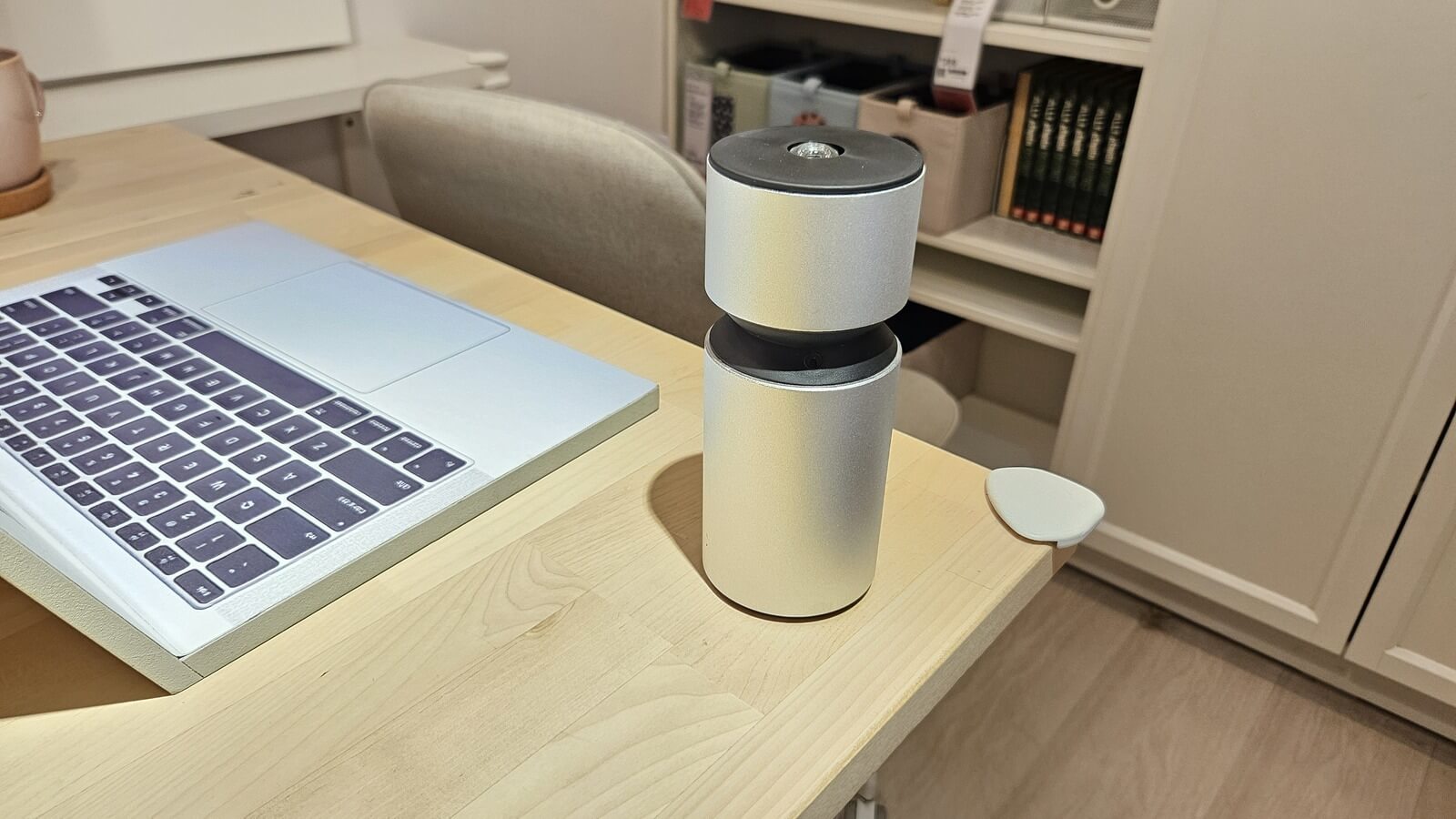
Now that the three machines are on the table, the differences line up cleanly. Notice that the ultrasonic diffuser sits in the middle, sharing traits with both neighbors, which is precisely why it gets mistaken for a humidifier so often.
| Trait | Humidifier | Ultrasonic Diffuser | Nebulizing Diffuser® |
|---|---|---|---|
| Primary purpose | Add moisture | Light scent plus a little moisture | Pure scent, no moisture |
| Uses water | Yes, large tank | Yes, small reservoir | No water at all |
| Raises humidity | Significantly | Slightly | Not at all |
| Oil concentration in air | None by design | Diluted in water mist | Undiluted, full strength |
| Heat involved | Warm-mist types only | No | No |
| Main upkeep | Frequent tank cleaning | Rinse reservoir often | Occasional alcohol rinse of the glass |
| Best for | Dry winter air, under 30 percent humidity | Gentle background aroma in a small room | True aromatherapy at any strength |
Read across the “raises humidity” row and the real distinction jumps out. If your problem is dry air, only the humidifier meaningfully fixes it, and an ultrasonic diffuser is a weak substitute at best. If your problem is that your home does not smell the way you want, the Nebulizing Diffuser® delivers the aroma without touching your humidity, so you are never forced to trade damp air for a nice scent. The ultrasonic option tries to do both jobs and does neither one fully, which is a fine compromise for some and a frustration for others. To see how these categories map onto real buying decisions, our overview of essential oil diffusers and how to choose the right type is a useful companion.
The Mold and White Dust Problem: Why Water Is the Weak Point
Any device with a water tank inherits two problems that a waterless Nebulizing Diffuser® simply does not have. Both are worth understanding before you commit to a humidifier or an ultrasonic diffuser, because they show up in maintenance, in air quality, and in how often you find yourself scrubbing a reservoir.
The first is white dust. Tap water carries dissolved minerals, and an ultrasonic device does not know the difference between water and minerals. It aerosolizes both. Those minerals then drift out with the mist and settle across your furniture and floor as a fine white film, and because the particles are so small they can also hang in the air. The Environmental Protection Agency has specifically flagged this fine particulate from ultrasonic humidifiers and recommends using distilled water, which contains far fewer minerals, to reduce it. An ultrasonic diffuser filled from the kitchen tap has the same vulnerability on a smaller scale.
The second is standing water. A tank that stays wet between uses is an open invitation for mold and bacteria to form a slick biofilm on the inside surfaces, and once that starts, every misting session can carry a little of it into the room. This is why humidifier instructions insist on emptying, drying, and disinfecting the tank on a schedule most people never keep. Skip the cleaning and the device that was supposed to improve your air starts working against it. If you want to go deeper on the safety questions around water-based units, our piece on the ultrasonic diffuser for essential oils covers upkeep in detail.
A Nebulizing Diffuser® sidesteps both problems by design, because there is no water in the system to carry minerals or grow anything. There is nothing to aerosolize but the essential oil itself, and cleaning is as simple as an occasional rinse of the glass reservoir with a little high-proof alcohol. If white dust and tank scrubbing are the reasons you have soured on diffusers before, the waterless approach removes the cause rather than managing the symptom. Ready to try it? The Raindrop Smart Nebulizing Diffuser® delivers pure, undiluted aromatherapy with no reservoir to maintain.
Join Now and Get a Coupon for 10% Off!
Can I Just Put Essential Oils in My Humidifier?
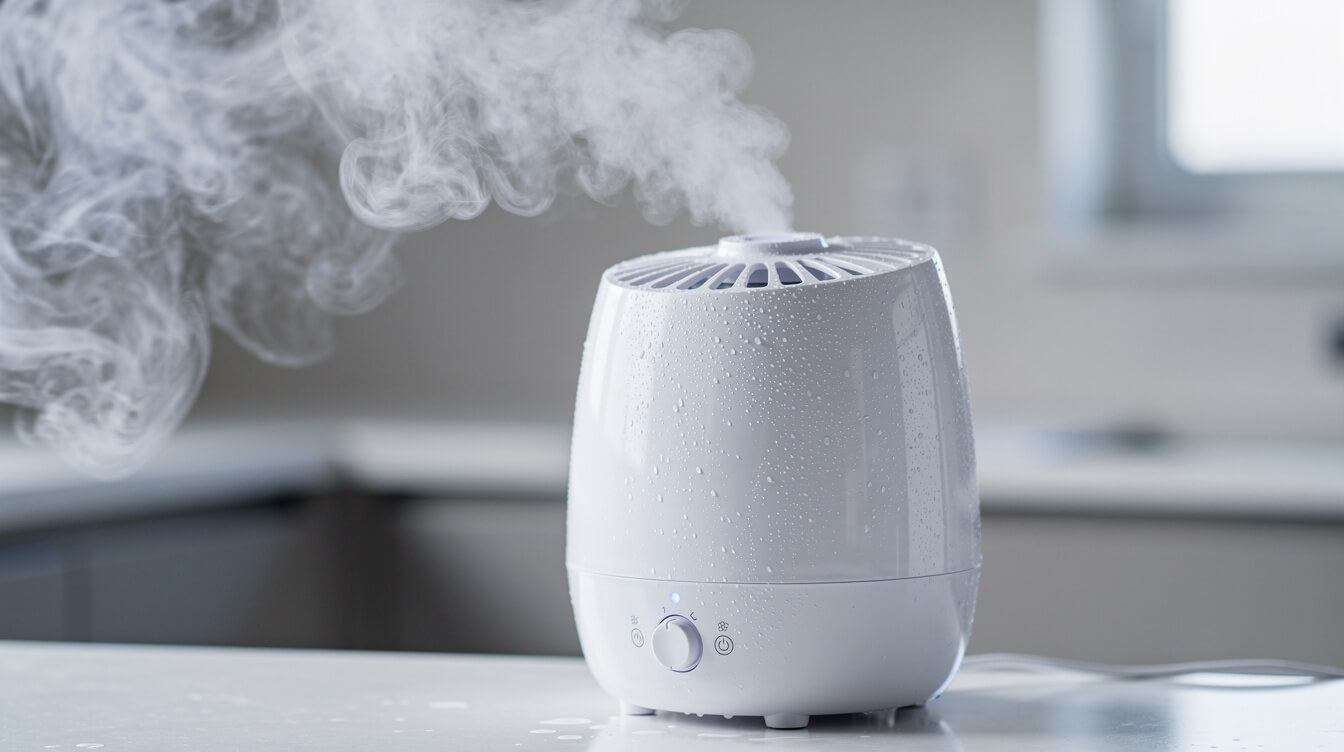
This is the most common shortcut people try, and it is worth a clear answer: adding essential oils to a standard humidifier is a bad idea for three concrete reasons. It feels like a clever way to get moisture and scent from one machine, but the machine was never built for it.
First, essential oils are solvents. Many humidifier tanks and internal parts are plastic, and undiluted oils can slowly cloud, crack, or degrade that plastic over time. Second, most manufacturers void the warranty the moment you add anything but water, so a repair or replacement that would have been covered is suddenly on you. Third, and most practically, it does not even work well: oil and water do not mix, so the oil floats and clings rather than dispersing evenly, giving you an uneven scent and a greasy residue in the tank that then becomes one more thing to clean. You get the worst of both worlds, a compromised humidifier and weak aromatherapy.
If you truly want both moisture and aroma in the same room, the reliable answer is two purpose-built devices rather than one machine asked to do a job it was not designed for. Run a proper humidifier when your hygrometer says the air is genuinely dry, and run a Nebulizing Diffuser® for scent whenever you like. They do not interfere with each other, the aroma stays pure, and the humidifier stays under warranty. Pairing your device with the right oils matters too, and our roundup of the best essential oils for the home is a good place to start building a collection.
The Diffuser vs Humidifier Decision: Moisture, Scent, or Both
Strip away the marketing and the decision comes down to one honest question about what you are trying to fix. Answer it with a hygrometer and a moment of clarity about your goal, and the right machine picks itself.
If your air is measurably dry, under that 30 percent humidity line, and scent is not really your concern, buy a humidifier and keep it clean. If you want your home to smell wonderful and you do not have a moisture problem, a Nebulizing Diffuser® is the most direct route, because it delivers pure aromatherapy at any strength you like without changing your humidity or leaving white dust behind. If you want a faint, cozy background scent in a small space and do not mind a touch of added moisture and regular reservoir cleaning, an ultrasonic diffuser is a reasonable middle path. And if you genuinely want both moisture and strong aroma, run two dedicated devices rather than forcing one to compromise. For a framework that ranks devices by how they actually work rather than by price, see our guide to the best diffuser for essential oils.
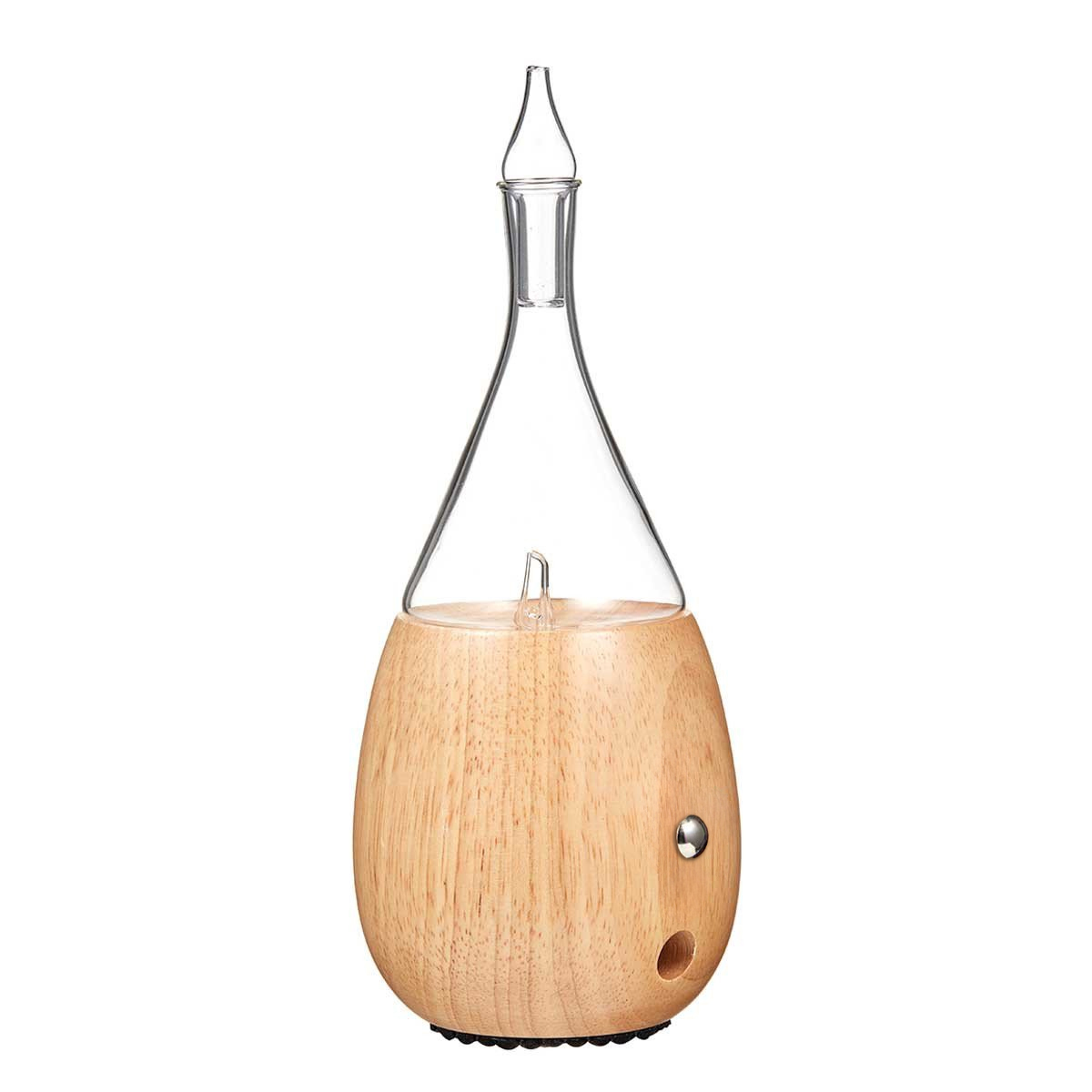
Pure Scent, Zero Water, Zero White Dust
Skip the tank, the mold, and the mineral film. Our handcrafted Nebulizing Diffusers® disperse pure, undiluted essential oil using nothing but air, so your aromatherapy stays true to the bottle and your humidity stays exactly where you want it.

Join Our Exclusive Member Club to get Big Discounts!
Frequently Asked Questions
Does a diffuser work as a humidifier? A nebulizing model does not, because it uses no water and adds no measurable humidity. An ultrasonic model adds a small amount of moisture, but its reservoir is far too small to correct genuinely dry air the way a real humidifier can. If your goal is humidity, buy a humidifier.
Does a humidifier work as a diffuser? Not well. Humidifiers are built to move water, not to disperse essential oil, and adding oil to the tank can damage the plastic, void the warranty, and give you an uneven, greasy scent. Keep the two jobs separate.
Which is better for a baby’s or child’s room, a diffuser vs humidifier? That depends on your goal and your pediatrician’s guidance, and essential oil use around infants deserves professional advice. For pure dry-air comfort, a well maintained cool-mist humidifier is the usual choice. Always follow medical guidance on essential oils for young children rather than a blog.
Will a nebulizing diffuser leave white dust like an ultrasonic one? No. White dust comes from minerals in tap water being aerosolized. A Nebulizing Diffuser® has no water in it, so there are no minerals to spray and nothing to settle on your surfaces.
Is a nebulizing diffuser more expensive to run? It uses more oil per hour because the aroma is undiluted and full strength, but most people run it in short bursts rather than continuously, which stretches a bottle further than expected. You are paying for potency and purity rather than watered-down mist.
Final Thoughts: Name the Problem, Then Pick the Machine
The diffuser vs humidifier debate only feels confusing because two of the three machines involved share a name and a mist. Once you separate them, the choice becomes almost obvious. A humidifier fixes dry air and nothing else. An ultrasonic diffuser adds a little of both moisture and scent, and inherits the water tank’s upkeep and white dust in the bargain. A Nebulizing Diffuser® does one thing beautifully: it fills a room with pure, undiluted aroma and leaves your humidity untouched. Check your air with a cheap hygrometer, decide whether you are solving for moisture or for scent, and buy the machine built for that exact job. After more than twelve years and 200,000 customers, the people happiest with their air are simply the ones who stopped asking a single device to do two jobs at once.