

Aromatherapy Certification: The Complete 2026 Guide to Programs, Costs & Careers
If you have ever tried to compare aromatherapy certification programs, you know the feeling: dozens of “certificates,” wildly different price tags, and no obvious way to tell which one a professional employer, spa, or wellness client would actually respect. Choosing the right aromatherapy certification — proof that you have met a recognized training standard — should not feel like groping in the dark.
This 2026 guide cuts through the noise. We compare the major accredited paths side by side, break down exactly how many hours and essential oil profiles each level requires, show you what an aromatherapy certification really lets you do (and legally does not), and map the real career outcomes. By the end you will be able to pick the program that fits your goals and budget with confidence.
What Is Aromatherapy Certification (and What It Isn’t)
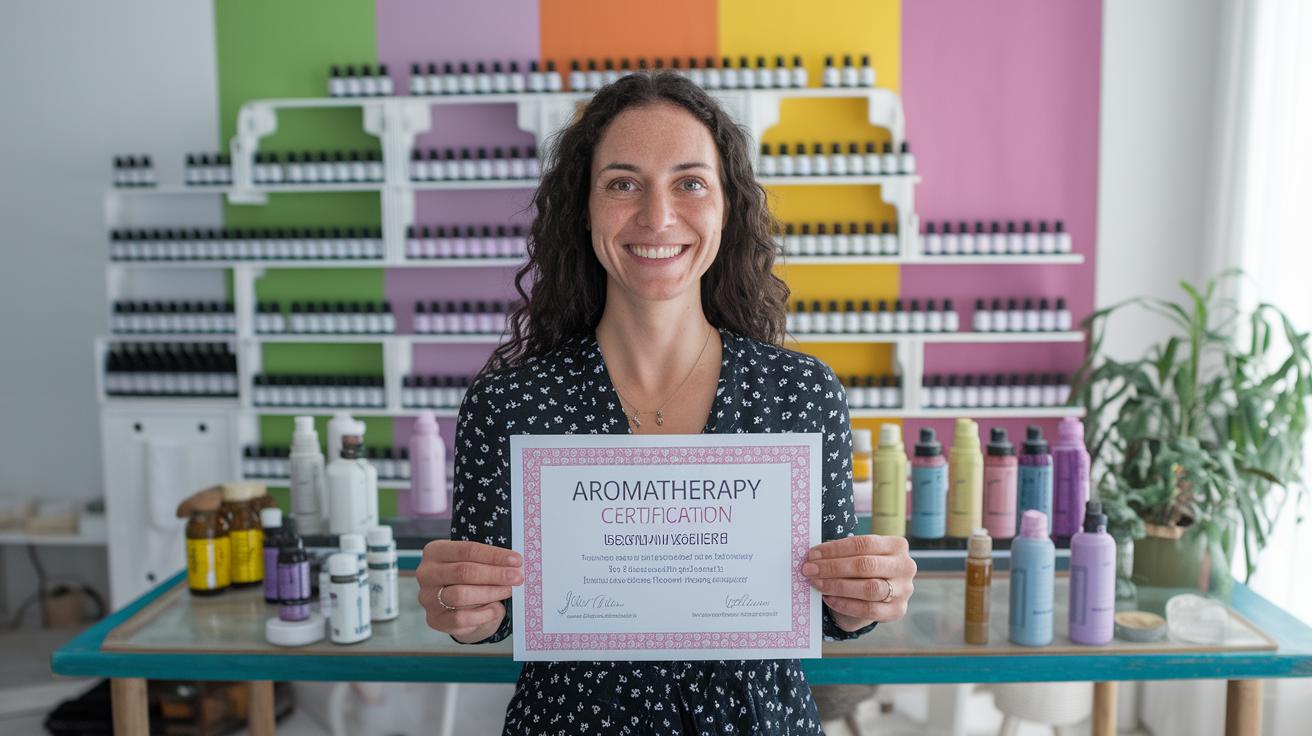
Here is the single most important fact almost no program advertises up front: in the United States, aromatherapy is not a licensed profession. A diploma or certificate from an aromatherapy school is not a national license, and it does not authorize you to diagnose, prescribe, or present yourself as a physician. Certification proves you completed a defined body of training to a recognized standard — it is a mark of competence and credibility, not a medical license.
That distinction matters for two reasons. First, it protects you: staying within an educational, wellness-focused scope of practice keeps you on the right side of the law. Second, it explains why accreditation is everything. Because no government body regulates the title “aromatherapist,” the industry polices itself through independent standards organizations. A certificate is only as meaningful as the body whose curriculum stands behind it.
So when you evaluate any aromatherapy certification, ask one question first: whose standard does it meet? A weekend “certificate” with no accreditation and a NAHA-approved 200-hour professional program are both called “certification,” but they are not remotely equivalent.
Accredited Aromatherapy Certification Programs Compared (2026)
Rather than send you scrolling through a dozen school sites, here is a clear comparison of the paths that carry weight in 2026 — online, hybrid, and in-person — with typical hours and cost ranges gathered from current program pages.
| Program / Path | Format | Typical Hours | Approx. Cost (USD) | Best For |
|---|---|---|---|---|
| NAHA-approved school (Level 1) | Online or in-person | 50+ | $300–$900 | Enthusiasts & existing health pros |
| NAHA-approved school (Level 2, Professional) | Online or hybrid | 200+ | $1,500–$3,500 | Aspiring practitioners |
| American College of Healthcare Sciences (ACHS) | Online, accredited college | ~200–330 (certificate/diploma) | $2,000–$4,500 | College-credit seekers |
| Aromahead Institute | Online | 235 (Certification Program) | ~$2,000–$2,700 | Self-paced online learners |
| Budget training platforms (e.g., ExpertRating) | Online | Self-paced | ~$100 | Introductory / hobby only |
Notice the pattern: price tracks depth. A sub-$100 online course is a fine introduction, but it will not carry the 200+ hours a professional standard demands. If your goal is to work with clients, a spa, or a wellness center, aim for a NAHA-approved Professional (Level 2) program or an accredited college certificate.
Sign Up to Get Your FREE
e-Book Here…
The NAHA Certification Levels: Hours, Oils & Case Studies Explained
The National Association for Holistic Aromatherapy (NAHA) publishes the standard most respected U.S. programs align to. Here is exactly what each of its three tiers requires — the specifics most comparison articles skip:
Level 1 — Certified Aromatherapist (minimum 50 hours)
Level 1 requires a minimum of 50 curriculum hours, in-depth profiles of at least 20 essential oils, and a minimum of 5 written case studies. NAHA even names 12 oils every Level 1 student must study: Clary Sage, Cypress, Eucalyptus, Geranium, Lavender, Lemon, Peppermint, Roman Chamomile, Rosemary, Sweet Orange, Tea Tree, and Ylang Ylang — with 8 more chosen by the instructor to reach 20. One detail catches many applicants off guard: if you are not already a health professional (massage therapist, nurse, esthetician, and so on), you must also complete Anatomy & Physiology 1 — a 3–4 credit undergraduate course — before you can be certified.
Level 2 — Certified Professional Aromatherapist (minimum 200 hours)
Level 2 is the tier most people mean when they say “professional aromatherapy certification.” It requires a minimum of 200 curriculum hours, deeper essential oil chemistry, expanded case studies, and client-consultation training. This is the credential a spa director or wellness center will recognize when hiring or contracting an aromatherapist.
Level 3 — Certified Clinical Aromatherapist (minimum 300 hours)
Level 3 is built for clinicians who integrate aromatherapy into medical or complementary settings. It requires a minimum of 300 curriculum hours and, notably, at least one full year of direct clinical aromatherapy experience before you can apply. If you have ever wondered why “clinical aromatherapist” is a rarer title, this is why — it is a genuine multi-year commitment.
The takeaway: “certified” is not one thing. Match the level to your ambition. Fifty hours makes you a knowledgeable enthusiast; 200 hours makes you a credible professional; 300 hours plus clinical experience makes you a specialist.
Online vs In-Person Aromatherapy Certification Formats
Both formats can lead to the same accredited credential — the difference is how you learn and how you handle the hands-on component.
- Online / self-paced: Best for working adults and international students. You control the schedule and often finish faster. The trade-off: you must self-source your own essential oils for the blending exercises, and you lose the instant feedback of smelling an oil alongside a mentor.
- In-person / hybrid: Best if you learn by doing and want a built-in professional network. Weekend intensives and clinic days let you practice consultations and blending under supervision, but they cost more and require travel.
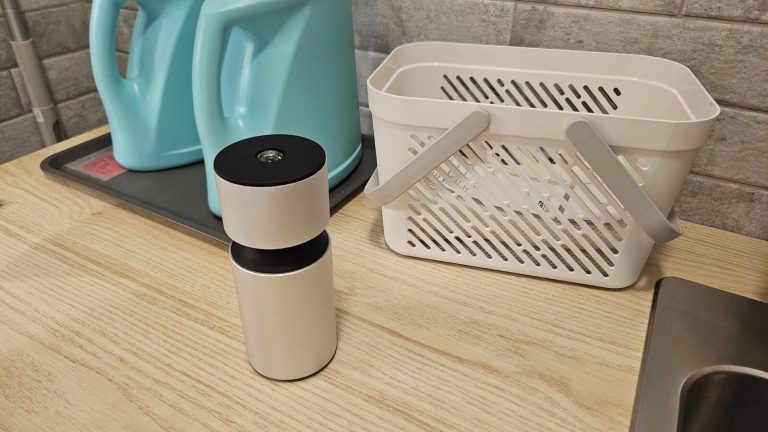
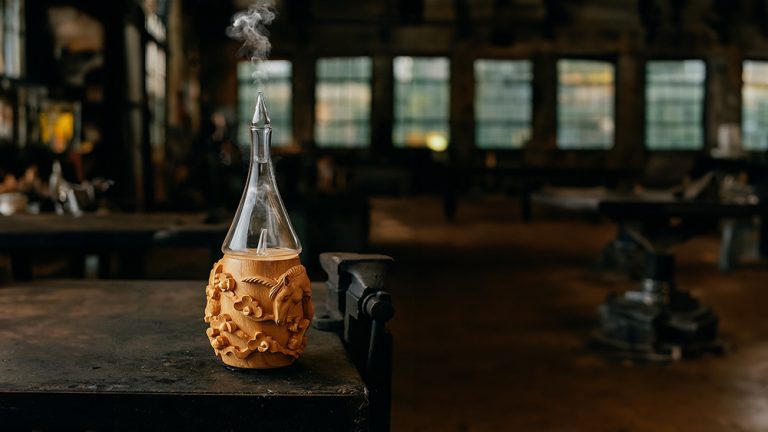
Whichever you choose, your at-home practice matters as much as the coursework. Studying the aroma, volatility, and diffusion behavior of each oil is far easier with a delivery method that presents the oil in its pure, undiluted form. That is why many students set up a home study kit around a Nebulizing Diffuser® rather than a water-based unit — more on that in the curriculum section below.
Join Our Exclusive Member Club to get Big Discounts!
What You’ll Actually Learn: Curriculum & Core Competencies
A quality aromatherapy certification is far more than a list of “good oils.” Expect to develop real competency across these areas:
- Essential oil chemistry & safety: Understanding constituents, contraindications, dilution, and phototoxicity. Our 2026 dilution chart and ratios guide covers the safe-use math you will use constantly, and the diffuser safety fundamentals every practitioner should internalize.
- Extraction & quality: Distillation, cold pressing, CO2 extraction — and how to judge purity. Learning to spot an adulterated oil is a career skill; our guide to the best essential oil brands and how to judge real purity is a useful primer.
- Blending: Building balanced blends by top, middle, and base notes. Practice with an essential oil blending chart and the note-frequency method for diffuser blends.
- Methods of application: Inhalation, diffusion, and topical use. Understanding how nebulizing diffusion differs from ultrasonic matters, because heat and water can alter an oil’s delicate chemistry — for example, the linalool and linalyl-acetate balance in lavender that gives it its character.
- Anatomy, olfaction & the limbic system: How aroma reaches the brain and why scent influences mood and atmosphere.
- Ethics, legalities & client consultation: Scope of practice, documentation, and the code of ethics your certifying body requires.
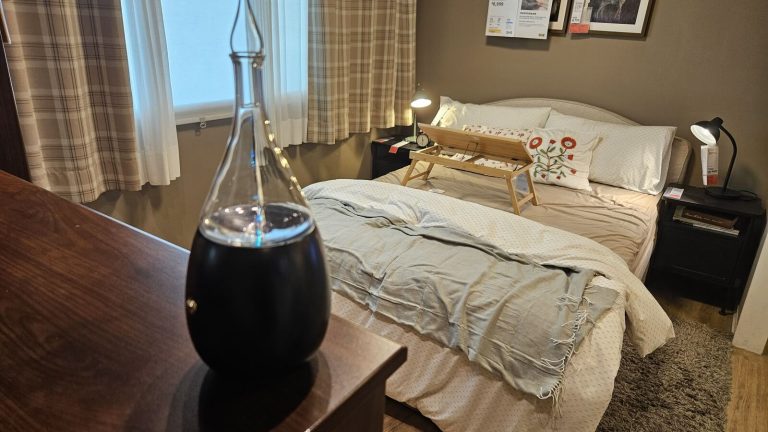
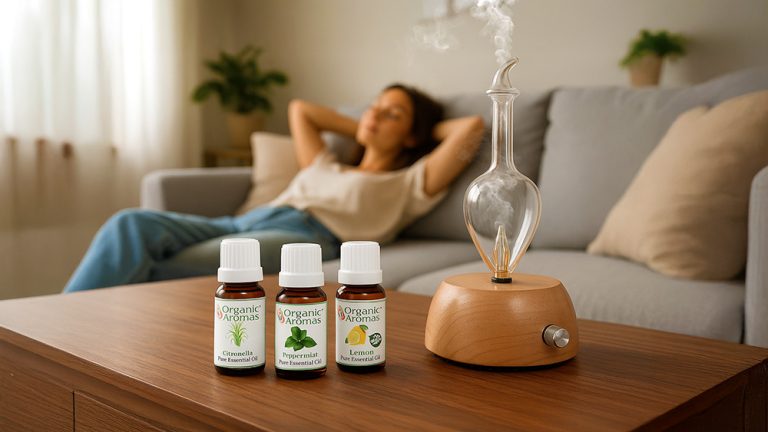
One practical tip from 200,000+ Organic Aromas customers: when you study an oil for a case study, evaluate it as your client will experience it — dispersed into the air, undiluted, at room temperature. A nebulizing method preserves the full aromatic profile because it uses no heat and no water. Our Raindrop – Smart Nebulizing Diffuser® is a favorite home-study companion for exactly this reason: whisper-quiet, app-controlled, and it delivers pure essential oil so you can assess an aroma honestly.
Costs, Financial Aid & How to Avoid Overpaying

Aromatherapy certification costs range from about $100 for an introductory online course to $4,500+ for an accredited college diploma. Here is how to get the most for your money:
- Match spend to goal. Do not pay for a 300-hour clinical program if you want to run an aromatherapy bar or blend for a boutique. A Level 1 or a solid online Professional program may be plenty.
- Look for accredited colleges for aid. Institutions like ACHS are nationally accredited, which can open the door to financial aid and payment plans that standalone certificate providers cannot offer.
- Factor in the hidden costs. Budget for your own essential oils, carrier oils, and a reliable diffusion setup for practice — these are part of the real cost of learning.
- Verify the credential’s recognition before you pay. If a program is not approved by NAHA (or your country’s equivalent), confirm exactly what its certificate qualifies you to do.
Join Now and Get a Coupon for 10% Off!
Career Outcomes & Professional Opportunities
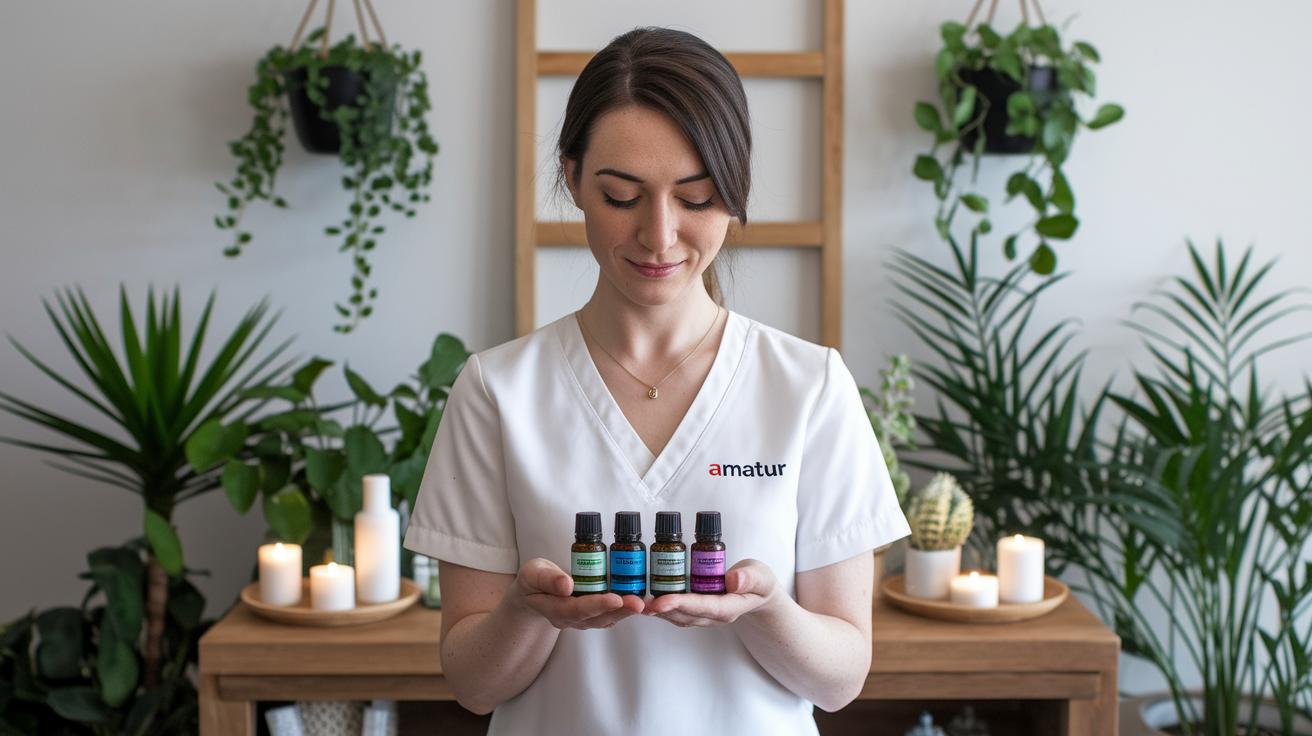
Because aromatherapy is unregulated, your certification tends to enhance a career path rather than being a standalone license. Certified aromatherapists commonly work as:
- Aromatherapy consultant or wellness-brand educator
- Custom blender for an aromatherapy bar, spa, or boutique
- Essential oil store manager or product-development specialist
- Independent aromatherapy business owner or workshop facilitator
- Author, writer, or course creator in the wellness space
Many professionals add aromatherapy to an existing practice. Massage therapists, estheticians, nurses, yoga instructors, and spa owners frequently pursue certification to differentiate their services and command higher rates. In a spa or wellness-center setting, a certified aromatherapist who can design a signature scent experience — delivered through a premium, waterless Nebulizing Diffuser® rather than a plastic ultrasonic unit — brings a level of professionalism clients notice immediately.
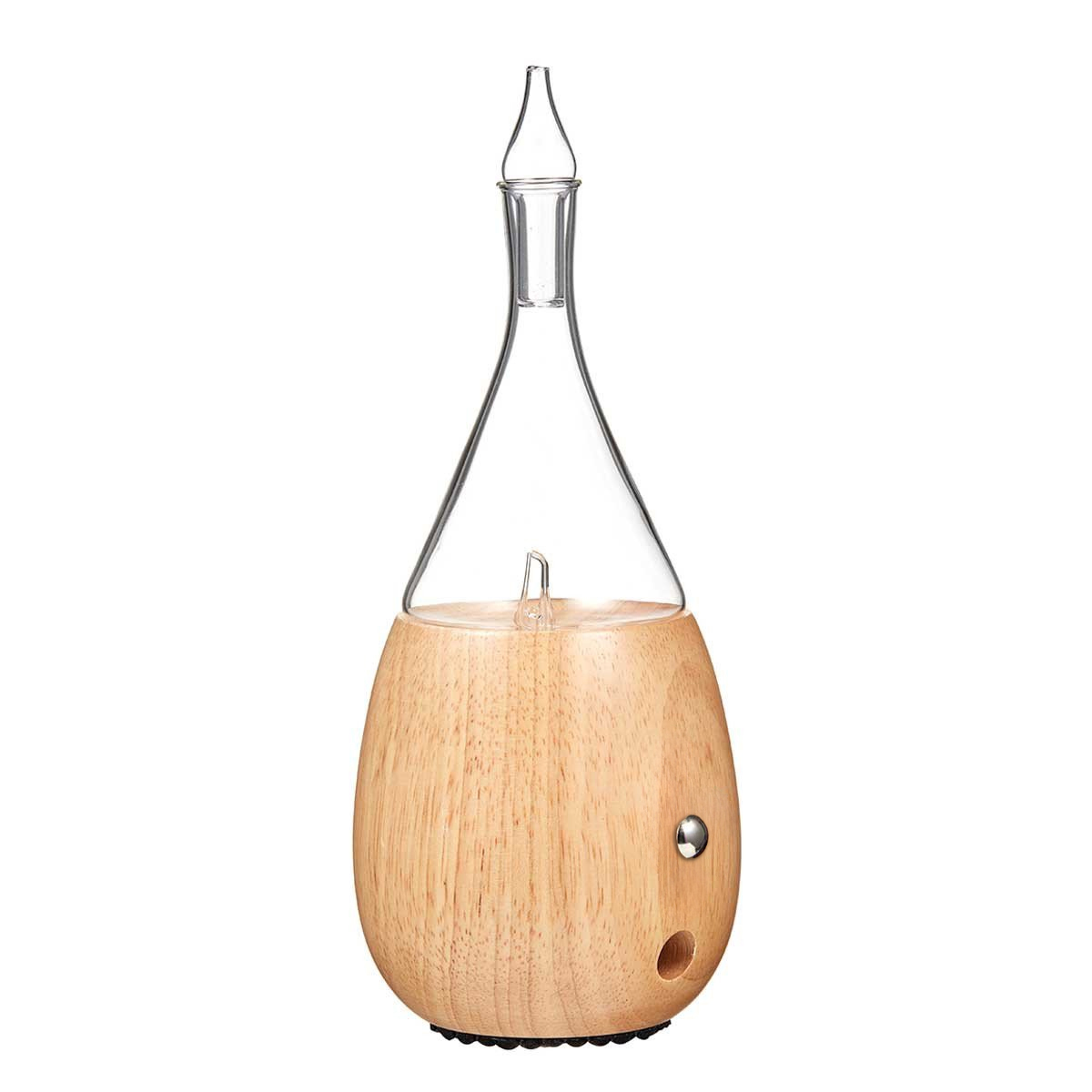
Train With Pure, Undiluted Aroma
Study every oil the way your clients will experience it — no water, no heat, whisper-quiet. Handcrafted wood and medical-grade Pyrex glass.
Frequently Asked Questions About Aromatherapy Certification
Do you have to be certified to practice aromatherapy?
In most countries, including the U.S., aromatherapy is not a licensed profession, so certification is not legally required to blend or diffuse essential oils. However, certification is strongly recommended: it builds credibility, deepens your safety knowledge, and is often expected by spas, wellness centers, and clients before they will work with you.
How do you become a registered aromatherapist?
Complete a certification program that meets a recognized standard (such as NAHA Level 2, minimum 200 hours), then register with the relevant professional body. In the U.S., practitioners may register through the Aromatherapy Registration Council (ARC). Registration typically requires graduating from an approved program and, in some cases, passing an exam.
Are there free or low-cost aromatherapy certification courses?
Yes — introductory online courses start around $100, and some platforms offer free lessons. These are excellent for hobbyists, but they generally do not meet the 200-hour professional standard. Treat them as a starting point, then invest in an accredited program when you are ready to work with clients.
How much does aromatherapy certification cost?
Expect roughly $100 for an introductory course, $300–$900 for a NAHA Level 1 program, $1,500–$3,500 for a Level 2 Professional program, and up to $4,500+ for an accredited college diploma. Remember to budget for your own oils and a reliable diffusion setup for practice.
Can nurses and other health professionals get certified faster?
Often, yes. Existing health professionals — nurses, massage therapists, estheticians, physicians — are usually exempt from the separate Anatomy & Physiology prerequisite that other students must complete, because their prior training already covers it. This can shorten the path to certification.
Final Thoughts: Choosing Your Path
Aromatherapy certification is not a single credential but a ladder — from a 50-hour foundation to a 300-hour clinical specialty. The right rung depends on your goal. If you simply want to blend beautifully and diffuse with confidence at home, a Level 1 program is a joy. If you want to build a business or work in a professional wellness setting, invest in an accredited Level 2 program whose standard employers and clients recognize.
Whatever path you choose, let your hands-on practice be as pure as your ambition. Study each oil honestly — undiluted, unheated, dispersed as your future clients will experience it — and you will graduate not just certified, but genuinely skilled. Explore the handcrafted Nebulizing Diffuser® collection to build a home-study setup worthy of a professional aromatherapist.