

Waterless Diffuser for Essential Oils: How to Choose One (and Which Oils Actually Work in It)
Search “waterless diffuser for essential oils” and you will find a wall of product pages. Cordless this. Rechargeable that. Bundle pricing. What you will not find, in the top ten results, is the one piece of information that decides whether your purchase makes you happy or sends it back: not every essential oil works well in a waterless diffuser, and the rules are different from what you learned about ultrasonic systems.
A waterless diffuser for essential oils throws pure, undiluted oil into the air. No water tank, no heat plate, no carrier dilution. That purity is the whole point. It is also why oil selection matters more here than anywhere else in aromatherapy. Get it right and the room transforms. Get it wrong and the unit clogs, the scent goes flat, and you blame the diffuser when the oil was the problem.
This guide separates the three real “waterless” technologies on the market, names which essential oils actually diffuse beautifully through them (and which jam them up), and gives you a six-point buying framework drawn from 12+ years of Organic Aromas customer feedback on real-world diffusion behavior.
What “Waterless” Actually Means (Three Very Different Technologies)
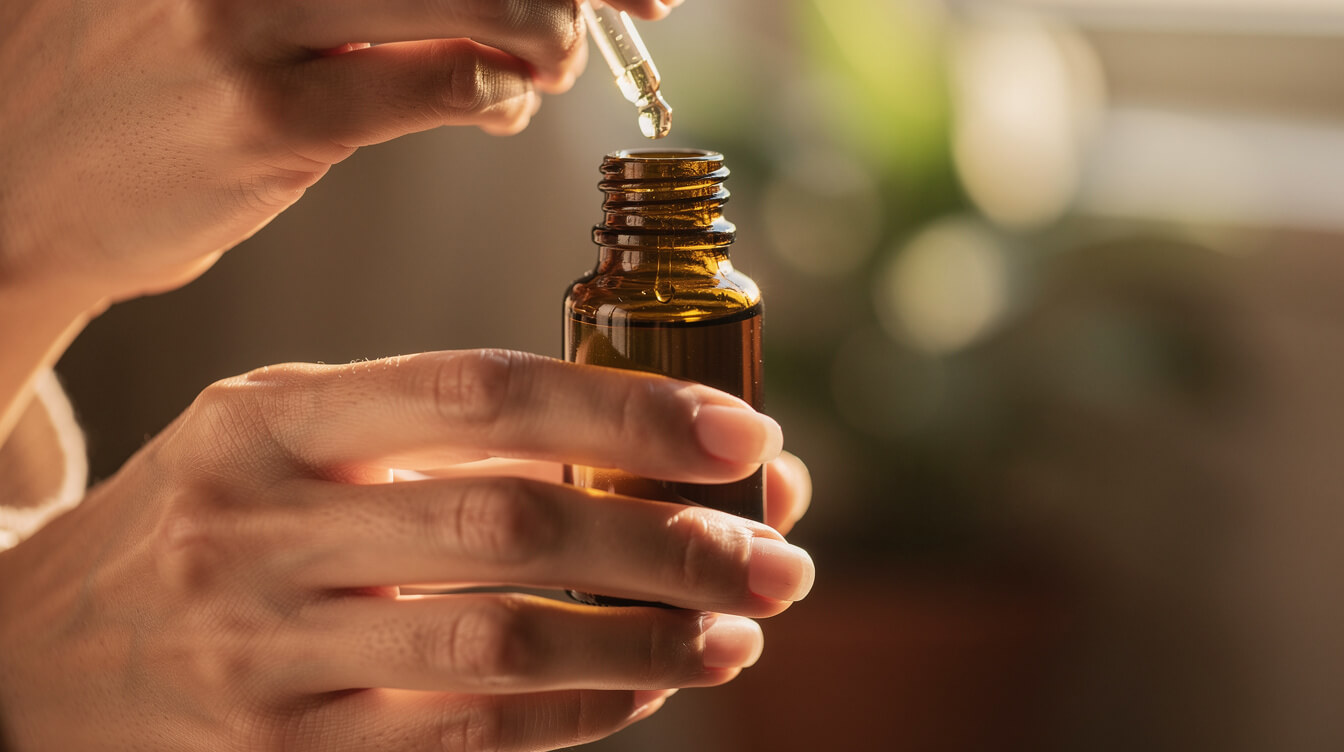
The word “waterless” is a category, not a method. Three completely different mechanisms get filed under it, and they behave very differently with the same bottle of oil.
1. Nebulizing diffusion (Bernoulli atomization)
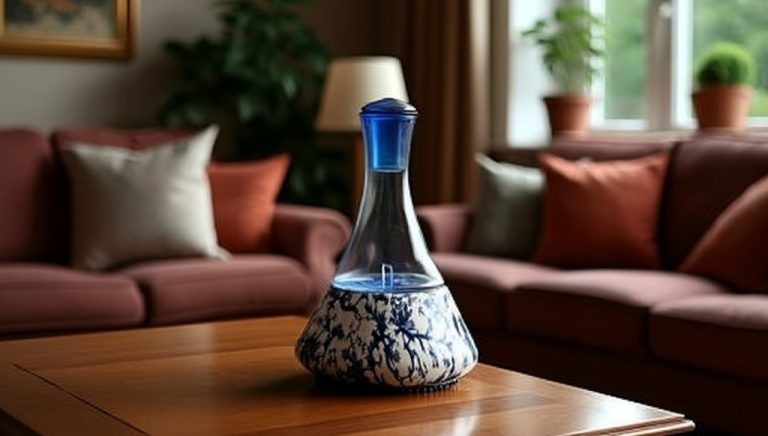
A pressurized air stream pulls liquid essential oil up a glass tube and shatters it into a fine mist of pure micro-droplets. No heat. No water. No carrier. The mist is the oil. This is the mechanism used in handcrafted Nebulizing Diffusers®, where the air-flow geometry is set by precision-blown medical-grade Pyrex glass. If you want the physics in plain English, our explainer on how Bernoulli’s Principle delivers pure essential oils walks through it.
2. Cold-air diffusion (cartridge atomizers)
A different cousin of the same idea. Compressed air still does the atomizing, but instead of being open to a bottle of pure oil, the oil sits in a sealed plastic cartridge designed by the manufacturer. Refills come from that one brand. Most commercial scenting systems (the kind hotels and gyms use) work this way. The mist is technically waterless, but you have traded oil freedom for cartridge lock-in.
3. Evaporative diffusion (fan or pad)
A small fan blows ambient air across a felt pad soaked in essential oil. No water, no atomization, no pressurization. Cheap and gentle. Coverage is small and the scent profile drifts as the lighter top notes evaporate first. Useful in a car cup-holder. Not a serious aromatherapy method for a room.
When the industry says “waterless diffuser for essential oils,” most consumers are thinking of category one (true nebulizing) and getting served category two (cartridge cold-air). The distinction matters because only category one lets you use any pure essential oil from any reputable supplier.
The Oil Selection Problem Nobody on the SERP Talks About
In an ultrasonic diffuser, water carries the oil into the air. Almost any oil “works,” because the water does the heavy lifting. In a waterless system, the oil is the mist. So the oil’s own physical properties decide whether it disperses cleanly or gums up the glass.
After 12 years of customer feedback across 200,000+ Organic Aromas users, three oil properties account for almost every “my diffuser stopped working” support ticket:
- Viscosity. Thin, watery oils (citrus, eucalyptus, peppermint) atomize beautifully. Thick, resinous oils (vetiver, sandalwood, myrrh, benzoin, oud) move sluggishly through the air pathway and can leave residue.
- Purity. Adulterated oils carry vegetable carriers, solvents, or synthetic fragrance compounds the bottle never advertised. These dry into a sticky film on the inside of the glass. A real GC/MS-tested pure essential oil evaporates cleanly.
- Volatility class. Top notes (the brightest, lightest molecules) leave first; base notes linger. In a thin glass nebulizing chamber, base-heavy oils need lower intensity settings and shorter cycles, or they over-saturate the room.
None of the top-ranking commercial pages on this keyword tell you any of that. They tell you about cordless battery life. The oils are the variable that actually determines whether you love the product.
Sign Up to Get Your FREE
e-Book Here…
Essential Oils That Diffuse Beautifully (The Green List)
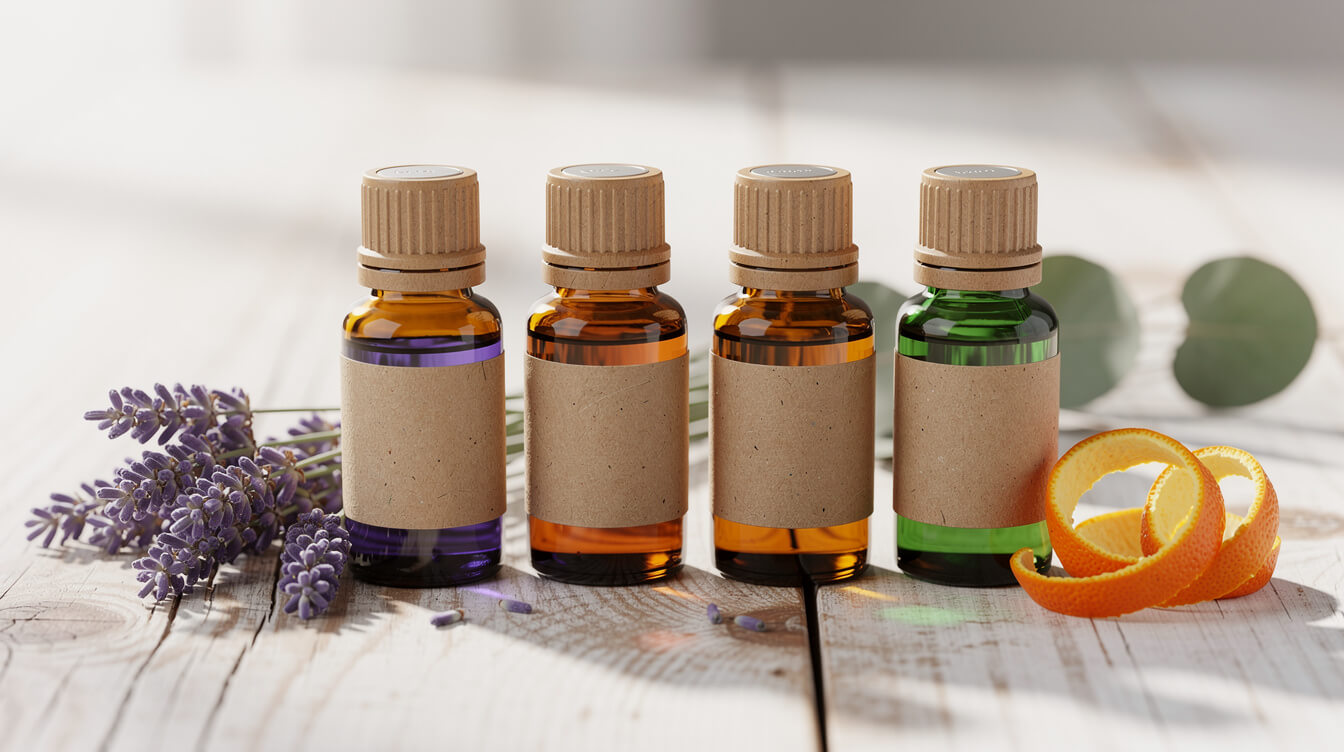
These are the oils that, by physical chemistry alone, behave well in a Nebulizing Diffuser® or any quality cold-air waterless unit. The oils listed here flow easily through the atomizing pathway, throw evenly, and leave the glass clean when the cycle ends.
Citrus (the easiest category to love)
- Sweet orange. Cheerful, instantly recognizable, atomizes almost like water. The friendliest “first oil” for a new waterless diffuser.
- Bergamot. Citrusy with a soft floral edge. Pairs with lavender for an evening wind-down. Use a furiously low intensity setting; it is more potent than it tastes.
- Grapefruit. Bright, slightly bitter, lifts a tired afternoon. Try our grapefruit, geranium, and ginger mid-morning blend when energy is the goal.
- Lemon. Sharp top note that pairs with almost any base. Great for kitchens and home offices.
Herbaceous and minty
- Peppermint. Cooling, head-clearing, atomizes cleanly. A few drops travel a long way.
- Eucalyptus (radiata or globulus). Camphoraceous, opening, pairs with citrus. Radiata is the gentler option for evening use.
- Rosemary. Sharp, focus-leaning. Pairs with lemon for a study-session blend.
Florals
- Lavender. The most-requested oil in our customer data and a perfect match for waterless diffusion. Read our deep dive on the science behind lavender if you want to know which chemotypes diffuse best.
- Geranium. Rose-adjacent, slightly green. Use sparingly; it can dominate a small room.
- Roman chamomile. Soft, apple-like, calming. Excellent base partner for citrus.
Light resins and woods
- Frankincense (sacra or carterii). The exception to the “resins are trouble” rule. The thinner frankincense varieties diffuse cleanly and deepen any citrus or floral blend.
- Cedarwood (Virginian or Atlas). Dry, grounding, easy on the glass. Great winter-evening base note.
- Pine and fir needle. Crisp, outdoor, atomize well; perfect for refreshing a stale room.
Essential Oils That Cause Problems (The Yellow and Red List)
No oil is “bad.” Some oils are simply not built for a thin glass nebulizing pathway. The fix is usually a blending tweak, not abandoning the oil. Knowing which is which saves you a service ticket.
Yellow: blend with thinner partners
- Patchouli. Thick, syrupy, beloved as a base note. Blend at 1 part patchouli to 3-4 parts citrus or lavender so the lighter oils carry it through the air pathway.
- Ylang ylang (especially “complete” or “extra”). Sweet, floral, viscous. Use 1-2 drops only, paired with bergamot or sweet orange.
- Cinnamon bark, clove, oregano. Diffuse fine in small amounts but are also “hot” oils, so keep cycles short and use sparingly around sensitive household members.
Red: avoid in pure form, or use only with a service plan
- Vetiver. The thickest commonly sold essential oil. Pours like honey straight from the bottle. It will travel through the glass pathway, but slowly, and residue accumulates faster than with any other oil.
- Sandalwood. Beautiful, expensive, viscous. Pre-blended sandalwood blends are fine; pure undiluted sandalwood will leave a sticky film over time.
- Myrrh and benzoin. True oleoresins, semi-solid at room temperature in winter. Not suitable for direct nebulization.
- Absolutes (rose, jasmine, neroli absolute). Solvent-extracted rather than steam-distilled. Even pure absolutes can leave residue in glass.
If you love a red-list oil, the workaround is straightforward: pre-blend it 1 part to 4 parts of a thin, well-behaved oil in a small empty bottle, then use that blend in the diffuser. The vetiver still comes through; the glass stays clean.
Join Now and Get a Coupon for 10% Off!
How to Choose a Waterless Diffuser for Essential Oils: Six Questions That Matter

Most “best diffuser” lists rank by cordless battery life and call it a day. Here are the six questions that actually matter, in the order the answers should land.
1. Open system or proprietary cartridge?
This is the first fork. An open system lets you screw any reputable brand of pure essential oil onto the diffuser. A proprietary cartridge system only accepts that one company’s pre-blended pods, often on a subscription. If the goal is genuine aromatherapy with the oils you choose, open wins. Always.
2. What is the air-pathway material?
Plastic atomizers warp under repeated contact with pure essential oils (oils are powerful solvents). Medical-grade Pyrex glass does not. Real-wood housings absorb micro-vibration better than ABS plastic, so they run quieter at the same air-pump pressure. Materials are a five-year decision; do not skip this question.
3. What is the actual coverage area?
Manufacturers love the phrase “up to 1,000 square feet.” Real-world coverage is typically half the marketing number, because doors, ceiling height, and air movement absorb scent throw. A diffuser rated for 800 square feet will comfortably handle a 400-square-foot living room. Buy for your real room, not the brochure room.
4. Does it have an intermittent cycle?
Continuous diffusion saturates olfactory receptors and wastes oil. Look for on/off cycles in the 1-minute-on / 5-minutes-off range. Our mini-FAQ on diffusing breaks covers the timing logic in detail.
5. How easy is the cleaning routine?
You will clean a waterless diffuser, regularly, with high-proof grain alcohol. If the glass reservoir does not come apart easily, the unit will go unused after month four. Prioritize tool-free disassembly.
6. Is the company still around to answer questions in year three?
Subscription-locked brands shut down small product lines without warning, leaving customers with a working device and no compatible cartridges. An open system with a real human support team is a different bet entirely. Check the company’s age and reviews dated within the past six months.
Three Ready-to-Diffuse Recipes Built for Waterless Systems
Each of these uses only green-list oils, so they atomize cleanly in any quality waterless diffuser for essential oils. Drop counts assume a 5-15 ml glass reservoir; scale down for travel-size units.
Morning Lift (kitchen, home office)
- 4 drops sweet orange
- 2 drops grapefruit
- 1 drop rosemary
- Run for 15 minutes, rest 45, repeat once.
Bright, citrus-forward, with a green herbal edge that keeps it from feeling like a candle. Pairs perfectly with the first hour of the workday.
Evening Wind-Down (bedroom, reading nook)
- 3 drops lavender
- 2 drops bergamot
- 1 drop Roman chamomile
- Run for 20 minutes, then off for the night.
Soft, slightly sweet, deeply familiar. If you want a deeper dive on building a nighttime protocol, our essential oils for sleep guide lays out a four-stage approach.
Focus Studio (work session, study)
- 3 drops peppermint
- 2 drops lemon
- 2 drops frankincense
- Run for 10 minutes, off 30, run for 10 more.
Crisp, clarifying, with a thread of grounding resin underneath. Frankincense keeps the peppermint from feeling sharp.

Sign Up to Get Your FREE Essential Oils e-Book Here
Frequently Asked Questions
Why does my oil seem to “clog” the waterless diffuser?
Three likely causes, in order: the oil is too viscous for the pathway (see the red list above), the oil is adulterated and leaving a film, or the diffuser has not been cleaned in over four weeks. Run pure grain alcohol through the system, switch to a thin green-list oil, and the behavior usually resolves.
How often should I clean a waterless diffuser for essential oils?
Light use: once a month with 90%+ grain alcohol, ten-minute cycle, no oil in the reservoir. Daily use: every two weeks. After running thicker oils (patchouli, ylang ylang): same day. The cleaning takes five minutes; skipping it is the most common reason waterless diffusers underperform after year one.
Can I use any brand of essential oils, or only the matching brand?
In an open system (true nebulizing or unrestricted cold-air): yes, any brand with GC/MS-tested purity. In a proprietary cartridge system: only the matching brand. This is the single biggest reason to favor open systems.
How long should a 15 ml bottle of oil last?
In a well-managed Nebulizing Diffuser® running intermittent cycles, a 15 ml bottle of single-note oil typically lasts 30-45 days of daily use. Cartridge systems often use oil twice as fast because they cannot meter as precisely.
Is a waterless diffuser safe around pets or during pregnancy?
Because the mist is pure undiluted oil, dose matters more than with ultrasonic. Always diffuse intermittently, never in a closed room with a pet who cannot leave, and review our guide on essential oils safe for pregnant women before choosing oils during pregnancy.
Three Signs Your Waterless Diffuser Is Healthy
After you have used a waterless diffuser for essential oils for a month or two, three small signals tell you the oil-to-machine match is working. Watch for them; they are easier to read than any review score.
- The glass stays clear. No yellow tint forming on the inside of the reservoir after a week of use. A clear bottle means the oil is evaporating cleanly with nothing left behind. Tinting means either the oil is too thick for the pathway or the bottle is adulterated.
- The scent throw fills the room within five minutes. If you walk into the room ten minutes after starting a cycle and the scent has not reached the far corner, the oil is under-atomizing (too thick) or the intensity setting is too low for the room volume.
- The motor stays quiet. A small air pump should hum, not whine. A rising pitch over time usually means the glass needs cleaning, not that the motor is failing.
When all three signals are green, you have found your oil-and-unit pairing. When one slips, the fix is usually a clean cycle and a different oil; very rarely is the diffuser itself the problem.
The Quiet Conclusion
A waterless diffuser for essential oils is the most direct way to experience aromatherapy: pure oil, no water, no heat, no compromise. The technology only pays off when you match it to oils built for the air pathway, and to a unit you can refill and clean for years without subscription strings. Green-list oils, open system, glass and wood, six straightforward buying questions, a cleaning rhythm you can keep. That is the entire game.
If you want to see how the original handcrafted version of this technology works (medical-grade Pyrex glass, real-wood housing, Bernoulli atomization, 12+ years in production), our complete Nebulizing Diffuser® guide is the next read. Or browse the full Organic Aromas shop to find the right model for your room.