


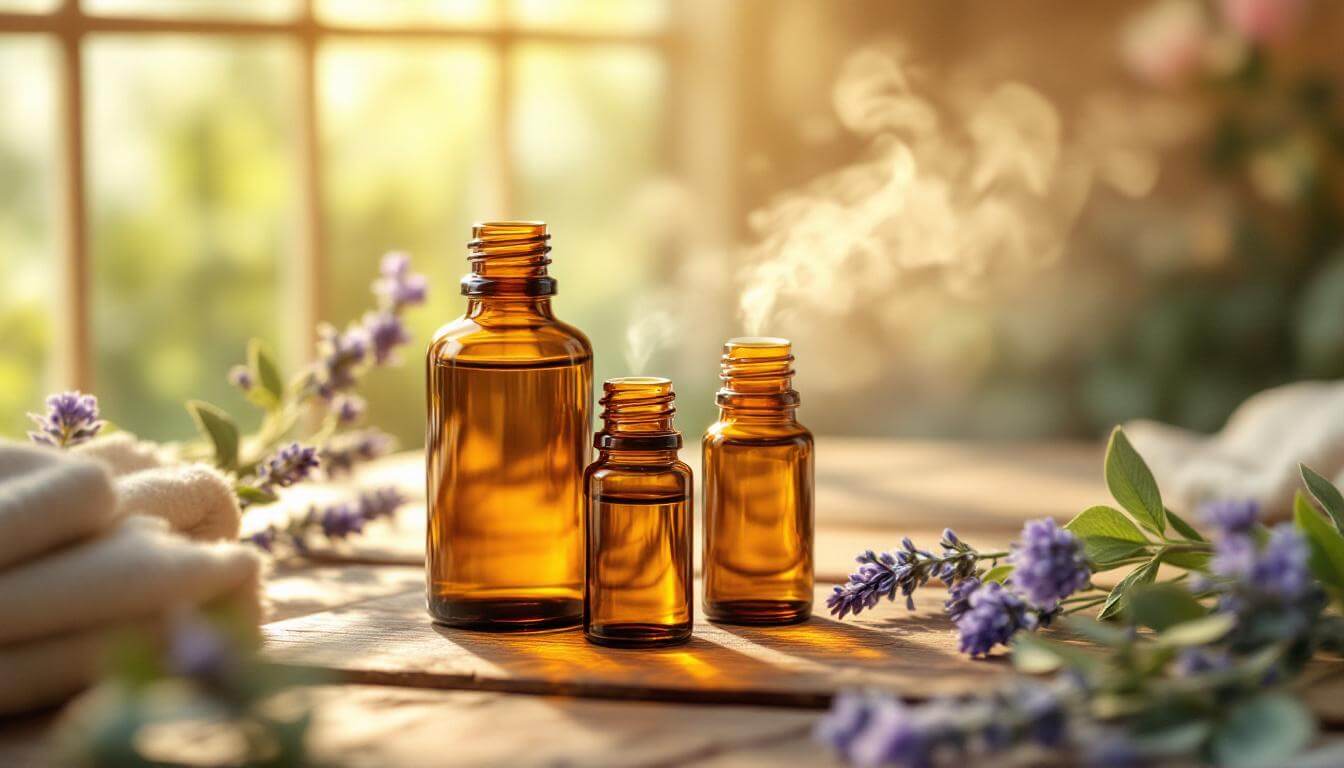
Nebulizing Diffuser: The Complete Guide to Pure, Waterless Aromatherapy
Walk into a room where a Nebulizing Diffuser® is running and you notice it before you see it. The scent arrives whole, bright, and unmistakably real, not a faint perfumed dampness hanging in the air. That difference is the entire point of a nebulizing diffuser, and it is not marketing language. It comes down to fluid physics, essential oil chemistry, and a handful of ownership truths that most buying guides quietly skip over.
This guide covers all of it: what a nebulizing diffuser actually is, how it compares to the ultrasonic, heat, and reed options crowding the shelves, the honest realities of living with one, and how to choose the right model for your space. By the end you will know more about this technology than most of the people selling it.
What Is a Nebulizing Diffuser®, Really?

A Nebulizing Diffuser® is a device that turns 100% pure essential oil into an ultra-fine, dry aromatic mist using nothing but moving air. No water. No heat. No plastic touching your oils. Inside the base, a small air pump pushes a stream of air across the top of a narrow glass tube that sits in a shallow pool of essential oil. As that air accelerates over the tube opening, its pressure drops, and the lower pressure pulls oil up the tube where the fast-moving air shears it apart into millions of microscopic droplets. This is the Venturi effect, a direct consequence of Bernoulli’s Principle, and it is the same idea behind a classic glass perfume atomizer, just engineered for a whole room.
The reason this matters is droplet size. A nebulizing diffuser produces particles small enough that the mist behaves almost like a gas. It does not fall and pool the way the heavier, water-laden output of an ultrasonic unit does. Instead it stays suspended, drifts on the room’s own air currents, and distributes the aroma evenly rather than leaving a damp ring on the table beneath it. That is also why a nebulizing diffuser can cover a genuinely large area while a cheap mister struggles past one corner of a room.
Because the oil is broken apart mechanically rather than diluted or boiled, the molecules that reach your nose are the molecules the plant made. Nothing is watered down and nothing is cooked. If you want the full fluid-dynamics walkthrough with diagrams, we go deep on it in our explainer on how a waterless diffuser uses Bernoulli’s Principle.
That single design choice, air instead of water or heat, is why a nebulizing diffuser delivers a noticeably stronger and truer aroma than nearly anything else on the market. It is also why Organic Aromas builds every unit from whole plantation wood and medical-grade, heat-strengthened Pyrex glass rather than plastic. Essential oils are powerful natural solvents. Over months of contact they can cloud, soften, or leach compounds from cheap plastics, which is exactly the part of an inexpensive unit that touches your oil. Glass and hardwood do not have that problem, which is part of why a well-made Nebulizing Diffuser lasts for years and often becomes a piece of decor in its own right.
Nebulizing Diffuser vs Ultrasonic, Heat, and Reed: Why Concentration Changes Everything
Most “diffusers” you will find online are not nebulizing at all. Understanding the four main categories makes the trade-offs obvious, and it explains why a Nebulizing Diffuser® commands a premium.
Ultrasonic: A vibrating plate turns a water-and-oil mixture into a cool fog. It is quiet and inexpensive, but you are smelling heavily diluted oil suspended in water vapor, and that water adds humidity and, eventually, the risk of mildew in the reservoir. We compare the two head to head in our breakdown of the nebulizing vs ultrasonic diffuser question, and there is a fuller buyer’s view in our guide to ultrasonic diffusers for essential oils.
Heat: A warming plate or tealight evaporates oil. Heat is cheap but it alters the oil’s chemistry. Delicate top notes flash off first and the surviving aroma is flatter. This matters more than people think: the calming character of lavender, for instance, depends on a specific balance of linalool and linalyl acetate, a balance we unpack in our piece on lavender essential oils and the ratio that decides whether they work. Cook the oil and you change that ratio.
Reed and passive: Lovely as decor, weak as aromatherapy. Coverage is small and you cannot control intensity.
Nebulizing: Pure, undiluted, room-filling, controllable. The independent testing lab TechGearLab put a field of diffusers through identical dilutions in the same-sized room and concluded that nebulizing units “take the cake when it comes to filling a space with pure, clean aromas in a short time,” because “they directly atomize pure oils, offering stronger scents.” Their top nebulizing pick was the Raindrop, an Organic Aromas design. That is third-party confirmation of what the physics already predicts. A nebulizing diffuser can scent up to 800 square feet quickly, and with no water there is simply no mold pathway to worry about.
Sign Up to Get Your FREE
e-Book Here…
The Honest Truth About Living With a Nebulizing Diffuser®
Here is the part the sales pages skip. A Nebulizing Diffuser® uses pure oil with no water to stretch it, so it goes through oil faster than an ultrasonic unit, where a few drops float in a tank of water. That is the honest trade-off for the strength and the purity. The clever engineering answer is the intermittent cycle: quality nebulizing units do not run continuously. TechGearLab, in independent testing, measured the Raindrop running roughly two minutes on and one minute off, with an intensity dial on top. That cycle is not a limitation. It is the whole point. Run the math: a one-minute pause for every two minutes of operation cuts oil consumption by about a third, and because pure atomized oil is so potent, the scent does not fade during the off beat. You get a room that stays pleasantly fragrant instead of saturated, while the bottle lasts noticeably longer. Reviewers who run nebulizing units flat-out and complain about oil use are fighting the design instead of using it.
The second truth is cleaning, and it is where twelve-plus years of feedback from more than 200,000 Organic Aromas customers becomes genuinely useful. The single most common “my unit stopped working” message we receive is not a broken unit at all. It is a clog. Essential oils are plant resins, and as the lighter molecules evaporate they leave a sticky residue inside the narrow glass channel. The fix takes about five minutes and no tools:
- Remove the glass reservoir from the wooden base.
- Pour 6 to 8 ml of 70% or higher isopropyl alcohol into the reservoir.
- Reattach it and run the unit for one to two minutes so the alcohol atomizes through the same path the oil takes.
- Pour out any remaining alcohol and let the glass air-dry before adding oil again.
Cadence depends on chemistry. Thick, resinous oils such as patchouli, vetiver, and sandalwood are far more viscous than light citrus oils, so they build residue and clog faster. If those are your favorites, clean weekly. If you mostly diffuse thin oils like lemon or peppermint, every few weeks is fine. Our overview of using essential oils for a fresh home pairs nicely with a machine you keep clean.
Two more things customers often mistake for defects: a soft “spitting” sound when the oil runs low is normal, and a little mist escaping around the cap when you first start up is normal too. The unit self-seals within about ten minutes as the air channel settles. None of this is a fault. It is just how atomization behaves.
How to Choose the Right Nebulizing Diffuser® for Your Space
Once you understand the technology, choosing a Nebulizing Diffuser® comes down to five practical questions.
- Coverage: A capable unit handles 300 to 800 square feet. Match the model to your largest open space, not your smallest room.
- Intensity control: A real dial, not just on or off, lets you go subtle in a bedroom and bold in a living room.
- Cycle and timer: An intermittent cycle plus an auto-off timer protects your oil budget and keeps the scent inviting rather than heavy.
- Materials: Whole wood and medical-grade Pyrex glass age gracefully and will not interact with concentrated oils the way plastic can.
- Smart control: App scheduling and wireless, rechargeable operation turn the device into a set-and-forget part of your routine.
If you would rather skip the comparison spreadsheet, our team has already narrowed it down in the six Nebulizing Diffusers we make, and you can read the story behind the wireless generation in our introduction to the Smart Nebulizing Diffuser. For most homes the sweet spot is the Raindrop Smart Nebulizing Diffuser®, the same Raindrop design an independent lab named its best nebulizing pick, now wireless, rechargeable, and app-controlled.
Join Now and Get a Coupon for 10% Off!
Getting the Most From Your Nebulizing Diffuser®

A Nebulizing Diffuser® rewards a few good habits. First, oils only. Never add water, carrier oil, or fragrance oil. The device is built to atomize neat essential oil and anything thicker or wetter will clog it. Use 100% pure oil and store bottles away from heat and light, since oils oxidize and turn sticky after roughly two to three years.
For dosing, 15 to 30 drops will run about 1 to 2 hours on a low setting, which is plenty for most rooms. Start lower than you think you need. Pure atomized aroma is strong, and subtle, intermittent diffusion is more pleasant and more effective than a constant heavy cloud. Placement matters too: set the unit on a stable surface a few feet away from where you sit or sleep so the mist disperses evenly rather than blowing directly at you.
Think in moods rather than single oils. A bright blend of peppermint, rosemary, and lemon in roughly equal parts suits a focused afternoon at a desk. A warmer mix of bergamot, cedarwood, and a touch of vetiver eases the transition from work into evening. Soft lavender on its own, or lavender with a little sweet orange, can become part of a calming wind-down ritual. One practical tip from long-time users: rotate two or three blends across the week rather than running the same one daily. The nose adapts quickly to a constant scent and stops registering it, so a little variety keeps the experience vivid and means you naturally use less oil. If restful evenings are your goal, our guide to the best essential oils for sleep is a good starting point. One important caution: essential oils can affect pets, especially cats and birds, so always give animals a way to leave the room and read our notes on essential oil safety around animals before diffusing near them. Aromatherapy is about atmosphere and wellbeing, not a substitute for medical care.
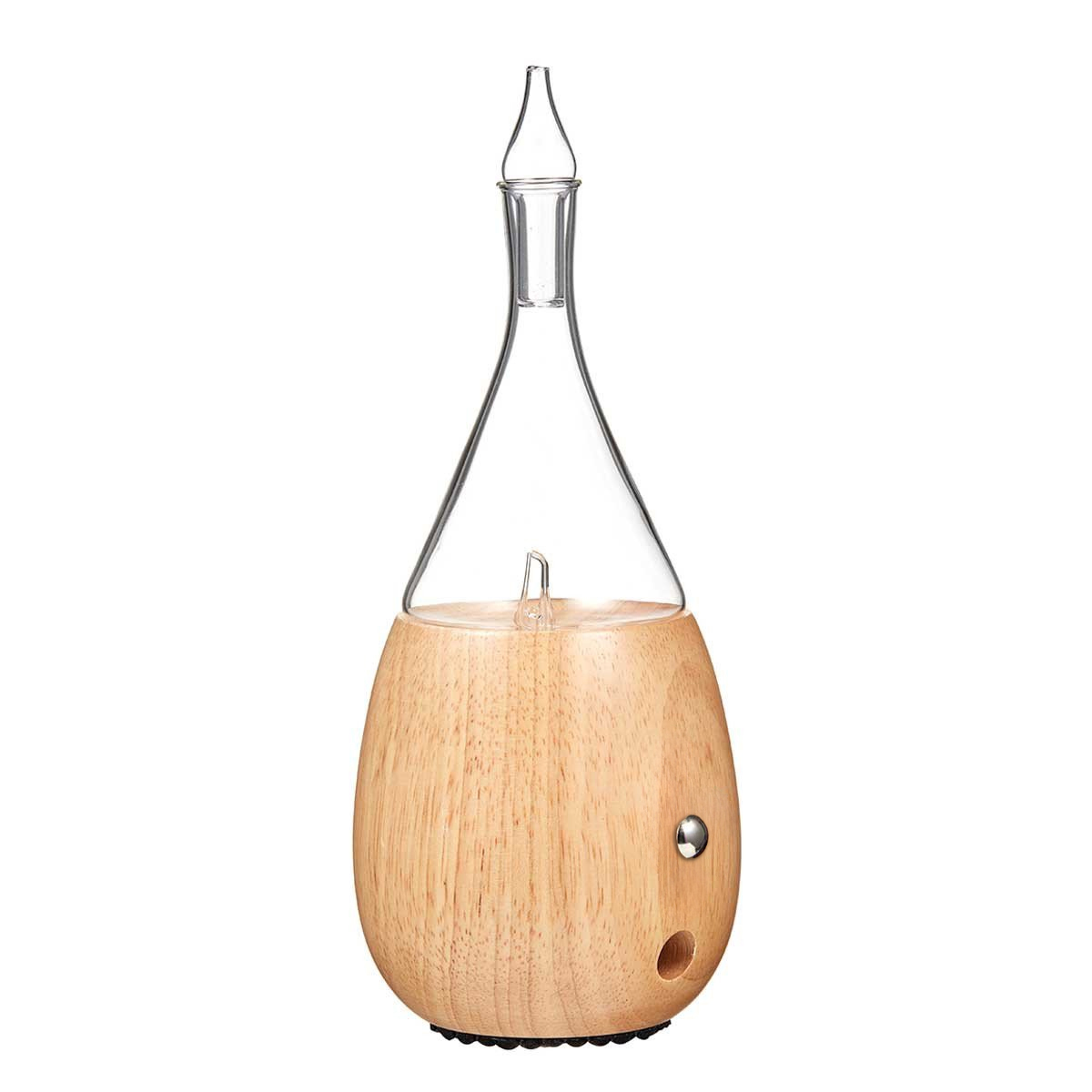
The Raindrop Smart Nebulizing Diffuser®
The exact Raindrop design an independent lab named its best nebulizing pick, reimagined wireless, rechargeable, and app-controlled. Pure, undiluted aromatherapy with no water and no heat.
Nebulizing Diffuser FAQ
The questions we hear most often, answered plainly.
Is a nebulizing diffuser worth it? If you care about scent strength and oil purity, yes. You are paying for pure, undiluted aromatherapy and handcrafted materials rather than a plastic mister. Independent testing reached the same conclusion.
Do nebulizing diffusers use a lot of oil? More than an ultrasonic unit, because there is no water diluting the oil. The intermittent cycle and an intensity dial keep usage reasonable, and a low setting with 15 to 30 drops lasts 1 to 2 hours.
Are nebulizing diffusers loud? Quality units are whisper-quiet. A faint air sound and an occasional soft spit when oil runs low are normal and not a malfunction.
Can I use water or diluted oils? No. A Nebulizing Diffuser® is designed for neat essential oil only. Water and carrier oils will clog it.
How often should I clean it? Weekly for thick oils like patchouli or vetiver, every few weeks for light citrus blends. A short rinse with 70% or higher isopropyl alcohol is all it takes. Most “broken” units are simply clogged.
Where should I place it? On a stable, flat surface a few feet from where you sit or sleep, ideally slightly elevated so the micro-mist disperses across the room rather than blowing directly at you. Keep it clear of fans and open windows that would carry the aroma straight out.
Can I leave it running overnight? You generally do not need to. Thanks to the intermittent cycle and how long aroma lingers, a timer of 30 to 60 minutes before bed is usually plenty. Less is genuinely more with nebulizing diffusion.
How long does a Nebulizing Diffuser® last? Because the only moving part is a small air pump and the oil only ever touches glass and wood, a well-maintained unit lasts for years. Keeping it clean is the single biggest factor in its lifespan.
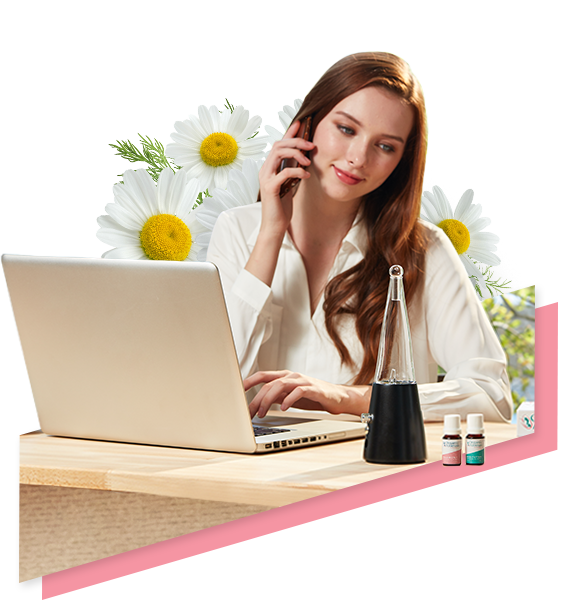
Join Our Exclusive Member Club to get Big Discounts!
Final Thoughts: Scent, Done Properly
A Nebulizing Diffuser® is not just another way to make a room smell nice. It is the difference between a hint of fragrance and the full, living character of an essential oil filling your space the way the plant intended. The technology is honest physics, the materials are built to last, and the ownership quirks are small and easily managed once you know them.
Choose a unit sized for your largest space, feed it pure oil, rinse it when it asks, and it will quietly transform how your home feels for years. Everything really is better when it smells good, and now you know exactly why.