

Essential Oils for Hair Growth: What the Rosemary Trial Showed and How to Use Them
Search “essential oils for hair growth” and you will meet the same article ten times: a list of oils, a sentence of praise for each, and a vague instruction to “massage it in.” What almost none of them give you is the part that actually decides whether any of this works, the real research, the dilution numbers, and an honest line between what a few of these oils can plausibly support and what they simply cannot do.
This guide takes the other road. We will walk through the one human trial everyone name-drops but rarely explains, rank the oils by how strong their evidence really is, give you the exact scalp dilution math, and tell you the truth about where a Nebulizing Diffuser® fits into a hair routine (and where it does not). Nothing here treats, cures, or prevents hair loss. It is about how aroma chemistry is delivered, what studies suggest, and how to build a scalp ritual you can actually measure.
Do Essential Oils for Hair Growth Actually Work? The Honest Answer
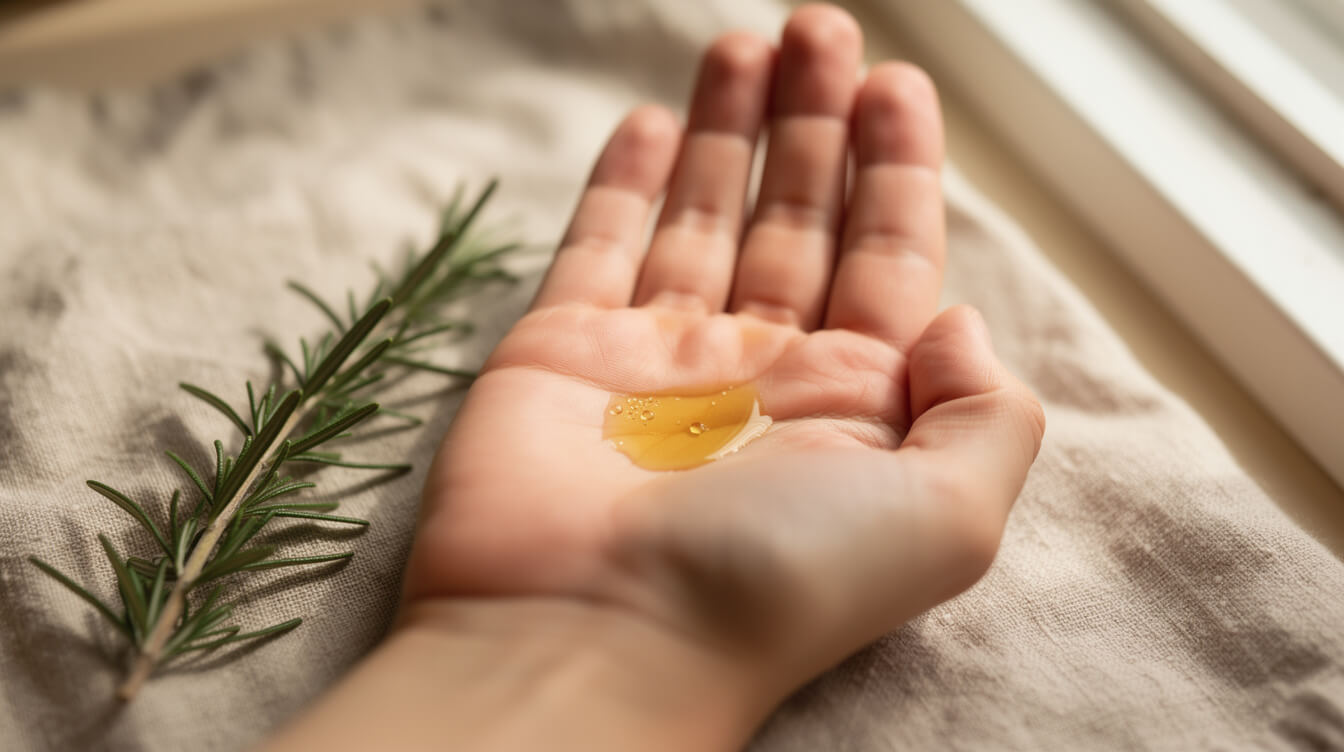
Hair grows from follicles, tiny organs in your scalp that cycle through a growth phase, a transition phase, and a resting phase before shedding. How fast and how full your hair grows is governed mostly by genetics, hormones (especially DHT in pattern hair thinning), age, circulation to the follicle, nutrition, and your overall stress load. No essential oil rewrites your genes or switches off a hormone.
So when a headline promises that a bottle of oil will “regrow” your hair, treat it with healthy skepticism. What a small number of well-studied oils can plausibly do is support the scalp environment the follicle lives in: improving local blood flow, calming low-grade irritation, and keeping the skin and microbiome balanced. Those are meaningful supporting roles, not magic. The honest framing is this: essential oils are a complement to a healthy scalp routine, applied diluted and consistently over months, not an overnight fix and not a substitute for medical care when something is genuinely wrong.
Keep two facts in mind as you read. First, almost all of the encouraging research involves oils applied topically to the scalp, diluted in a carrier, often paired with massage. Second, the strongest single piece of human evidence is built on one oil. Let us start there.
The Rosemary Study Everyone Cites (and What It Actually Found)
Sign Up to Get Your FREE Essential Oils e-Book Here
The reason rosemary keeps topping these lists is a 2015 randomized comparative trial published in SKINMED by Panahi and colleagues. It is worth knowing the actual details, because the one-line version (“rosemary works as well as minoxidil”) leaves out everything that makes it useful.
Researchers took 100 people with androgenetic alopecia (pattern hair thinning) and split them into two groups for six months. One group applied rosemary essential oil to the scalp; the other applied minoxidil 2%, a mainstream over-the-counter hair treatment. Hair counts were measured with standardized photography at the start, at three months, and at six months.
The findings, stated plainly: neither group showed a meaningful change at the three-month mark, but both groups showed a significant increase in hair count at six months, and there was no statistically significant difference between rosemary and minoxidil at that point. The rosemary group also reported less scalp itching than the minoxidil group. Researchers think the likely mechanisms are improved microcirculation at the follicle and rosemary's anti-inflammatory and antioxidant activity.
Now the caveats, because they matter. This was a single study of modest size, the benefit only appeared at six months (consistency is not optional), and the oil was applied to the scalp, not inhaled or diffused. It compared against the lower 2% strength of minoxidil, not the 5%. One good trial is a reason to take rosemary seriously, not a guarantee. If you want practical ideas for working with it day to day, our guide to the top ways to use rosemary essential oil is a useful companion.
The Other Real Trial: A 1998 Scalp-Massage Study
Rosemary is not the only oil tested on humans. A frequently overlooked 1998 randomized study in the Archives of Dermatology by Hay and colleagues looked at alopecia areata, a patchy autoimmune form of hair loss. Participants massaged a blend of thyme, rosemary, lavender, and cedarwood essential oils in a jojoba and grapeseed carrier into the scalp daily for seven months. Around 44% of that group showed improvement, compared with about 15% in the carrier-oil-only control group. It is a different condition from pattern thinning, and again the method was diluted topical application with daily massage, but it is a second human data point pointing in the same direction: specific oils, properly diluted, applied with massage, over months.
The Best Essential Oils for Hair Growth, Ranked by Evidence
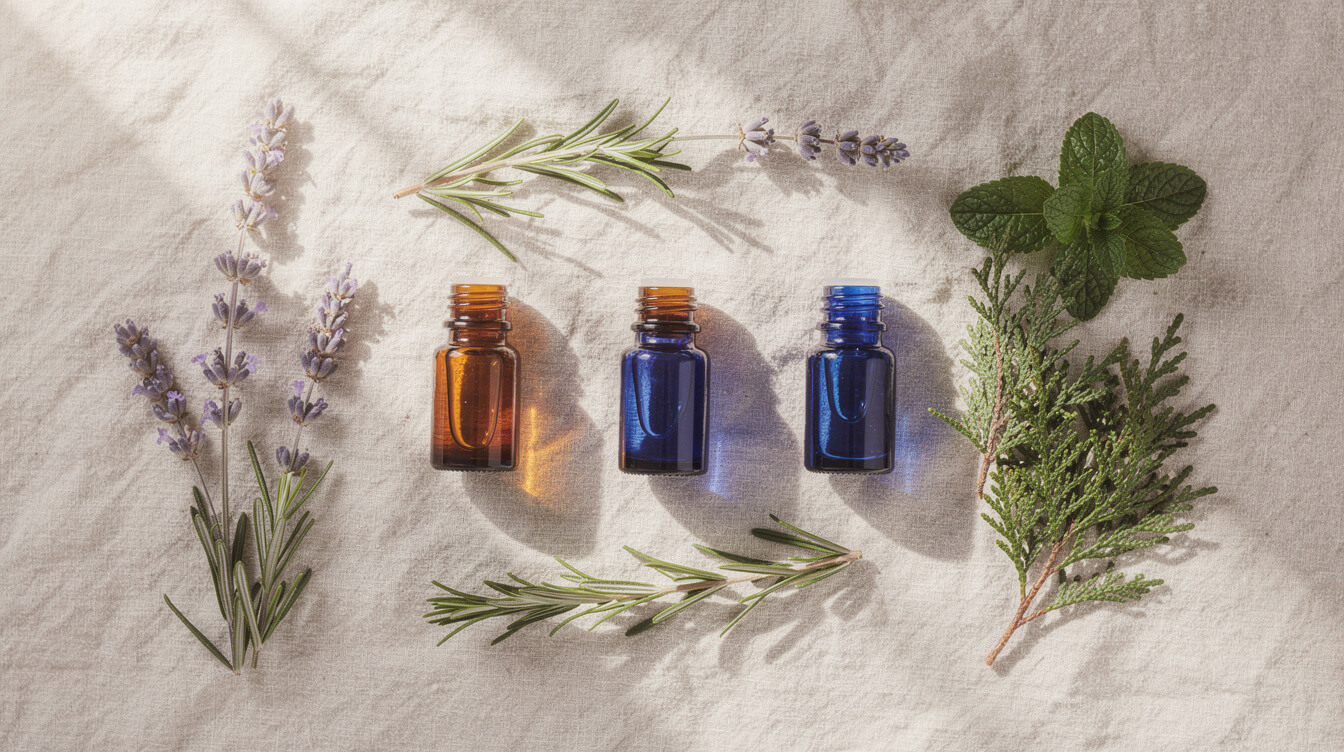
Not all “hair growth oils” carry the same weight of proof. Here are five worth your attention, sorted honestly by how strong the evidence actually is, from human trials down to traditional use. Where a study is in animals, we say so plainly, because a result in mice is a promising lead, not proof for your scalp.
1. Rosemary, the human-trial standout
The 2015 trial above puts rosemary in a category of its own for pattern thinning. Its proposed strength is circulation and anti-inflammatory support at the follicle. If you try one oil for the scalp, this is the evidence-backed place to begin.
2. Peppermint, the strongest animal signal
A 2014 study in Toxicological Research applied a 3% peppermint oil solution to mice and reported notable increases in follicle number, follicle depth, and a growth marker, outperforming the saline and even the minoxidil comparison in that model. That is genuinely interesting, but it is an animal study, so treat it as a promising lead. Peppermint's menthol also creates a cooling, tingling sensation that many people enjoy in a scalp blend. Its broader uses are covered in our piece on organic peppermint essential oil.
3. Lavender, calming and follicle-friendly in early research
A 2016 mouse study found that lavender oil increased the number and depth of hair follicles, and lavender was part of the 1998 human blend above. Beyond hair, its real strength is relaxation, which matters more for hair than it first appears (see the stress section below). For the wider picture, our overview of the benefits of lavender oil separates the science from the hype.
4. Cedarwood, the traditional blend partner
Cedarwood has little standalone human trial data, but it was one of the four oils in the 1998 scalp-massage study and has a long traditional reputation for balancing the scalp. It works best as a supporting note in a blend rather than a soloist.
5. Tea tree, for the scalp environment more than growth
Tea tree's evidence is about scalp health rather than growth directly: its antimicrobial properties can help with flaking and a balanced scalp, which is the foundation healthy hair grows from. Use it sparingly and always well diluted, because it is potent. For a broader look at which oils suit hair and scalp, see our short guide to essential oils for healthy hair and scalp.
How to Actually Use Them: The Dilution Math Most Guides Skip
Join Now and Get a Coupon for 10% Off!
Here is the step nearly every listicle glosses over: the numbers. Essential oils are concentrated plant chemistry, and your scalp is sensitive skin. Applying them undiluted is the fastest way to cause irritation or long-term sensitization, which is the opposite of a healthy scalp. Dilution is not a suggestion, it is the whole method.
For adult scalp use, a 2% to 3% dilution is the sensible working range for regular leave-on application. The arithmetic is simple once you know that roughly 20 drops of essential oil equal 1 millilitre:
- 2% dilution: about 12 drops of essential oil per 30 ml (1 oz) of carrier oil. A gentle everyday strength.
- 3% dilution: about 18 drops per 30 ml. A slightly stronger option for short, targeted scalp sessions.
- Patch test first: apply a small diluted amount to your inner forearm and wait 24 hours before putting anything new on your scalp.
Your carrier oil matters too. Jojoba is a favourite because its profile is close to the scalp's own sebum; grapeseed is light and absorbs quickly; argan and coconut are richer choices. Whichever you pick, the carrier is what makes the essential oil safe to leave on your skin. Our full guide to diluting essential oils has a complete ratio chart if you want to go deeper.
The simple scalp routine
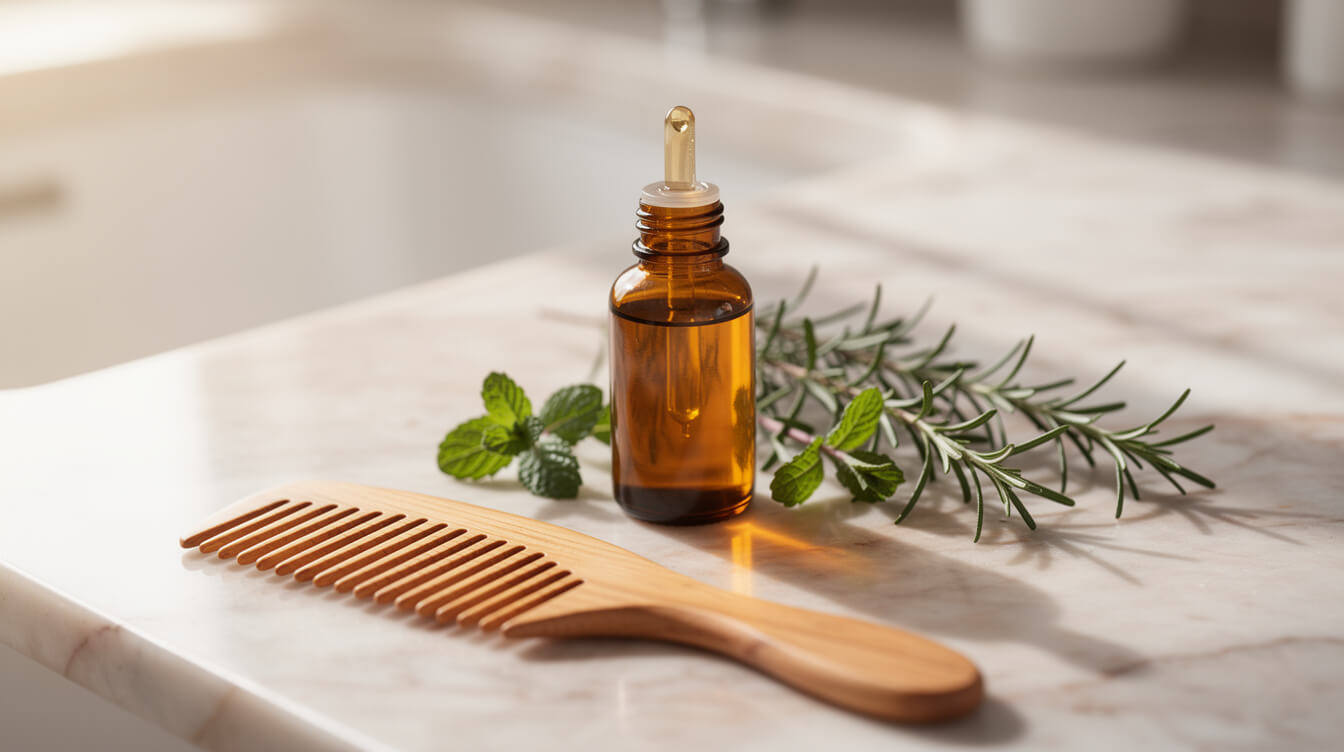
Combine your diluted blend, then spend about five minutes massaging it gently into your scalp with your fingertips. The massage is not filler: a 2016 study found that standardized daily scalp massage on its own increased hair thickness over time, likely through improved circulation and mechanical stimulation of the follicles. Leave the blend on for 30 minutes or overnight (use an old pillowcase), then wash it out with a mild shampoo. Two or three sessions a week, kept up for three to six months, is the realistic commitment. The 2015 rosemary trial saw nothing at three months and real change at six, so patience is part of the protocol.
Where Your Nebulizing Diffuser® Fits (It Is Not What You Think)

Time for the honest part most brands skip. A Nebulizing Diffuser® disperses essential oils into the air as a fine, dry aroma. It does not deliver oil molecules into your hair follicles, and follicle contact is exactly what the topical research above depends on. So if your only goal is the scalp mechanism, diffusing rosemary across the room will not do the job that massaging diluted rosemary into your scalp does. We would rather tell you that than sell you a fantasy.
And yet there is a real, science-grounded reason diffusion belongs in a hair conversation: stress. One common form of shedding, telogen effluvium, is triggered when a stressor pushes a larger-than-normal share of follicles into the resting and shedding phase. Chronic stress and poor sleep are recognized contributors to that kind of diffuse shedding. This is the side of hair health that has nothing to do with what you rub on your scalp and everything to do with how settled your nervous system is.
That is where aroma earns its place. A calming evening ritual, a familiar scent in the air during the half hour before bed, can support relaxation and better wind-down, which addresses the stress lever rather than the follicle lever. Because a Nebulizing Diffuser® uses no water and no heat, it disperses pure, undiluted essential oil as a true aroma, so what you are breathing is the real plant chemistry, not a watered-down mist. Lavender or a soft floral blend is a natural fit here; our guide to essential oils for stress explains the olfactory pathway in detail, and our aromatherapy massage guide pairs beautifully with the scalp-massage step above.
So the complete, honest picture has two tracks: diluted topical oils plus massage for the scalp and follicle side, and diffused aroma for the stress and sleep side. Used together, they cover far more of what actually influences your hair than any single bottle can.
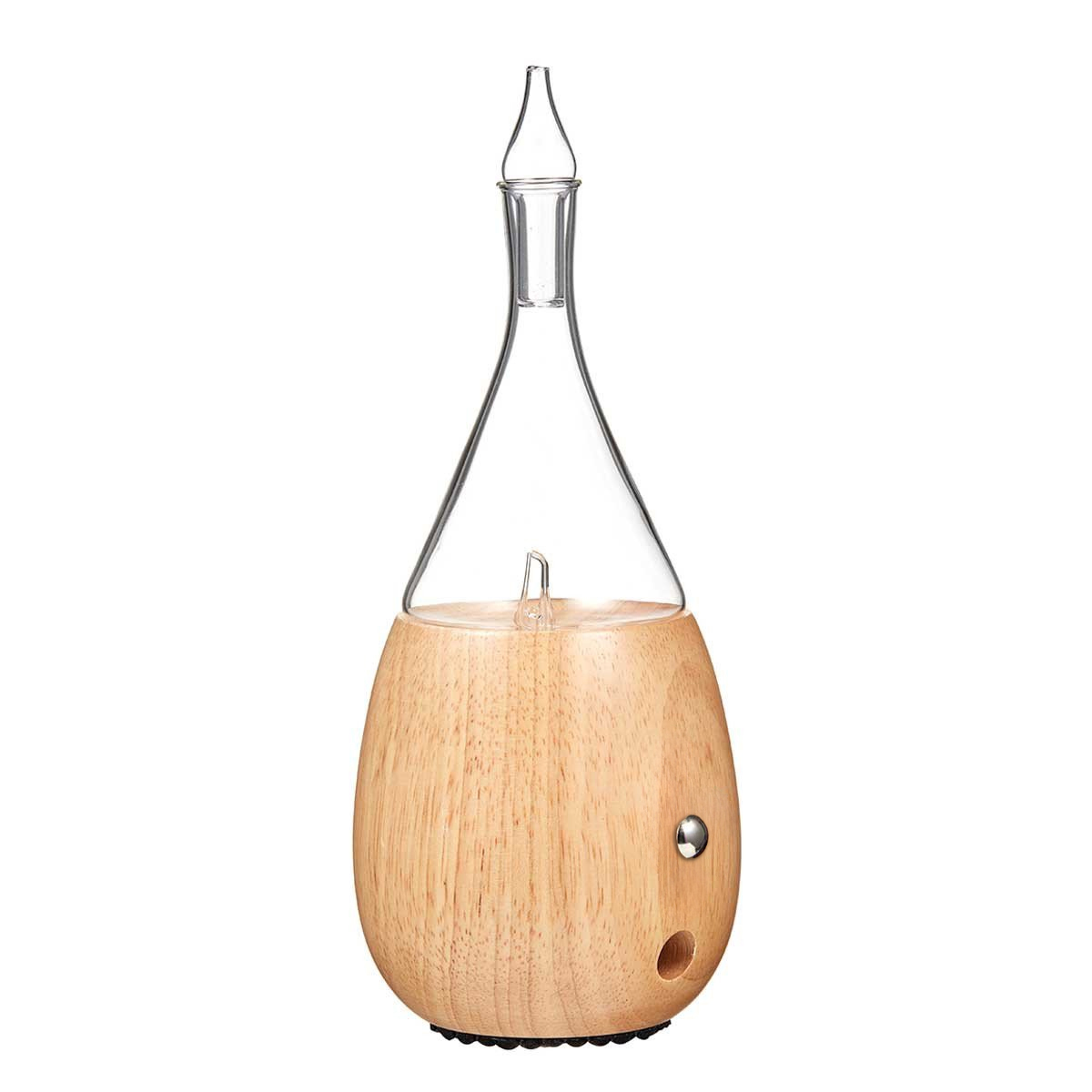
Build the Relaxation Side of Your Hair Ritual
Pure essential oil aromatherapy, no water and no heat. Set a calming wind-down scene in the half hour before bed and let your evenings support your hair from the stress side.
Common Mistakes and Who Should Skip This Entirely

Join Our Exclusive Member Club to get Big Discounts!
A few avoidable errors undo most people's efforts before the oils get a fair chance:
- Applying oils undiluted. Neat essential oil on the scalp risks burning, irritation, and sensitization. Always dilute to 2% or 3% in a carrier.
- Quitting too early. The research clock runs in months, not days. Give any routine a fair three to six months before you judge it.
- Using citrus oils before sun exposure. Some citrus oils are phototoxic and can react with sunlight on the skin. Keep them out of daytime leave-on scalp blends.
- Skipping the patch test. A 24-hour forearm test prevents an unpleasant surprise on a much larger, more sensitive area.
- Buying adulterated oils. Diluted or synthetic oils will not give you the chemistry the studies used. Purity is not a luxury here, it is the active ingredient.
And a clear honesty line: if you are dealing with sudden, patchy, or significant hair loss, that is a conversation for a healthcare professional, not a bottle of oil. Essential oils are also not the right tool for everyone. If you are pregnant, several oils are best avoided, so check with a qualified practitioner first. The same goes for young children, anyone with a known allergy, and anyone managing a diagnosed scalp or hair condition. Aromatherapy supports a healthy routine; it does not replace medical advice.
Frequently Asked Questions
Which essential oil is best for hair growth?
Rosemary has the strongest human evidence, thanks to the 2015 trial in which it performed comparably to minoxidil 2% over six months. It is the most sensible single oil to start with, applied diluted to the scalp.
How long before I see results?
Plan on three to six months of consistent use. In the rosemary trial, there was no measurable change at three months and a significant increase at six. Hair cycles are slow, so patience is part of the method.
Can I put essential oils directly on my scalp?
No. Always dilute to a 2% to 3% concentration in a carrier oil such as jojoba or grapeseed. Undiluted essential oils can irritate and sensitize the skin.
Can diffusing essential oils help with hair growth?
Not directly. Diffused aroma does not reach your follicles, so it cannot do what topical, diluted application does. Its value is indirect: supporting relaxation and better sleep, which addresses stress-related shedding rather than the follicle itself.
How often should I apply a scalp blend?
Two to three times a week is a realistic, sustainable rhythm. Pair it with five minutes of scalp massage, which has its own evidence for supporting hair thickness.
Final Thoughts
The useful version of “essential oils for hair growth” is less exciting than the headlines and far more honest. A small number of oils, led by rosemary, have real research behind them when they are diluted properly, massaged into the scalp, and given months to work. Diffused aroma will not regrow hair, but it can support the stress and sleep side of the equation that quietly influences how much you shed. Two tracks, used together, beat any single miracle bottle.
When you want to build that relaxation track around pure plant chemistry, a fine, dry, undiluted mist with no water and no heat, explore the handcrafted Nebulizing Diffuser® Collection. Start your scalp routine, keep a simple log, and let three to six months of consistency, not a listicle, tell you what belongs in your ritual.