

Essential Oil Recipes for Diffuser: 12 Blends Ranked for Waterless Diffusion
Search for essential oil recipes for diffuser sessions and you will find the same lists everywhere: twenty blends, a hundred blends, three hundred pins of drop counts. Almost every one of them was written for a water-based ultrasonic unit, the kind where you add sixty or seventy milliliters of water and a handful of drops float on top. Pour those same recipes into a waterless, pure-oil diffuser and something goes wrong. The blend smells too sharp, it disappears in ten minutes, or worse, the machine sputters and clogs. The recipe was never the problem. The diffusion method was.
This guide is different. Every blend below has been sorted by one question that the popular lists never ask: will it actually run clean in a waterless Nebulizing Diffuser®, where undiluted oil is drawn up a thin glass tube and atomized at room temperature? Twelve tested recipes, ranked into three tiers by how they behave when there is no water to dilute them and no heat to thin them. You will also get the neat-oil drop math, the one viscosity rule that explains every clog, and the fix for the rich, grounding blends that most people give up on.
Why Most Essential Oil Recipes for Diffuser Lists Fail Without Water
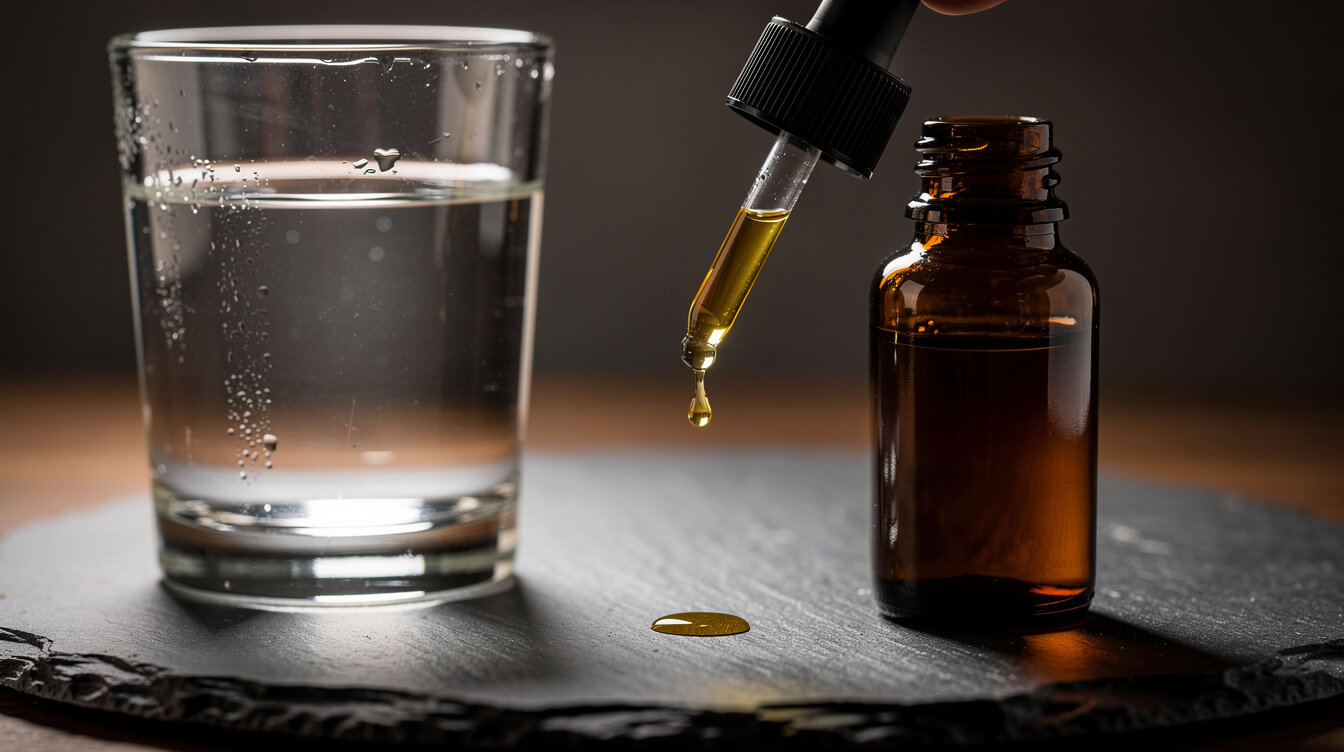
An ultrasonic diffuser is a tank of water with a vibrating disc at the bottom. You add a few drops of oil, the disc shatters the water into a cool fog, and the oil rides along inside those water droplets. Because the oil is suspended in water, the actual concentration reaching the air is tiny. That is why an ultrasonic recipe can call for six, eight, even ten drops and still smell gentle. The water is doing most of the diluting for you.
A Nebulizing Diffuser® works on completely different physics. There is no water and no heat. It uses Bernoulli’s principle, the same pressure effect that pulls fuel into a carburetor, to lift pure oil up a glass tube and burst it into a fine mist of micron-scale droplets. What reaches the room is one hundred percent essential oil, in the exact proportions the distiller bottled. That is wonderful for scent fidelity, because every top, middle, and base note survives intact. It also means a ten-drop ultrasonic recipe, run neat, can hit the room at several times the intensity you expected.
So the first reason the popular lists fail is dosage. The second is chemistry. When oil is suspended in water, viscosity barely matters, because the water carries everything. When oil has to climb a narrow glass tube on its own, thickness becomes the single most important property of the blend. A list that mixes thin citrus with thick vetiver in equal parts will read beautifully and run terribly. If you want the deeper physics of pure-oil dispersion, our guide to waterless diffusers for essential oils covers it in full.
The One Rule That Decides Every Recipe: Viscosity
Here is the rule that reorganizes every diffuser blend list once you understand it: in a waterless Nebulizing Diffuser®, an oil has to be thin enough to be drawn up the glass tube and atomized. Light, watery oils do this effortlessly. Thick, syrupy oils resist it, pool at the base, and over time leave a sticky residue that narrows the micro-tube until the mist weakens or stops. This is not a defect. It is fluid dynamics, and it is entirely predictable once you know which oils are thick.
From more than a decade of customer blending data and our own service records, the same short list of oils accounts for nearly every clogging report. These are the heavy, resinous, high-viscosity oils:
- Vetiver (dense, rooty, the thickest common oil)
- Patchouli (thickens further as it ages)
- Myrrh and Benzoin (true resins, very sticky)
- Frankincense (resinous, moderately thick)
- Sandalwood (heavy, slow to atomize)
- Cypress (denser than it smells)
None of these are banned. They are some of the most beautiful base notes in aromatherapy, and they belong in grounding blends. The point is that they cannot be the majority of a blend in a pure-oil machine, and they should never be run completely alone and neat. The opposite end of the spectrum runs flawlessly: citrus oils, peppermint, eucalyptus, lavender, tea tree, rosemary, and most florals and herbs are thin and volatile, exactly what a Nebulizing Diffuser® is built for. The tiers below are simply this rule applied to twelve real blends.
Sign Up to Get Your FREE Essential Oils e-Book Here
How to Read These Recipes: Neat Oil, Not Drops in Water
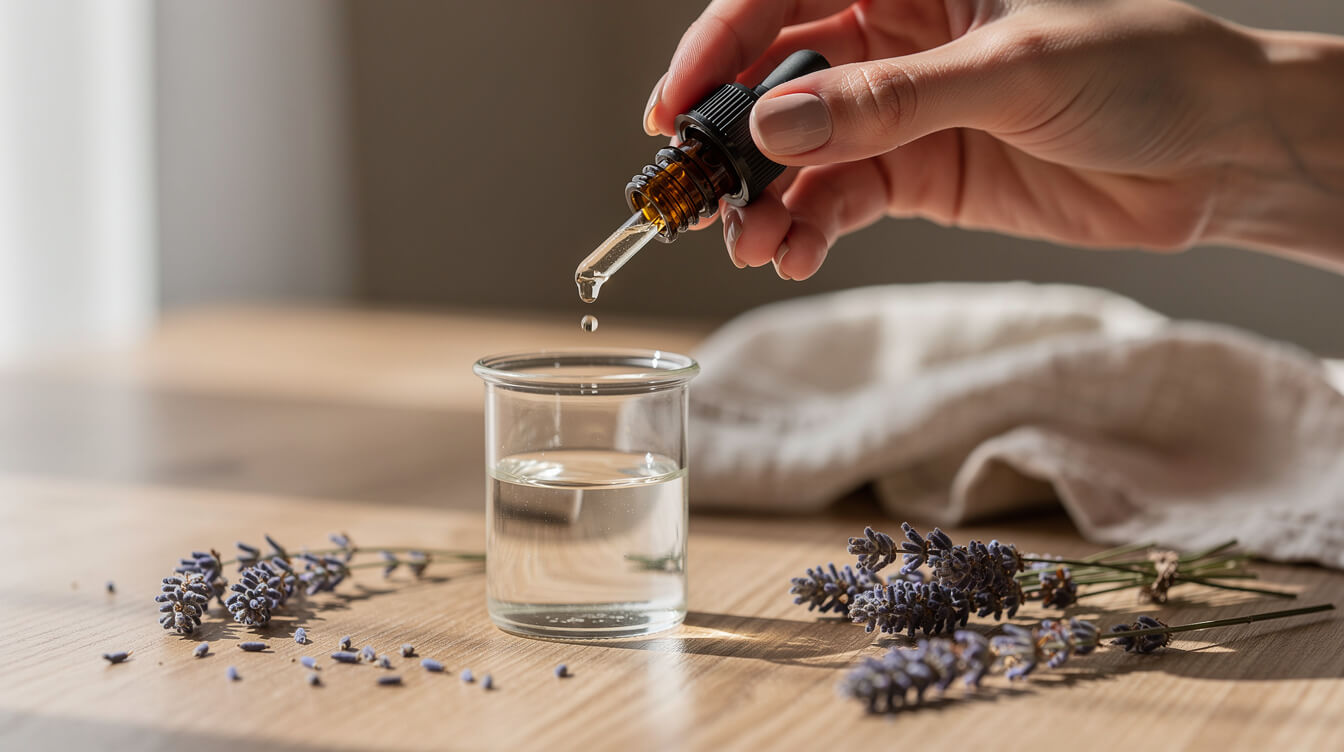
Every recipe below is written as a ratio, not as a fixed dose to drown in water. You build the blend neat, directly in the glass reservoir or in a small amber bottle you keep for that blend. A good working batch for a Nebulizing Diffuser® is fifteen to thirty total drops, which gives roughly one to two hours of diffusion on a low setting. Keep the oil at least a quarter inch below the top of the small glass tubes inside the reservoir so it never overflows the air path.
Because the machine runs in bursts, you control intensity with time, not with water. Start with a two-minutes-on, one-minute-off interval, or use app scheduling on a smart model, and let the aroma fill the room rather than aiming for a constant cloud. A blend that smells faint in an ultrasonic unit can feel surprisingly forward here, so always begin lighter than you think you need. The ratios below are balanced so the top notes announce the blend, the middle notes carry it, and the base notes hold it together across the session. For a deeper look at the top, middle, and base note framework, our companion piece on the note-frequency method for diffuser blends walks through the theory the recipes are built on.
One myth worth clearing up before you blend: phototoxicity. Several citrus oils, especially cold-pressed bergamot and lime, are phototoxic on skin in sunlight. That risk lives on the skin, not in the air, so you do not need furanocoumarin-free citrus just to diffuse it. If you also use these oils topically, our guide to phototoxic essential oils explains the chemistry and the safe dilutions.
12 Tested Essential Oil Diffuser Recipes, Ranked by Tier
The blends are grouped by how they behave in a waterless Nebulizing Diffuser®. Tier 1 runs clean with no special care. Tier 2 runs well but rewards a weekly clean. Tier 3 is built around heavy base notes and needs the workaround in the next section. Drop ratios scale, so for a fuller reservoir simply double or triple while keeping the proportions.
Tier 1: Runs Perfectly Clean (Thin, Volatile Oils)
- Morning Clarity: 3 sweet orange, 2 peppermint, 1 rosemary. Bright and awake, a clean lift for a kitchen or home office.
- Calm Evening: 4 lavender, 2 bergamot, 1 clary sage. Soft and rounded, a classic wind-down blend. Pairs well with the picks in our best essential oils for sleep guide.
- Fresh and Clean: 3 lemon, 2 eucalyptus, 1 tea tree. Crisp and purifying, ideal after cooking or cleaning.
- Sharp Focus: 3 grapefruit, 2 rosemary, 1 peppermint. Cool and clarifying for deep-work sessions.
- Spa Day: 3 lavender, 2 geranium, 1 ylang ylang. Floral and serene, a quiet luxury blend.
- Citrus Garden: 3 sweet orange, 2 lime, 1 spearmint. Juicy and uplifting, a crowd-pleaser for shared spaces.
- Herbal Reset: 2 basil, 2 lemon, 1 rosemary. Green and energizing, a fresh midday change of pace.
Tier 2: Runs Well, Clean Weekly (Medium Body)
- Forest Walk: 3 fir needle, 2 cedarwood, 1 bergamot. Cedarwood is medium-bodied, so a citrus top note keeps it flowing.
- Warm Spice: 3 sweet orange, 1 cinnamon leaf, 1 clove. Phenol-rich spice oils are slightly sticky, so rinse the reservoir after a session.
- Rose Comfort: 2 geranium, 2 palmarosa, 1 rose absolute. Absolutes are thicker than steam-distilled oils, so keep them to a single drop and clean afterward.
If you are building a small starter shelf, this is where a reliable, easy-to-clean machine earns its keep. Our Raindrop Smart Nebulizing Diffuser® runs neat pure oils, dismantles in seconds for rinsing, and handles the Tier 2 blends above without complaint.
Tier 3: Heavy Base Notes, Use the Workaround
- Grounding Meditation: 3 cedarwood, 2 bergamot, 1 vetiver. Vetiver is the thickest common oil, so it stays a one-drop minority while the citrus carries it up the tube.
- Sacred Resin: 3 sweet orange, 2 frankincense, 1 sandalwood. Both resin and sandalwood are heavy, so the orange majority keeps the blend mobile and you clean immediately after.
Sign Up to Get Your FREE
e-Book Here…
Recipes That Need a Workaround: Grounding and Resinous Blends
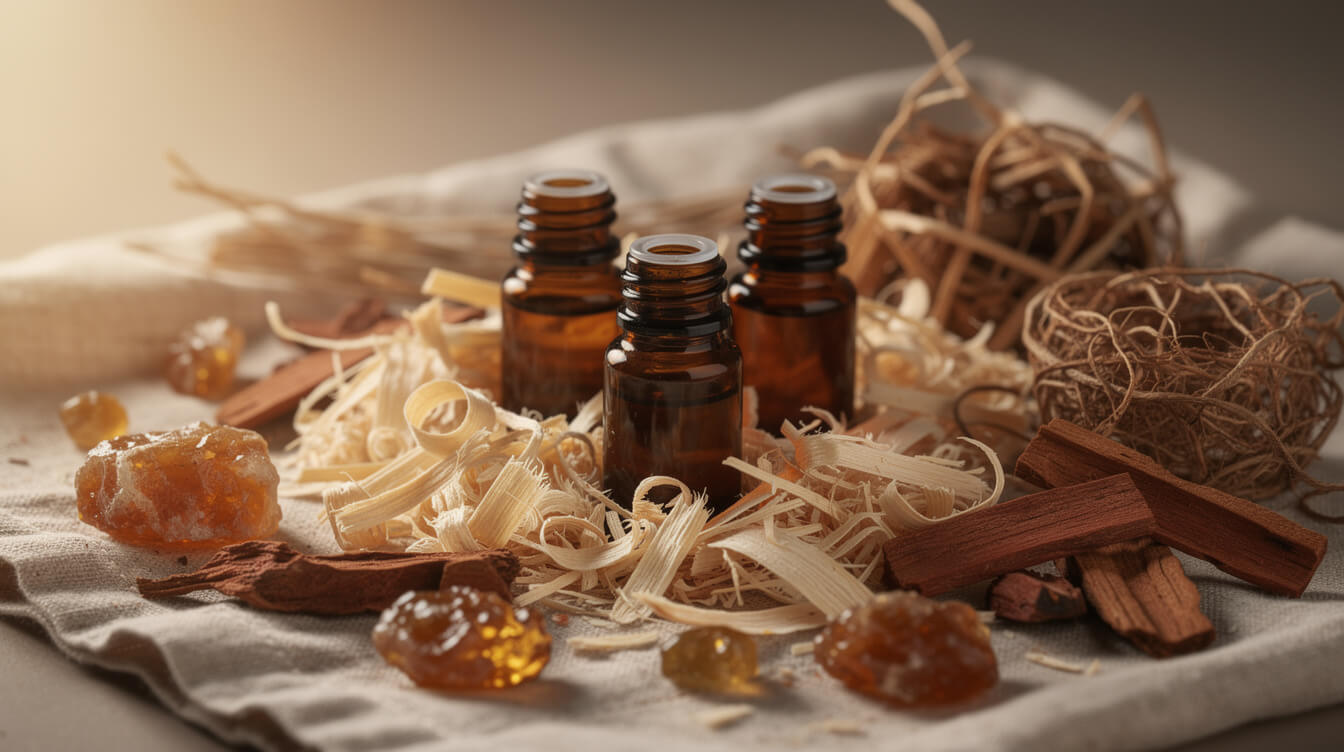
Grounding blends are the ones people most often abandon, because vetiver, sandalwood, frankincense, and patchouli are exactly the oils that struggle in a pure-oil machine. The good news is that you do not have to give them up. You just have to respect the viscosity rule and build the blend so a thin oil does the heavy lifting of getting everything airborne.
The method has three parts. First, keep the thick oil to a minority, ideally one drop out of every five or six. In the Grounding Meditation blend, vetiver is a single drop against five lighter ones, so the mix as a whole stays thin enough to atomize. Second, lead with a generous thin top note, almost always a citrus, which lowers the overall viscosity and pulls the heavier molecules up the tube alongside it. Third, and this is the step most people skip, clean the reservoir right after the session rather than letting the residue dry. A quick rinse with high-proof alcohol while the oil is still liquid takes seconds. The same residue left to harden overnight is what turns into a clog.
Treated this way, the richest blends in aromatherapy run reliably in a Nebulizing Diffuser®, and they reward you with the full, undiluted depth that water-based units can never deliver. One more note on safety, since heavier blends are often used in bedrooms and meditation spaces shared with animals: not every oil is safe to diffuse around pets. Before you run a resinous or citrus-heavy blend near cats or birds, check our guide to essential oils safe for pets.
Getting the Most From Every Blend: Sessions, Cleaning, and Storage
A great blend can still underperform if the habits around it are wrong. Three practices separate people who love their pure-oil diffusion from people who fight it. The first is session length. Fifteen to thirty drops on a low, intermittent setting gives one to two hours of beautiful scent, and shorter sessions are almost always better than longer ones. Olfactory fatigue means the room smells strongest to someone walking in, not to you sitting in it, so resist the urge to keep adding more.
The second is cleaning. A weekly rinse with high-proof isopropyl alcohol keeps the glass clear and the mist strong, and it is non-negotiable after any Tier 2 or Tier 3 blend. Many machines that customers believe are broken are simply holding a week of dried citrus and resin in the micro-tube, and a single proper cleaning brings them back to full output. The third is oil quality and storage. Use only one hundred percent pure essential oils, never carrier oils, fragrance oils, or anything pre-diluted, and replace oils that are more than two or three years old, because they oxidize, thicken, and turn sticky, which is viscosity working against you all over again. For the full method behind cold-air, pure-oil diffusion, our cold air diffuser buyer’s guide is the deepest reference on the site.

Join Our Exclusive Member Club to get Big Discounts!
Frequently Asked Questions
How many drops of essential oil go in a nebulizing diffuser?
Fifteen to thirty total drops of neat oil gives roughly one to two hours of diffusion on a low setting. Because there is no water diluting the oil, start lighter than an ultrasonic recipe would suggest and add more only if the room reads faint to a fresh nose.
Can I use ultrasonic diffuser recipes in a waterless diffuser?
You can use the scent combinations, but not the doses or the thick-oil-heavy ratios. Ultrasonic recipes assume water is diluting everything, so they often run too strong and too thick when poured neat. Convert them to ratios, keep heavy oils to a minority, and lead with a thin top note.
Why does my diffuser blend smell weak or stop misting?
The most common cause is a partial clog from a thick or aged oil drying inside the glass micro-tube. Clean the reservoir with high-proof alcohol, avoid running heavy oils neat and alone, and replace oils older than two to three years. Output almost always returns after a proper cleaning.
Which essential oils should I avoid running alone in a nebulizing diffuser?
Vetiver, patchouli, myrrh, benzoin, frankincense, sandalwood, and cypress are all thick or resinous. They are excellent base notes in a blend but should never be diffused alone and neat. Pair them with a thin citrus majority and clean immediately after the session.
Final Thoughts
The best essential oil recipes for diffuser use are not the longest lists. They are the blends that match the machine you actually own. In a waterless Nebulizing Diffuser®, that means thinking in ratios instead of doses, respecting viscosity, and giving the rich grounding blends the small workaround they need to shine. Start with a Tier 1 blend tonight, keep your reservoir clean, and you will hear the difference that pure, undiluted oil makes the moment the mist hits the air.
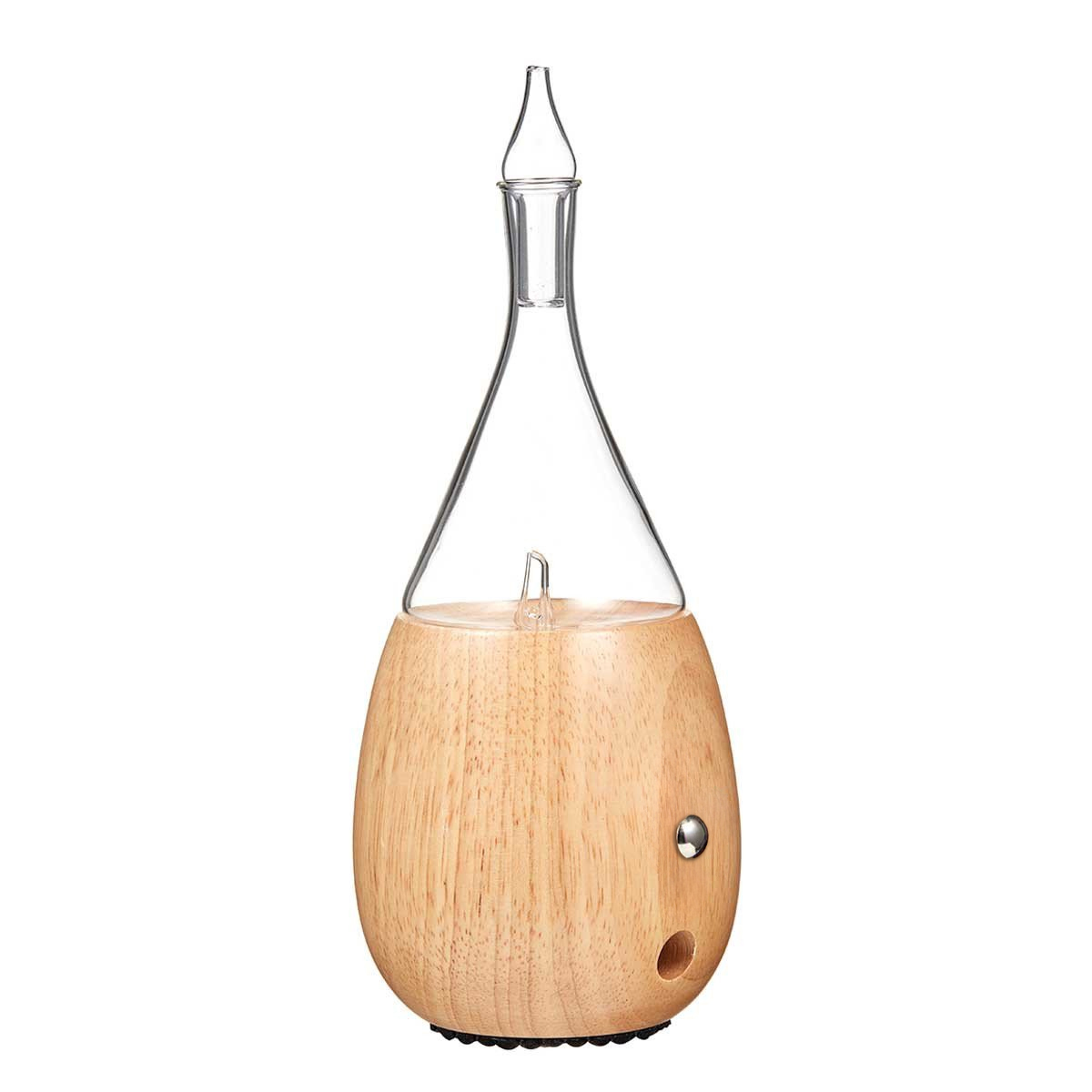
Run These Blends the Way They Were Meant to Smell
The Raindrop Smart Nebulizing Diffuser® delivers pure, undiluted essential oils with no water and no heat, so every blend in this guide reaches the room exactly as composed.