

The First Pomanders Held No Orange, Just Ambergris in a Gold Ball
Somewhere this week, someone is pressing cloves into an orange at the kitchen table. The orange smells like a December evening, and it’s a newer arrival to the tradition than you’d think.
This week’s pour: 5 drops sweet orange, 2 drops amyris, 1 drop clove bud in your Nebulizing Diffuser®. That’s eight drops. The orange opens the blend like a peel cracking under your thumbnail. Clove is the warm, slightly smoky note that makes it read as a pomander rather than breakfast juice. Amyris sits underneath and holds the two together with a soft, dry woodiness. One drop of clove is enough, because clove gets loud quickly.
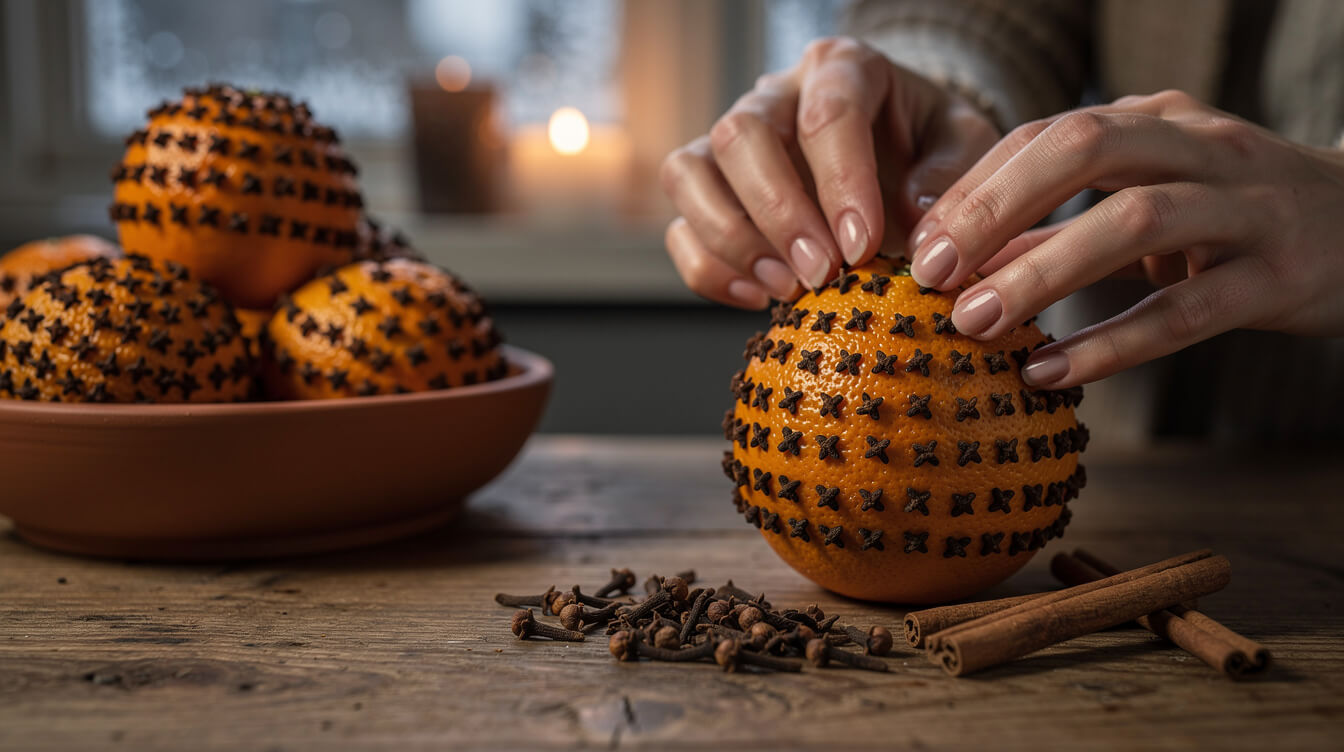
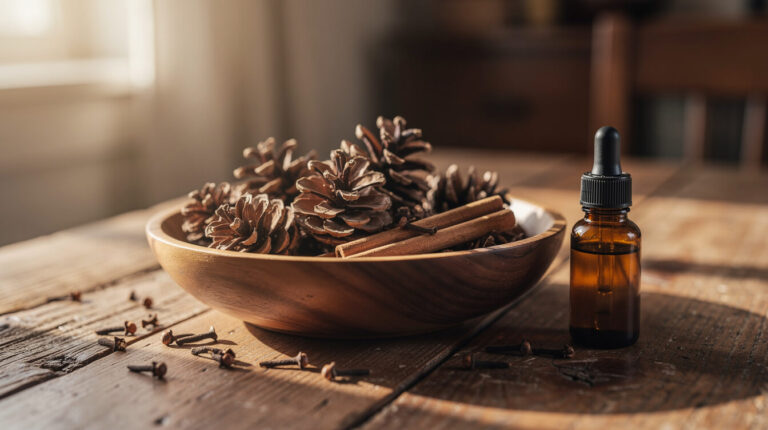
Here’s the jewel. The first pomanders had no orange in them at all. The word comes from the Old French pomme d’ambre, “apple of amber,” and the amber was ambergris. Medieval and Tudor pomanders were a perfumed paste carried inside a pierced gold or silver ball worn on a chain or belt. A sixteenth-century recipe calls for benzoin, labdanum, storax, rose water, ambergris, musk and civet, then a coating of cinnamon, “sweet sanders” (sandalwood) and cloves. They were luxury jewelry, too: one London goldsmith’s 1576 stock listed 224 gold pomanders. Fruit had joined the story by Henry VIII’s reign. Cardinal Wolsey’s gentleman usher, George Cavendish, describes him carrying a hollowed orange stuffed with a vinegar-soaked sponge and holding it to his nose as he walked through the crowds of suitors. The clove-studded orange we make today is the version that stuck. It quietly kept two of the old coating spices, which is why today’s blend borrows the sandalwood note through amyris. (Amyris is often called West Indian sandalwood, though the two plants aren’t related.)
Diffuse it for about 20 minutes while you set the table or wrap the first gifts. If you’d like the full Tudor coating, add one drop of cinnamon. Ours is bark oil, so one drop is plenty. And if you’re making a real pomander this week, start now. A clove-studded orange needs two to three weeks in a cool, airy spot to dry, which puts it right on the mantel by early December.

Sign Up to Get Your FREE Essential Oils e-Book ($9.99 Value)
For more of the season’s scents, our guide to Christmas essential oils has a dozen more, and our clove bud oil-of-the-day explains why the bud is softer than the leaf.
The orange has been the junior partner in this tradition for 500 years. This week it gets to lead. Warmly, Chad