


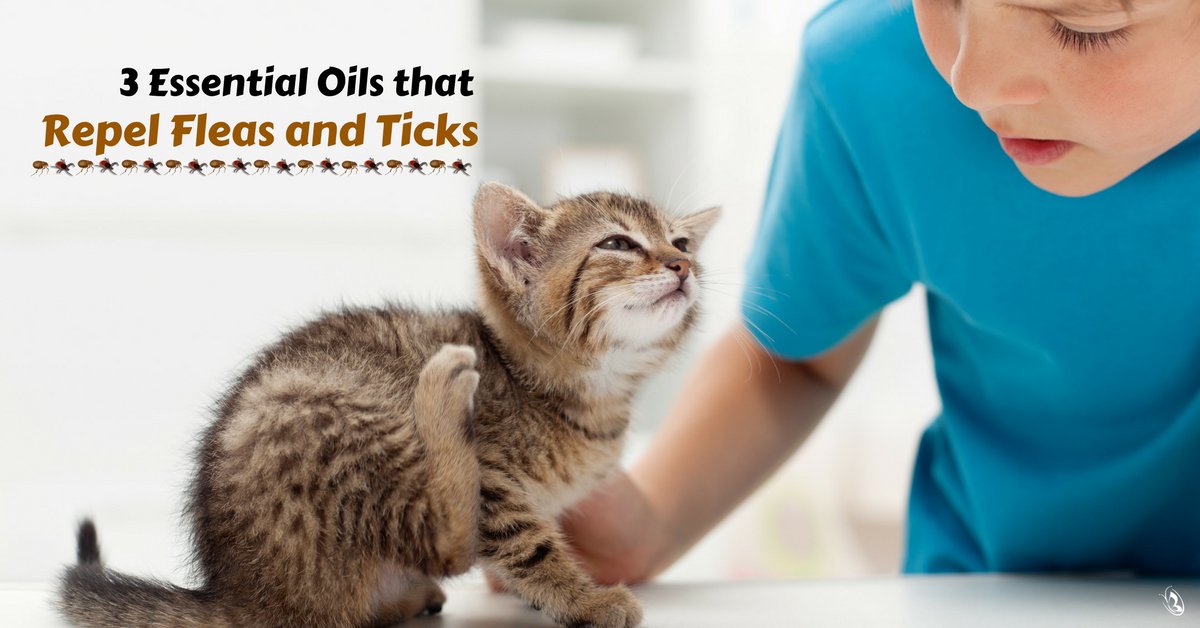
What Smells Do Fleas Hate? Essential Oils That Repel Fleas and Ticks
Short answer: fleas hate strong herbal, woody and citrus scents. Cedarwood, lemongrass, peppermint, citronella, rosemary, eucalyptus and lavender are the usual picks. The honest catch: essential oils can make your home less inviting to fleas, but they do not clear an infestation on your pet, and several of them are toxic to cats. Here is what actually works, how to use the oils around the house, and where the safety line sits for pets.
Fleas and ticks hitch a ride indoors on dogs, cats and trouser cuffs, and fleas in particular multiply fast. That is why the question people ask most is not which oil smells nicest, but which one fleas truly avoid. This guide answers that, and corrects some old advice (including advice this very page used to give) that is no longer considered safe for pets.
What Smells Do Fleas Hate?
Fleas find a host by sensing warmth, carbon dioxide and movement, and strong aromatic compounds interfere with that. These are the scents with the best track record:
- Cedarwood: the classic flea deterrent. Cedar oil is one of the ingredients the US EPA lists as a minimum-risk pesticide, and cedar chips have lined dog beds for generations.
- Lemongrass: rich in citral and geraniol, two compounds used in commercial insect repellents. Bright and clean-smelling in a room spray.
- Peppermint: intensely minty menthol that most insects avoid. Strong, so a little goes a long way.
- Citronella: best known for mosquitoes, also a long-standing flea and tick deterrent.
- Rosemary: camphor and 1,8-cineole give it a sharp herbal edge that pests dislike.
- Eucalyptus: crisp and camphoraceous, useful in floor-washing water and room sprays.
- Lavender: the most recommended flea oil online, and the gentlest scent on this list. More on how well it really works below.
The jewel most guides miss: cedar oil, citronella, lemongrass, peppermint, rosemary, clove and thyme oils all appear on the EPA list of minimum-risk pesticide ingredients. Lavender, the oil almost every flea article leads with, does not. That does not make lavender useless, but it tells you which oils regulators already recognize as pest repellents.

Does Lavender Repel Fleas?
Somewhat. Lavender is high in linalool, and linalool is a registered insect repellent ingredient, so fleas are unlikely to enjoy a lavender-treated rug. But lavender is milder than cedarwood or lemongrass, and there is little direct evidence that it repels fleas on its own. Treat it as the pleasant top layer of a blend rather than the main defense. And no, fleas do not like lavender; it does not attract them.
A good balance for living areas is two parts cedarwood, one part lemongrass and one part lavender: woody and fresh, with the lavender softening the sharper oils.

Sign Up to Get Your FREE Pets
e-Book ($9.99 Value)
Why Oils Alone Will Not Clear a Flea Problem
Here is the number that changes how you fight fleas: the adult fleas you see on your pet are only about 5% of the population. The other 95% are eggs, larvae and pupae in carpets, bedding, sofa seams and floor cracks. Pupae can sit dormant in their cocoons for months, then hatch when they sense warmth, vibration and carbon dioxide, which is why a house can seem flea-free and suddenly erupt when people come home from a trip.
So the plan that works has three parts:
- Treat the pet with a vet-approved flea preventative. This is the step essential oils cannot replace.
- Clean the environment. Vacuum daily for two to three weeks (the vibration coaxes pupae out where the vacuum can catch them), empty the canister outdoors, and wash pet bedding and throws on the hottest cycle the fabric allows.
- Use essential oils to keep the house less inviting. Room sprays, floor washes and diffusing make treated areas unattractive to fleas that do get in.
How to Use Essential Oils Against Fleas in Your Home
Home perimeter spray (for floors and fabrics, not pets)
- 1 cup distilled water
- 1 tablespoon witch hazel or unflavored vodka (helps the oils disperse)
- 10 drops cedarwood essential oil
- 6 drops lemongrass essential oil
- 4 drops peppermint essential oil
Shake well and mist rug edges, baseboards, under furniture and around doorways after you vacuum. Test fabrics on a hidden spot first, let everything dry fully before pets come back into the room, and skip any area where a cat sleeps or grooms.
Floor wash
Add 5 to 8 drops of cedarwood or eucalyptus to a bucket of warm mop water for hard floors. Rinse areas where pets lie so no oily residue stays on their paws.
Diffusing
A Nebulizing Diffuser® fills a room with pure oil and no water, so a cedarwood and lemongrass blend gives the space a fresh, woody scent that pests dislike. Think of it as a scent layer, not a flea treatment. Run short sessions in a ventilated room, and always leave a door open so pets can walk away.
What About Ticks?
Ticks are a different problem from fleas: they wait on grass and brush rather than breeding indoors, and some carry Lyme disease, so the stakes are higher. Cedarwood, citronella, lemongrass and geranium (rich in geraniol) are the oils most used in natural tick sprays for clothing and outdoor gear.
One detail worth knowing: when the CDC lists “oil of lemon eucalyptus” as an effective tick repellent, it means a refined product (PMD) sold as a registered repellent, not lemon eucalyptus essential oil from a dropper bottle. For walks in tick country, use a registered repellent, wear long trousers tucked into socks, and check yourself and your dog when you get home.

Sign Up to Get Your FREE
e-Book ($9.99 Value)
Essential Oils and Pets: Where the Safety Line Sits
Older advice, including an earlier version of this article, suggested homemade essential oil flea collars and spraying oils directly on pets. We no longer recommend either. Pets groom, which means oil on the coat ends up swallowed, and a strong scent sitting right under a dog’s nose all day is a lot for an animal that smells far more acutely than we do.
- Cats: cats lack an important liver enzyme for breaking down many essential oil compounds. Never apply essential oils to a cat, and keep sprays out of the rooms where they sleep. Tea tree, peppermint, citrus, eucalyptus, cinnamon and clove are among the oils of most concern. See which essential oils are safe for cats.
- Dogs: dogs tolerate more than cats, but do not apply oils to the coat or skin without your vet’s OK. Puppies, older dogs and dogs with breathing problems need extra care.
- Tea tree oil: a review of 443 dogs and cats poisoned by concentrated tea tree oil, reported to the ASPCA Animal Poison Control Center, found most had been given it on purpose, often for skin or flea problems. Keep it off pets entirely.
- Pennyroyal: an old folk flea remedy that is seriously toxic to pets and people. Avoid it completely.
If a pet drools, vomits, wobbles, paws at its face or breathes with difficulty after exposure to an oil, move it to fresh air and call your vet or the ASPCA Animal Poison Control Center at (888) 426-4435. For a fuller guide, read our article on essential oil safety for animals.
Frequently Asked Questions About Essential Oils for Fleas
What smell do fleas hate the most?
Cedarwood is the strongest everyday choice, followed by lemongrass, peppermint and citronella. Cedar oil is also on the EPA list of minimum-risk pesticide ingredients, which lavender is not.
Does lavender repel fleas?
Mildly. Lavender contains linalool, a known insect repellent compound, but it is gentler than cedarwood or lemongrass. Use it as part of a blend rather than on its own.
Does peppermint oil kill fleas?
Peppermint repels fleas more than it kills them, and it should never be used on cats. It works best in a home spray with cedarwood and lemongrass, applied to floors and fabrics rather than to pets.
Can I put essential oils on my dog for fleas?
Not without your vet’s OK. Dogs lick their coats, so oils on the fur get swallowed. A vet-approved flea preventative on the dog, plus oils used around the house, is the safer combination.
Are essential oils safe for cats with fleas?
No. Cats cannot break down many essential oil compounds, so never apply oils to a cat. Ask your vet for a cat-safe flea treatment and keep oil sprays out of the rooms your cat uses.
What is a natural flea repellent for humans?
A light mist of a diluted cedarwood, lemongrass or citronella spray on socks and trouser cuffs is a common home approach. For areas with ticks, the CDC recommends registered repellents, and the “oil of lemon eucalyptus” it lists is a refined product, not the essential oil.
A Flea-Free Home, the Natural Way
Fleas are beaten by persistence, not by a single product: a vet-approved treatment for the pet, daily vacuuming while the life cycle runs out, hot washes for bedding, and a home that smells of cedarwood and lemongrass rather than a welcome mat. For more natural pest ideas, see our guide to essential oils and insects and our DIY natural insect repellent recipes.





I used Lemon Eucalyptus as I did not have any Lemongrass, along with the Lavendar and Citronella In her water spray for the ticks and fleas
Do you feel the oils are safe on dogs that are nursing?
I moved. New, humid climate for my dog. Fleas now a problem. I REFUSE to poison him w/ vet approved pesticides. Made a cotton, used the appropriate oil w/mixer and he is flea free and very happy. Ty so so much for this!!!!
Am not happy with the above article. I spent 10 years selling ESS oils and am barely happy to be using neat tea tree in my lower clothes draws and in corner of bed. Plan to either use kitchen towel or cotton wool for the oil as a repellant. Citronella would be more effective but its toxicity to cats rules it out. Do not use a disperser that you put pure oils in as they go into the air, onto your pets coat and when your cat grooms itself into your cat. The collar idea isn’t the best as by placing strong scents onto it means that your cat may get distressed as it will not be able to escape from the smell
When using essential oils with pets #1. get good quality oils, ie not from a big box store. #2 dilute, dilute, dilute. #3 start low and slow. Never put undiluted essential oils on your pets, and never on the pads of their paws. Do your research on the best brands of oils to buy. They may say 100% pure on the bottle, but the FDA says it only needs to be 5% to put that label on.
DANGER!!!!!!!!!! BAD ADVICE in the comments —-NEVER EVER USE TEA TREE OIL AROUND ANY non-human animal! IT’S DEADLY and no known cure! Most essential oils should be avoided around cats & birds as there is definite toxicity to them and for many oils, unknown safety as studies are mainly done for/on humans and dogs if any animals. NEVER use any essential oil on or around your animal without consulting a VET! That being said for HUMANS only u can apply lavender without diluting and tea tree all others have 2 be diluted. Again, if u have animals NEVER use Tea Tree around them!
Lemon grass oil is great for humans and knats!
I did something terrible I put straight peppermint oil on my fur baby to ward off feas and ticks. I didn’t know about putting a different oil to mix with the oil. He kept running around and I realized that it was too much for him, so I bathe him to wash off the oil and washed him with oatmeal. How much harm did I do??? I feel sick about this I don’t want him to get sick. Please advise. Thank you
I just read a story on Facebook about a dog that got really sick on tree tea oil used in a defuser. Might be best to skip that one around your dog.
Lynne kelly cooper, thanks for your post. Ive heard the same thing about cats not being able to tolerate most any essential oils. Just because its natural, doesnt mean safe or non toxic by any means.
My Vet says that essential oils that are sold online don’t work. the frontline pipettes and similar are what the vets say work.
My baby girl is just that, my baby girl. You tell the Vet you don’t want to feed your dog a systemic POISON to toxify their blood to control the pests. The Vet acts like your abusing your animal. And if they get side effects their just “sensitive” NO they have been POISONED. Knowledge of the facts and a true love of your best friend will bring you to the natural and safest route to protect your pet and i believe extent their lives.
Tea tree oil is also very good I ha made my own spray with citronella, tea tree, lavender, peppermint, and lemon grass. I mix about 5 drops of each in a bout a few drops of carrier oil like pure naturals light carrier oil and about 1/2 cup of water mix well and put into a spray bottle. I spray my dogs before they go out and also put this solution on their collars. I have been doing this for years. No problems. All natural. And my fur friends smell really nice.
What is the ratio of lemongrass oil and water for flea control and how often do you apply
FLEAS! are horrible~! I really appreciate ALL of the comments on fleas and natural oils for getting rid of them.I can not tolerate harsh chemicals. The mere scent of them causes me breathing difficulties.It can not be good for animal,either.Natural remedies are the best.
Beware! There are NO essential oils that are safe for cats!. Even diffusing can kill a cat and has. Their livers cannot metabolize essential oils like dogs and humans. Many oils are also not tolerated by dogs as mentioned in the article. 15 drops on a collar is far too much! 1-2 drops is safer. Do your homework. Find out from an animal aromatherapist what oils dogs can handle and use dilutions recommended by them. I highly recommend “Holistic Aromatherapy for Animals” by Kristen Leigh Bell or find a reputable website.
Wow, this is really great! My sister would be very interested in this article!
This is perfect! My poor cat has suffered enough from these unending fleas!
Thank you for this helpful and interesting article! Very good information that I’ll be putting to use.
Love this article. It is just what I was looking for to pass on to a friend that is fighting a flee problem!
It seems great! I could use one.
This is so useful for our fur-babies! Can’t wait to own one 🙂
I’ve made my own tick and mosquito sprays and they work beautifully. When it comes to the pets, I would use essential oils any day over the poisonous alternatives. Thanks for a great article.
Looks interesting, I will try it!
Good to know as I have loved ones who have had lymes disease. Scary stuff.
These are great ideas! I need to share with my sister- they live in the middle of nowhere and have a problem with fleas and ticks!
Thanks for giving us another great way to use essential oils!
Great info. Thank you
Nie wiedziałam, że trawa cytrynowa ma takie właściwości. Pomocne wiadomości. Ale z olejkami i kotami trzeba uważać z tego co mi wiadomo.
Thank you for this article! Love it
That’s great news for those who have furbabies. I love the 3 oils mentioned. They really have a wide range of uses.
How interesting! I had no idea there were essentials oils that could do this!
Natural is always the way to go! Our precious pets are just as sensitive to environmental palutants and or skin irritants as our charished little ones can be, so any time I can do something to keep their care natural it is always my fist choice!
I’m always worried about flea meds we use. Will have to give this a try.
Good to know. I have two cats, and this is a much better option than chemicals.
Wow I had no idea you can use it on pets and fleas Thank you for the info will be trying it iut.
I have cats. Would these oils be safe to use on them or dogs only?