


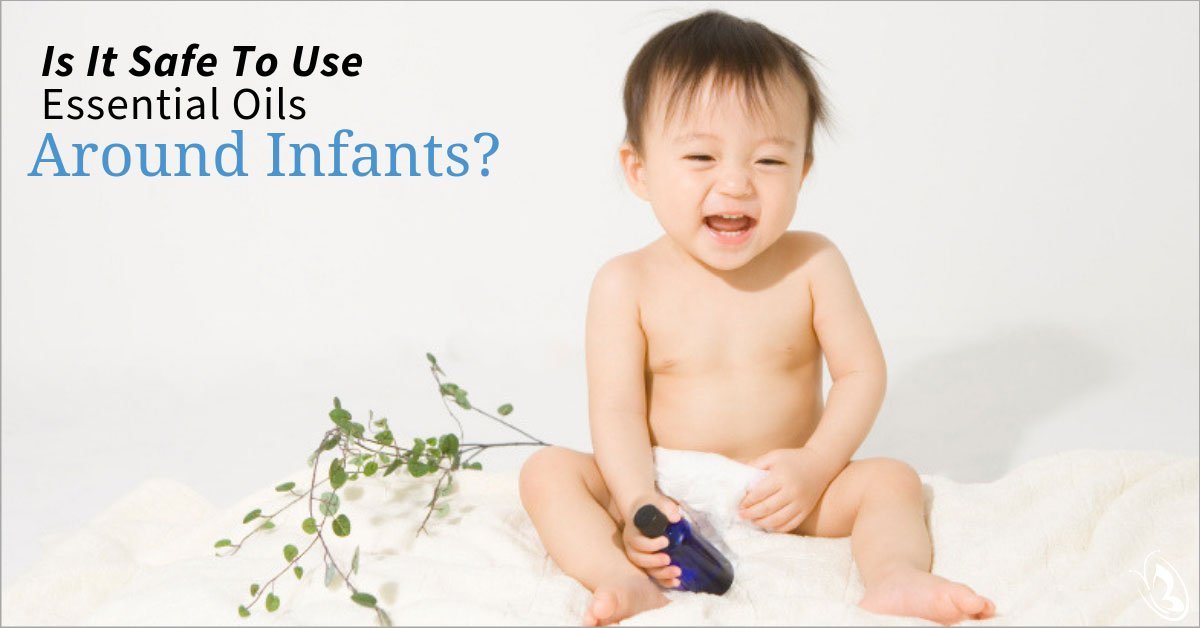
Essential Oils Around Infants: A Complete Safety Guide for Parents
Essential Oils and Infants: What Every Parent Needs to Know
Essential oils offer powerful benefits for adults, but when it comes to infants and young babies, the rules change completely. Babies have thinner skin, faster respiratory rates, and immature liver and kidney function, all of which affect how their bodies process aromatic compounds. What feels gentle to an adult can overwhelm a newborn’s developing system.
This does not mean you have to abandon aromatherapy entirely when you become a parent. It means understanding which oils are safe, which are not, and how to use them responsibly at every age. This guide walks through the science-backed guidelines for using essential oils around babies from birth through toddlerhood, so you can enjoy aromatherapy without compromising your child’s safety.
Why Infants Are More Vulnerable to Essential Oils
Understanding why babies react differently to essential oils is the foundation of using them safely. Several biological factors make infants more sensitive than adults.
- Thinner skin: An infant’s skin is 20 to 30 percent thinner than adult skin, allowing essential oil compounds to absorb faster and in higher concentrations. The skin barrier is also less developed, meaning irritants penetrate more easily.
- Immature liver enzymes: The liver metabolizes essential oil compounds, but babies under 3 months lack many of the enzymes needed to break down terpenes and phenols efficiently. This means aromatic compounds stay in their system longer.
- Faster breathing rate: Infants breathe 30 to 60 times per minute compared to 12 to 20 for adults. They inhale proportionally more airborne essential oil molecules relative to their body weight.
- Developing nervous system: Certain compounds like 1,8-cineole (found in eucalyptus and rosemary) and menthol (found in peppermint) can slow breathing or cause respiratory distress in very young children.
- Smaller body mass: A concentration that is mild for a 150-pound adult becomes extremely potent for a 10-pound baby. Dose-to-weight ratios matter enormously.
Age-by-Age Safety Guidelines
Newborns (Birth to 3 Months)
The safest approach for newborns is to avoid direct essential oil use entirely. Their systems are simply too immature to process these concentrated compounds safely.
- No topical application of any essential oil, even diluted
- No direct diffusion in the room where the baby sleeps
- Passive exposure is acceptable: If you diffuse essential oils in another room of the house, trace amounts that travel through ventilation are generally not a concern
- Alternative: Use your nebulizing diffuser in your own bedroom or living area with the nursery door closed
Infants (3 to 6 Months)
After 3 months, a very limited number of essential oils can be introduced with extreme caution.
- Safe oils: Lavender (Lavandula angustifolia) and Roman chamomile (Chamaemelum nobile) only
- Diffusion: Brief sessions (15 to 20 minutes maximum) in a well-ventilated room. Keep the diffuser at least 6 feet from the baby.
- Topical: Maximum 0.1% dilution (1 drop of essential oil per 4 tablespoons of carrier oil). Apply to the soles of feet only.
- Never apply to: Face, chest, hands (babies put their hands in their mouths), or near mucous membranes
Older Infants and Toddlers (6 to 24 Months)
The safe oil list expands gradually as your baby grows.
- Additional safe oils: Mandarin, sweet orange, dill, cedarwood (Atlas), and tea tree (for topical use on skin conditions, well diluted)
- Diffusion: Sessions of up to 30 minutes in a ventilated room. Use intermittent settings if your diffuser offers them.
- Topical: Maximum 0.25% dilution (1 drop per 2 tablespoons of carrier oil). Can apply to back, chest (avoiding the face), and soles of feet.
- Bath: 1 drop of lavender mixed into a tablespoon of whole milk or carrier oil first (never add essential oils directly to bath water, as they float on the surface undiluted)
Children (2 Years and Older)
After age 2, most gentle essential oils can be introduced. For a comprehensive guide to using aromatherapy with older children, see our full article on aromatherapy for children.
- Topical: 0.5 to 1% dilution (3 to 6 drops per tablespoon of carrier oil)
- Diffusion: Standard sessions are appropriate in shared family spaces
- Still avoid: Peppermint and eucalyptus until age 6 (due to 1,8-cineole and menthol content)
Sign Up to Get Your FREE
e-Book Here…
Essential Oils to Avoid Around Babies
The following essential oils should never be used around infants or young children. Some contain compounds that can cause respiratory depression, seizures, or severe skin reactions in developing bodies.
- Peppermint (menthol can slow or stop breathing in infants)
- Eucalyptus (1,8-cineole poses respiratory risk under age 6)
- Rosemary (1,8-cineole and camphor content; avoid under age 6)
- Wintergreen and birch (contain methyl salicylate, toxic to children even in small amounts)
- Camphor (neurotoxic risk for young children)
- Clove and cinnamon bark (high phenol content, severely irritating to infant skin and mucous membranes)
- Oregano and thyme ct. thymol (high phenol content)
- Hyssop (contains pinocamphone, a known convulsant)
- Sage (high thujone content, neurotoxic risk)
If you enjoy these oils for your own wellness routine, simply use them in a separate room with the door closed. Your baby will not be affected by trace amounts in a well-ventilated home. For more on diffuser safety practices, see our comprehensive guide.
Safe Ways Parents Can Use Aromatherapy
Having a baby does not mean giving up aromatherapy. It means being intentional about where and how you diffuse. Here are practical strategies that let you enjoy your oils while keeping your infant safe.
- Diffuse in your own space: Run your nebulizing diffuser in the master bedroom, home office, or living area while baby naps in a separate room. A nebulizing diffuser does not add humidity or water vapor, which means it does not create the damp environment that concerns some pediatricians about ultrasonic models.
- Use roll-ons on yourself: Apply a lavender roll-on to your own wrists or temples for stress relief. The trace scent your baby encounters from skin contact during holding or nursing is at safe levels.
- Time your sessions: Diffuse for 20 to 30 minutes before bringing baby into a room, then turn off the diffuser and let the air circulate for 10 minutes before the baby enters.
- Store oils safely: Keep all essential oil bottles in a locked cabinet or high shelf. Ingestion of even a small amount of essential oil can cause serious harm to a child. If accidental ingestion occurs, contact Poison Control immediately (1-800-222-1222 in the US).
Gentle Aromatherapy for Baby (After 3 Months)
Once your baby is past 3 months, lavender and chamomile can provide gentle support for common infant challenges. Always use the lowest possible concentration and watch for any signs of sensitivity (fussiness, skin redness, changes in breathing pattern).
Sleep Support
Diffuse 1 to 2 drops of lavender in a well-ventilated nursery for 15 minutes before bedtime, then turn off the diffuser before placing baby in the crib. Research confirms that lavender inhalation reduces fussiness and promotes deeper sleep in infants over 3 months. Alternatively, add 1 drop of lavender to a cotton ball and place it near (but not in) the crib, at least 2 feet away.
Teething Discomfort
Roman chamomile has natural anti-inflammatory properties that can soothe teething discomfort. Dilute 1 drop in 4 tablespoons of coconut oil and gently massage the outside of the jaw and cheek area. Never apply essential oils inside the mouth or directly on the gums.
Colic and Fussiness
For babies over 3 months experiencing colic, a gentle abdominal massage with 1 drop of lavender or chamomile in 4 tablespoons of carrier oil may help. Massage the abdomen in gentle clockwise circles following the path of the digestive tract. The combination of touch, warmth, and the calming scent can help soothe both baby and parent during stressful episodes.
Join Now and Get a Coupon for 10% Off!
Choosing a Diffuser for a Home with Babies
Your choice of diffuser matters when infants are in the home. A nebulizing diffuser offers several advantages for families with young children.
- No water reservoir: Ultrasonic diffusers require standing water, which can harbor bacteria and mold if not cleaned daily. Nebulizing diffusers use pure oil only, eliminating this concern.
- No added humidity: Excess humidity in a nursery can promote mold growth and worsen respiratory congestion. Nebulizing technology disperses dry oil particles.
- Adjustable output: The adjustable intensity dial lets you control exactly how much oil is dispersed, an important feature when you want the lightest possible diffusion near infant spaces.
- No heat: Zero heat means zero burn risk from a curious toddler, and no degradation of the delicate therapeutic compounds in your oils.
- Natural materials: Handcrafted wood and glass construction means no BPA, no plastic chemicals off-gassing into the air your baby breathes.
For parents who want to enjoy aromatherapy while keeping the nursery oil-free, the Mobile Mini 2.0 is an excellent option. Its portable design and rechargeable battery let you move it easily between rooms and keep it in your personal space.
Frequently Asked Questions
Can I diffuse essential oils while breastfeeding?
Yes, diffusing in a room where you breastfeed is generally safe as long as you use baby-safe oils (lavender, chamomile) and keep sessions short. Avoid applying essential oils to your chest or breast area, as your baby could ingest them through skin contact during nursing. For detailed guidance, see our pregnancy and postpartum essential oils guide.
Is it safe to use a diffuser in the same room as a sleeping baby?
For babies under 3 months, no. After 3 months, you can diffuse lavender or chamomile briefly (15 minutes) before bedtime, then turn off the diffuser before baby goes to sleep. Never leave a diffuser running continuously in a nursery overnight. Learn more about proper diffuser safety practices.
My baby has a cold. Can I use eucalyptus oil to help them breathe?
No. Eucalyptus contains 1,8-cineole, which can cause breathing difficulties in children under 6. For congestion in infants over 3 months, use 1 drop of lavender in a warm-mist humidifier (separate from your essential oil diffuser) or place a lavender-infused cotton ball near the crib. Always consult your pediatrician for respiratory symptoms in infants.
What should I do if my baby has a reaction to an essential oil?
If topical: wash the area immediately with mild soap and water, then apply plain carrier oil to help dilute any remaining essential oil on the skin. If inhaled and baby shows signs of respiratory distress (rapid breathing, wheezing, blue lips), move to fresh air immediately and call 911. For skin redness or mild irritation, discontinue use and monitor. If ingested, do not induce vomiting. Call Poison Control at 1-800-222-1222 immediately.
At what age can children start using most essential oils safely?
Most essential oils become safe for children at age 2, though at lower dilutions than adult use (0.5 to 1% compared to 2 to 3% for adults). Eucalyptus, peppermint, and rosemary should wait until age 6 due to their 1,8-cineole and menthol content. For a detailed breakdown of age-appropriate oils and dilution ratios, see our complete guide to aromatherapy for children. You can also review our essential oil dilution guide for precise ratios at every age.




This was really helpful! I didn’t realize 3 was the age you could start introduction.
Common sense would tell me not to use this around infants; good to know I can at around 3 though
Interesting post. I learned something today.
Very good information thank you!
Thank you! This is so helpful and makes me feel so much better about using oils around the kids 🙂
Great information. Thank you for it.
thanks for sharing!
Thank you for this info. I love peppermint oil.
not until past the age of 3
This is very useful. I love using natural products for my kids. Thanks
the short answer is “No”
Thank you for sharing this important information … there are risks involved in both mainstream and alternative/complementary approaches. As I keep reminding some of my friends, “natural”, “organic”, “herbal” does not always mean “safe” … for any age.
Great info. Thanks
Good to know for when family or friends with youngsters visit
Very important to know about this. Cheers
As a grandmother, I really appreciated this article that puts the primary focus on the safety of the child. THANK YOU!
Thank you!
I have always used essential oils diffuser in my babys room.
Great information! I have wondered if they were safe for babies.
Thank you for the great information in your blog regarding safety of essential oils for infants. I will be passing your blog on top friends and family who have infants and young children, thanks again. Kiki
good topic to discuss
Thanx fot this article. I was looking for this information because I have baby and I did not know od I can use essential oils. I learn a lot with your blog