

Essential Oils for Cockroaches: 10 Natural Oils That Repel Roaches Effectively
If you have ever spotted a cockroach scurrying across your kitchen floor, you know the instinctive reaction — a mix of surprise and urgency to reclaim your space. Essential oils for cockroaches offer a powerful, chemical-free approach to keeping these unwanted guests out of your home. Rather than reaching for harsh pesticides that leave lingering chemical residues, nature provides a fragrant arsenal of plant-based compounds that cockroaches simply cannot tolerate.
A controlled laboratory study published in the Journal of Arthropod-Borne Diseases put five oils head-to-head against the brown-banded cockroach — and the results overturn the internet’s favorite advice. At the lowest dose tested (just 2.5%), rosemary oil killed 100% of cockroach nymphs, and oregano oil delivered 96.5–99.1% repellency with a residual effect lasting at least a week. Peppermint — the oil nearly every blog recommends first — managed only 5.2% mortality at that same low concentration. The lesson: not all essential oils for cockroaches are created equal, and the science tells a very different story than the top search results.
In this comprehensive guide, we will explore the science behind why essential oils for cockroaches actually work, reveal the ten most effective oils for the job, and share practical methods — including how a Nebulizing Diffuser® can provide continuous, hands-free protection throughout your home.
Why Essential Oils Work Against Cockroaches
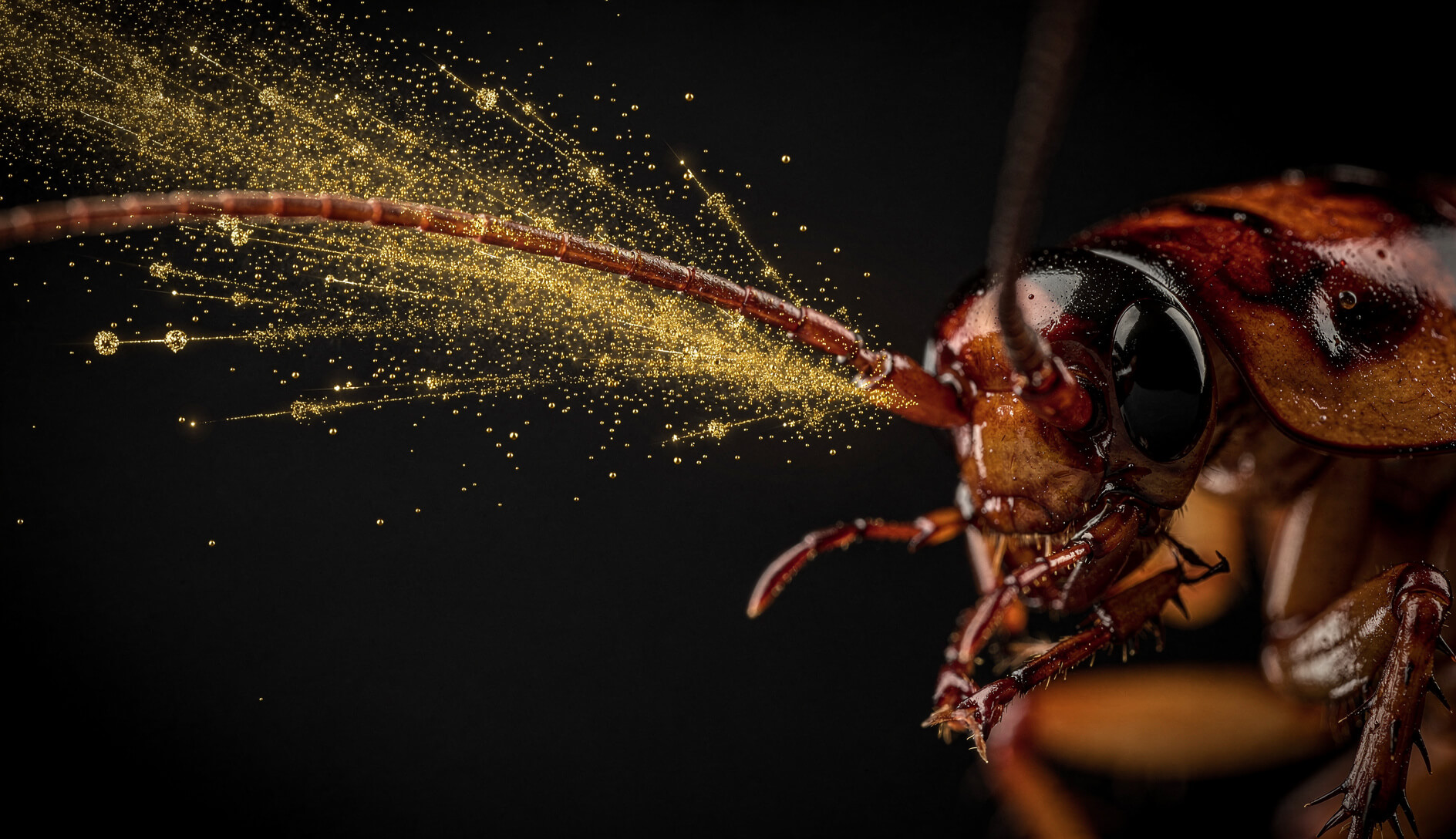
Cockroaches rely heavily on their antennae to navigate, find food, and detect danger. These antennae contain thousands of chemoreceptors — specialized cells that interpret chemical signals in the environment. Essential oils contain volatile organic compounds such as terpenes, phenols, and aldehydes that overwhelm these receptors, effectively scrambling the cockroach’s ability to function normally.
A study published in PubMed found that essential oils from plants like kaffir lime achieved 100% repellency against both American and German cockroaches in laboratory conditions. The mechanism is twofold: the intense aromatic compounds irritate the cockroach’s sensory system, and certain oil components — particularly eugenol found in clove oil and menthol in peppermint — can be directly toxic upon contact.
Unlike synthetic pesticides that cockroaches can develop resistance to over time, essential oils present a complex cocktail of compounds that makes adaptation extremely difficult. This is why aromatherapists and natural pest control advocates have turned to these plant-based solutions as a sustainable alternative.
What the controlled data actually shows. In the brown-banded cockroach trials, fumigant mortality at the lowest 2.5% concentration ranked as follows after 24 hours: rosemary 100%, oregano 62.2%, yarrow 45%, eucalyptus 36.2%, and peppermint just 5.2%. Push the concentration to 5–30% and oregano and eucalyptus also reach 100% mortality — while oregano proves the single best repellent of the group at 96.5–99.1%. The practical takeaway for your home: rosemary and oregano are the heavy hitters, whereas peppermint earns its popularity as a fast-acting scent deterrent rather than a lethal agent.
The chemistry behind those numbers is 1,8-cineole, the dominant monoterpene in eucalyptus and rosemary. Earlier fumigation work (Phillips & Appel, 2010) measured its toxicity to adult male German cockroaches at an LC50 of just 6.8 mg per liter of air — meaning a small amount of vapor is enough to overwhelm the octopamine signaling pathway insects rely on, a pathway humans and mammals simply do not possess. That is precisely why these oils can be hard on roaches yet pleasant to us.
The 10 Best Essential Oils for Cockroaches

Not all essential oils for cockroaches are equally effective. Based on scientific research and practical results, here are the ten most potent options ranked by effectiveness.
1. Peppermint Essential Oil — The most widely recommended essential oil for cockroaches, peppermint contains high concentrations of menthol that cockroaches find intensely repulsive. Its sharp, cooling aroma is pleasant for humans but acts as a powerful deterrent. Studies show peppermint oil can repel cockroaches for up to 24 hours when applied at sufficient concentration. One honest caveat from the controlled research: peppermint was the gentlest of the tested oils by mortality (5.2% at a 2.5% dose), so it shines brightest as a fast scent deterrent and blend brightener — pair it with rosemary or oregano when you want real staying power.
2. Tea Tree Essential Oil — Known for its potent antimicrobial properties, tea tree oil is equally impressive as a cockroach repellent. Its strong medicinal aroma disrupts the pheromone trails cockroaches use to communicate and navigate, making it harder for them to establish routes through your home.
3. Eucalyptus Essential Oil — Rich in eucalyptol (1,8-cineole), eucalyptus oil creates an aromatic barrier that cockroaches actively avoid. Research has shown that eucalyptus is particularly effective against the German cockroach, one of the most common household species — and in the brown-banded cockroach trials it reached 100% mortality at concentrations of 5–30%, driven by that same 1,8-cineole content.
4. Rosemary Essential Oil — In the Journal of Arthropod-Borne Diseases study, rosemary oil demonstrated a remarkable 100% mortality rate against brown-banded cockroaches at concentrations between 2.5% and 30%. This makes it one of the most scientifically validated options available.
5. Lavender Essential Oil — While we love lavender for relaxation, cockroaches despise its floral, herbaceous scent. Lavender is particularly useful because it pulls double duty — calming your nervous system while repelling pests.
6. Cedarwood Essential Oil — The woody, warm aroma of cedarwood has been used as a natural insect repellent for centuries. Its active compound, cedrol, interferes with cockroach respiratory systems and acts as a natural fumigant.
7. Thyme Essential Oil — Containing thymol, a powerful phenolic compound, thyme oil has demonstrated both repellent and insecticidal properties. It is particularly effective when combined with other oils in a blend.
8. Lemon Essential Oil — Citrus oils are natural degreasers that also happen to repel cockroaches. Lemon oil contains limonene, a compound that is toxic to many insects on contact while leaving behind a fresh, clean fragrance.
9. Cinnamon Essential Oil — The eugenol in cinnamon bark oil is a known insect repellent. Its warm, spicy scent creates an aromatic perimeter that cockroaches will not cross, making it excellent for doorways and entry points.
10. Oregano Essential Oil — The dark-horse champion. In the Journal of Arthropod-Borne Diseases trials, oregano was the single most effective repellent of every oil tested — posting 96.5–99.1% repellency with a residual effect that lasted at least a week after application, plus 100% mortality at 5–30% concentrations. Its high carvacrol content makes it a genuine powerhouse; because it is one of the potent “hot” oils, always use it well-diluted and sparingly.

Join Now and Get a Coupon for 10% Off!
How to Use Essential Oils to Repel Cockroaches
When it comes to using essential oils for cockroaches, there are several effective deployment methods, each suited to different situations and spaces.
Nebulizing Diffuser Method (Most Effective)
A Nebulizing Diffuser® is the most effective way to disperse essential oils for cockroach prevention because it delivers pure, undiluted essential oil micro-particles into the air. Unlike ultrasonic diffusers that dilute oils with water, nebulizing technology breaks essential oils into fine particles that saturate a room more thoroughly — covering up to 800 square feet of space. This creates an aromatic barrier that cockroaches cannot easily avoid.
Simply add 15-20 drops of your chosen essential oil (or blend) to your Radiance or Raindrop 3.0 and run it on an interval timer. The continuous diffusion maintains a consistent aromatic presence that keeps cockroaches at bay — all while making your home smell wonderful.
Spray Application
Mix 15-20 drops of essential oil with one cup of water and a tablespoon of witch hazel in a glass spray bottle. Shake well before each use and spray along baseboards, behind appliances, under sinks, and near entry points. Reapply every 2-3 days for best results, as the volatile compounds evaporate over time.
Cotton Ball Placement
Soak cotton balls in 5-10 drops of essential oil and place them in strategic locations — behind the refrigerator, under the bathroom sink, inside pantry corners, and near any cracks or gaps where cockroaches might enter. Replace the cotton balls every 3-5 days as the scent fades.
Mopping Solution
Add 10-15 drops of peppermint or lemon essential oil to your mop water when cleaning hard floors. This leaves behind a subtle aromatic residue that cockroaches find repulsive while keeping your floors sparkling clean.
DIY Cockroach Repellent Recipes with Essential Oils
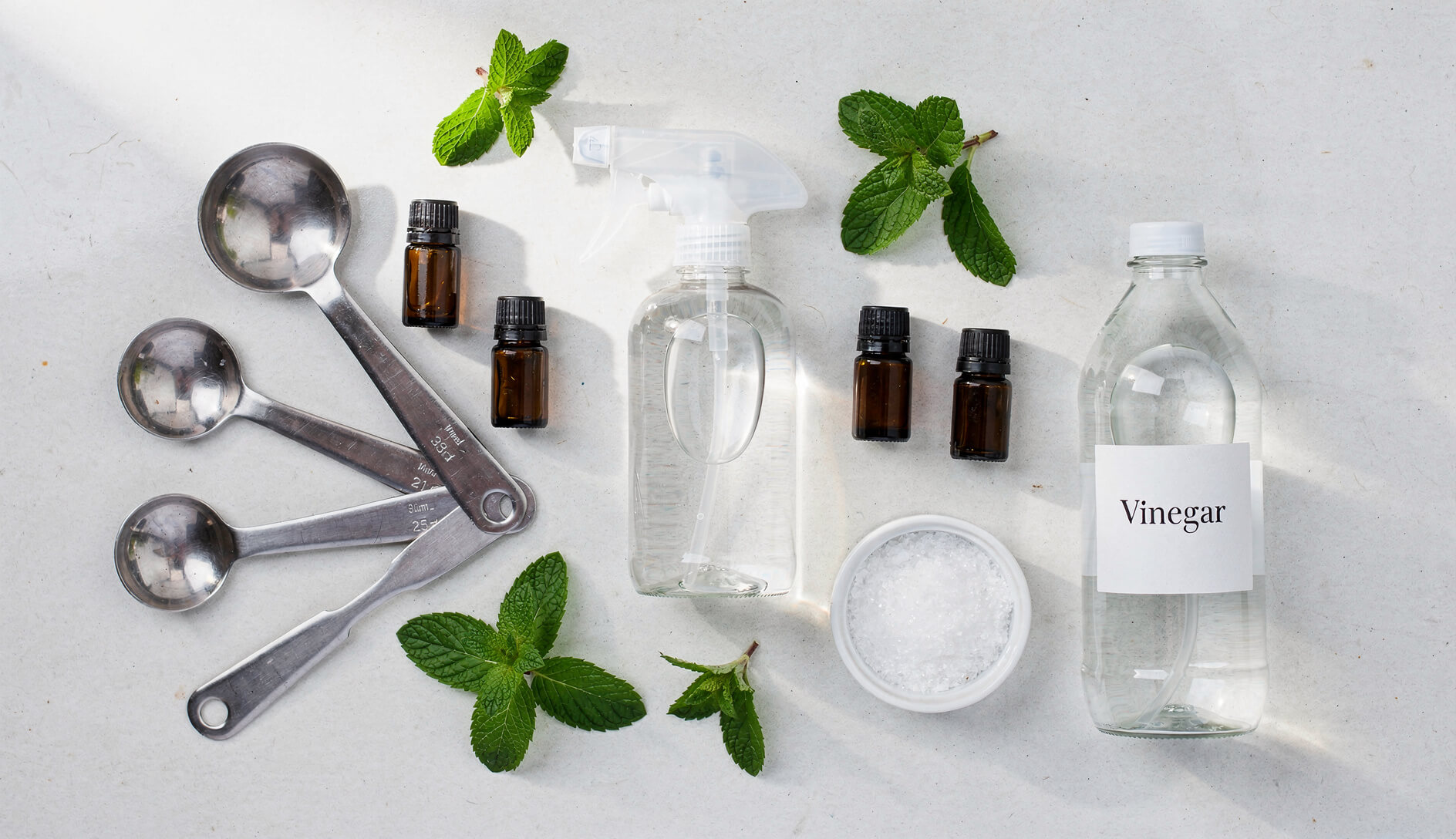
Ready to put essential oils for cockroaches into action? Here are three tried-and-tested DIY recipes using oils you may already have at home.
Kitchen Guardian Spray
This all-purpose spray targets the areas cockroaches love most — kitchens and food preparation areas.
Ingredients:
• 1 cup distilled water
• 1 tablespoon witch hazel
• 15 drops peppermint essential oil
• 10 drops tea tree essential oil
• 5 drops lemon essential oil
Combine all ingredients in a glass spray bottle and shake vigorously. Spray along countertops, baseboards, behind appliances, and around the trash can. The witch hazel helps the essential oils disperse evenly in the water and adds additional antimicrobial properties.
Bathroom Barrier Blend
Cockroaches are drawn to moisture, making bathrooms a prime target. This blend addresses both the pest issue and the dampness.
Ingredients:
• 1 cup white vinegar
• 1/2 cup water
• 20 drops eucalyptus essential oil
• 10 drops rosemary essential oil
Mix in a spray bottle and apply to bathroom surfaces, around drains, under the vanity, and along tile grout lines. The vinegar provides cleaning power while the eucalyptus and rosemary create an aromatic shield.
Diffuser Defense Blend
For continuous whole-room protection using your Nebulizing Diffuser®, try this potent blend.
Ingredients:
• 10 drops peppermint essential oil
• 5 drops cedarwood essential oil
• 5 drops rosemary essential oil
• 3 drops lemon essential oil
Add this blend directly to your Raindrop 3.0 Nebulizing Diffuser® and run on a 10-minutes-on, 20-minutes-off cycle. The peppermint provides the primary repellent punch, cedarwood adds lasting aromatic depth, rosemary boosts insecticidal potency, and lemon brightens the overall scent profile.

Sign Up to Get Your FREE Essential Oils e-Book Here
Room-by-Room Cockroach Prevention with Essential Oils
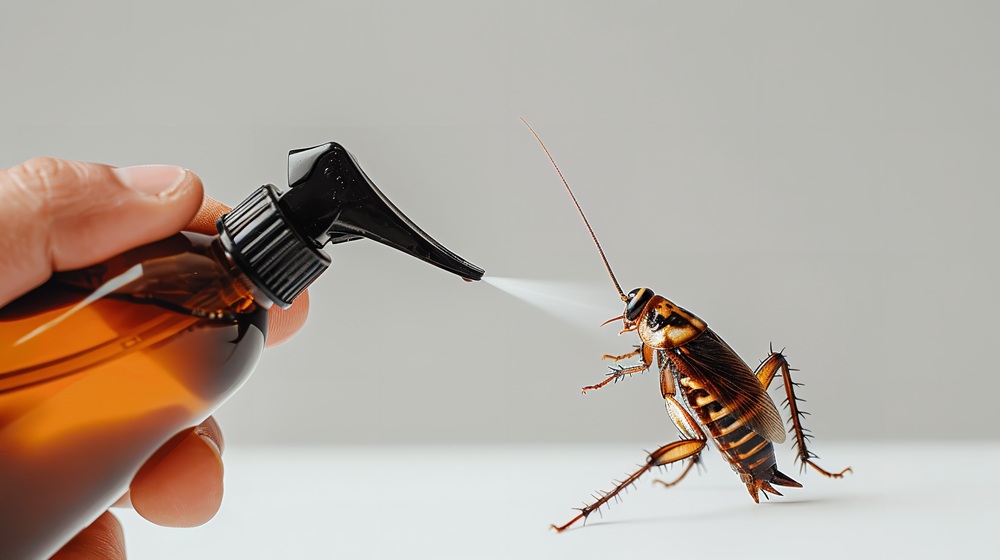
Using essential oils for cockroaches is most effective when you tailor your approach to each room’s unique challenges. Here is a targeted strategy for the most vulnerable areas of your home.
Kitchen — The number one cockroach hotspot. Focus your spray along baseboards, behind the stove and refrigerator, under the sink, and around the garbage area. Use peppermint and lemon oils, which double as natural degreasers. Run a Nebulizing Diffuser® on the kitchen counter during overnight hours when cockroaches are most active.
Bathroom — Cockroaches seek out moisture and warmth. Apply your eucalyptus-rosemary spray around drains, toilets, and under the vanity. Place soaked cotton balls behind the toilet and under the sink. If possible, fix any leaking pipes to eliminate the moisture source cockroaches are drawn to.
Bedroom — Place a Tranquility Nebulizing Diffuser® on your nightstand with a calming lavender-cedarwood blend. This serves double duty — promoting better sleep while creating an aromatic perimeter that keeps cockroaches away from your sleeping area.
Living Areas — Use a Aurora Nebulizing Diffuser® as a beautiful centerpiece that continuously disperses cockroach-repelling oils. Focus on the diffuser defense blend recipe above for broad-spectrum protection. Tuck cotton balls soaked in tea tree oil behind furniture and entertainment centers.
Entry Points — Apply concentrated peppermint or cinnamon oil along doorways, window sills, and any visible cracks or gaps in the walls. These entry-point barriers are your first line of defense against cockroaches moving in from outside.
Safety Precautions When Using Essential Oils for Pest Control

While essential oils are a natural alternative to chemical pesticides, they must be used responsibly — especially in homes with pets and children.
Pet Safety — Cats are particularly sensitive to essential oils because they lack certain liver enzymes needed to metabolize aromatic compounds. Tea tree, peppermint, and eucalyptus oils should be used with extra caution in homes with cats. Always ensure your pets can leave the room where oils are being diffused, and place cotton balls in locations pets cannot reach. For detailed guidance, read our comprehensive guide on essential oil safety for animals.
Children — Keep essential oil sprays and cotton balls out of reach of young children. When diffusing in nurseries or playrooms, use lower concentrations (half the recommended drops) and ensure adequate ventilation. Lavender and cedarwood are generally considered safer choices for homes with children.
Surface Sensitivity — Pure essential oils can damage certain surfaces, including finished wood, painted walls, and some plastics. Always dilute oils before applying to surfaces and test on an inconspicuous area first. Glass spray bottles are preferred over plastic to prevent degradation.
Realistic Expectations — Essential oils are most effective as a preventive measure and a complement to good hygiene practices. For severe infestations, professional pest control may be necessary. Essential oils work best as part of an integrated approach that includes sealing entry points, eliminating food and water sources, and maintaining cleanliness.

Join Our Exclusive Member Club to get Big Discounts!
Expert Tips for Long-Lasting Cockroach Protection with Essential Oils
To maximize the effectiveness of essential oils for cockroaches over the long term, follow these expert recommendations.
Rotate Your Oils — While cockroaches cannot develop true resistance to essential oils, they may become desensitized to a single scent over time. Alternate between 2-3 different oils or blends weekly to maintain maximum repellency. One week use the peppermint-cedarwood blend, the next switch to eucalyptus-rosemary.
Use 100% Pure Essential Oils — Fragrance oils and diluted products lack the concentrated volatile compounds that make essential oils effective against cockroaches. Always use 100% pure, therapeutic-grade essential oils for pest control. Synthetic fragrances may smell similar but will not have the same repellent effect.
Consistency Is Key — Essential oil compounds evaporate over time, which means a single application will not provide lasting protection. Reapply sprays every 2-3 days, refresh cotton balls weekly, and run your Nebulizing Diffuser® daily during peak cockroach activity hours (evening through early morning).
Combine with Good Hygiene — Essential oils are most effective when paired with proper home maintenance. Keep counters clean, store food in sealed containers, fix leaky faucets, take trash out regularly, and seal any cracks or gaps where cockroaches might enter. Essential oils create the aromatic barrier, but good home care removes the attraction.
Target the Right Time — Cockroaches are nocturnal creatures, most active between dusk and dawn. Set up your Nebulizing Diffuser® to run during evening and nighttime hours for maximum impact. Many Organic Aromas Nebulizing Diffusers® feature built-in timers, making it easy to automate your pest prevention routine.
Frequently Asked Questions About Essential Oils for Cockroaches
What is the single best essential oil for cockroaches?
If you want maximum killing power, controlled research points to rosemary oil, which achieved 100% mortality against cockroach nymphs even at a low 2.5% concentration. For pure repellency, oregano oil led every oil tested at 96.5–99.1% with a week-long residual effect. Most homeowners get the best of both worlds by blending rosemary or oregano with a brighter oil like peppermint or lemon.
Do essential oils actually kill cockroaches or just repel them?
Both, depending on the oil and concentration. In laboratory fumigation studies, rosemary, oregano, and eucalyptus produced up to 100% mortality at higher concentrations, while lighter oils such as peppermint work mainly by repelling. In a real home — where concentrations are far lower than a sealed lab chamber — essential oils are most reliable as a repellent and preventive barrier rather than a standalone exterminator.
How often do I need to reapply essential oils to keep roaches away?
Because essential oil compounds are volatile and evaporate over time, reapply sprays every 2–3 days, refresh scented cotton balls weekly, and run a Nebulizing Diffuser® daily during peak cockroach hours (dusk to dawn). Continuous nebulized diffusion is the lowest-effort way to keep the aromatic barrier consistently strong.
Are essential oils safe to use for pest control around pets?
Use extra caution in homes with cats, which lack certain liver enzymes needed to metabolize aromatic compounds, and be careful with tea tree, peppermint, and eucalyptus around all pets. Always let animals leave the room where oils are diffusing, keep cotton balls out of reach, and review our full guide to essential oil safety for animals before you begin.
Can a diffuser really help get rid of cockroaches?
A Nebulizing Diffuser® is one of the most effective delivery methods because it disperses pure, undiluted essential oil micro-particles across a room — up to roughly 800 square feet — without diluting them in water or degrading them with heat. That keeps repellent compounds like carvacrol and 1,8-cineole at their full aromatic potency, creating a barrier cockroaches actively avoid while your home smells wonderful.
Embrace a Naturally Roach-Free Home
Choosing essential oils for cockroaches represents one of the most elegant solutions to an age-old household problem. Instead of filling your home with toxic chemicals, you can harness the power of peppermint, eucalyptus, rosemary, and other plant-based compounds to create an environment that cockroaches simply will not tolerate — and one that smells beautiful to everyone else.
The key to success lies in consistency and coverage. A Raindrop 3.0 Nebulizing Diffuser® provides the most effortless, continuous protection — dispersing pure essential oils throughout your living space with no water dilution and no heat degradation. Paired with targeted sprays at entry points and high-risk areas, you can build a comprehensive, chemical-free cockroach prevention system that protects your home around the clock.
Ready to experience the difference a quality Nebulizing Diffuser® makes? Explore our collection of handcrafted Nebulizing Diffusers® designed to deliver pure essential oils at their full aromatic potency — naturally protecting your home while transforming it into a fragrant sanctuary.