

Lavender for Sleep Side Effects: An Honest Safety Guide
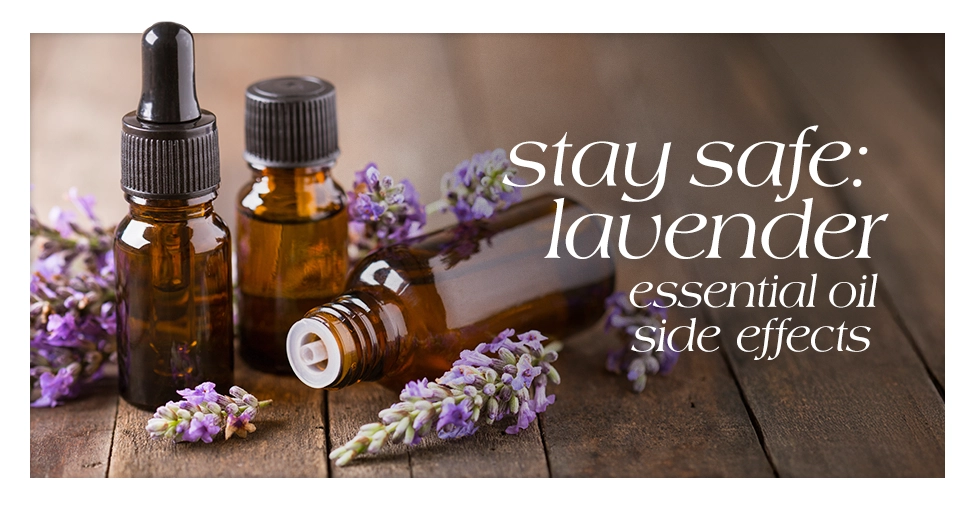
Lavender essential oil has a gentle, bedtime reputation, which is exactly why lavender for sleep side effects catch so many people off guard. It is one of the most-used oils in the world, yet “gentle” is not the same as “risk-free.” A small share of users report headaches, skin rashes, or a paradoxical jolt of alertness instead of calm — and the reasons are more specific (and more fixable) than most articles admit.
Here is the part almost nobody explains: fresh lavender oil and old, air-exposed lavender oil are practically two different substances when it comes to skin safety. Below, you will find the five reactions worth knowing, the actual chemistry behind the most common one, an honest look at the hormone headlines, and a safe-use routine that lets you keep enjoying lavender’s calming aroma at bedtime without the surprises.
The 5 Lavender Essential Oil Side Effects at a Glance
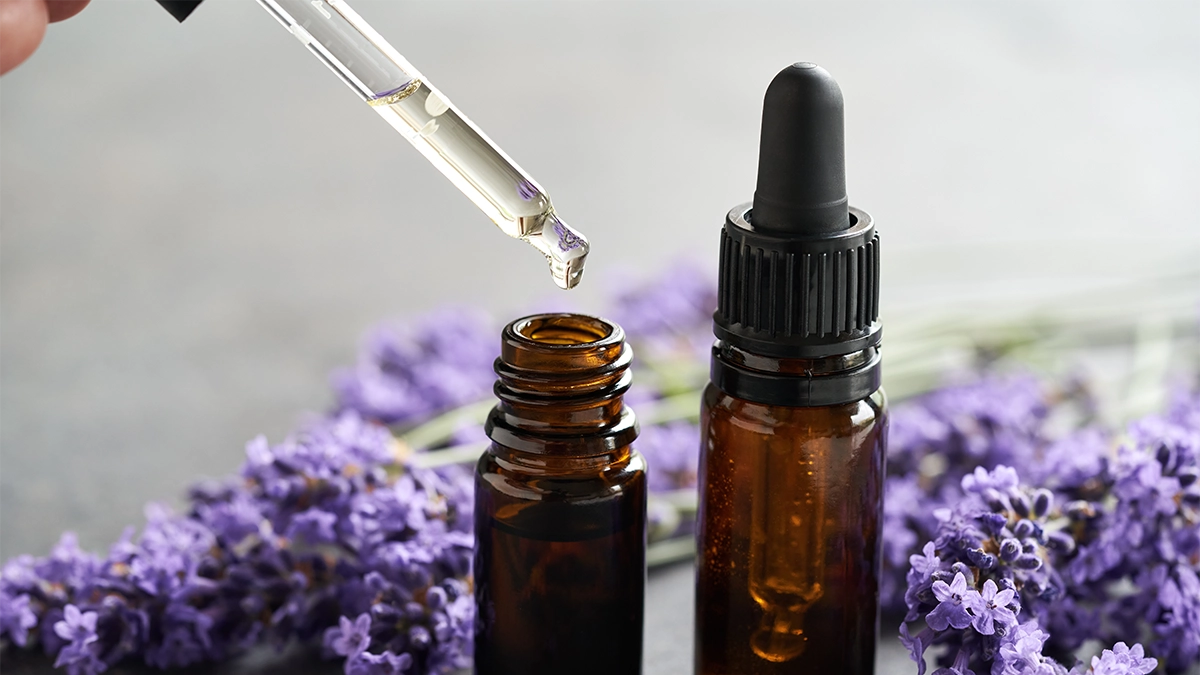
Most reactions to lavender essential oil fall into five buckets. They are uncommon in healthy adults who use the oil sensibly, but they are real — and knowing them up front is how you stay on the safe side.
| Side effect | Where it shows up | Who is most at risk |
|---|---|---|
| Skin irritation & contact allergy | Topical use, undiluted | Sensitive skin; oxidized (old) oil |
| Headache or dizziness | Strong or prolonged inhalation | Migraine-prone; scent-sensitive people |
| Paradoxical alertness | Evening diffusion | Varies by individual chemistry |
| Nausea & toxicity | Swallowing the oil | Children; accidental ingestion |
| Interaction & sensitivity concerns | Meds, hormones, high-risk groups | Pregnancy; young children; pets |
Notice that none of these are reasons to fear lavender — they are reasons to use it thoughtfully. The vast majority of people diffuse or topically apply diluted lavender for years without a single problem. The goal here is simply to make sure you are in that majority. The single most common complaint is a skin reaction — and the cause is not quite what the label suggests.
Skin Reactions: Why Oxidized Lavender Is the Real Culprit
Fresh lavender oil is a relatively low-risk skin sensitizer. The problem is that it does not stay fresh. Lavender’s calming character comes largely from two molecules, linalool and linalyl acetate. When linalool meets oxygen and light, it slowly auto-oxidizes into linalool hydroperoxides — and those oxidation products, not the intact linalool, are the compounds dermatologists flag as meaningful contact allergens.
This is the jewel most “side effects” posts skip. In dermatology patch-test clinics, oxidized linalool has repeatedly turned up as one of the more frequent fragrance-related positive reactions, with published studies reporting positivity in roughly 5–7% of tested dermatitis patients — several times higher than fresh, unoxidized linalool. Translation: a two-year-old bottle of lavender that has been opened and reopened a hundred times is a very different exposure than a fresh, well-stored one.
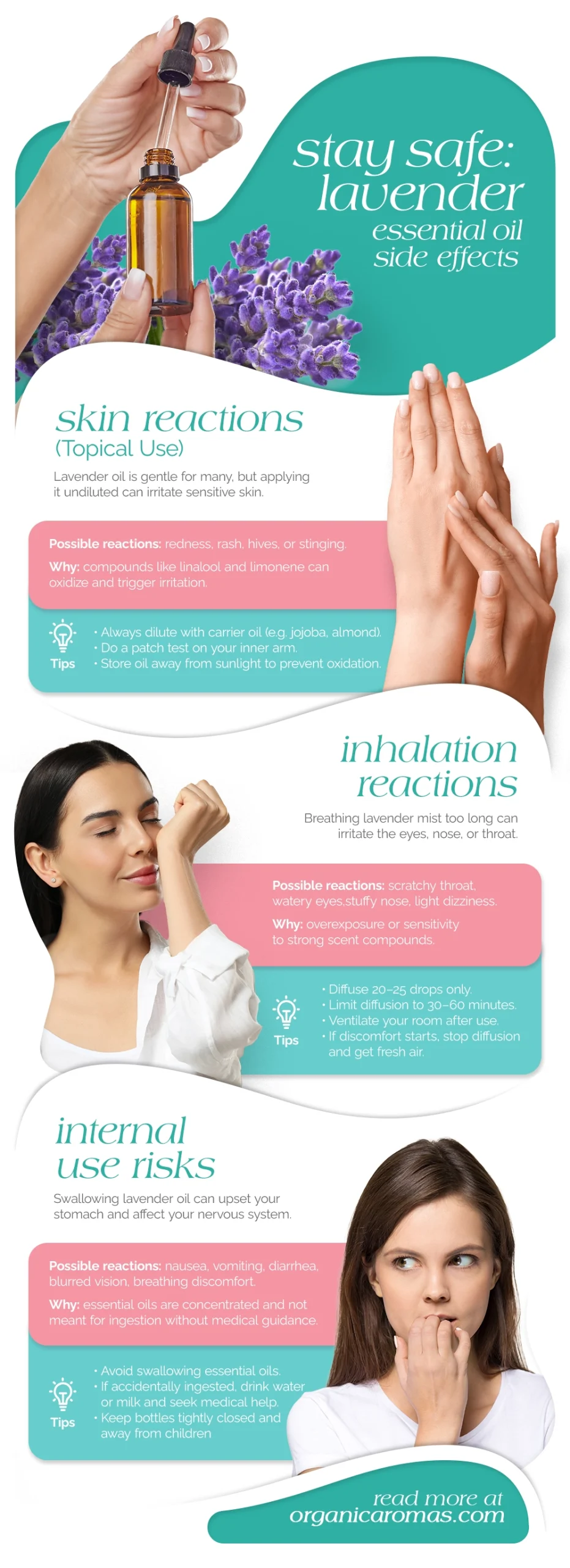
- Never apply neat (undiluted). Blend into a carrier oil first — see a full dilution chart and ratios.
- Patch test a diluted drop on your inner forearm and wait 24 hours before wider use.
- Mind the clock. Buy small bottles, keep them capped, cool, and dark, and retire oil that smells sharp, sour, or “off.”
What does a reaction actually look like? Usually redness, itching, small bumps, or a patch of dry, irritated skin where the oil touched — sometimes appearing a day or two later rather than immediately. That delay is the signature of a true contact allergy (sensitization), as opposed to simple irritation, which is why the 24-hour patch test matters so much. Once you are sensitized to oxidized linalool, the reaction tends to return every time, so prevention beats treatment.
Practical shelf-life math helps here. Most reputable suppliers put lavender’s usable window at roughly one to two years after opening, and every time you unscrew the cap you introduce a fresh dose of oxygen. Decanting a large bottle into a smaller amber one, keeping it in a cool cupboard rather than a sunny windowsill, and dating the bottle when you open it are small habits that dramatically cut your exposure to the sensitizing oxidation products.
One under-appreciated angle: heat and air accelerate that oxidation. Warming lavender in a heat- or water-based unit day after day nudges the chemistry toward those hydroperoxide sensitizers faster than dispersing it cold and briefly.
Sign Up to Get Your FREE
e-Book Here…
Inhalation Side Effects: Headaches, Airways, and Pets
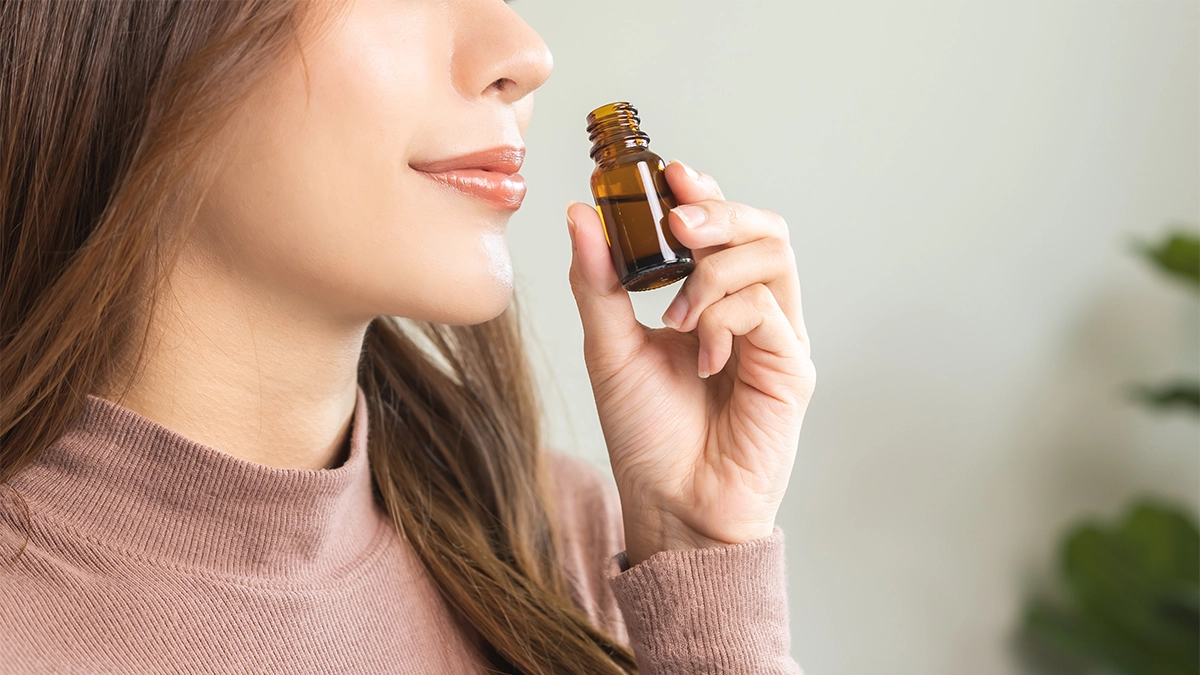
Aromatic use is the gentlest way to enjoy lavender, but “gentle” still has a ceiling. Breathe in too much, too long, or in a poorly ventilated room and some people get the opposite of relaxation: a dull headache, light nausea, or a wired, restless feeling. Scent-sensitive and migraine-prone individuals are the most likely to notice it.
The fix is dose, not abstinence. Aromatherapy is meant to be a whisper, not a wall of scent. Short, intermittent sessions in a ventilated space are far kinder than an all-night saturation. If you share your home with animals, read up on essential oil safety for pets first — cats in particular lack a liver enzyme pathway that helps metabolize certain oil compounds, so their tolerance is very different from ours.
There is also the curious “paradoxical alertness” effect — the reason some people diffuse lavender for sleep and end up more awake. Lavender’s calming character is usually attributed to the balance between linalool and linalyl acetate, and that ratio varies by species, growing region, and harvest. Spike lavender (Lavandula latifolia), for instance, is naturally higher in camphor and far more stimulating than true lavender (Lavandula angustifolia). If lavender consistently wakes you up, check the botanical name on your bottle, and see our deeper dive on the linalool–linalyl acetate ratio behind lavender and sleep.
A quality Nebulizing Diffuser® actually helps with dosing here. Because it disperses pure oil in brief, controlled bursts rather than a continuous cloud, it is easier to keep the aroma at a light, comfortable level instead of overwhelming the room.
Lavender for Sleep: Can It Cause Next-Day Grogginess or Interact with Sleep Aids?
This is the question behind most searches for lavender for sleep side effects: people are not asking in the abstract, they are asking because they are stacking lavender on top of something else — a melatonin gummy, an antihistamine like diphenhydramine, a prescription sleep aid, or a glass of wine before bed.
Lavender’s calming effect is not purely psychological. Linalool has shown measurable activity on GABA-A receptor signaling in laboratory studies — the same general pathway targeted by benzodiazepines and alcohol. At normal aromatic exposure, that effect is mild on its own. Layered on top of an actual sedative or a few drinks, two mild depressants can add together into something more sedating than either alone, rather than simply cancelling out.
That is why aromatherapy safety guidance generally recommends mentioning a lavender habit to a doctor or pharmacist if you already take a sleep medication, antihistamine, or sedative, or drink alcohol regularly before bed — not because an occasional bedtime diffusing session is dangerous, but because “natural” does not mean “pharmacologically inactive.”
The grogginess some people report the next morning is usually not lavender acting as a true hypnotic — it does not knock you out the way a sleep medication does. More often, it is a side effect of the room, not the oil: a heat- or water-based diffuser running continuously for eight hours builds up a thick concentration in a closed bedroom, and waking up in that saturated air feels closer to a mild hangover than a wellness ritual.
- If you already take a sleep aid, antihistamine, or sedative — or drink alcohol before bed — mention your lavender habit to your doctor or pharmacist.
- Waking up groggy? Shorten the session instead of running it all night.
- Keep lavender to diffusion or diluted topical use at bedtime — never add it to a drink as a sleep hack.
This is where the delivery method matters again. A Nebulizing Diffuser® with a built-in timer — or the app-controlled Smart Nebulizing Diffuser® — lets you run a short 15–30 minute burst as you fall asleep instead of saturating the bedroom all night. You get the same calming window at bedtime without the overnight buildup that tends to cause next-day grogginess.
Never Swallow It: Internal-Use Risks of Lavender Oil
This is the firmest line in the whole guide: do not swallow lavender essential oil. Essential oils are extraordinarily concentrated — a single drop can represent the aromatic material of a large handful of the plant. Ingesting it can cause nausea, vomiting, stomach upset, and in larger amounts, more serious toxicity. Poison-control resources consistently rank accidental ingestion, especially by children, as the most dangerous way essential oils are misused.
- Store bottles well out of reach of children and pets, ideally in a latched cabinet.
- Do not add lavender oil to food, tea, or water as a DIY “wellness” hack.
- If someone swallows essential oil, contact your local poison control center or emergency services right away — do not wait for symptoms.
Be skeptical of “food grade” or “therapeutic grade” marketing language too. These are unregulated terms, not official safety certifications, and they do not make an oil safe to swallow. Aromatic use and careful, diluted topical use — done properly — cover virtually every everyday reason people reach for lavender in the first place. There is simply no need to drink it.
Sign Up to Get Your FREE Essential Oils e-Book Here
Hormones and Medications: What the Science Actually Says
You have probably seen the alarming headline: “lavender oil disrupts hormones.” It deserves an honest, non-hysterical answer. The concern traces to a small 2007 case report of gynecomastia (breast tissue growth) in a few young boys who had used products containing lavender and tea tree oils, followed by later laboratory work suggesting some of these oil components can act on estrogen and androgen receptors in cell cultures.
Here is the nuance the viral posts leave out: the original human evidence was a handful of case reports, not a controlled trial; the effects reversed when the products were stopped; and cell-culture and rodent studies do not automatically translate to real-world aromatic use in humans. It is a genuine, open scientific question worth watching — not a settled verdict that lavender is an endocrine bomb.
It is worth knowing that researchers have continued to look into this. Follow-up laboratory work published around 2018 identified several individual chemical components in lavender and tea tree oils that showed hormone-like activity in cell studies — which kept the conversation alive — while other scientists have questioned how relevant those isolated-cell findings are to the low, intermittent exposures of normal aromatic use. In other words, the topic is still being actively studied rather than closed in either direction.
The sensible takeaway: if you are pregnant, nursing, managing a hormone-sensitive condition, or caring for a young child, treat lavender with extra respect and talk to your healthcare provider about your specific situation. Lavender can also add to the drowsiness of sedatives and some sleep or calming medications, so mention your aromatherapy habits to your doctor rather than assuming a “natural” product cannot interact.
Who Should Be Extra Cautious with Lavender

Lavender is well tolerated by most healthy adults, but a few groups should be more deliberate about how — and whether — they use it:
- Pregnant and nursing people: evidence is limited; keep exposure light and check with your provider.
- Infants and young children: use far lower concentrations, favor gentle ambient diffusion over topical use, and never near the face.
- People with asthma or respiratory sensitivity: strong scent can be a trigger; start with brief, well-ventilated sessions.
- Pets: cats, dogs, and birds have very different sensitivities — always give animals a way to leave the room.
- Anyone before surgery: because lavender can compound sedation, mention it to your care team ahead of any procedure.

Join Our Exclusive Member Club to get Big Discounts!
How to Use Lavender Safely (and Why No-Heat Diffusion Helps)
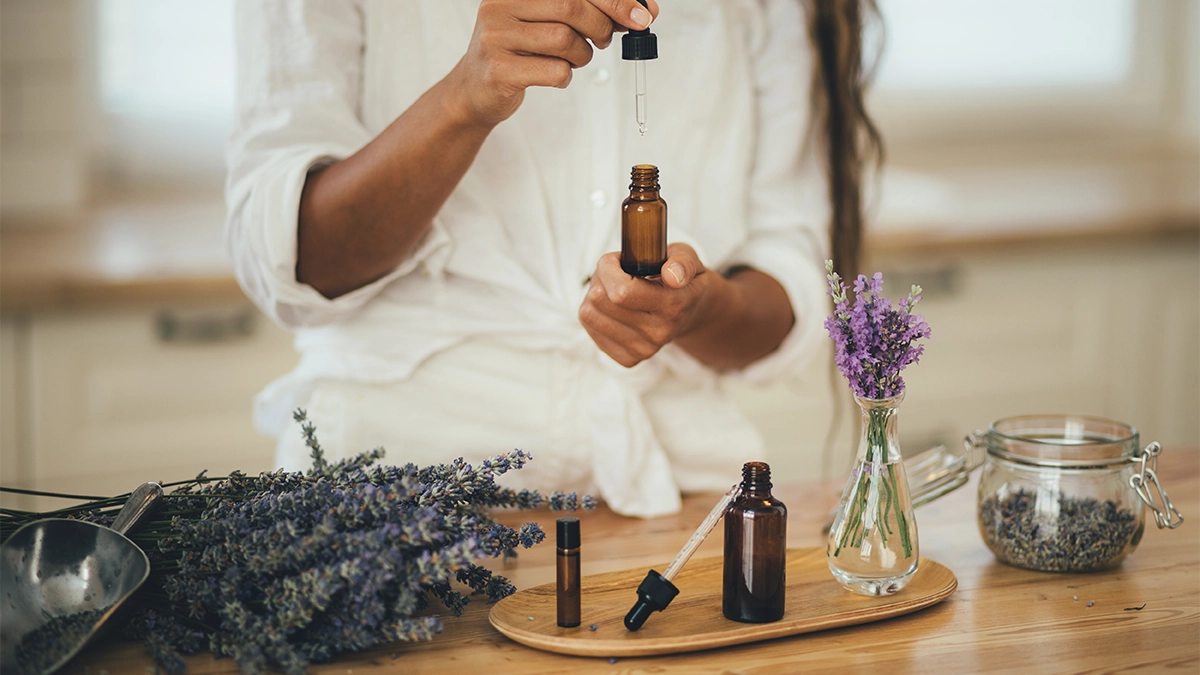
Almost every side effect above shrinks to near-zero with a few habits. Here is the whole safe-use routine in one place:
- Dilute before skin contact — typically 1–2% (about 6–12 drops per ounce of carrier) for general adult use, lower for children and sensitive skin.
- Patch test new oils and wait a full 24 hours.
- Keep aromatic sessions short — 15–30 minutes in a ventilated room beats hours of saturation.
- Never ingest, and store bottles away from children and pets.
- Buy small, store cool and dark, and date the bottle — retire it once it smells sharp or sour.
- Check the botanical name (Lavandula angustifolia for the classic calming profile).
The delivery method matters too — and it connects directly to that oxidation chemistry from earlier.
Heat- and water-based units warm or dilute the oil, which can degrade delicate aromatic compounds and, over repeated use, nudge lavender toward those sensitizing oxidation products. A Nebulizing Diffuser® works differently: using Bernoulli’s Principle, a cold stream of air draws pure, undiluted oil up a glass tube and atomizes it into a fine mist — no water, no heat, no plastic. You use less oil, in shorter bursts, and the oil you do use is dispersed in its fresh, unheated state.
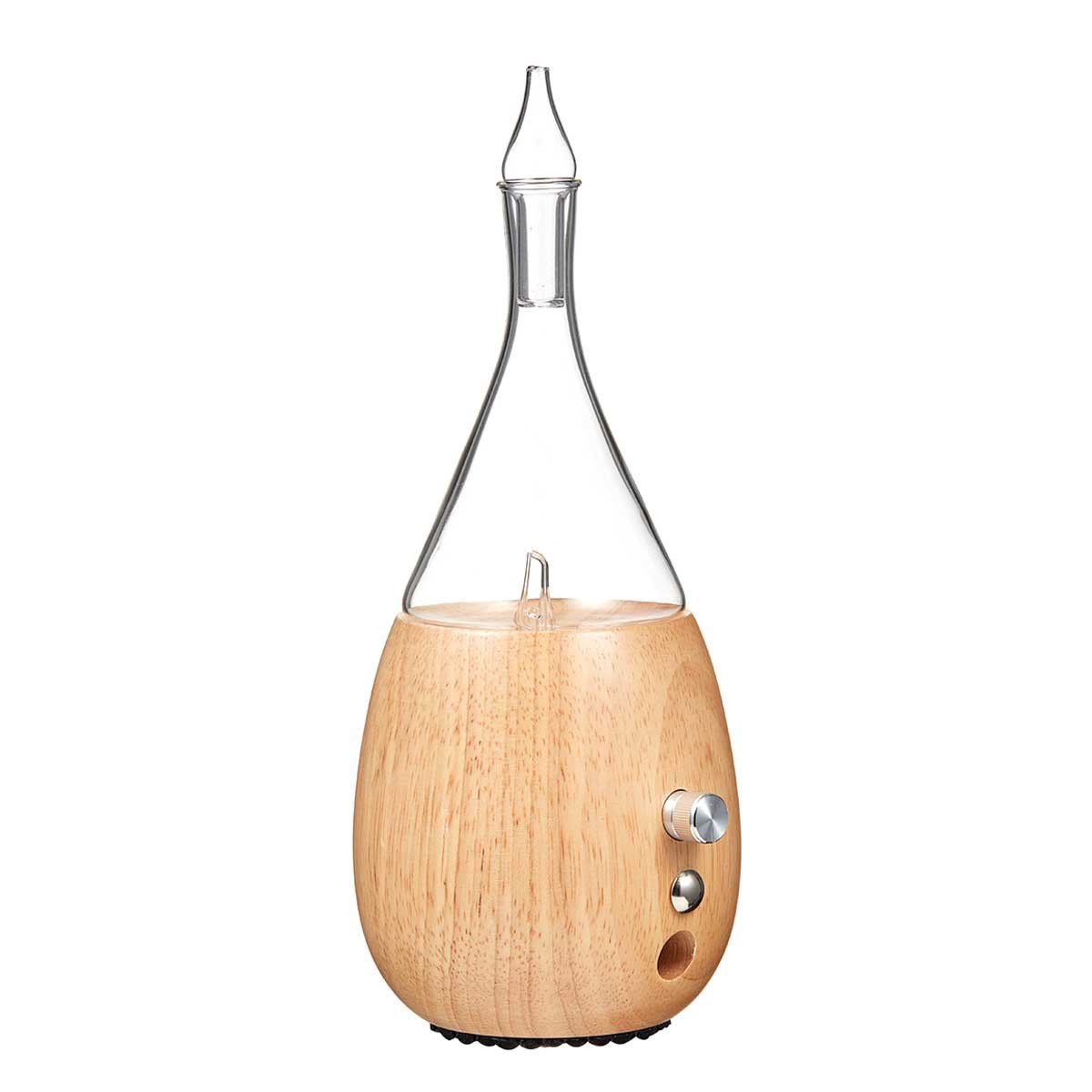
If you want the cleanest possible way to enjoy lavender’s aroma, our handcrafted Raindrop Nebulizing Diffuser® — real wood and medical-grade Pyrex glass — delivers pure essential oil without water or heat, so a little lavender goes a long way. It also happens to be simple to maintain; here is how to clean a Nebulizing Diffuser® so your oil stays fresh between uses.
Enjoy Lavender the Pure, No-Heat Way
The handcrafted Raindrop Nebulizing Diffuser® disperses pure essential oil with no water and no heat — whisper-quiet, waterless, and built from real wood and medical-grade Pyrex glass.
Lavender Essential Oil Side Effects: FAQ
Can lavender essential oil cause headaches?
Yes, in some people. Strong or prolonged inhalation can trigger headaches, dizziness, or nausea — especially for those who are scent-sensitive or migraine-prone. Keeping sessions short and the room ventilated usually resolves it.
Is it safe to put lavender oil directly on skin?
Not undiluted. Always blend lavender into a carrier oil and patch test first. Undiluted and oxidized (old) oil is the most common cause of irritation and contact allergy.
Why does old lavender oil irritate skin more?
Over time, lavender’s linalool oxidizes into linalool hydroperoxides, which are stronger skin sensitizers than the fresh compound. Buying small bottles and storing them cool, capped, and dark slows this down.
Can I diffuse lavender around my pets?
Use caution. Cats especially process certain oil compounds differently than humans. Diffuse lightly, keep sessions brief, and always give animals a way to leave the room.
Does lavender oil interact with sleep medication?
It can add to sedation rather than cause it outright. Lavender’s linalool has mild calming activity on a pathway similar to some sedatives and alcohol, so combining them can feel more sedating than either alone. If you take a prescription sleep aid, antihistamine, or drink alcohol before bed, mention your lavender habit to your doctor or pharmacist.
Final Thoughts
Lavender earns its calming reputation — but respecting the lavender essential oil side effects is what keeps that calm from tipping into discomfort. Dilute for skin, keep aromatic use light and ventilated, never swallow it, mind the higher-risk groups, and store your oil so it stays fresh instead of oxidizing. Do that, and lavender remains exactly what you want it to be: a soft, safe, everyday ritual.