


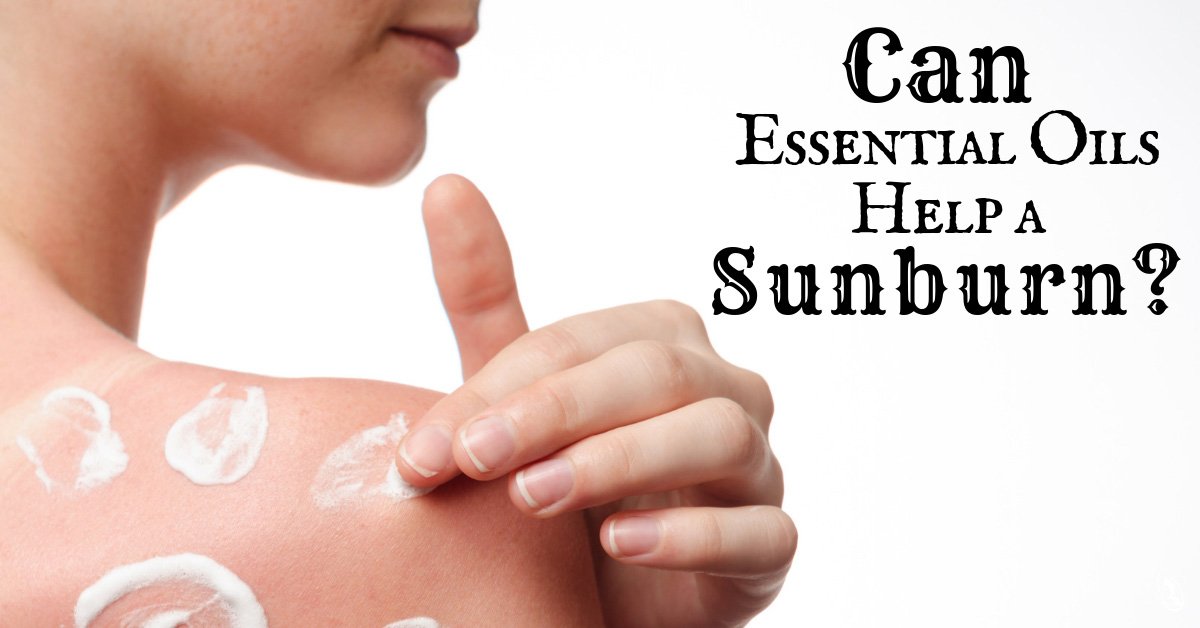
Essential Oils for Sunburn: Natural Relief, DIY Recipes, and Healing Tips
Even the most diligent sunscreen routine can leave you with a painful sunburn after a long day outdoors. When it happens, essential oils offer a natural way to soothe the pain, reduce inflammation, and support your skin’s healing process without relying on chemical-laden products. Several essential oils contain compounds with proven anti-inflammatory, antimicrobial, and skin-regenerating properties that make them genuinely effective for sunburn relief.
This guide covers the best essential oils for sunburn, explains why each one works, and gives you ready-to-use recipes for after-sun sprays, cooling compresses, and soothing balms. You will also learn the important safety rules for applying essential oils to damaged skin and when a sunburn requires medical attention instead of home remedies.
Why Essential Oils Work on Sunburn
Sunburn is an inflammatory response triggered by UV radiation damaging skin cells. Your body sends blood to the area (causing redness), releases inflammatory chemicals (causing pain and swelling), and begins repairing damaged DNA. Essential oils assist this process in three ways:
Anti-inflammatory action: Compounds like linalool (in lavender), menthol (in peppermint), and bisabolol (in chamomile) inhibit the production of pro-inflammatory cytokines, reducing redness, swelling, and the burning sensation.
Antimicrobial protection: Sunburned skin is vulnerable to infection, especially when blistering occurs. Oils like tea tree and lavender provide a natural antimicrobial barrier that protects compromised skin while it heals.
Skin regeneration: Certain oils, particularly helichrysum and frankincense, contain compounds that promote cell turnover and tissue repair, helping sunburned skin recover faster and reducing the risk of long-term damage like peeling and scarring.
Best Essential Oils for Sunburn Relief
Lavender
Lavender essential oil is the gold standard for sunburn treatment. Its high linalool and linalyl acetate content delivers strong anti-inflammatory and analgesic effects, while its antimicrobial properties protect damaged skin from infection. Lavender is also one of the gentlest essential oils, making it suitable for application on sensitive, inflamed skin when properly diluted. The combination of pain relief, inflammation reduction, and skin repair makes lavender the single most useful oil to have on hand during summer.
Peppermint
Peppermint essential oil provides instant cooling relief thanks to its high menthol content. When applied to sunburned skin (always diluted), menthol activates cold-sensitive receptors in the skin, creating a cooling sensation that counteracts the burning heat of a sunburn. Peppermint also has mild analgesic properties that reduce pain. Use it sparingly and well-diluted, as menthol can be intense on already-irritated skin.
Roman Chamomile
Roman chamomile essential oil contains bisabolol and chamazulene, two compounds with exceptional anti-inflammatory activity. Chamomile is one of the gentlest options for sunburn and is often recommended for people with sensitive skin who cannot tolerate stronger oils. Its calming, apple-like scent also helps reduce the stress and discomfort that comes with a painful burn.
Tea Tree
Tea tree essential oil is the best choice when your sunburn includes blistering or broken skin. Its broad-spectrum antimicrobial activity helps prevent bacterial infection in compromised skin while its anti-inflammatory properties reduce swelling. Tea tree is especially valuable for severe sunburns where the skin barrier has been broken and infection risk is higher.
Frankincense
Frankincense essential oil excels at skin regeneration. Its boswellic acid content promotes cell turnover and tissue repair, making it the best oil for the recovery phase after the initial inflammation has subsided. Apply frankincense in a carrier oil starting 24 to 48 hours after the burn, when the skin is moving from the inflammatory phase into the repair phase.
Helichrysum
Helichrysum is often called the “immortelle” oil for its remarkable skin-healing properties. It contains compounds that stimulate tissue regeneration and reduce the appearance of scarring. While it is one of the more expensive essential oils, a few drops in your after-sun blend can significantly accelerate healing time and minimize peeling. Helichrysum is particularly effective for sun damage on the face and other areas where you want to prevent visible skin damage.
Sign Up to Get Your FREE
e-Book Here…
DIY Sunburn Relief Recipes
Always perform a patch test on a small area of unburned skin before applying any essential oil blend to a large sunburned area. If irritation occurs, wash the area with cool water and discontinue use. For proper dilution ratios, consult our essential oil dilution guide.
Cooling After-Sun Spray
4 oz aloe vera gel + 2 oz rose water + 8 drops lavender oil + 4 drops peppermint oil
Combine in a glass spray bottle and shake well before each use. Store in the refrigerator for an extra cooling effect. Spray generously onto sunburned skin every 2 to 3 hours. The aloe vera provides immediate soothing and hydration, the rose water calms inflammation, and the lavender and peppermint deliver pain relief and cooling.
Soothing Compress
1 cup cool water + 3 drops lavender oil + 2 drops chamomile oil
Add the oils to a bowl of cool (not cold) water and stir. Soak a soft cloth in the mixture, wring it out gently, and lay it over the sunburned area for 10 to 15 minutes. Repeat 3 to 4 times daily. This method is especially effective for sunburns on the shoulders, back, and chest where spraying is less practical.
After-Sun Healing Oil
2 tablespoons carrier oil (jojoba or sweet almond) + 5 drops lavender oil + 3 drops frankincense oil + 2 drops helichrysum oil
Mix in a small glass bottle. Apply gently to sunburned skin 24 to 48 hours after the initial burn, once the intense heat and redness have started to subside. This blend focuses on skin repair and regeneration, helping reduce peeling and support healthy cell turnover during the healing phase.
Cooling Bath Soak
1 cup colloidal oatmeal + 8 drops lavender oil + 4 drops chamomile oil mixed into 2 tablespoons carrier oil
Add to a lukewarm (not hot) bath and soak for 15 to 20 minutes. The oatmeal soothes itching and inflammation while the essential oils provide pain relief and antimicrobial protection. Always mix essential oils into a carrier oil before adding to bathwater so they disperse evenly instead of floating on the surface in concentrated drops.

Lavender Roll-on Essential Oil
Pre-diluted at a safe 5% concentration in nourishing carrier oils. Roll directly onto pulse points or sunburned skin for instant soothing relief. Compact enough to keep in your beach bag, purse, or travel kit.
What Not to Do with Sunburned Skin
Never apply undiluted essential oils to sunburned skin. Sunburn compromises the skin barrier, making it far more permeable and reactive than healthy skin. Essential oils that are safe on intact skin can cause irritation, chemical burns, or allergic reactions when applied undiluted to a burn. Always use a carrier oil, aloe vera gel, or water-based spray as a dilution medium.
Avoid hot water, harsh soaps, and petroleum-based products. Hot showers and baths increase inflammation and pain. Petroleum-based moisturizers (like Vaseline) trap heat in the skin, worsening the burn. Use lukewarm water, gentle cleansers, and breathable, plant-based oils and gels instead.
Do not pop blisters. Blisters are your body’s natural bandage. Popping them exposes raw skin to bacteria and dramatically increases infection risk. If you have blistering sunburn, apply diluted tea tree oil around (not on) the blisters for antimicrobial protection and let them heal on their own.
When to See a Doctor
Essential oils are appropriate for mild to moderate sunburn (first-degree burns with redness, tenderness, and minor swelling). Seek medical attention if you experience any of the following:
Blistering that covers a large area of your body. Fever, chills, nausea, or headache accompanying the sunburn (signs of sun poisoning). Sunburn on an infant or young child. Signs of infection including increasing redness, warmth, swelling, or pus around blisters. Severe pain that does not respond to over-the-counter pain relievers and home remedies within 24 to 48 hours.
Soothe, Heal, and Recover Naturally
Essential oils offer a natural, effective approach to sunburn relief that works with your body’s healing process rather than against it. Lavender reduces inflammation and protects against infection. Peppermint provides instant cooling. Chamomile soothes even the most sensitive skin. And frankincense and helichrysum accelerate the repair phase so your skin recovers faster with less peeling and damage.
Keep a Lavender Roll-on in your beach bag for on-the-spot relief, and stock your medicine cabinet with lavender, chamomile, and tea tree oils so you are ready when summer sunburns happen. Explore our full collection of organic essential oils to build your natural after-sun toolkit.
Join Now and Get a Coupon for 10% Off!
Frequently Asked Questions
Can you put essential oils directly on a sunburn?
Never apply undiluted essential oils to sunburned skin. Sunburn compromises the skin barrier, making it more permeable and sensitive to concentrated oils. Always dilute essential oils in a carrier oil, aloe vera gel, or water-based spray before application. A safe dilution for sunburned skin is 1 to 2 percent (3 to 6 drops per tablespoon of carrier).
What is the best essential oil for sunburn?
Lavender essential oil is the most effective overall for sunburn because it combines anti-inflammatory, analgesic, and antimicrobial properties in one gentle oil. For immediate cooling relief, peppermint is the best choice. For skin repair after the initial burn has subsided, frankincense and helichrysum are most effective at promoting cell regeneration.
Does lavender oil help sunburn heal faster?
Yes. Lavender oil’s anti-inflammatory properties reduce the duration and severity of the inflammatory phase, while its antimicrobial activity prevents secondary infections that can slow healing. When combined with aloe vera gel, lavender creates one of the most effective natural sunburn treatments available. Apply the combination every 2 to 3 hours for the first 24 to 48 hours for best results.
Can I use essential oils on a child’s sunburn?
For children over 2, lavender and chamomile are the safest essential oils for sunburn relief when diluted at half the adult concentration (0.5 to 1 percent, or 1 to 3 drops per tablespoon of carrier). Avoid peppermint on children under 6, as menthol can cause breathing difficulties in young children. For infants under 2, use plain aloe vera gel without essential oils and consult your pediatrician.
How long does it take for essential oils to help a sunburn?
You will feel cooling and pain relief within minutes of applying a properly diluted peppermint or lavender blend. Visible reduction in redness and swelling typically occurs within 6 to 12 hours of consistent application. Full healing of a mild sunburn with essential oil treatment takes 3 to 5 days, compared to 5 to 7 days without treatment.

Thanks for the chance
I love how oils have a multitude of uses!
I didn’t know it helped with sunburns but I do now. Interesting.
I am new to essential oils but I am discovering so many things that they help with!! I had no idea that they could help with sunburns!
Wow, great info ! I never knew you could use essential oils for a sunburn.
I had no idea. That will definitely help me in the summer time. Thanks 🙂
Yes! Love them!
Wow I had no idea. I will have to check this out
I love to use essential oils. So having another way to use them is awesome. Thanks for the information
Great information, I’ll need to remember this for next summer.
Yes that’s super cool to learn that they can aid in sunburns.
Yes! Very helpful
I have used skin so soft oil. I’d love to try this
I didn’t know you could use these. Great information, thanks.
This is awesome!
This is so cool.
I would love to try
Absolutely
Wow I didn’t know you could use these oils! My husband lays ends up with a bad sunburn every summer. I’ll have to keep this in mind! Thank you for the information.
I’ve heard of the Lavender oil helping but the others are great to know too. I love essential oils they help in so many ways.
Wow, this is great to know!
Yes
This is good to know! My little ones don’t go in the sun often, even with the highest spf.
yes
Yes! Essential oils particularly lavender and sandalwood are very soothing on a sunburn!
Very helpful. Used this technique and it works!
wow… good to know… thanks for the info
Yes
Yes it helps sunburns. I love lavender
Yes it helps sunburn
I use lavender oil for my sunburn thus past summer and it was instant relief!
I use lavender oil for a lot. We diffuse oils in the winter as well. So yes it does treat a sunburn in a natural way.
I’d like to try this for my migraines I hear oils are a very affective form of aromatherapy
Had no idea this could help
Nice to know. Writh having kids we always have to be ready.
I have always used Lavender for sunburn. Thank you for the good read.
Yes
i don’t burn easily but my poor hubby does so this is good info to have!
thanks!
Thank you for the information.
Yes I burn in the sun.
Wow I didn’t know that and I burn very easily
Yes they can help with Sunburns
A great way to moisturize while preventing sunburn!
Awesome benifits!
Good to know
I am so happy that I can use essential oils on sunburn!! I love lavender, so this is great that this will help me with my summer sunburns. Thank you!
Thanks for letting g us know!
Hopefully note needed but, Good to know info.
Awesome information! Thank you so much for sharing. ❤️