


Essential Oils That Kill Mold: 7 Proven Antifungal Picks
That musty smell in the corner isn’t just unpleasant — it’s mold telling you it has already moved in. If you’re hunting for essential oils that kill mold without dousing your home in bleach, you’re in the right place. A handful of pure, plant-based oils carry antifungal compounds strong enough to disrupt mold cells and freshen the air they float in.
Here’s the jewel most articles skip: in a 2006 study at the USDA Forest Products Laboratory, researchers Vina Yang and Carol Clausen dip-treated Southern yellow pine with essential oils and found that thyme and geranium oil suppressed Aspergillus niger, Trichoderma viride, and Penicillium chrysogenum for a full 20 weeks — and dill weed vapor alone held all three fungi at bay for the same stretch. Mold can colonize damp wood in 24 to 48 hours; the right oils can keep it from ever taking hold.
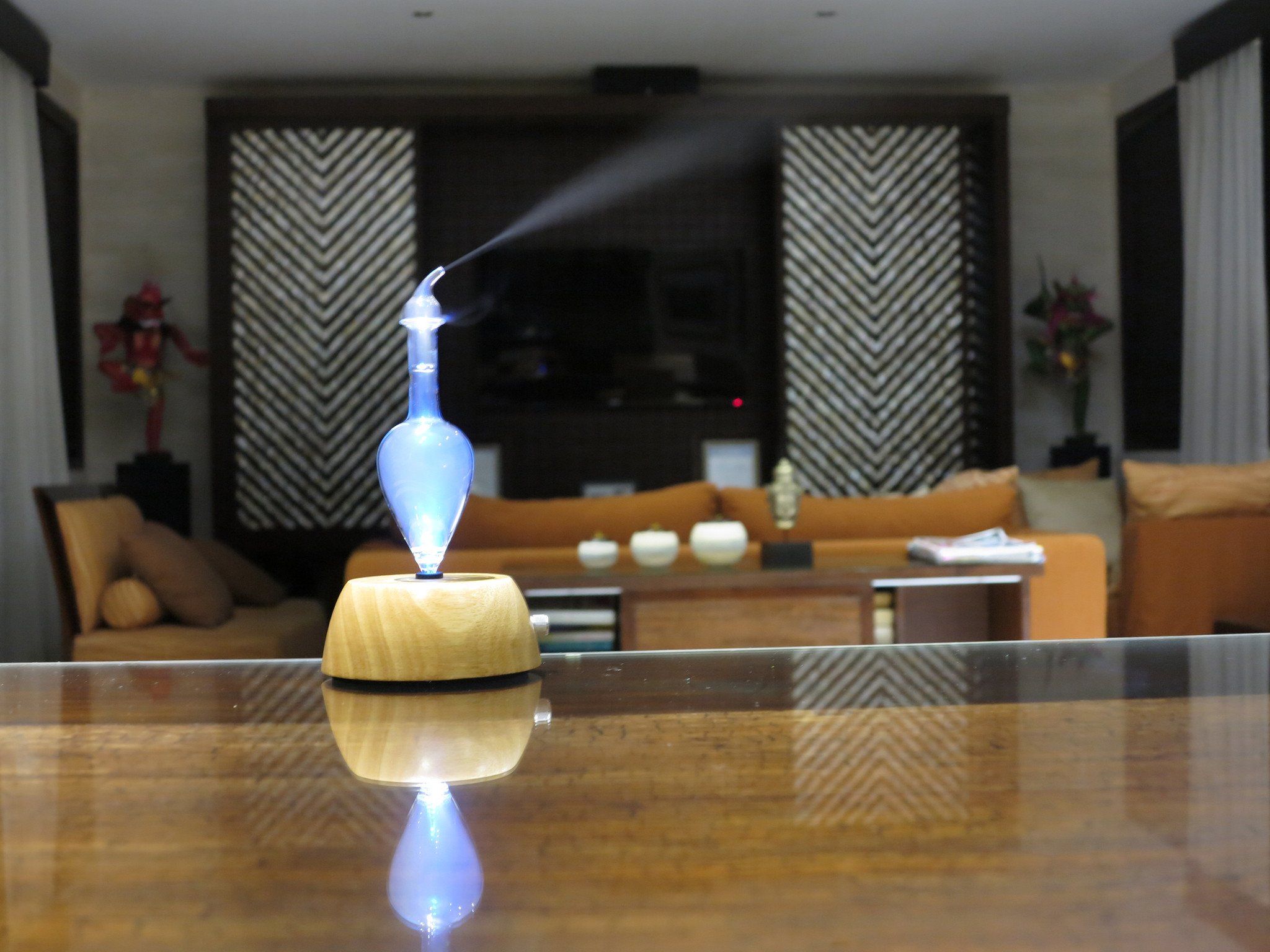
With a waterless Organic Aromas Magnificent — Nebulizing Diffuser®, you can put that vapor research to work: 15 drops of Tea Tree and 10 drops of Lemon nebulize into a fine, undiluted mist that drifts through the room — no water, no heat, no harsh chemicals. Below, you’ll get the five best oils, exact dilution ratios, DIY blends by surface, and what the lab data actually says.
Essential Oils That Kill Mold: Top Picks and Dilution Guidelines
Not every oil fights fungi equally. The strongest mold-fighters share one trait: a high concentration of phenolic or terpene compounds that break down fungal cell walls on contact. Here are the five that consistently earn their place, plus the active molecule doing the work in each.
- Tea Tree — its terpinen-4-ol tears into Candida albicans and threadlike fungi. Crisp, pine-fresh, and the most studied antifungal oil of the bunch. See our deep dive on tea tree oil benefits.
- Clove — its eugenol shuts down Aspergillus and Penicillium. In a 2018 air-quality screening (see below), clove was the single most effective oil tested.
- Cinnamon — cinnamaldehyde is tough on Aspergillus, Candida, and Botrytis, with a warm, spicy note.
- Oregano — carvacrol breaks fungal cell walls and works across a broad range of common household molds.
- Eucalyptus and Thyme — eucalyptol and thymol round out a blend; thyme, in particular, was a 20-week standout in the USDA wood study. More on eucalyptus oil benefits here.
| Oil | Active Compound | Effective Against | Surface Spray Dilution |
|---|---|---|---|
| Tea Tree | Terpinen-4-ol | Candida, threadlike fungi | 1 tsp / 2 cups water |
| Clove | Eugenol | Aspergillus, Penicillium | ¼–½ tsp per liter |
| Cinnamon | Cinnamaldehyde | Aspergillus, Candida, Botrytis | ½ tsp per liter |
| Oregano | Carvacrol | Various molds | ½ tsp per liter |
| Eucalyptus | Eucalyptol | Ulocladium, Coprinellus | 10 drops per 16 oz |
| Thyme | Thymol | Broad-spectrum fungi | 10 drops per 16 oz |
| Lemon | Limonene | Aspergillus, Penicillium | 10 drops per 16 oz |
Dilute each oil in water (with a splash of vinegar) before spraying surfaces, or run them neat in a waterless Nebulizing Diffuser®, which delivers undiluted oil as a cold-air mist — no dilution, no dampness added to an already-humid room.
What the Research Actually Shows About Oils and Mold
Most “essential oils for mold” posts wave vaguely at “antifungal properties.” Let’s go deeper, because the primary literature is surprisingly specific.
The USDA wood study (Yang & Clausen, 2006). Forest Products Laboratory scientists tested seven essential oils on pine exposed to three of the most common indoor molds. A simple dip treatment of thyme or geranium oil inhibited growth for 20 weeks. Even more striking for air treatment: vapors from dill weed oil suppressed all three fungi for at least 20 weeks without the oil ever touching the wood — proof that a diffused, airborne oil can do real work.
The indoor-air screening (2018, International Journal of Occupational and Environmental Health). Researchers ran clove, lavender, and eucalyptus oils against fungi captured from real environmental air samples, benchmarked against vinegar, bleach, and limonene. Clove oil came out most efficacious — and every essential oil tested outperformed vinegar. That single finding reframes the DIY “vinegar spray” everyone recommends: a clove-forward oil blend has better published data behind it.
The practical takeaway? Oils work in two modes — direct contact (sprays on grout, tile, wood) and vapor (nebulized into the air). A whisper-quiet Nebulizing Diffuser® is the cleanest way to run the vapor mode continuously, since it preserves each oil’s active compounds instead of diluting them in water. For more on airborne freshness, see our guide to using essential oils to clean the air.
Sign Up to Get Your FREE
e-Book Here…
How to Apply Essential Oils for Mold Removal: Spray, Diffuse, Fog
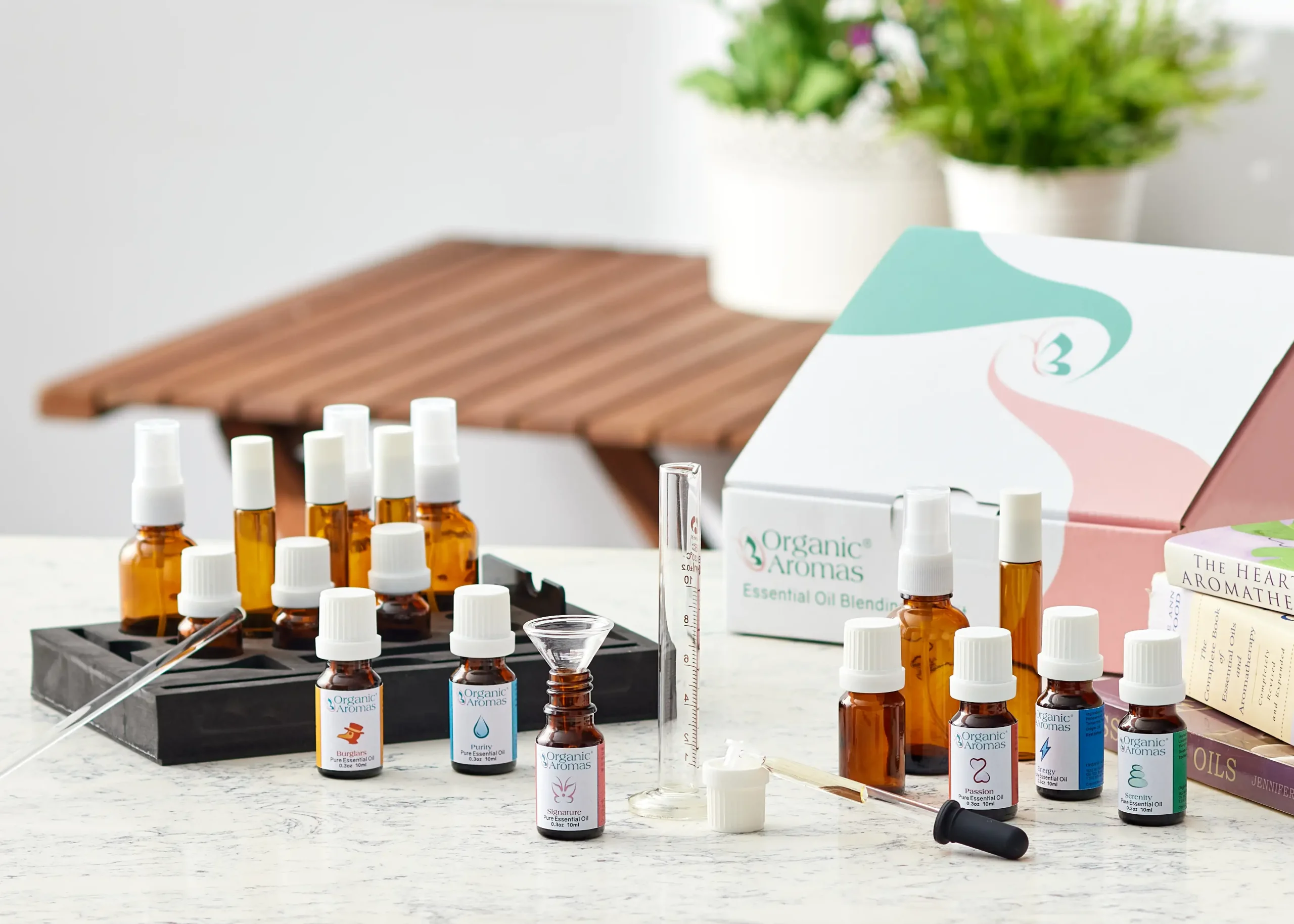
Three methods cover almost every situation. Match the method to where the mold lives.
1. Drop-and-shake surface spray. For grout, tile, and sealed wood, mix this in a clean spray bottle:
| Ingredient | Amount |
|---|---|
| Water | 1 cup |
| White vinegar | 1 cup |
| Lemon essential oil | 10 drops |
| Tea tree essential oil | 10 drops |
| Cinnamon essential oil | 5 drops |
| Thyme essential oil | 5 drops |
Shake, mist the surface, let it rest 10 minutes, then scrub with a stiff brush and let it air-dry. No rinse needed.
2. Continuous diffusion. Think of a Magnificent — Nebulizing Diffuser® as a silent waterfall of pure oil molecules. Add tea tree and lemon neat, place one unit per ~1,000 square feet, and run it in intervals over 24 to 72 hours so the vapor can reach spores drifting in the air. Because it uses no water, it won’t add the humidity that mold craves — unlike an ultrasonic unit. (Here’s the difference between a diffuser and a humidifier.)
3. Fogging for a deep reset. For a whole-room treatment, load a fogger with a Burglars Blend — clove, lemon, cinnamon, eucalyptus, and rosemary. Seal the room, fog, and step out for about an hour so the fine mist can settle into corners. Then open windows and let fresh air flow back in.
The Humidity Trap: Why Your Diffuser Choice Matters for Mold
Here’s a failure mode almost no mold article mentions: the wrong device can feed the very problem you’re fighting. Mold needs moisture to grow, and an ultrasonic diffuser works by vibrating a plate to fling water — and a little oil — into the air as a visible fog. In a damp, mold-prone bathroom or basement, that added humidity is exactly what spores are waiting for.
A Nebulizing Diffuser® works on a completely different principle. Using Bernoulli’s Principle, a stream of air pulls undiluted essential oil up a glass tube and atomizes it into microscopic droplets — no water, no heat, and zero added humidity. You get the pure antifungal compounds (the terpinen-4-ol, eugenol, and thymol doing the real work) dispersed into the air without raising the room’s moisture a single percent. For a mold-prone space, that distinction isn’t cosmetic — it’s the difference between treating the problem and quietly watering it. If you’re weighing the two, our breakdown of a diffuser vs. a humidifier spells out why waterless wins in damp rooms.
Safety Precautions and Dilution Guidelines
Natural doesn’t mean “anything goes.” Bold oils like cinnamon and clove can irritate skin or soak into porous surfaces, so a few guardrails keep the process pleasant.
- Standard dilution is 1–3% — roughly 6 to 18 drops per ounce of carrier for sprays. For a gentler spray around children, drop to 0.5–1% and favor lemon or tea tree.
- Ventilate. Keep windows cracked and air moving while you treat and spot-test any new blend on a hidden patch first.
- Mind pets and sensitive folks. Run the Nebulizing Diffuser® out of rooms with young kids, pets, or anyone with chemical sensitivities. Our essential oil safety guide for animals covers which oils to avoid around companions.
- Store smart. Keep oils in dark glass at 50–70°F; most pure oils stay potent for one to two years.
- Gear up for heavy jobs. A respirator mask, goggles, and protective coveralls are worth it when you’re disturbing visible mold.
AromaCurious™ Starter Kit – Choose-Your-Own 5-Pack Essential Oil Sampler (2ml Each)
Join Now and Get a Coupon for 10% Off!
Essential Oils vs. Bleach and Conventional Mold Removers

Bleach kills surface mold on contact, but it leaves behind volatile byproducts that sting the lungs and can’t reach mold’s roots on porous materials like wood and drywall. You end up masked-up with the windows flung open.
Essential oils work differently: they disrupt fungal cell walls and leave a fresh, plant-based aroma instead of a chemical bite. And remember the 2018 air-quality data — every oil tested beat vinegar, the go-to “natural” cleaner. DIY oil treatments also cost a fraction of professional remediation, generate no toxic waste, and let you reuse your pure oils.
The honest limit: oils shine for spot treatments, routine cleaning, and airborne freshness — but they won’t extract mold hiding behind drywall or deep inside HVAC vents. For any patch larger than about ten square feet, call a remediation pro first, then use oils and a Nebulizing Diffuser® to keep the refreshed space smelling clean.
DIY Mold-Fighting Blends for Every Surface
Different surfaces call for slightly different blends. Keep these three in your back pocket:
- Grout & tile: 10 drops tea tree + 10 drops lemon + 1 cup water + 1 cup white vinegar. Mist, wait 10 minutes, scrub.
- Damp fabric & laundry: 5 drops lemongrass + 5 drops eucalyptus in the rinse water to freshen mildew-prone towels and gym gear.
- Wood & window frames: a thyme-forward blend, echoing the USDA study’s 20-week champion — 8 drops thyme + 6 drops clove in 2 cups water; spot-test finish first.
For continuous airborne protection between deep cleans, keep a Nebulizing Diffuser® running a tea-tree-and-lemon blend. If you want to compare units, our guide to the cold-air diffuser breaks down what to look for, and you can browse more room-by-room air-freshening recipes too.

Join Our Exclusive Member Club to get Big Discounts!
Final Thoughts
Essential oils that kill mold aren’t a gimmick — they’re backed by decades of lab work, from the USDA’s 20-week wood trials to modern indoor-air screenings where clove outperformed bleach and vinegar. Tea tree, clove, cinnamon, oregano, and thyme give you a genuine, low-toxicity toolkit for grout, fabric, wood, and the air itself.
Spray for surfaces, diffuse for the air, fog for a deep reset — and let a waterless Nebulizing Diffuser® carry those pure compounds through your home so it feels clean, calm, and spa-fresh. Breathe deep. That crisp, clear air is the whole point.
Essential Oils That Kill Mold: Frequently Asked Questions
Which essential oils kill mold on surfaces and wood?
The strongest options are tea tree, oregano, clove, cinnamon, thyme, eucalyptus, and lemon. They disrupt fungal cell walls and degrade spores. In the 2006 USDA Forest Products Laboratory study, thyme was a standout on wood, inhibiting growth for 20 weeks. Always dilute per a dilution chart before treating surfaces.
How do I use essential oils to kill mold in the air?
Run a waterless Nebulizing Diffuser® with neat oils such as tea tree and lemon for continuous, gentle vapor, or mist a 1–2% water-and-oil spray for a quick refresh. Unlike an ultrasonic unit, a nebulizing diffuser adds no humidity — important since mold thrives on moisture.
Is clove oil really better than vinegar for mold?
According to a 2018 study in the International Journal of Occupational and Environmental Health, clove oil was the most effective oil tested against airborne fungi, and every essential oil evaluated outperformed vinegar in the assay. Clove’s eugenol is the active compound doing the work.
Does lavender or peppermint oil kill mold?
Both show mild-to-moderate antifungal activity and freshen the air, but they’re less potent alone than tea tree or clove. Use them to round out a blend rather than as your primary mold-fighter.
Does frankincense help against mold spores?
Frankincense has modest antifungal effects and can slow spore growth, but it works best blended with stronger antifungal oils like tea tree, thyme, or clove.
What can I diffuse or spray to freshen mold-prone air?
Mix water with tea tree or lemon oil at 1–2% and mist a light haze, then run a waterless Nebulizing Diffuser® with a tea-tree-and-lemon blend to keep the air fresh between cleanings.