


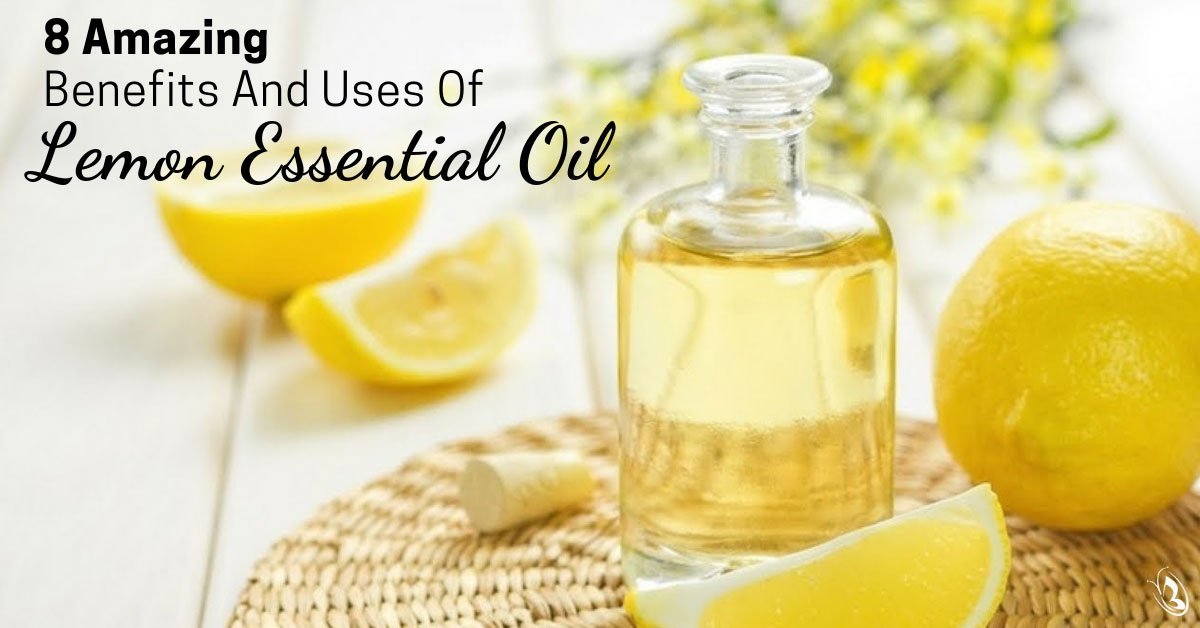
Benefits and Uses of Lemon Essential Oil: Complete Guide
Few essential oils are as versatile as lemon. Cold-pressed from the rinds of fresh Citrus limon, lemon essential oil captures the concentrated power of roughly 1,000 lemons in a single pound of oil. Its primary compound, limonene (making up 60 to 70 percent of the oil), is responsible for everything from its bright, uplifting scent to its proven antibacterial and mood-boosting properties.
Lemon essential oil benefits span well beyond a pleasant fragrance. Research has linked it to reduced anxiety, sharper focus, clearer skin, and stronger immune function. It’s also one of the most effective natural cleaning agents available. This guide covers the science behind each benefit, practical ways to use lemon oil at home, and blending recipes you can start using today.
What Makes Lemon Essential Oil Special
Lemon essential oil is extracted through cold-pressing the outer peel of the lemon fruit, capturing the volatile compounds that give lemons their distinctive scent. Unlike lemon juice, which is acidic and water-based, the essential oil is a concentrated lipophilic extract containing dozens of therapeutic compounds.
The dominant compound, d-limonene, has been extensively studied for its anti-inflammatory, antioxidant, and antimicrobial effects. Other key constituents include beta-pinene (respiratory support), gamma-terpinene (antioxidant), and citral (antibacterial). This chemical profile is what makes lemon oil useful across so many different applications, from aromatherapy and skincare to household cleaning.
One important distinction: cold-pressed lemon oil contains furanocoumarins, which cause phototoxicity (increased sun sensitivity on skin). Steam-distilled lemon oil does not contain these compounds. If you plan to use lemon oil topically, understanding the difference between lemon oil types helps you choose the right one for your needs.
Health Benefits of Lemon Essential Oil
Boosts Mood and Reduces Anxiety
Lemon oil is one of the most well-documented mood-enhancing essential oils. Inhaling its aroma stimulates the production of serotonin and dopamine, the neurotransmitters responsible for feelings of happiness and motivation. A 2006 study published in Behavioural Brain Research found that lemon oil vapor had a clear anti-stress effect, outperforming both lavender and rose oils in its ability to modulate key neurotransmitter activity.
For a quick mood lift, add a few drops of pure organic lemon essential oil to your diffuser in the morning. The bright citrus scent creates an energizing atmosphere that can shift your entire outlook for the day.
Sharpens Focus and Cognitive Function
A Japanese study found that diffusing lemon oil in an office environment reduced typing errors by 54 percent. The oil’s stimulating scent increases alertness and concentration by activating the sympathetic nervous system without the jittery side effects of caffeine. Students, remote workers, and anyone needing sustained mental clarity can benefit from diffusing lemon oil during focused work sessions.
Supports Immune Health
Lemon oil’s high concentration of d-limonene acts as a powerful antioxidant, helping your body neutralize free radicals and support overall immune system function. Its antimicrobial properties also help purify the air when diffused, reducing the concentration of airborne pathogens in your living space. During cold and flu season, diffusing lemon oil is a simple way to create a cleaner breathing environment for your household.
Eases Nausea and Morning Sickness
A 2014 randomized clinical trial found that inhaling lemon essential oil significantly reduced nausea and vomiting in pregnant women compared to a placebo. The study showed a statistically significant improvement in both the frequency and intensity of nausea episodes. For those dealing with motion sickness, post-surgical nausea, or general queasiness, keeping a bottle of lemon oil nearby for direct inhalation can provide rapid relief.
Natural Energy Boost
When the afternoon slump hits, lemon oil offers a natural alternative to another cup of coffee. The scent stimulates the trigeminal nerve, which increases alertness and wakefulness without affecting your sleep cycle later that night. Diffusing lemon oil is one of the best essential oil approaches for sustained energy throughout the workday.
Sign Up to Get Your FREE
e-Book Here…
Lemon Essential Oil Benefits for Skin and Hair
Clarifies Acne-Prone Skin
Lemon oil’s antibacterial properties make it effective against the bacteria that cause acne breakouts. It also has astringent qualities that help regulate excess sebum production, addressing one of the root causes of oily skin. Add 1 to 2 drops to your regular cleanser or mix with a carrier oil like jojoba for a targeted spot treatment. For more oil recommendations, explore our guide to the best essential oils for skincare.
Brightens Dull Complexion
The citric acid and vitamin C compounds in lemon oil help gently exfoliate dead skin cells and promote a more even skin tone. It can help fade dark spots and hyperpigmentation over time when used consistently in a diluted skincare blend. Always use lemon oil on skin in the evening and apply sunscreen the next day, as cold-pressed lemon oil causes photosensitivity for up to 12 hours after application.
Promotes Healthy, Shiny Hair
Lemon oil helps balance scalp oil production and can reduce dandruff when added to your shampoo (3 to 5 drops per ounce). Its cleansing properties remove product buildup, leaving hair looking shinier and feeling lighter. For a simple rinse, add 5 drops of lemon oil to a cup of warm water and pour through freshly washed hair as a final rinse.
How to Use Lemon Essential Oil
Aromatherapy and Diffusion
Diffusing is the most popular way to enjoy lemon essential oil benefits, and the type of diffuser you use matters more than most people realize. Lemon oil is rich in volatile monoterpenes that evaporate quickly. A nebulizing diffuser atomizes pure essential oil into microscopic particles without water or heat, delivering the full therapeutic concentration of these delicate compounds. Ultrasonic diffusers dilute the oil in water, which reduces the concentration of limonene and other active compounds you actually inhale.
For the best results, diffuse lemon oil in 30 to 60 minute intervals. Morning sessions support energy and focus, while afternoon sessions help combat mental fatigue. In shared workspaces, lemon is one of the most universally appealing scents, making it ideal for purifying and freshening the air without bothering others.
Topical Application
Always dilute lemon oil before applying to skin. A safe ratio is 2 to 3 drops per teaspoon of carrier oil (jojoba, sweet almond, or coconut oil). Apply to the desired area and massage gently. Remember: cold-pressed lemon oil is phototoxic. Avoid sun exposure on treated skin for at least 12 hours, or use steam-distilled lemon oil for daytime topical use.
Household Cleaning
Lemon oil is a powerhouse natural cleaner. Its d-limonene content cuts through grease, dissolves sticky residues, and kills bacteria on surfaces. For a simple all-purpose cleaning spray, combine 40 drops of lemon essential oil with 20 drops of tea tree oil, 1 cup of white vinegar, and 2 cups of water in a spray bottle. Shake well before each use. This works on countertops, sinks, stovetops, and bathroom surfaces.

Lemon Essential Oil 100% Pure Organic
Cold-pressed from Italian lemon peels, our USDA-certified organic lemon oil delivers the bright, zesty aroma and full therapeutic potency you need for aromatherapy, skincare, and natural cleaning.
Lemon Essential Oil Diffuser Blends
Lemon pairs beautifully with a wide range of essential oils. Here are five ready-to-use blends for different needs. For nebulizing diffusers, use the drop counts as listed. For ultrasonic diffusers, you may need to increase the amounts slightly.
Morning Energy Blend
4 drops lemon + 2 drops peppermint + 2 drops rosemary
An invigorating combination that wakes up your senses and sets the tone for a productive day. Perfect for your morning routine while getting ready for work.
Focus and Study Blend
3 drops lemon + 3 drops frankincense + 2 drops basil
Designed for sustained concentration during study sessions, deep work, or creative projects. The frankincense grounds the brightness of the lemon, while basil sharpens mental clarity.
Immune Support Blend
3 drops lemon + 3 drops tea tree + 2 drops eucalyptus
A purifying blend that helps cleanse the air during cold and flu season. Our Burglars Blend (which includes lemon, cinnamon, clove, eucalyptus, and rosemary) captures a similar immune-boosting profile in a convenient pre-mixed formula.
Relaxing Citrus Evening Blend
3 drops lemon + 3 drops lavender + 2 drops cedarwood
While lemon is known as an energizing oil, blending it with calming lavender and grounding cedarwood creates a balanced, peaceful atmosphere. Ideal for winding down in the evening without feeling overstimulated.
Fresh Home Blend
4 drops lemon + 2 drops lemongrass + 2 drops tea tree
A bright, clean-smelling blend that eliminates odors and freshens any room. Diffuse after cooking, cleaning, or anytime you want your home to smell naturally fresh. Our Welcome Home Blend offers a similar uplifting, inviting aroma featuring lemon, pine, and cedarwood.
Safety, Side Effects, and Precautions
Phototoxicity Warning
Cold-pressed lemon essential oil contains furanocoumarins that increase your skin’s sensitivity to UV radiation. Applying it before sun exposure can cause severe burns, blistering, or permanent dark spots. Wait at least 12 hours after topical application before exposing treated skin to sunlight or tanning beds. If you need to use lemon oil during the day, choose a steam-distilled version, which is furanocoumarin-free.
Shelf Life and Oxidation
Lemon oil has a shorter shelf life than many essential oils, typically 1 to 2 years when stored properly. As it oxidizes, d-limonene breaks down into compounds that can cause skin sensitization and irritation. Store your lemon oil in a dark glass bottle, away from heat and direct sunlight, and keep the cap tightly closed. If the oil smells flat or different from when you purchased it, replace it.
Pet Safety
Cats lack the liver enzymes needed to metabolize limonene and other citrus compounds. Diffusing lemon oil around cats can cause respiratory distress, drooling, vomiting, or liver damage. If you have cats, avoid diffusing lemon oil in enclosed spaces where they spend time. Dogs can generally tolerate low-concentration diffusion in well-ventilated rooms, but never apply lemon oil directly to any pet’s skin. For more details, read our guide on using essential oils safely around your pets.
Pregnancy and Children
Lemon oil is generally considered one of the safer essential oils for use during pregnancy (it’s actually recommended for morning sickness in multiple clinical studies). For children over 2, lemon oil can be safely diffused in well-ventilated rooms. For topical use on children, reduce the dilution to 0.5 to 1 percent (1 drop per 2 teaspoons of carrier oil).
Get the Most from Your Lemon Essential Oil
Lemon essential oil benefits touch nearly every aspect of daily life, from the way you feel in the morning to how clean your home looks at the end of the day. Its mood-boosting, focus-sharpening, immune-supporting, and antibacterial properties make it one of the most versatile bottles in any essential oil collection.
The key to unlocking the full potential of lemon oil is how you deliver it. For aromatherapy, a nebulizing diffuser preserves every volatile compound in its pure form, giving you the strongest therapeutic experience. For skincare and cleaning, proper dilution and quality sourcing make all the difference.
Ready to experience the difference that pure, organic lemon oil makes? Browse our organic essential oils collection for Italian cold-pressed lemon oil and dozens of other therapeutic-grade singles and blends. Pair it with a nebulizing diffuser for the cleanest, most potent aromatherapy experience available.
Sign Up to Get Your FREE Essential Oils e-Book Here
Frequently Asked Questions
Can I put lemon essential oil in my water?
This is not recommended. Essential oils are not water-soluble, so they float on top and can cause irritation to your mouth, throat, and digestive tract. If you want lemon-flavored water, use fresh lemon slices or juice instead. Essential oils are best used through aromatherapy (diffusion) or diluted topical application.
What essential oils blend well with lemon?
Lemon blends beautifully with lavender, peppermint, eucalyptus, rosemary, tea tree, frankincense, cedarwood, and other citrus oils like sweet orange, bergamot, and grapefruit. As a general rule, lemon pairs well with herbal, woody, and floral scents.
How many drops of lemon oil should I use in my diffuser?
For a nebulizing diffuser, 5 to 8 drops is sufficient since the oil is delivered at full concentration. For ultrasonic diffusers, you may need 8 to 12 drops since the oil is diluted in water. Start with fewer drops and increase based on your preference and room size. Run the diffuser in 30 to 60 minute intervals rather than continuously.
Is lemon essential oil safe for cats?
No. Cats cannot metabolize the limonene and linalool compounds in lemon oil, making it potentially toxic. Avoid diffusing lemon oil in enclosed rooms where cats spend time, never apply it to a cat’s skin or fur, and store bottles where cats cannot access them. If your cat shows signs of drooling, vomiting, or lethargy after exposure to any citrus oil, contact your veterinarian immediately.
How is lemon essential oil different from lemon juice?
Lemon juice is water-based and comes from the fruit’s flesh, containing primarily citric acid and vitamin C. Lemon essential oil is extracted from the peel and contains concentrated volatile compounds like d-limonene, beta-pinene, and gamma-terpinene. The two products have completely different chemical profiles and are not interchangeable. Essential oil is far more concentrated and should never be consumed like lemon juice.






Overflowing with benefits. On top of that, I like the clean fresh smell of citrus. (lemon)
I’m an Esthetician and always recommending the use of lemon essential oils in skincare routine! I never knew it also increased concentration! Now I can’t wait to try it for that, thanks for the tips 🙂
Wow sounds really good
Always a good read
Thank you for this refreshing article regarding the myriad of ways to brighten your life with lemon oil! I followed your advice regarding lemon oil for cleaning. What a healthy and refreshing difference it made on my kitchen counters – so natural and uplifting. Natural organic lemon oil and hot water is perfect for a chemical-free food service-prep area. And the added plus of a memory boost – who couldn’t use that. Thank you So Much.🍋
I haven’t used lemon essential oil, but these are great tips and I definitely need to start following some of these if not all.
I had absolutely no clue about the lemon oil removing gunk! As much as my 2 year old seems to find slime and bubble gum I need to invest in several dozens of lemon essential oil 😂🤷♀️
Great post! The properties of essential oils and aromatherapy are more vast than I have imagined – can’t wait to try more
I love diffusers. Lavender is my favorite oil!
love lemon….always so fresh
I never thought to add a few drops to my body wash! There’s a typo on the pin it image on bottom it says bergamot essential oil.
Thank you for the info-graphic & a chance to win the sweepstakes!!
Sounds great. Thanks for sharing.
I never knew that Lemon oil is good for colds! thanks for the info, it would be amazing to be the lucky winner – thanks for the chance
Wow, thanks for sharing! I knew about some of these uses but definitely learned a lot and have new uses now for lemon!
Wow, thanks for sharing! I knew about some of these uses but definitely learned a lot and have new uses now for lemon!
Wow what an interesting read I never knew there were so many benefits from lemon oil.
Ok so I have never used lemon essential oil in the home…but i am going to buy some today. This is a really really good article which i am going to save so I can refer back to it 🌟 thanks!!
An amazing product would love the lemon oil as it is so versatile
i did not know about the hair or skin one i always use in cleaning but never considered hair so great article thank you
ALWAYS have a bottle of this little beauty near by – really is invaluable
So many uses! One of my favourite oils!
Lemon is amazing what you can use it for!
Definitely find the Lavender Essential oil great for mood and even pain relief
Yes citrus essentials oils are awesome! Didn’t realize about the benefits for hair though. Thanks
Thanks for the info! Lemon is very uplifting!
Amazing benefits! I love lemon essential oil
I definitely need to try out the hair one and the gunk removal as well. Love using Lemon EO as a general cleaner!
Lemon is an energizing scent that is fresh and clean. That it is helpful for memory is intriguing
I am going to get some whilst I am out today, and going to use it for my hair
Lemon also smells good, refreshes your whole house.
Thank you for this useful information and love the smell of lemon 🍋
The lemon oil looks lovely and so useful
Lemon for gum in hair! I’m going to remember this! Yes! 🙂
I never knew there were so many benefits!
I never knew there were so many benefits! I love the smell too
Love this oil. It’s very refreshing and versatile. It also can lift the aroma of the blend.
It is great to know the many uses of this classic essential oil, some I wasn’t aware of. Thank you.
I love the smell of lemon and from real lemons the taste!
I shared the contest.
Lemon smells so clean somehow, I do like it!
I love lemon essential oil!!Thanks for the post,a lot of uses I was unaware of!
My Opulence diffuser arrived today, will be trying the lemon oil with it to clear my mind!
I adore the lemon as it has so many uses
As always, wonderful information contained here.
I didn’t know all these uses and benefits with lemon essential oil. I am very interested in its antibacterial properties for facial skin that has problems with acne and scars.
Not only is it good for your hair but it leaves a wonderful scent throughout the day!
Time to use lemon essential oils in the way you described. I do not know all the methods. Tkanx
I want to use it for the increased concentration benefits! Since I am at a desk all day. 🙁
lemon
Lemon eo makes me happy, turns my frown upside down!