

Peppermint Essential Oil for Ants: What the Chemistry Actually Says (and the Honest Limits of Diffusing)
Peppermint essential oil for ants is one of the most-searched natural pest tips online, and most of what you read stops at three words: it just works. The truth is more interesting, and far more useful. Peppermint really can send ants packing, but only when you understand what it does to them, which ants it works on, and the one mistake that makes most people give up on it too soon.
This guide pulls apart the actual plant chemistry, settles a contradiction you will find repeated across the web, and lays out the honest limits of the method so you do not waste a single drop. By the end you will know exactly where to put peppermint, how often, and when to reach for something stronger.
How Peppermint Essential Oil for Ants Actually Works
Ants run their entire society on scent. A foraging worker that finds your sugar bowl lays an invisible chemical trail on the way home, and every ant that follows reinforces it. That is how one scout becomes a marching line by morning. Anything that scrambles those scent signals throws the whole operation into confusion.
This is also why ants seem to surge in warm weather and after rain. Heat sends colonies foraging harder, and a downpour pushes them indoors toward dry shelter and easy calories. Understanding that they are driven by scent and opportunity, rather than malice, is what makes a scent-based deterrent like peppermint a sensible first response for a minor kitchen invasion.
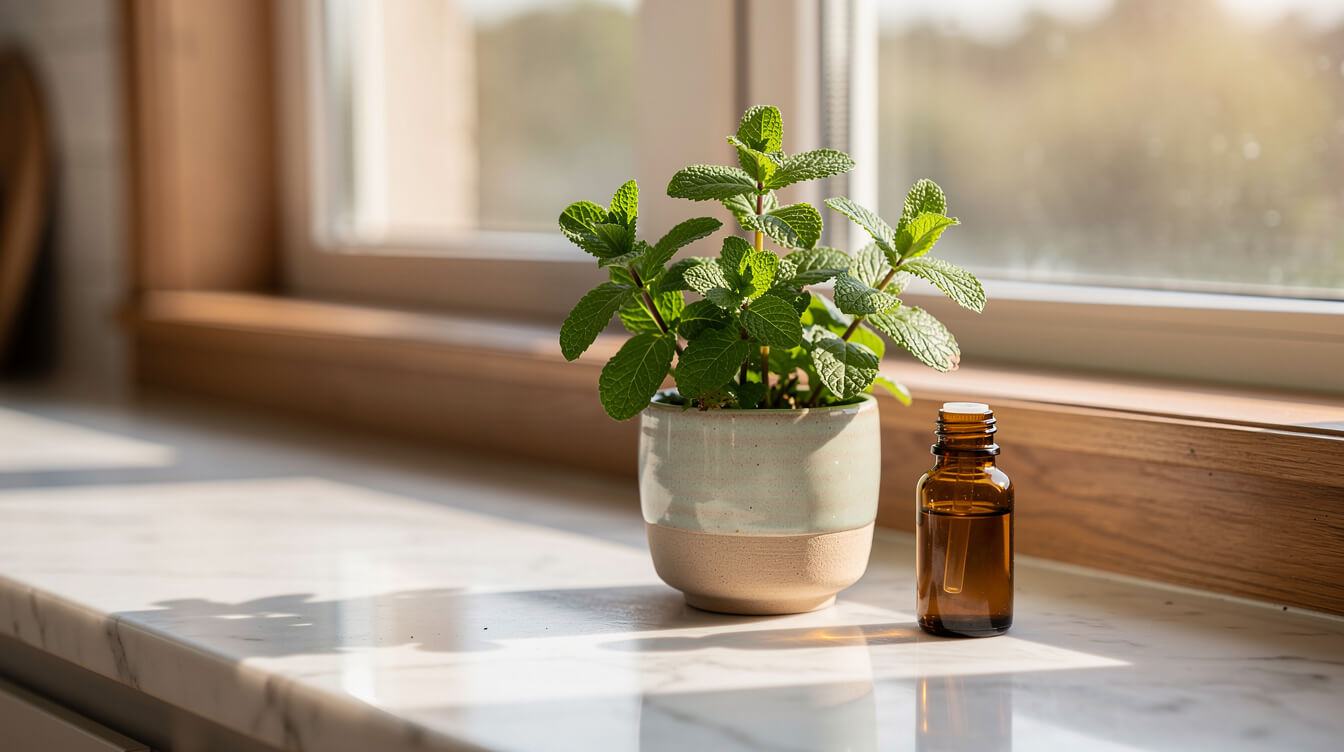
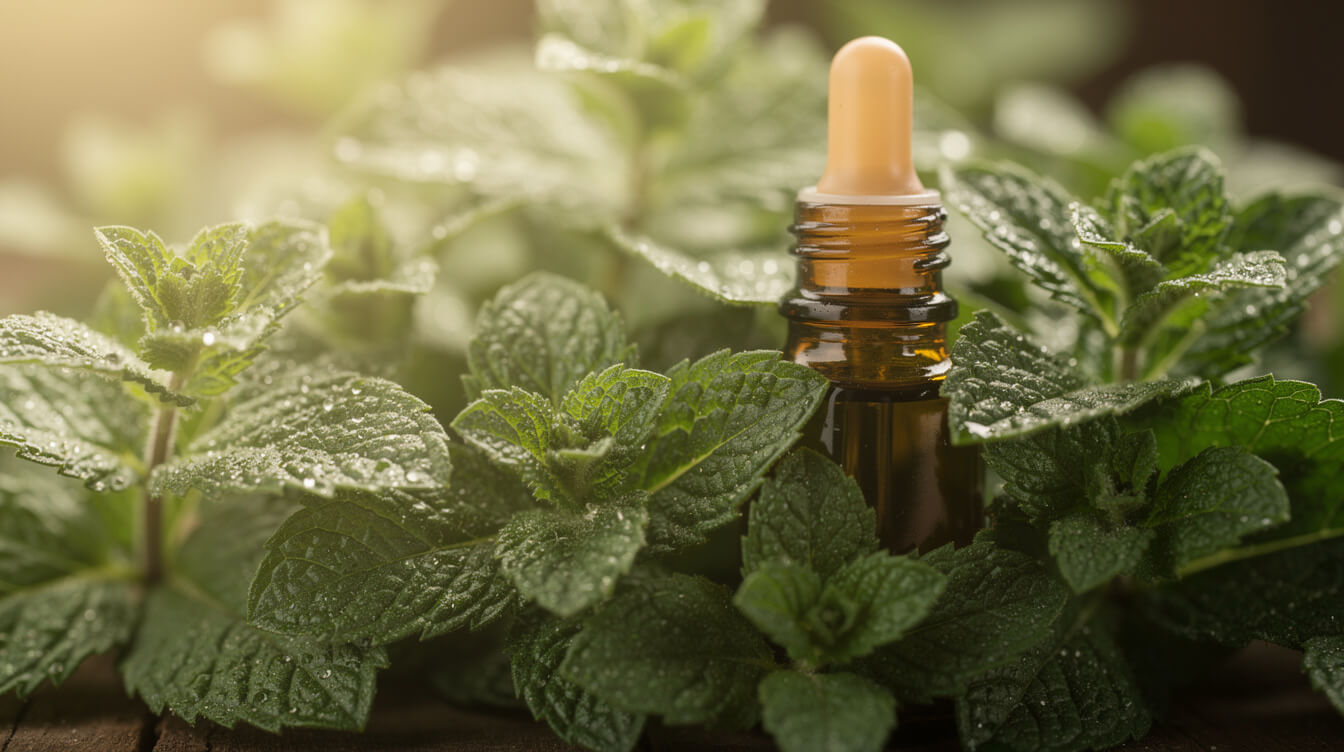
Peppermint’s power comes mainly from two volatile molecules: menthol and menthone. In a quality peppermint oil (Mentha piperita) these two compounds typically make up well over half the bottle, roughly 30 to 55 percent menthol and 14 to 32 percent menthone. They evaporate quickly and flood an ant’s antennae, which is exactly where the insect reads its world.
Repel or irritate? Settling the contradiction
Search around and you will hit a genuine disagreement. One board-certified entomologist quoted by The Kitchn says peppermint simply “disrupts the ants’ communication and navigation systems” by masking their trails, and notes it does not actually harm the ants. A pest-control company counters that menthol is a compound ants find “highly irritating.” Who is right? Both are, at different doses.
At low airborne concentrations, peppermint mostly masks the trail. The ants are not hurt; they are simply lost, because the scent road they were following is buried under a wall of mint. Apply the oil at high concentration directly onto a surface, though, and menthol behaves as a contact irritant and a mild fumigant. The practical takeaway is the whole game: concentration and direct contact decide whether peppermint merely confuses ants or actively drives them off.
Does Diffusing Peppermint Repel Ants? The Honest Limit
Here is where a lot of articles quietly mislead you. They suggest running an aroma diffuser to “keep ants at bay,” as if a fragrant room were a force field. Think about where the problem actually lives. An ant trail is a chemical road painted onto a surface: the lip of your counter, a windowsill, the grout line by the back door. The scent that guides the ants sits on the substrate, not floating in the middle of the room.
A quick thought experiment makes it obvious. Imagine ants streaming in along the gap where your countertop meets the wall. You could run a fragrant device on the far side of the kitchen all day and the scout ants would still read their trail perfectly, because the molecules they care about are pressed into that seam, not suspended over the sink. Now wipe that seam with a peppermint solution, and the road simply disappears beneath them. Same oil, completely different result, and the only variable that changed was placement.
Diffusing peppermint raises the ambient aroma you breathe, but it does very little to overwrite a trail painted along your baseboard. To interrupt ants, you have to put peppermint where the trail is, not where you sit. That single distinction is why so many people decide “peppermint does not work” when really they aimed it at the air instead of the ant highway.
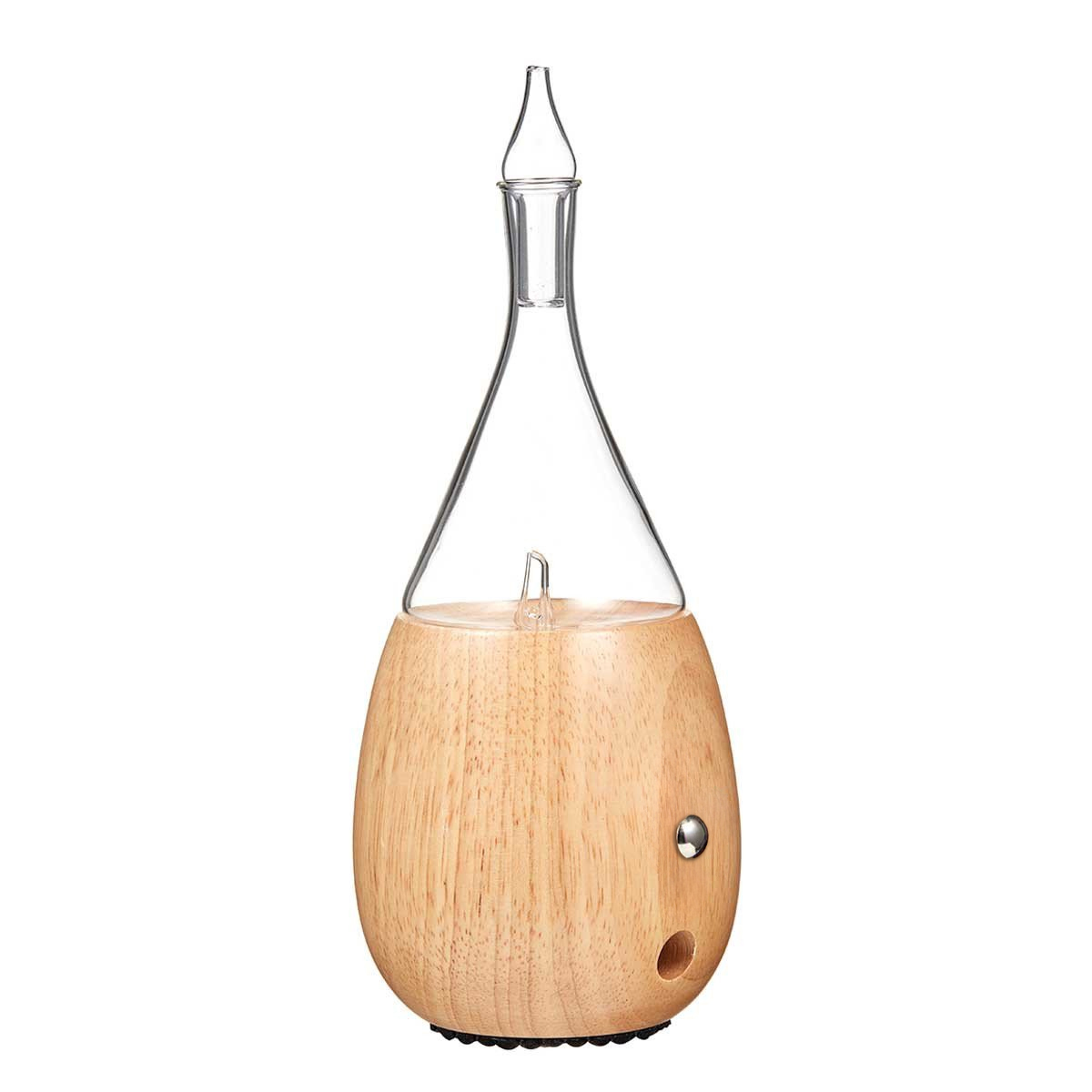
It is also why we will not pretend a Nebulizing Diffuser® is an ant weapon. Our Raindrop Smart Nebulizing Diffuser® exists to fill a room with the pure, cooling brightness of peppermint as aromatherapy you genuinely enjoy, the same way you might already diffuse peppermint for a clear-headed afternoon. For ant control, reach for a spray bottle. For a bright, focused workspace, reach for the Nebulizing Diffuser®. Two different jobs, two different tools.
Sign Up to Get Your FREE
e-Book Here…
How to Use Peppermint Essential Oil for Ants
Because contact and concentration matter, every method below puts peppermint directly on the surfaces ants use. Pick one or combine them. A quick housekeeping note first: clean the existing trail with plain soapy water before you treat it. Peppermint masks a scent road but does not fully erase a heavily reinforced one, so wipe first, then apply.
Method 1: The trail-and-entry spray
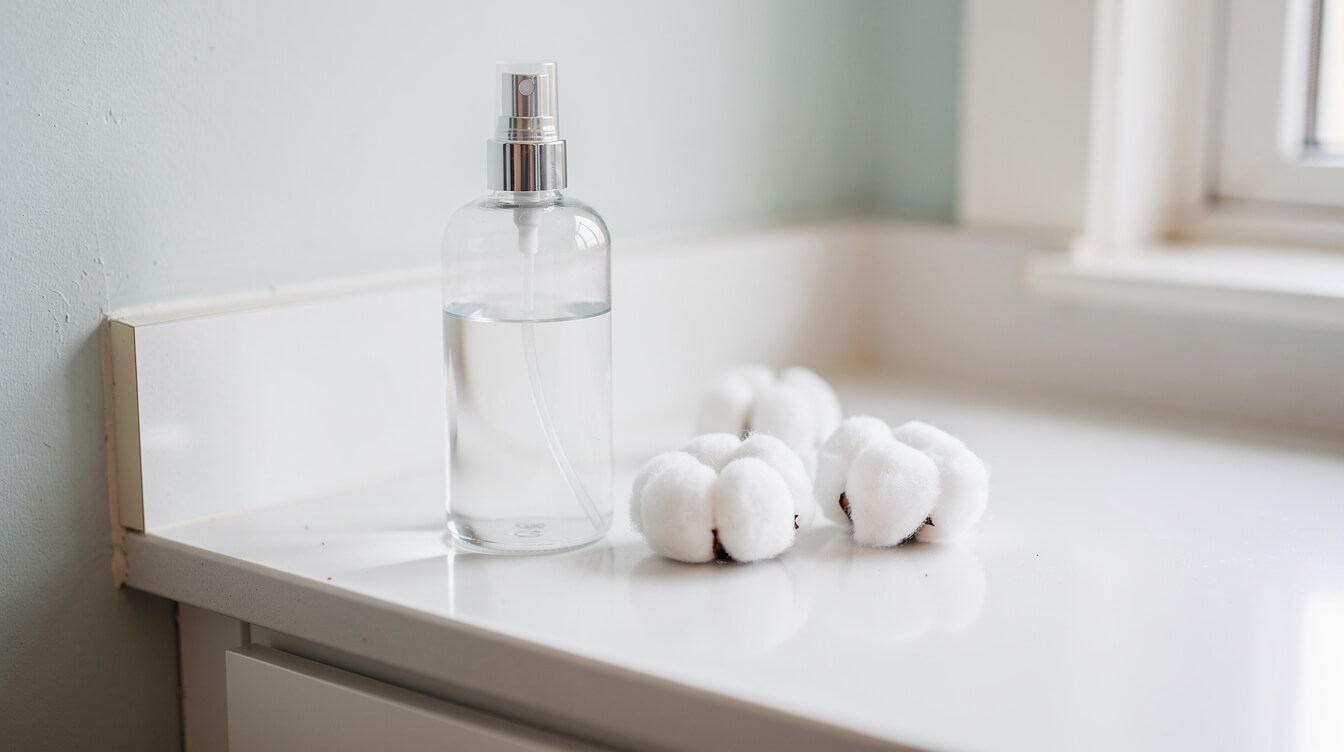
This is the workhorse. Combine the following in a small spray bottle and shake hard before every use, since oil and water naturally separate:
- 15 drops pure peppermint essential oil
- 1 cup (about 240 ml) water
- 1 teaspoon witch hazel or a single drop of dish soap, which helps the oil disperse instead of pooling
Spray along entry points, window sills, door thresholds, and the baseboard edges where you have seen ants. Reapply every 2 to 3 days, and always after you wash the surface, because cleaning removes the peppermint along with the grime.
Method 2: Cotton-ball barriers
For spots you cannot easily spray, such as the back of a cabinet or a gap under the sink, soak a few cotton balls in diluted peppermint and tuck them at the entry point. Refresh them weekly or whenever the scent fades. This is a tidy, targeted way to guard a known doorway.
Method 3: The peppermint wipe-down
Add a few drops of peppermint to your counter-cleaning water and wipe down surfaces as part of your normal routine. You erase existing trails and lay down a fresh deterrent in one pass. For more recipe variations and oil pairings, our guide on how to get rid of ants with essential oils goes deeper, and you can compare blends in our roundup of the top essential oils for ants.
Love the Scent? Enjoy Peppermint as Real Aromatherapy
A spray bottle handles the baseboards. For the pure, cooling brightness of peppermint in your living space, the handcrafted Raindrop Smart Nebulizing Diffuser® delivers undiluted essential oil with no water and no heat.
Which Ants Peppermint Works On (and Which It Won’t)
With more than 15,000 named ant species, results are never one-size-fits-all. Peppermint is most reliable against the common household trail-followers, the ones that march in neat lines toward anything sweet:
- Odorous house ants, the tiny brown ants that smell faintly of coconut when crushed
- Argentine ants, which form long cooperative trails
- Pavement ants, the classic sidewalk-and-kitchen invaders
It is far weaker against two groups. Carpenter ants tunnel into wood and are nesting in your structure rather than simply following a food trail, so masking a surface scent barely slows them. Fire ants are aggressive mound-builders and a stinging hazard; peppermint is a minor annoyance to them at best. If you suspect carpenter or fire ants, treat or remove the nest, and call a professional rather than relying on essential oils. Peppermint is a deterrent for nuisance trails, not a colony exterminator.
There is one more honest limit worth stating plainly. Peppermint protects the surfaces you treat, and nothing more. If a colony is nesting inside a wall or under the foundation, deterring the workers at your counter will not solve the underlying problem; it simply reroutes the parade. For a true infestation, the lasting fix is locating and treating the nest, often with a slow-acting bait the workers carry back to the queen. Peppermint earns its place as prevention and as a fast, pleasant-smelling response to the occasional line of scouts, which is exactly what most kitchen ant problems turn out to be.
Join Now and Get a Coupon for 10% Off!
Safety First: Pets, Kids, and Treated Surfaces
Pure peppermint oil is potent, so a little care goes a long way. Keep undiluted oil and your spray bottle well out of reach of children, and never apply concentrated oil to skin without proper dilution.
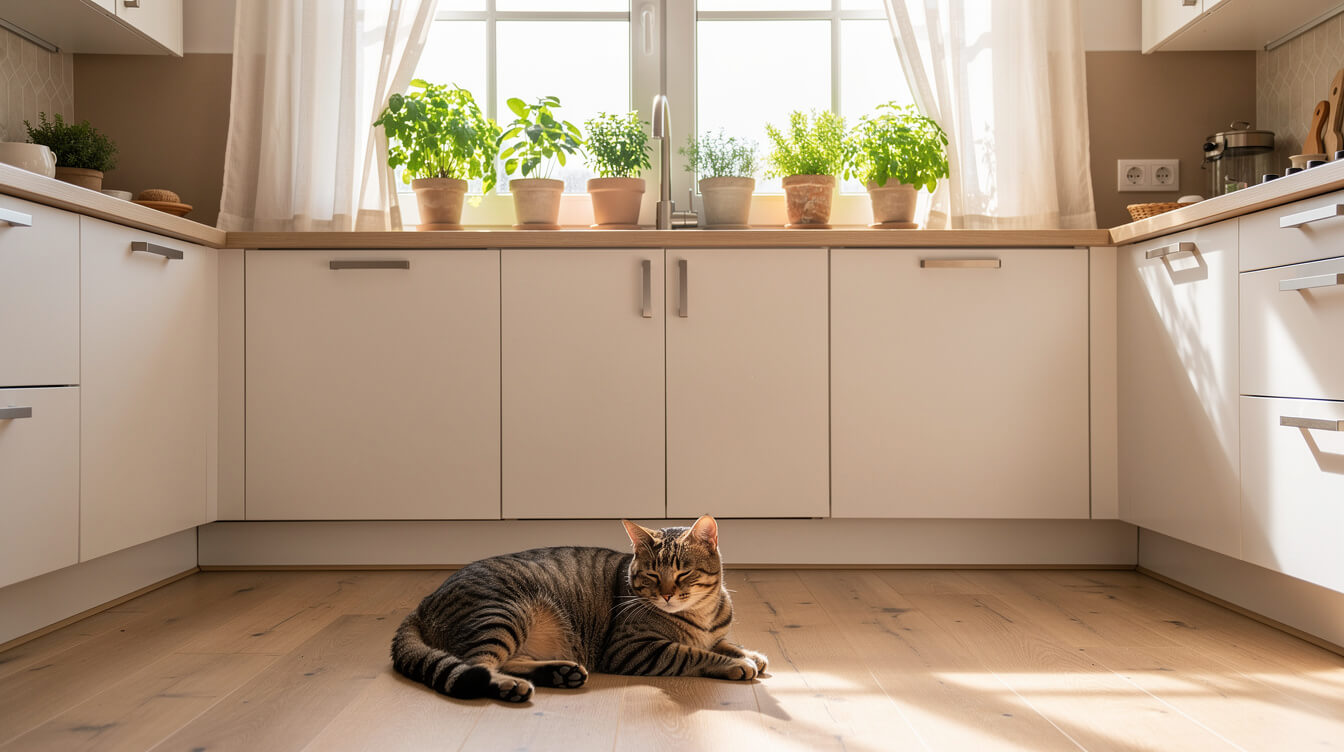
Pets need extra thought. Peppermint oil can be toxic to cats and dogs if they ingest it, lick a treated surface, or have it applied to their fur, and cats are especially vulnerable because they lack a key liver enzyme for processing certain plant compounds. Do not spray peppermint where pets eat, walk, or groom, and skip cotton balls anywhere a curious nose could reach. Before you treat a pet household, read our guide to essential oils and pet safety so you know which oils and which placements are appropriate.
Finally, mind your finishes. Concentrated essential oil can dull or cloud some sealed wood, painted, and stone surfaces, so spot-test an out-of-sight corner before spraying a whole countertop or a finished baseboard.
Frequently Asked Questions
Does peppermint oil kill ants or just repel them?
Mostly it repels and disrupts. Direct, high-concentration contact can kill an individual ant, but peppermint is not a reliable exterminator and it does nothing to the colony or queen out of sight. Treat it as a deterrent that keeps trails out of your space, not a way to wipe out a nest.
How often should I reapply peppermint oil for ants?
Every 2 to 3 days as a baseline, and again any time you clean the treated surface or notice the scent fading. The oil is volatile by design, so its deterrent effect is temporary.
Will diffusing peppermint oil get rid of ants?
Not on its own. Ant trails live on surfaces, so scenting the air does little to break them. Apply peppermint directly to entry points and trails instead, and save your Nebulizing Diffuser® for the aromatherapy it is actually built for.
Is peppermint oil safe to use around pets?
Use real caution. Peppermint oil can be toxic to cats and dogs, so keep treated areas away from where they eat, walk, or groom, and store the bottle securely. When in doubt, choose a placement your pet cannot reach.
What is the best peppermint oil to use for ants?
A pure, undiluted, single-species peppermint oil (Mentha piperita) with nothing added. Purity matters, because the menthol and menthone content is what does the work; you can read more about quality peppermint in our peppermint essential oil overview, and the same purity principle drives our nebulizing diffusion approach.
Sign Up to Get Your FREE Pets
e-Book Here…
The Honest Bottom Line
Peppermint essential oil for ants is a real, satisfying tool the moment you respect what it is: a surface-level trail disruptor, not an airborne force field and not a colony killer. Match the method to the ant, clean the trail first, reapply on schedule, and keep pets in mind. You can even pair peppermint’s pest-deterring reputation with its use against other household crawlers like spiders.
Used that way, a few dollars of pure peppermint oil can keep the summer parade out of your kitchen. And when the ants are gone, that very same bottle can perfume a quiet evening as genuine, undiluted aromatherapy. One ingredient, two jobs, both done honestly.