

Peppermint Essential Oil for Diffuser: Blends, Drop Counts, and Why Cold Diffusion Keeps It Sharp
If you searched for peppermint essential oil for diffuser use, you probably want two things: blends that actually smell good, and the right number of drops to use. Almost every guide online answers the second question the same way, with a tidy “five to eight drops per 100 ml of water.” There is just one problem. A waterless, pure-oil Nebulizing Diffuser® has no water in it at all, so that advice does not translate. Worse, peppermint is one of the most potent oils on the shelf, and running an ultrasonic recipe neat can flood a room with menthol in minutes.
This guide fixes that. You will learn why peppermint smells sharper and cleaner when it is diffused cold and dry, how to think about “drops” when there is no water to float them on, five blends sorted by how they behave in a waterless device, and the timing that keeps the scent crisp instead of overwhelming. The chemistry is simple once someone explains it, and it changes how you use this oil for good.
Why Peppermint Smells Sharper in a Nebulizing Diffuser®
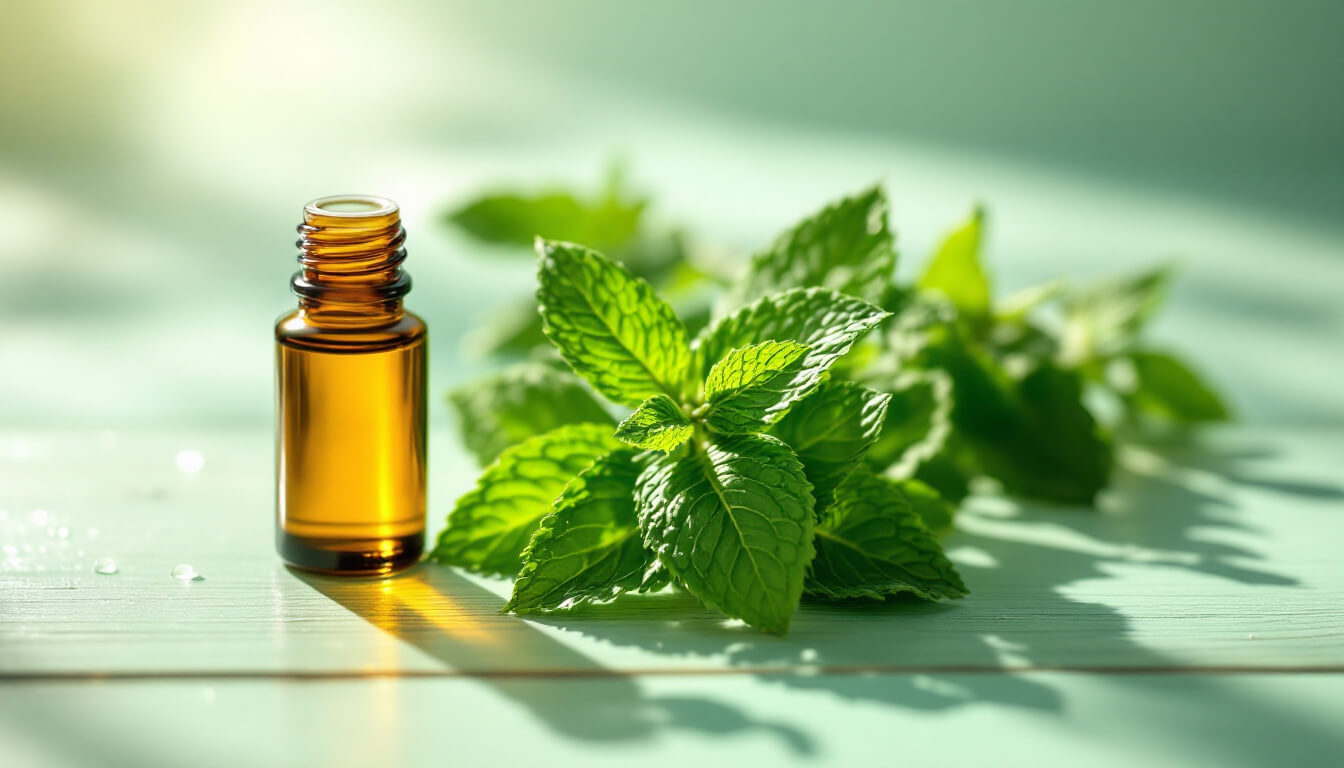
Peppermint (Mentha piperita) gets its signature cool bite from two molecules: menthol, which usually makes up roughly 30 to 45 percent of the oil, and menthone, around 15 to 30 percent. Menthol is the interesting one. It does not actually lower the temperature of anything. It binds to a cold-sensing receptor on your nerve endings called TRPM8, the same receptor that fires when you step into cold air. Your brain reads that signal as “cool and fresh” even though the room has not changed by a single degree.
Here is why the device matters. Menthol and the bright top notes that carry peppermint’s lift are highly volatile, which means they evaporate fast and are easily blunted by heat. Drop peppermint into a warm reed setup or a heat plate, and those top notes flash off unevenly, leaving a flatter, more medicinal smell behind. An ultrasonic unit is gentler, but it suspends the oil inside a fog of warm-ish water, so what reaches you is diluted and slightly muddied.
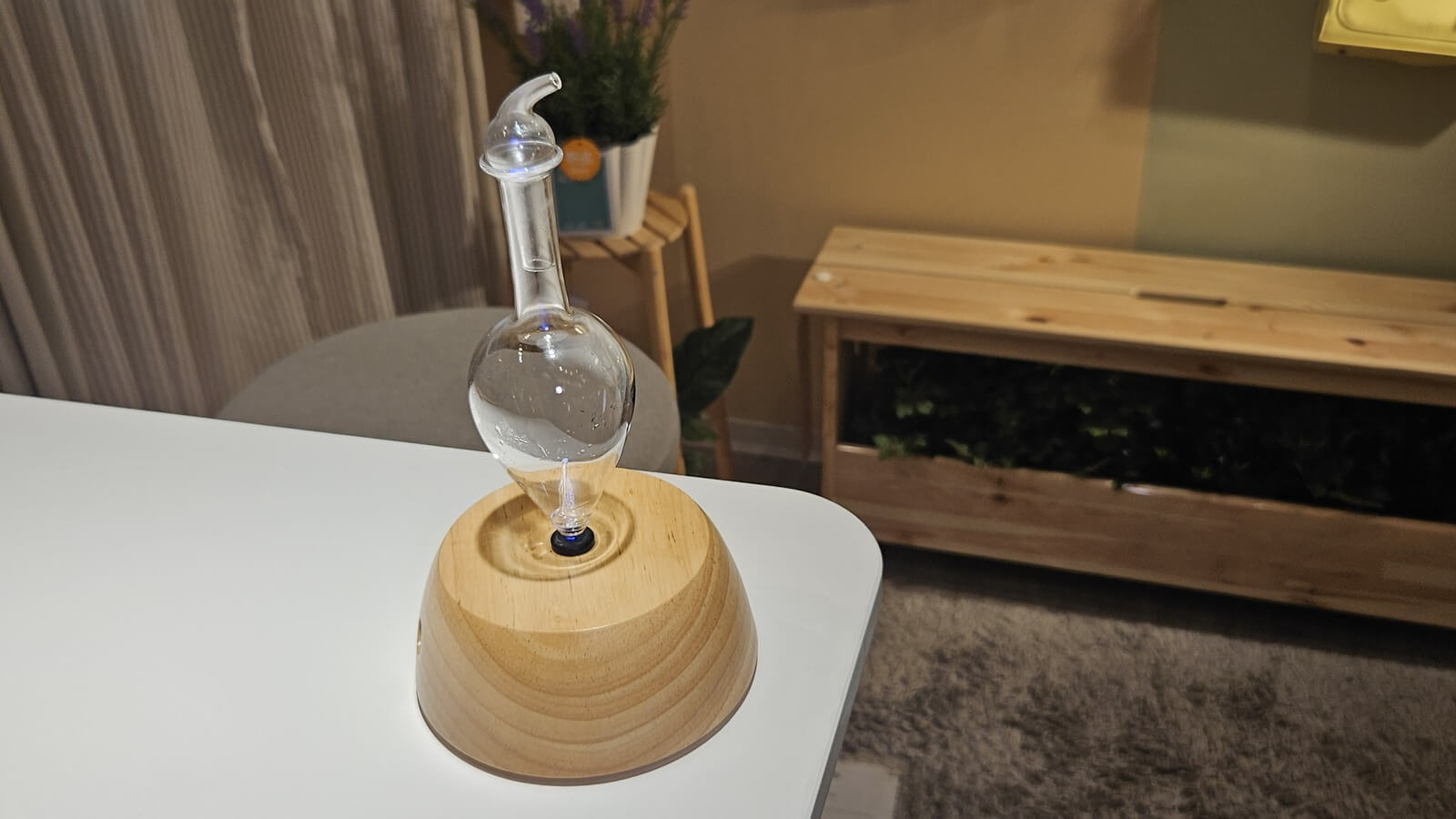
A Nebulizing Diffuser® takes a different route entirely. It uses Bernoulli’s principle, the pressure effect that pulls fuel into a carburetor, to draw pure oil up a thin glass tube and burst it into a micron-fine mist at room temperature. No heat, no water. Because nothing is diluting or warming the oil, the full menthol-forward profile reaches the air in the proportions the distiller bottled. That is exactly why peppermint reads so much sharper and more three-dimensional this way. If you want the deeper mechanics of pure-oil dispersion, our guide to waterless diffusers walks through it.
Drop Counts, Decoded: Why “Drops Per 100 ml” Misleads You
Almost every peppermint essential oil for diffuser recipe online lists drops “per 100 ml of water.” That number exists because ultrasonic machines are water tanks, and the water does most of the diluting for you. A waterless Nebulizing Diffuser® has no tank. You pour neat oil directly into the glass reservoir, and the machine atomizes it as is. So the question is not “how many drops in the water,” it is “how concentrated is the oil I am about to send into the room at full strength.”
Think in ratios, not water math. Peppermint is a top note with a long reach, so it should never be the bulk of a blend. A reliable starting point is 1 part peppermint to 2 or 3 parts of softer supporting oils. If you diffuse peppermint solo, you need very little of it, and you should lean on short run times rather than a full reservoir. The practical translation: a waterless device with 10 to 15 total drops of a peppermint-led blend will scent an average room generously, where an ultrasonic recipe might have called for that many drops of peppermint alone floating in water.
The second factor the water-based lists ignore is viscosity. When oil rides inside water droplets, thickness does not matter. When oil has to climb a narrow glass tube on its own, it matters enormously. Peppermint itself is thin and atomizes beautifully. The trouble starts when you pair it with a thick base oil and the blend struggles up the tube. We sorted dozens of combinations by this exact behavior in our tested diffuser recipe rankings.

Sign Up to Get Your FREE Essential Oils e-Book Here
5 Peppermint Diffuser Blends Worth Running Waterless
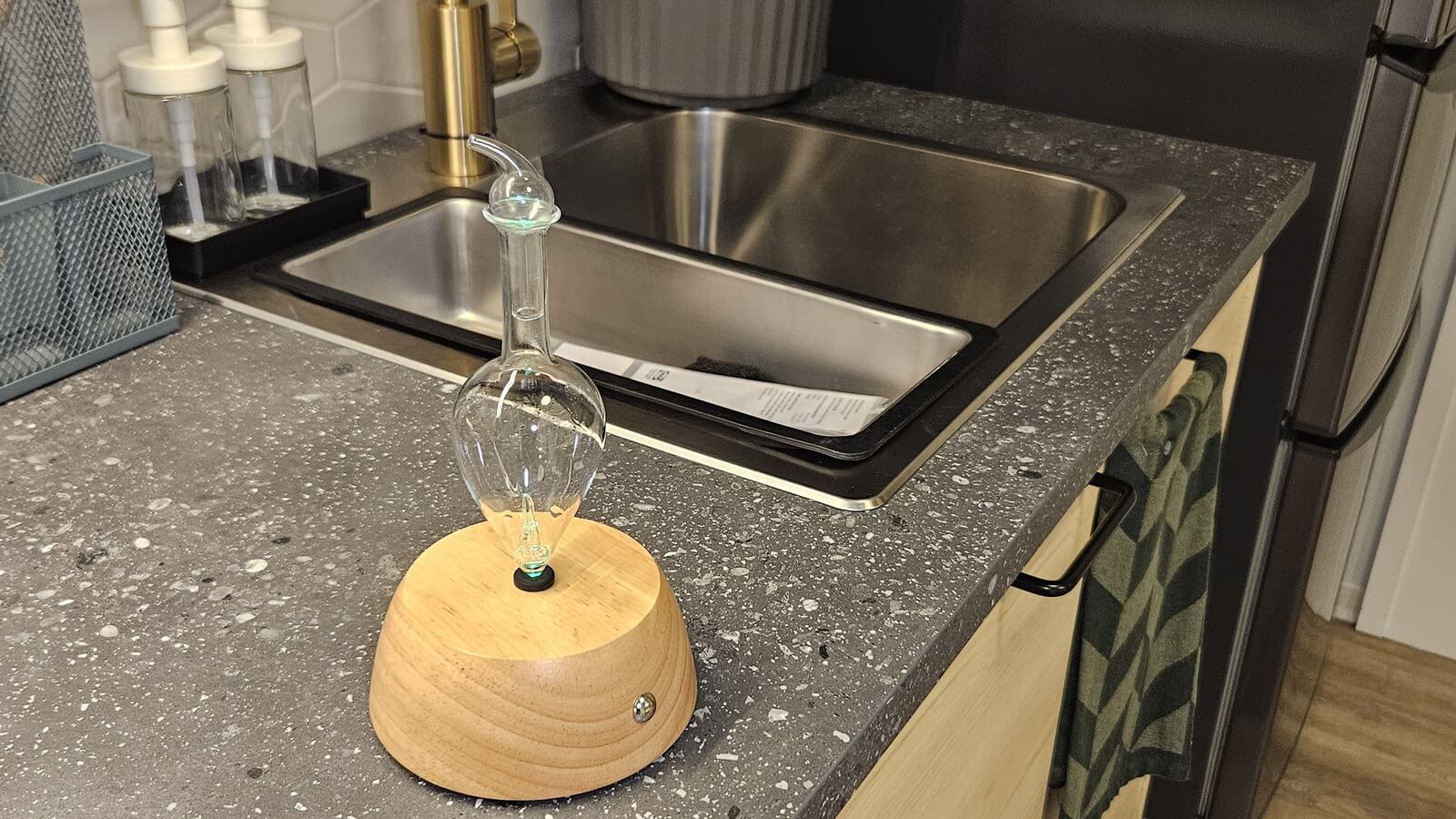
These blends are written in parts, not water drops, so they scale to any waterless device. Start with the smaller number, run it, and only add more oil if you want a stronger presence. All five atomize cleanly because every supporting oil is thin enough to climb the glass tube alongside peppermint.
- Clear Morning Focus: 1 part peppermint, 2 parts lemon, 1 part rosemary. Bright, green, and wakeful. The rosemary gives peppermint a herbal backbone so it does not read like toothpaste.
- Open-Air Freshness: 1 part peppermint, 1 part eucalyptus. A clean, camphorous lift that suits a stuffy office or a post-workout space.
- Cool Tension Ease: 1 part peppermint, 3 parts lavender. The lavender rounds off peppermint’s edge into something soft and calming for the late afternoon.
- Summer Cooler: 1 part peppermint, 2 parts grapefruit, 1 part lime. Effervescent and chilled, ideal when the room feels warm and heavy.
- Grounded Mint: 2 parts peppermint, 1 part frankincense. The one to watch. Frankincense is thicker, so keep its share small or the blend will slow in the tube. Use freshly, and clean the glass after.
If you want a wider library of mood-matched combinations built on note frequency rather than guesswork, our collection of diffuser blends goes well beyond mint.
How Long and How Often to Diffuse Peppermint
Peppermint rewards restraint. Because a waterless Nebulizing Diffuser® delivers undiluted oil, and because menthol lingers in a space, the most common mistake is running it too long. Your nose also works against you here. After a few minutes of constant exposure, olfactory adaptation kicks in and you stop noticing the scent, which tempts you to add more oil when the room is already saturated.
The fix is intermittent diffusion. Run the device for 15 to 30 minutes, then let it rest for at least as long before the next cycle. Many Nebulizing Diffusers® have a built-in interval timer for exactly this reason. Intermittent cycling keeps the menthol perception bright, uses a fraction of the oil, and prevents the heavy, cloying feeling that comes from a room held at full peppermint for an hour straight.
Timing of day matters too. Peppermint is invigorating and clarifying, which makes it a natural morning and midday companion and a poor choice for winding down at night. Save the cool, stimulating oils for daylight, and let softer florals and woods take over in the evening when you want the room to feel restful.
Join Now and Get a Coupon for 10% Off!
Peppermint for Focus, Plus Pet and Child Cautions
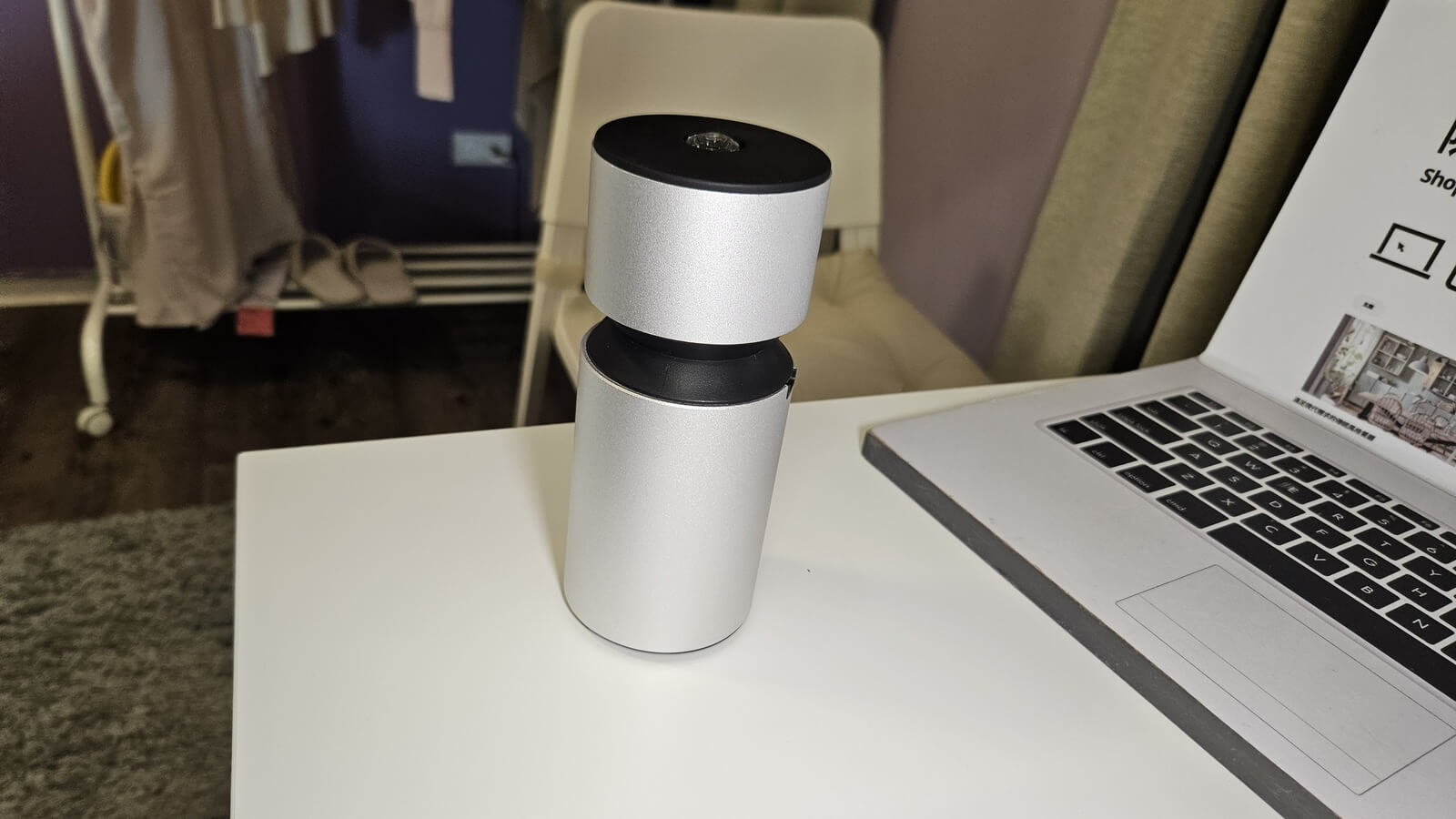
Peppermint has long been the go-to scent for a desk pick-me-up, and there is some research interest behind that reputation. Studies on peppermint aroma and attention, including work by Moss and colleagues, have explored links between the scent and subjective alertness. The evidence is still developing rather than settled, so the honest framing is this: many people find peppermint helps a room feel more energized and a workspace feel less foggy. If a mid-afternoon lift is your goal, peppermint is a sensible oil to reach for, and our guide to essential oils for focus covers complementary options.
Two cautions are worth taking seriously. First, pets. Cats in particular process certain plant compounds differently than humans do, and concentrated menthol-rich diffusion can be too much for them. If you share your home with cats, dogs, or birds, diffuse peppermint only in well-ventilated rooms, keep concentrations low with intermittent cycling, and always give animals a way to leave the space. Our pet diffusion safety guide goes deeper. Second, young children. Menthol is strong, so keep peppermint diffusion light and indirect around babies and toddlers, and never apply the neat oil to their skin. When in doubt, use less and ventilate more.
Choosing a Peppermint Oil and the Diffuser® That Respects It
The cool fidelity you are paying for only shows up if the oil and the device are both up to the job. On the oil, look for true peppermint, Mentha piperita, rather than the cheaper cornmint (Mentha arvensis) that is often sold as peppermint and pushed to a higher menthol count through processing. A pure, single-species oil with batch testing behind it will smell rounder and more natural, not just colder. Our Peppermint Essential Oil 100% Pure Organic is exactly this kind of oil, distilled to keep the menthol and menthone balance intact.
On the device, the same logic that makes peppermint sing in a waterless setup is why material and method matter. Pure glass and real wood will not interfere with the scent, and cold atomization preserves the very top notes that heat destroys. If you are weighing your options, our breakdown of nebulizing versus ultrasonic diffusion lays out the trade-offs clearly.
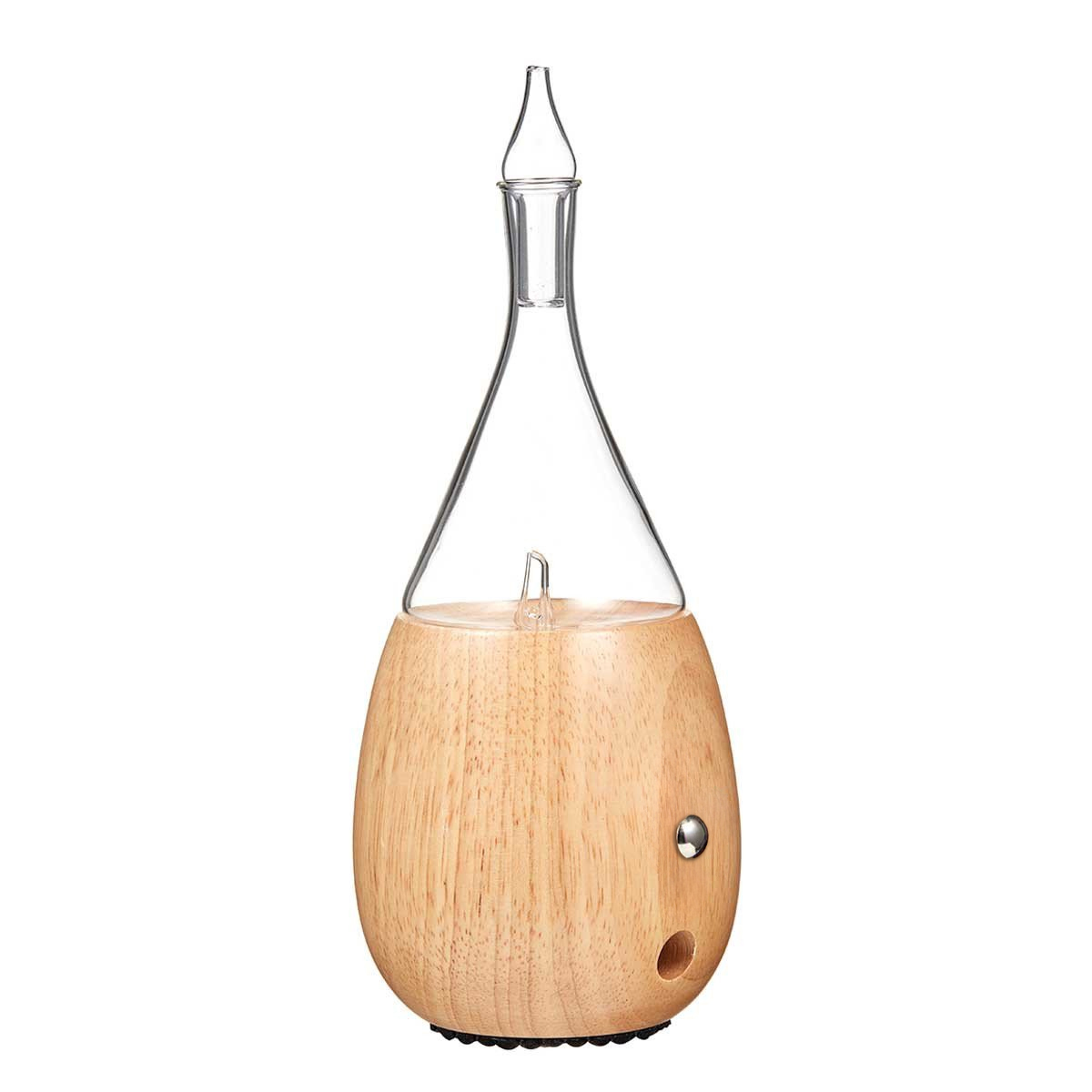
Diffuse Peppermint the Way It Was Meant to Be Smelled
The Raindrop Smart Nebulizing Diffuser® atomizes pure oil with no water and no heat, so every cool top note of your peppermint reaches the room intact. Handcrafted glass and wood, app-controlled, whisper quiet.
Sign Up to Get Your FREE
e-Book Here…
Frequently Asked Questions
How many drops of peppermint oil should I put in my diffuser?
In a waterless Nebulizing Diffuser®, skip the “drops per 100 ml” formula entirely, because there is no water. Use a peppermint-led blend at 1 part peppermint to 2 or 3 parts softer oils, with 10 to 15 total drops to scent an average room. For solo peppermint, use even less and rely on short run times rather than more oil.
Can you put peppermint oil in a water diffuser?
You can, but you lose much of what makes peppermint special. Water and the slight warmth of an ultrasonic unit dilute and dull the menthol-forward top notes. A cold, waterless device delivers the oil undiluted, so the scent stays sharp and true.
What blends well with peppermint in a diffuser?
Bright, thin oils pair best for both scent and flow: lemon, grapefruit, lime, rosemary, and eucalyptus all atomize cleanly alongside peppermint. Lavender softens its edge for calmer moments. Keep thicker oils like frankincense to a small share so the blend still climbs the glass tube freely.
Is diffusing peppermint safe around pets?
Use caution. Cats especially process certain plant compounds differently, so diffuse peppermint only in well-ventilated rooms, keep concentrations low with intermittent cycling, and always let animals leave the space. Check our pet diffusion safety guide before diffusing around cats, dogs, or birds.
Final Thoughts
Peppermint is one of the most rewarding oils to diffuse and one of the easiest to overdo. Once you understand that its cool, lifting quality lives in volatile menthol that heat and water blunt, the path is clear: diffuse it cold, diffuse it dry, and diffuse it in short bursts. Think in ratios instead of water drops, keep the supporting oils thin, and let the device deliver the oil exactly as it was bottled. Do that, and a single reservoir of peppermint can turn a stale room into something that feels like a clean breath of mountain air.