


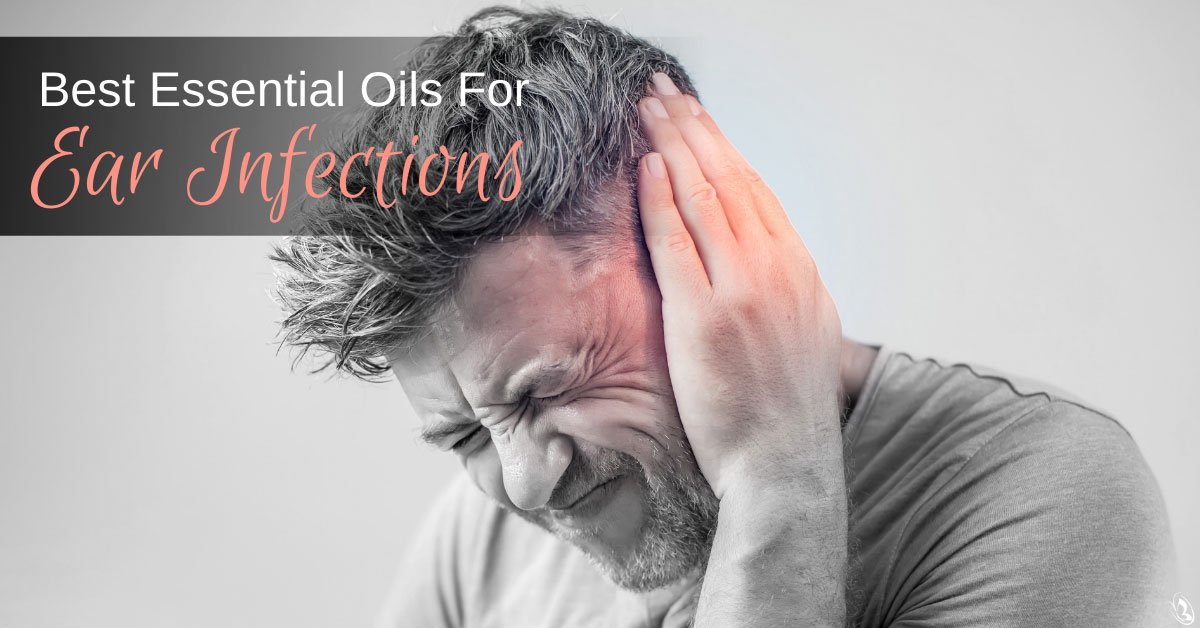
Best Essential Oils for Ear Infections: A Safe, Soothing Guide
Searching for the best essential oils for ear infections usually means you or someone you love is in real discomfort, and you want a natural way to feel better fast. Here is the honest, expert answer up front: aromatic plant oils can make the experience of an ear infection gentler and more comforting, but they are not antibiotics and they do not belong inside your ear canal. This guide separates what the research actually supports from the dangerous folklore, and shows you the safe, soothing way aromatherapy fits into recovery.
At Organic Aromas, we have spent more than twelve years listening to how customers use pure essential oils during colds, sinus pressure, and the miserable days that come with an earache. That feedback, paired with what published science genuinely shows, is the backbone of this guide. We are an aromatherapy company, not a medical clinic, so you will get clear sensory guidance and equally clear boundaries about when to put the bottle down and call a professional.
Best Essential Oils for Ear Infections: Start With the Truth

Most articles on this topic make a quiet but serious mistake: they treat an ear infection like a skin problem you can dab oil onto. An ear infection is not on the surface. It usually sits in the middle ear, the small air-filled chamber tucked behind your eardrum, and that single anatomical fact reshapes everything that follows. No oil you place in the outer ear canal can travel through an intact eardrum to reach it.
So what can essential oils actually do here? They can fill the room with a calming, familiar aroma that supports rest. They can make a steamy shower or a warm compress routine feel more pleasant. They can help an anxious child settle at bedtime when sleep is exactly what a recovering body needs. Those are real, worthwhile benefits, and they are honest ones. What aromatherapy cannot do is clear a bacterial infection trapped behind the eardrum. Holding both of those truths at once is what makes this guide different from the SERP.
Keep one rule in mind as you read: comfort first, care always. Use aroma to make the sick days softer, and use a healthcare provider to actually diagnose and resolve the infection. The two are partners, not competitors.
What Actually Causes an Ear Infection (the Anatomy That Changes Everything)
The most common ear infection, called otitis media, develops when the eustachian tube that drains the middle ear becomes swollen or blocked. Colds, allergies, sinus congestion, and changes in air pressure all narrow that tube. Fluid backs up behind the eardrum, bacteria or viruses multiply in the warm, trapped fluid, and pressure builds against the eardrum. That pressure is the throbbing pain you feel.
Because the trouble is sealed behind the eardrum, the path to relief runs through the body, not the ear canal: reducing congestion, supporting drainage, managing pain, and giving the immune system or prescribed antibiotics time to work. This is also why congestion-focused care matters. If you tend to get ear pressure alongside sinus issues, our notes on essential oils to support clearer sinuses explain how easing the upper airway can make the ears feel less plugged.
It also helps to separate two words people use interchangeably. An earache is a symptom, while an ear infection is a diagnosis a clinician makes. You can have an earache from pressure, teething, jaw tension, or water trapped in the outer canal with no infection at all. That distinction matters, because the comforting aromatherapy steps below are reasonable for general ear discomfort, while a true infection that lingers needs a professional set of eyes and possibly antibiotics.
Sign Up to Get Your FREE
e-Book Here…
Best Essential Oils for Ear Infections: What the Research Really Shows

Here is the jewel competitors gloss over. Almost every study people cite for the best essential oils for ear infections is a laboratory or animal study measuring whether an oil can kill microbes in a dish, not whether dropping it near a human ear cures otitis media. Antimicrobial activity in vitro is genuinely interesting chemistry. It is not the same as clinical proof. Read the oil profiles below with that honest frame, and notice how we describe aromatic and comfort uses rather than treatment.
Tea Tree (Melaleuca alternifolia)
Tea tree owes its reputation to terpinen-4-ol, the compound behind its well-documented antimicrobial behavior in laboratory testing. That research is real, and it is why tea tree is a staple in clean, fresh-smelling blends. It is also one of the more sensitizing oils on skin, so dilution and patch testing are non-negotiable. For a deeper look at its chemistry and everyday aromatic uses, see our breakdown of the key benefits of tea tree essential oil. Used aromatically, it brings a crisp, medicinal-green note that many people find clearing during a stuffy cold.
Sweet Basil (Ocimum basilicum)
A frequently quoted 2005 animal study found basil oil performed well against the bacteria associated with acute middle-ear infection in rats. It is a striking result and worth knowing, but it is an animal model, not a human trial, and it does not justify putting basil oil in a person’s ear. As an aroma, basil is bright, sweet, and herbaceous, a lift for heavy-headed congestion days when you want the room to feel less stale.
Oregano (Origanum vulgare)
Oregano is rich in carvacrol, one of the most studied antimicrobial phenols in the lab. It is also one of the harshest oils on skin and mucous membranes, which is precisely why it should never go near the ear. Treat oregano as a powerful aromatic accent used sparingly and very well diluted, not a remedy you apply to delicate tissue.
Lavender (Lavandula angustifolia)
Lavender earns its place here for a different reason: comfort. Its linalool and linalyl-acetate profile is the most-researched aroma for supporting relaxation and easier sleep, and rest is one of the genuinely helpful things you can give a body fighting an infection. It is gentle, but it is not risk-free, so it is still worth knowing the side effects and safe-use limits of lavender essential oil before you reach for it, especially around children.
Eucalyptus and Peppermint
These two are not infection fighters, they are congestion companions. Eucalyptus (high in 1,8-cineole) and peppermint (rich in menthol) create that cooling, open-airway sensation that makes breathing through a blocked head feel easier. Since blocked sinuses and a swollen eustachian tube travel together, an easier-breathing aroma can indirectly make the ears feel less full. Keep peppermint and eucalyptus well away from the faces of infants and very young children.
The Safe Way to Use Essential Oils When You Have an Ear Infection
Now the practical part, framed by that comfort-first rule. Every safe method below keeps the oil out of the ear canal and lets aroma do what aroma does best: change how the room and the recovery feel.
1. Diffuse into the air (the method we recommend most)
Aromatic diffusion is the cleanest, lowest-risk way to bring essential oils into sick days. You are scenting the air you breathe, not introducing anything into the ear. This is exactly where a nebulizing approach shines. A Nebulizing Diffuser® uses pressurized air to atomize undiluted essential oil into a fine mist with no water and no heat, so the aromatic compounds reach the room intact rather than diluted into steam. The Raindrop Smart Nebulizing Diffuser® runs whisper-quiet on intermittent cycles, which is ideal beside a bed where someone is trying to rest. If you are weighing devices, our complete guide to nebulizing diffusion explains why waterless dispersion preserves an oil profile better than misting it through water.
Whatever device you choose, run it in short bursts in a well-ventilated room and follow basic diffuser safety practices, especially around children, older adults, and anyone with asthma.
2. Steam and warm-compress comfort
A bowl of hot water with a drop of eucalyptus, used as a face-distance steam (eyes closed, never for young children), can ease the congestion that drives ear pressure. A warm, dry compress held against the outer ear is a long-trusted comfort step on its own and needs no oil at all to help dull the ache.
3. Diluted around the outer ear, with caution
Some people gently massage a properly diluted oil onto the skin behind and below the ear, never inside it. If you do this, dilute heavily, roughly one drop of essential oil per teaspoon of carrier, and patch test on the inner arm first. Choosing the right base matters, so see our guide to the best carrier oils for essential oils. Skip this entirely on broken skin, on young children, or if you feel any stinging.
Join Now and Get a Coupon for 10% Off!
Essential-Oil Ear-Infection Mistakes That Can Cause Real Harm
This section is the one most blog posts skip, and it is the most important. These are not theoretical cautions. They reflect clear guidance from clinicians, including a wellness physician at the Cleveland Clinic who has spoken directly about what goes wrong.
Do not put essential oil drops into the ear canal. Because a middle-ear infection sits behind the eardrum, drops cannot reach it. What they can do is contact the delicate eardrum and surrounding tissue. Concentrated oil can burn that tissue and, in the words of clinicians, cause damage that does not reverse.
Never use oil in the ear if the eardrum might be perforated. If there is drainage, sudden hearing change, or intense pain, the eardrum may have ruptured. Liquid passing through that opening into the middle ear can cause severe pain and pressure. This is an urgent reason to see a provider, not to experiment.
Do not swallow essential oils to fight an infection. Ingesting essential oils, particularly undiluted, can be toxic and is genuinely dangerous for children. Keep every bottle well out of reach. An oil that smells wholesome is still a concentrated chemical mixture.
Do not let aromatherapy delay real care. The single biggest harm is using a soothing routine as a reason to wait. If pain is severe, if there is fluid or blood, if a fever climbs, if hearing changes, or if symptoms have not eased in two to three days, that is the moment for a professional, especially for infants.
Children, Babies, and Ear Infections: Extra Caution
Children get the majority of ear infections because their eustachian tubes are shorter and more horizontal, so fluid drains poorly. That also makes them the group where essential oil mistakes do the most harm, and where the comfort-first, care-always rule is least negotiable.
For infants and toddlers, an ear infection is a reason to contact a pediatrician, not to improvise. Babies cannot tell you how much it hurts, fevers can rise quickly, and the margin for error is small. Aromatherapy’s only appropriate role here is environmental and gentle: very light lavender diffusion in a well-ventilated room to support calmer sleep, run intermittently and never directly at a crib.
Avoid peppermint, eucalyptus, and other strong, high-menthol or high-cineole oils around infants and young children, since they can affect breathing in the very young. When in doubt with a child, the safest essential oil is the one you do not use, and the best step is a quick call to the pediatric office.

Join Our Exclusive Member Club to get Big Discounts!
Frequently Asked Questions About Essential Oils and Ear Infections
Can essential oils cure an ear infection?
No. Essential oils are not antibiotics and cannot clear an infection sitting behind the eardrum. Their honest role is aromatic comfort and support for rest while the body, or a prescribed treatment, does the actual work. A lingering infection needs a healthcare provider.
What is the best essential oil for ear infection discomfort?
For pure comfort, lavender is the most evidence-supported aroma for relaxation and easier sleep. For the congested, stuffy-head feeling that often accompanies ear pressure, eucalyptus and peppermint create an easier-breathing sensation. Tea tree and basil are popular for their lab-studied chemistry, but that is not the same as treating an infection.
Can I put tea tree oil in my ear?
No. Tea tree oil should never go into the ear canal. It is potent and potentially sensitizing, the infection is behind an intact eardrum it cannot reach, and contact with the eardrum can cause lasting damage. Use it aromatically instead.
How can I diffuse essential oils safely when I have an ear infection?
Diffuse into a well-ventilated room in short cycles rather than continuously, keep the device away from infants and pets, and choose calming or congestion-easing oils such as lavender or eucalyptus. A waterless nebulizing approach disperses pure oil without diluting it through steam.
When should I see a doctor instead of using essential oils?
See a provider if pain is severe, if there is fluid, drainage, or blood from the ear, if there is a high or rising fever, if hearing changes, if symptoms last more than two to three days, or for any ear infection in an infant. Aromatherapy is comfort care, not a substitute for diagnosis.
Final Thoughts: Comfort First, Care Always
The best essential oils for ear infections are not a cure hiding in a bottle. They are a way to make hard, achy days feel softer: a calmer room, easier breathing, and the kind of restful environment that helps a body do its own healing. Use lavender for rest, eucalyptus for that open-airway feeling, and keep the more potent oils like tea tree and oregano aromatic and well diluted, never in the ear.
Most of all, let aroma and medicine work together. Reach for soothing scent to ease the experience, and reach for a healthcare provider to resolve the infection, especially for children or anything that will not settle. If you want to go deeper into using pure oils well, our complete guide to aromatherapy essential oils is a calm place to start.
This article is for general educational and aromatherapy information only. It is not medical advice and is not a substitute for professional diagnosis or treatment. Always consult a qualified healthcare provider about an ear infection, particularly for infants, children, or symptoms that are severe or persistent.
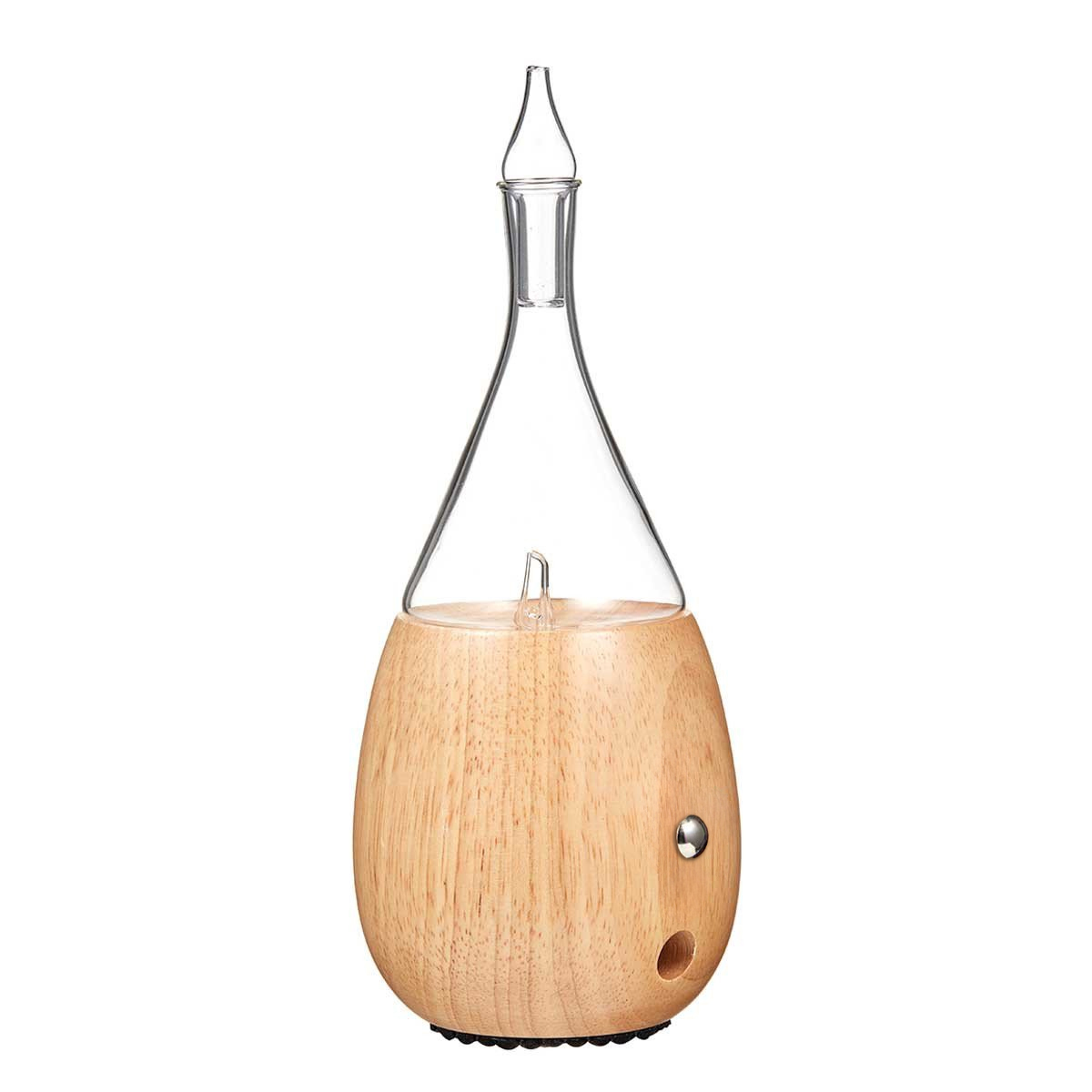
Fill the Sick Room With Pure, Soothing Aroma
When comfort matters most, the Raindrop Smart Nebulizing Diffuser® disperses 100% pure essential oils into the air with no water, no heat, and no plastic. Whisper-quiet, app-controlled, and handcrafted from real wood and medical-grade Pyrex glass, it turns a recovery room into a calm, fragrant retreat.





I often get infections, so t his is useful information.
Great article very informative
Great article.
I have stopped up ears sometimes,hope these will help.
Thanks for writing this blog post and informing readers of it what the best essential oils are for ear infections. If I ever have an ear infection in the future, I will most likely use one of the essential oils mentioned in this post to treat it.
OiIs can also help with ear wax problems. Breaks them up nicely.
I dont know if I ever had an eye infection but great tips
Sounds like something I’d like to try.
Great article have recommended this to my partner he suffers with ear infections almost all the time because of hair in the ear.
Thank you for the information came in very handy
Very interesting and informative article thank you
Very good read. I must purchase some oils as my son could benefit as he suffers frequent infections
As someone who gets earaches often, this is a great read.
I’ll have to keep these in mind for next time one of us has an ear infection!
I love essential oils. I didn’t know it could be used for ear infections. Good to know.!!
Thanks good to know. Very useful info.
This is great. Never knew.
Had never heard of using oregano for this purpose before. Sounds very interesting.
I never knew you could use these oils for ear infections!
I actually have an ear infection right now and have these oils on hand! I will definitely be giving this a shot!
Thank you so much for this informative article!
Definitely useful to know
brilliant i suffer from infections in ear all the time this is great for me
This is very informative, I had earaches a lot as a child and sometimes nowadays
nice, good way to help the ears
This is definitely useful information. I am happy to hear that something as simple as tea tree oil might be a remedy to ear issues.
Only ever had one ear infection and it was by far the worst pain ever!!
Had earache over new year, I’ll take note of this.
This is really useful information to know
Great article. Was just wanting this info.
Very Informative
Thank you for sharing this! I have learned more about different oils…. I have tea tree oil and only used on my face and scalp.
I have suffered from ear infections my entire life. I am going to have to give this a try.
Really useful information, I will keep a link for this page
interesting read i never knew this
This is an interesting remedy!
I had no idea about this. I just use essential oils in my diffuser to make my house smell good. I have so many different kinds. I need to research what each one is good for besides the scent!
have never used essential oils in my ears
I like the sound of the oils helping ear infections!
Very helpful information. It’s good to know there’s a natural remedy for ear aches without resorting to prescription drugs like antibiotics.
I’ve always suffered really badly with my ears since I was little so this sounds like a great try
Interesting.
I didn’t know oils were good for ear infections. Thanks for sharing!
I would love to save this for a quick reference, so muck great information!
Interesting-I would have never thought about using essential oils for this purpose.
I have not tried this but if I ever get an ear ache or pain I’m going to try it.
I found it interesting that the mentioned essential oils work for ear infections.
I prefer basil oil in olive oil. The tea tree oil is a bit much for my ears, but I use it for other applications.
My sister used sweet oil in her sons infected ears and would “activate “ it by blowing cigarette smoke in his ear. True story. Did I mention that my sister married a hillbilly and has since turned into one herself? Hey. Whatever blows yer skirt up! My nephew’s ears need once required more intervention and the cure stands.
Very informative! I have used tea tree for fungal rashes and oregano for when I notice a cold coming.
I had no idea that tea tree oil could be used for ear infections.
Amazing oil for my grandkids who get ear aches often. They both had tubes put in their ears. My son had 9 bouts of terrible ear infections before they put tubes in his ears that helped drain them. Maybe had I had this product, it would not have been so hard on him and me.
i need this beacuse i have constant ear infection
Thanks, I’ll have to investigate this more.
The kids in my family seem to always suffer from earaches during their baby and toddler years. Glad to hear about these solutions,will try if needed.
Thank you for these tips. Very informative information.
Fantastic information for helping with ear infections
tea tree oil sure is good for many ailments
There really is an oil for everything
i never knew tea tree oil had antibacterial qualities that is awesome i have used it for stuff for kids and lice it works better than the store bought meds for that. also u can buy shampoos and conditioners online with it in there. but i never knew it would help with ear aches thanks for the info. i found out from a foot dr it can heal a toe fungus i had a patient had a toenail she always shed every so often they informed me to try that for her it worked great.
Great Stuff!
I have ear ache every time I go out in the cold or if it is windy. I don’t think they will ever go away for me. But I use olive oil and other oils that really seem to help me. I have to have oils to use for my ears. I do not know which of the oils help but tea tree oil. It will help ear aches quickly. I have had to go to the doctor and he gave me antibiotics and medicine to put into my ear.
I love my diffuser and will remember this good info!
very informative thank you
I sure wish I had this information when my kids were little. Ear aches are the worst!
Where was all this knowledge when my kids were little? lol
tea tree oil is powerful and heals many illnesses, too!!
This is great I love essential oils!! 💫
We only use home and natural remedies in my homes, these seem like that would work absolutely amazing
great informative information
This is great as I tend to get a lot of ear infections from showers.
article was very informative; I knew about the tea tree oil but not the other tow
Thanks for sharing
I’ve only had 1 ear infection and I was small. I do remember it hurt like the Dickenson. I can’t remember what my mom done except take me to the doctor.
I love thank article on the essential oil and ear infections, I’ve really learnt alot also very informative! Thank you! ❤️
This is really good tips I will share with my mom friends I don’t really get ear aches but my friends kids do.
Thanks.
Tea tree essential oil is unusual in that it is active against all three categories infectious organisms (bacteria, fungi and viruses)! Anti-fungal oils are few and far between….
Great Information!!!!!!!!!!!!!!
I use Tea Tree EO more than anything else due to its versatility. Thanks for an additional use for it.
best
I have never thought about placing essential oils in my ear for an infection! Interesting read.
Thank you very interesting. 😊
I guessed I’ve been blessed, because I don’t ever recall having an ear infection, earache or any other illness regarding my ear. This information is very helpful for me as we have grandchildren. I’ll know what to do should any of them have a problem such as discussed here.
Very interesting!
Fascinating. I wonder if some of these will help tinnitius.
Awesome info! Thanks!
gonna try one of these now.
New about Tea tree oil but not the others
I wish I had known about this when my daughter was little. She got ear aches all the time
I wish I had known about this when my daughter was little. She got ear aches all the time
Great, I’d like to try some of these out
Will buy one of these oils and try it out, thanks!
interesting post
I wish I’d known this sooner!
Great useful info! Thank you.
Tea Tree is my favorite essential oil. I haven’t had a chance to use for an ear infection, however, I will be sure to try it.
Thank You!
I know why babies cry when they have ear infections!!!! I got one as a adult and I thought it would be to die then have this ear ache. Dr got me on antibiotics and put a tube in my ear. So now I get them a lot so any thing that can help. I have to admit never would have dream tea tree oil. I use a lot of tea tree oil so adding another thing for it to do
Thanks for the info
BEST
Bet this smells really nice and is useful
I love tea tree oil, it might be one of the essential oils that has the most uses!
I had ear infections frequently as a child. This will be great info to have on hand if needed! Thanks for sharing.
This is amazing information! Very informative!
Thank you for these tips, ear infections are really horrible.
When I was growing up I had terrible earaches; my mom would drip warm olive oil in my ears to soothe them.
that is brilliant ty for sharing
This is amazing information! Very informative!
I love tea tree oil, it might be one of the essential oils that has the most uses!