


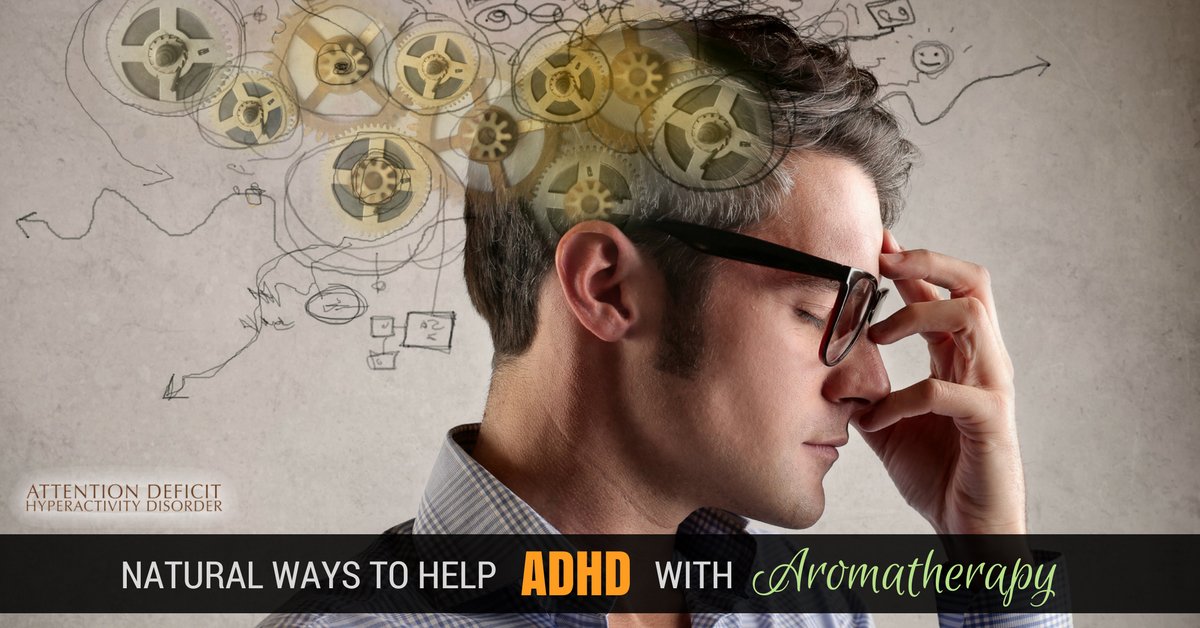
Essential Oils for ADHD: Natural Focus, Calm, and Sleep Support
Can Essential Oils Help with ADHD?
Attention Deficit Hyperactivity Disorder (ADHD) affects an estimated 11 percent of children and 4.4 percent of adults in the United States. While medication remains the primary treatment, many people seek complementary approaches to manage symptoms like difficulty focusing, restlessness, impulsivity, and emotional dysregulation. Essential oils have gained increasing attention as a natural tool for supporting focus, calming the nervous system, and improving sleep quality in people with ADHD.
Essential oils are not a replacement for professional ADHD treatment. They work best as part of a broader management strategy that includes behavioral therapy, lifestyle changes, and when appropriate, medication. That said, the research on certain oils is genuinely promising, and many families report meaningful improvements when aromatherapy is integrated into daily routines.
The Science Behind Aromatherapy and ADHD
ADHD is fundamentally a neurotransmitter issue. The ADHD brain typically has lower levels of dopamine and norepinephrine, the chemicals responsible for motivation, focus, and executive function. When you inhale essential oil molecules, they travel through the olfactory nerve directly to the limbic system and prefrontal cortex, regions that regulate attention, emotion, and impulse control.
This direct pathway is what makes aromatherapy uniquely suited for ADHD support. Unlike supplements that must pass through the digestive system, inhaled aromatic compounds reach the brain within seconds. Research has identified specific essential oil compounds that influence the same neurotransmitter pathways affected by ADHD, including dopamine and serotonin production.
Best Essential Oils for ADHD Symptoms
Vetiver (The Focus Oil)
Vetiver is the most studied essential oil for ADHD. Dr. Terry Friedman’s research found that inhaling vetiver oil improved focus and attention in children with ADHD by 100 percent, as measured by brain wave pattern analysis. Vetiver works by stimulating the brain’s alpha wave activity, which is associated with calm alertness and sustained concentration. Its deep, earthy scent is grounding and centering, making it particularly effective for the hyperactivity component of ADHD.
Best for: Inattention, hyperactivity, difficulty staying on task. Apply diluted to the bottoms of feet or back of neck before homework, school, or focused work sessions.
Cedarwood (The Calming Focus Oil)
Cedarwood contains cedrol, a sesquiterpene that stimulates the limbic system and promotes the release of serotonin, which converts to melatonin for better sleep. The same Friedman study found cedarwood improved focus in ADHD children by 83 percent. It is particularly useful for the subset of ADHD symptoms related to restlessness and difficulty settling down. Cedarwood is also one of the safest oils for children, with a gentle profile suitable for ages 2 and up.
Best for: Restlessness, racing thoughts, difficulty transitioning between activities. Diffuse during homework time or apply diluted to wrists.
Lavender (The Anxiety Reducer)
Many people with ADHD also experience significant anxiety, and this emotional overlay can amplify attention difficulties. Lavender directly addresses this by activating the parasympathetic nervous system, reducing cortisol, and promoting a state of calm alertness. It also dramatically improves sleep quality, which is critical because poor sleep worsens every ADHD symptom. A well-rested brain has significantly better executive function.
Best for: ADHD-related anxiety, sleep difficulties, emotional meltdowns. Try organic lavender oil in a nebulizing diffuser 30 minutes before bedtime or apply the lavender roll-on to pulse points during overwhelming moments.
Rosemary (The Memory Booster)
Rosemary contains 1,8-cineole, a compound shown to improve cognitive performance, working memory, and processing speed. A study at Northumbria University found that participants in a rosemary-scented room performed significantly better on memory and attention tasks. For adults and children over 6 with ADHD, rosemary can sharpen mental clarity during demanding cognitive tasks like studying, test-taking, or complex problem-solving.
Best for: Working memory, cognitive performance, mental clarity. Diffuse during study sessions. Note: avoid rosemary for children under 6 due to 1,8-cineole content.
Frankincense (The Brain Tonic)
Frankincense contains incensole acetate, which crosses the blood-brain barrier and activates TRPV3 ion channels associated with feelings of warmth and reduced anxiety. It has been used for centuries in meditation practices specifically because of its ability to quiet mental chatter and promote focused, contemplative states. For ADHD, this translates to better impulse control and reduced mental noise. Frankincense also supports overall brain health and neuroplasticity.
Best for: Impulsivity, emotional regulation, mental quieting. Apply the frankincense roll-on to the temples and back of neck, or diffuse during meditation or mindfulness practice.
Sign Up to Get Your FREE
e-Book Here…
ADHD Support Diffuser Blends
Add these blends to your nebulizing diffuser for pure, undiluted delivery of therapeutic compounds directly to the brain.
Deep Focus Blend (For Homework and Study)
- 4 drops vetiver
- 3 drops cedarwood
- 3 drops lavender
Start diffusing 10 minutes before study time begins. The vetiver and cedarwood promote sustained attention while lavender prevents the anxiety that can derail focus. Run in intervals of 20 minutes on, 10 minutes off.
Calm and Centered Blend (For Overwhelm)
- 4 drops lavender
- 3 drops frankincense
- 3 drops cedarwood
For moments of sensory overload or emotional dysregulation. This blend calms the nervous system without sedation, helping restore the internal balance needed to process stimuli and make decisions clearly.
Better Sleep Blend (For ADHD Insomnia)
- 5 drops lavender
- 3 drops cedarwood
- 2 drops vetiver
Up to 75 percent of people with ADHD have sleep difficulties. Diffuse this blend 30 minutes before bedtime to quiet the racing thoughts that make falling asleep so difficult. The deep, grounding notes of vetiver and cedarwood anchor an overactive mind.
How to Use Essential Oils for ADHD
Diffusion
Diffusion is the most effective method for ADHD support because inhaled molecules reach the brain within seconds. A nebulizing diffuser delivers pure, concentrated essential oil particles without water dilution or heat degradation. This matters for ADHD applications because the therapeutic compounds need to reach the brain at effective concentrations. Place the diffuser on a desk or nightstand within 3 to 4 feet for maximum benefit.
Topical Application
Roll-on essential oils provide a convenient way to get aromatic support throughout the day without a diffuser. Apply to the back of the neck, temples, inner wrists, or bottoms of feet. For children, dilute to 0.5 to 1 percent (3 to 6 drops per tablespoon of carrier oil). Adults can use 2 to 3 percent dilution. See our dilution guide for precise ratios.
Personal Inhaler
A blank aromatherapy inhaler (available at most health stores) with 5 to 8 drops of your chosen oil provides discreet, on-demand support during class, meetings, or any situation where a diffuser is not practical. Inhale deeply 3 to 4 times whenever you notice focus slipping.
Join Now and Get a Coupon for 10% Off!
Safety and Practical Tips
- Start low and slow: Begin with one oil at a time to identify which works best. ADHD brains respond to different aromatic profiles, so what works for one person may not work for another.
- Consistency matters: Use essential oils at the same time daily to build an associative cue. When the brain repeatedly smells a specific oil during focused work, the scent itself becomes a trigger for entering a focused state.
- Children under 6: Avoid rosemary and eucalyptus. Stick to lavender, cedarwood, vetiver, and frankincense. See our guide on aromatherapy for children for age-specific guidelines.
- Medication interactions: If you or your child takes ADHD medication, consult your healthcare provider before adding essential oils. While interactions are rare with topical and inhaled use, professional guidance ensures safety.
- Quality matters: Use only 100% pure, therapeutic-grade essential oils. Synthetic fragrance oils do not contain the bioactive compounds that produce therapeutic effects.
Frequently Asked Questions
What is the best essential oil for ADHD in children?
Vetiver and cedarwood have the strongest research support for improving focus in children with ADHD. Lavender is the best option for ADHD-related sleep and anxiety issues. For children under 6, stick to lavender and cedarwood as the safest choices.
Can essential oils replace ADHD medication?
No. Essential oils should be used as a complementary approach alongside professional ADHD treatment, not as a replacement. Never discontinue prescribed medication without consulting your healthcare provider. Aromatherapy can enhance the effectiveness of your existing treatment plan.
How quickly do essential oils work for ADHD symptoms?
The calming and focusing effects of inhaled essential oils can be felt within 1 to 5 minutes. Building a consistent aromatic routine takes 2 to 4 weeks to establish the associative brain patterns that maximize long-term benefit. Many parents notice the most significant improvements after 30 days of consistent use.
Is it safe to diffuse essential oils in a classroom?
Classroom diffusion requires school permission and consideration of other students’ sensitivities or allergies. A personal aromatherapy inhaler or roll-on application is usually a better option for school settings, as it provides individual benefit without affecting others. The Mobile Mini portable nebulizing diffuser can also be used at a personal desk with minimal room-wide dispersal when set to low.
Why is a nebulizing diffuser better for ADHD support than an ultrasonic diffuser?
A nebulizing diffuser delivers essential oils in their pure, concentrated form without water dilution. For ADHD support, where specific compounds like cedrol and sesquiterpenes need to reach the brain at effective concentrations, this undiluted delivery makes a meaningful difference. Ultrasonic diffusers mix oil with water, reducing the concentration of active therapeutic molecules by 90 percent or more.






Very interesting.
Interesting! Ready to try!
Interesting article
Interesting research and connections! Frankincense is amazing, soo many uses and aids!
Great read! You guys always post up informative content! 🙂
Lavender is my favorite for restfulness
I believe essential oils can make a difference in so many ways, so this is another great use for them.
I love essential oils for their medicinal properties and also for just scenting topical ointments/cremes. I have never actually use essential oils for aromatherapy at home and am interested int he benefits it can have been used as that. I am glad that this site offers helpful blog post like this to help educated as people explore essential oils and aromatherapy. I personally do not know anyone with ADHD but I feel that this could also help with Autism as well as my boyfriend’s younger cousin has serve Autism and some times gets very anxious, I would like to see if it would have similar affects on him.
I am new to oils and only have a few expensive so it takes time. But it is nice to read a study how oils can help in different ways
I think this is an awesome finding too many kids are put on these harsh amphetamines that make them zombies. Aromatherapy is mind blowing!
Very interesting article because it can help people who got some of those symptoms in a variant degrees too…Or as people says in column, to calm down, to ease the nervous system, to relax, etc…
I’m not ADHD, but I think these could help with my stressed-out brain!
Super informative article! Never knew scent is so powerful and can be used as a therapy in itself!
What a great informative article! I didn’t know that there are many different oil to help this problem. Thank you for sharing it!
Very interesting article. I agree that natural treatments are the way to go.
good article
Me parece interesante la correlacion entre como aromas pueden ayudar en autismo y otras condiciones. Mas aun creo que la combinacion de reiki con aromaterapia es mas efectiva.
Nothing wrong with using some essential oils to calm the nerves.
It never knew just how beneficial aromatherapy could be to so many different illnesses, especially ADHD. I keep my diffusers going, and now I’m considering adding them to my kids rooms.
With this info in mind I would love to put my lavender to use. Thanks for the info, very insightful.
Even if one doesn’t have an ADHD diagnosis, they still have great benefits!
The power of scent is just magnificent! 🙂
What a great post! Needs to be shared with everyone- especially people who have kids that are being diagnosed with ADHD and ADD and being put on harmful medications!
Another great article. Thanks!
I’m really just learning about essential oils. I found your article very informative and I think it’s a great way to help parents of children with ADHD.
While it never would have occurred to me, it makes sense that certain combinations of essential oils would be helpful for some symptoms of autism. I’ll bet there are a LOT of people who could benefit from this knowledge!
Great article, lots of good info.