


Essential Oils for Immunity: What the Research Actually Found
Search essential oils for immunity and you meet two extremes. On one side, product pages promise to “boost your immune system” and shield you from every passing bug. On the other, a thin scattering of cautious articles that name four oils and move on. Neither is satisfying. Neither tells you what the research has actually observed, or why the way you diffuse an oil changes what your body ever gets the chance to encounter.
This guide takes the middle path, the honest one. We will walk through what peer-reviewed science has genuinely seen when aromatic compounds meet immune cells, name the specific oils and molecules involved, and be just as clear about what the evidence does not prove. Then we will explain why a waterless Nebulizing Diffuser® sends those compounds into the air differently than a typical ultrasonic unit. Nothing here is medical advice. It is about aromatherapy, wellness, and how scent is delivered.
How Essential Oils for Immunity Actually Work in the Body

An essential oil is a concentrated bundle of volatile aromatic molecules pressed or distilled from a plant. When people talk about essential oils for immunity, the honest version of the claim is narrow and specific: in laboratory and animal studies, certain of these molecules have measurably changed the behavior of immune cells. They have nudged white blood cells to engulf debris faster, or quieted the chemical signals behind inflammation. That is a real, observed effect. It is not a force field, and it is worth keeping the two ideas apart.
There are two main ways an oil reaches you: through the skin, properly diluted in a carrier, and through the air, where you simply breathe the aroma. Most of the encouraging immune research looks at the compounds themselves in a dish or at oils applied or inhaled in controlled conditions. For everyday home use, airborne aromatherapy is the gentler route, and it is the one a diffuser is built for. If you want the shorter overview before going deeper, our earlier piece on essential oils for immune system support covers the basics.
There is also a second, quieter pathway worth knowing. When you inhale an aroma, the molecules reach the olfactory receptors high in your nose, which connect almost directly to the limbic system, the part of the brain tied to emotion, memory, and stress. This is why a scent can shift your mood in seconds. Stress and sleep both influence how your body functions day to day, so a calming evening aroma supports wellness through experience and routine, a different and more reliable route than any direct effect on a white blood cell.
The takeaway for this section is simple. The plausible mechanism is real and studied, but it lives at the level of cells and molecules. The right expectation for a bottle of oil and a diffuser at home is comfort, atmosphere, and a calming seasonal ritual, with the science as interesting context rather than a promise.
What a 2019 Peer-Reviewed Review Actually Found
The most useful single source on this topic is not a brand blog. It is a 2019 review published in the journal Molecules by Peterfalvi and colleagues, titled “Much More Than a Pleasant Scent: A Review on Essential Oils Supporting the Immune System.” It gathers the studies that most articles gesture at but never cite, and two oils stand out in it.
The first is eucalyptus. Eucalyptus globulus is rich in a compound called 1,8-cineole, also known as eucalyptol. In the studies the review summarizes, eucalyptus oil stimulated the phagocytic activity of cultured human macrophages, the white blood cells whose job is to swallow and clear unwanted material. At the same time it lowered key pro-inflammatory signals, including TNF-alpha, IL-1-beta, and the activity of a master inflammatory switch called NF-kappa-B. In plain terms: in the lab, it helped the cleanup crew work harder while turning down the background noise of inflammation.
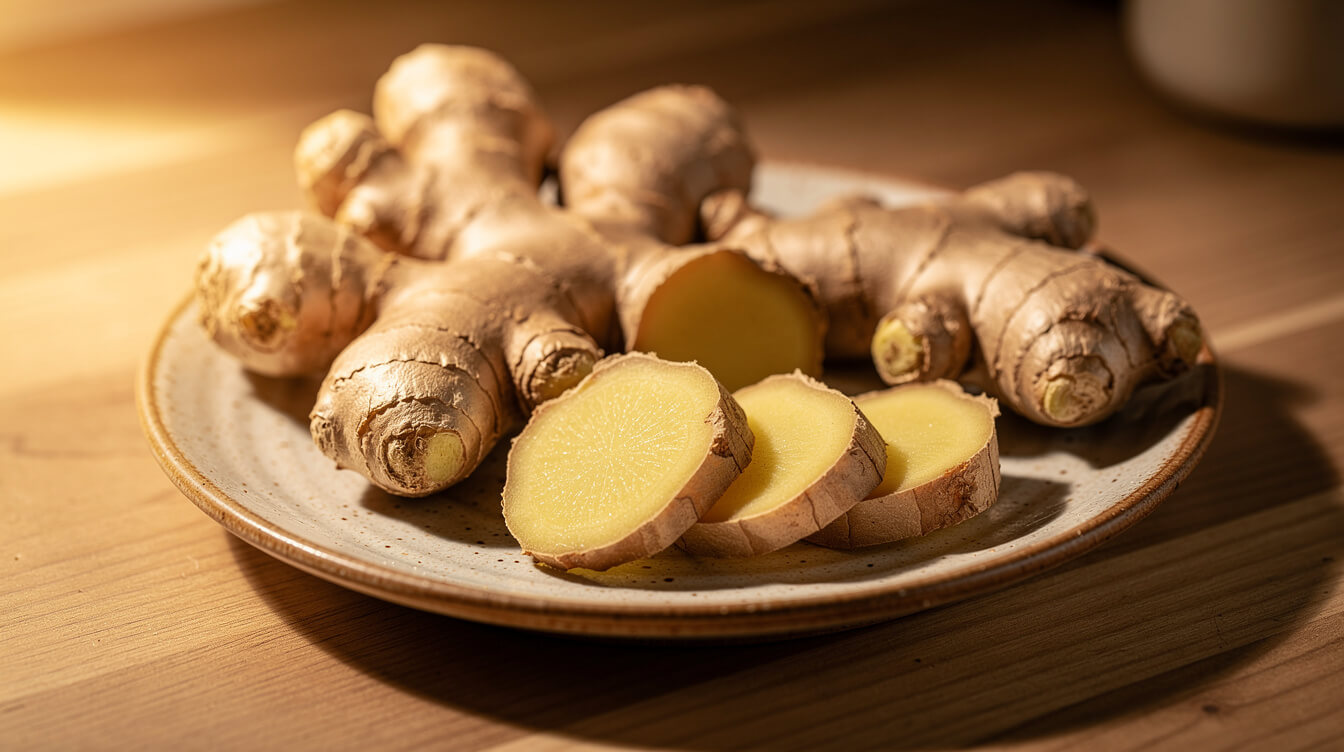
The second standout is ginger. In immunosuppressed mice, ginger essential oil improved the humoral immune response, raised circulating white blood cell counts, and strengthened a measure called the delayed-type hypersensitivity response. Lavender appears too: at a 2 percent concentration it increased the phagocytic rate of immune cells while repressing major pro-inflammatory cytokines. The reviewers sum it up carefully, noting that some oils, “particularly eucalyptus and ginger, seem to have immune function enhancing properties in multiple studies.”
Eucalyptus and ginger lead, but they are not alone in the review. The authors also discuss clove, whose main compound eugenol shows antimicrobial and anti-inflammatory activity, and orange oil, rich in limonene, linalool, and citral. Frankincense, thyme, and even garlic appear in the broader literature on aromatic compounds and immune cells. The pattern across them is consistent: specific molecules, measurable cellular effects, and a great deal of variation in how strong and how reproducible those effects are.
That phrasing matters. “Seem to have,” “in multiple studies.” This is a research team being precise, not a marketer being bold, and it is exactly the tone the next section is about.
Sign Up to Get Your FREE
e-Book Here…
The Honest Part: What the Science Does Not Say
Here is the part the product pages skip. Almost all of the encouraging evidence comes from cell cultures and animal models, not from large trials in healthy people going about their lives. The review authors say so plainly, describing the body of work as fragmentary and noting that “the cumulative evidence is not always sufficient.” They also flag a practical problem: the exact chemistry of an oil from the same plant species can vary a great deal from batch to batch, which makes results hard to standardize.
So let us be clear about the boundaries. No essential oil prevents, treats, or cures a cold, the flu, or any infection. Diffusing eucalyptus will not make you immune to anything. The United States Food and Drug Administration has issued warning letters to companies that claimed essential oils could protect against COVID-19, precisely because those claims crossed from aromatherapy into unproven medicine.
None of that makes the oils pointless. It reframes them. A bright, resinous aroma filling your home on a grey winter morning is a genuine comfort. A calming evening scent can make a restful wind-down routine easier to keep. Those benefits are real and worth having on their own terms. The smartest way to enjoy essential oils for immunity season is to treat them as part of a wellness ritual, not as a substitute for sleep, nutrition, hand-washing, and your doctor.
Choosing Essential Oils for Immunity Support: Seven Worth Diffusing
With expectations set honestly, here are seven oils that are pleasant to diffuse during the cooler months, several of which appear in the immune research above. Think of these as scents that make a space feel fresh, grounding, and cared-for.
- Eucalyptus: sharp, clean, and camphorous. The 1,8-cineole star of the research, and the classic note people reach for when the air feels stuffy.
- Ginger: warm, spicy, and grounding. A cozy companion to citrus and a standout in the animal studies.
- Tea tree: crisp and medicinal in the best sense. Read more in our guide to tea tree essential oil benefits.
- Clove: rich, sweet, and intensely warm. A little goes a long way, so diffuse it sparingly.
- Lemon: bright and uplifting. A natural mood-lifter that pairs beautifully with eucalyptus.
- Frankincense: resinous and meditative. A grounding base note for slower evenings.
- Lavender: soft, floral, and calming. The research favorite for turning down inflammatory signals while you relax.
A few safety notes, because purity and good sense matter more than any claimed benefit. Potent oils like clove and eucalyptus should be diffused in small amounts and in well-ventilated rooms. Take extra care, or skip diffusing entirely, around infants, pregnant women, anyone with asthma or respiratory sensitivity, and pets, since cats in particular process some compounds poorly. When in doubt, keep sessions short and the door open. Quality matters too: only pure, well-sourced oils belong in your air, since the synthetic fragrance oils in cheap blends offer none of the chemistry above.
Join Now and Get a Coupon for 10% Off!
Why the Delivery Method Changes What Reaches the Air

Here is the detail almost every other guide on this topic ignores. The compounds in the research only matter if they actually reach the air you breathe, intact and at a meaningful strength. That is entirely a question of how you diffuse, and not all diffusion is equal.
A common ultrasonic unit works by dropping a few drops of oil into a reservoir of water and vibrating a plate thousands of times per second. The output is mostly a fine water mist carrying a small, diluted fraction of oil. It is quiet and humidifying, but the oil is watered down before it ever leaves the device. A nebulizing diffuser takes a different path. Using a stream of pressurized air and Bernoulli’s Principle, a Nebulizing Diffuser® atomizes pure, undiluted oil drawn straight from the bottle into an ultra-fine aromatic cloud. No water. No heat. The molecules reach the air whole and at full concentration. We break the comparison down in detail in our guide to nebulizing versus ultrasonic diffusers.
Particle size is part of the story. Nebulizing breaks the oil into an extremely fine aerosol, far smaller than the visible water mist of an ultrasonic unit, which is why the aroma disperses evenly across a room and lingers rather than settling damply onto nearby surfaces. Because the oil is never diluted, you also reach a noticeable scent with very little product, and you control the intensity by how long the device runs rather than by how much water you add.
Heat is the other quiet enemy. Warming an oil to disperse it can degrade the very delicate aromatic molecules, like 1,8-cineole, that the immune research found interesting in the first place. A waterless, heatless method keeps that chemistry intact. If you are going to diffuse for the experience and the science both, the delivery method is not a footnote. It is the whole game. For travel and smaller rooms, the cordless Smart Mobile Mini Nebulizing Diffuser® delivers that same pure, waterless output with app control and a rechargeable battery.
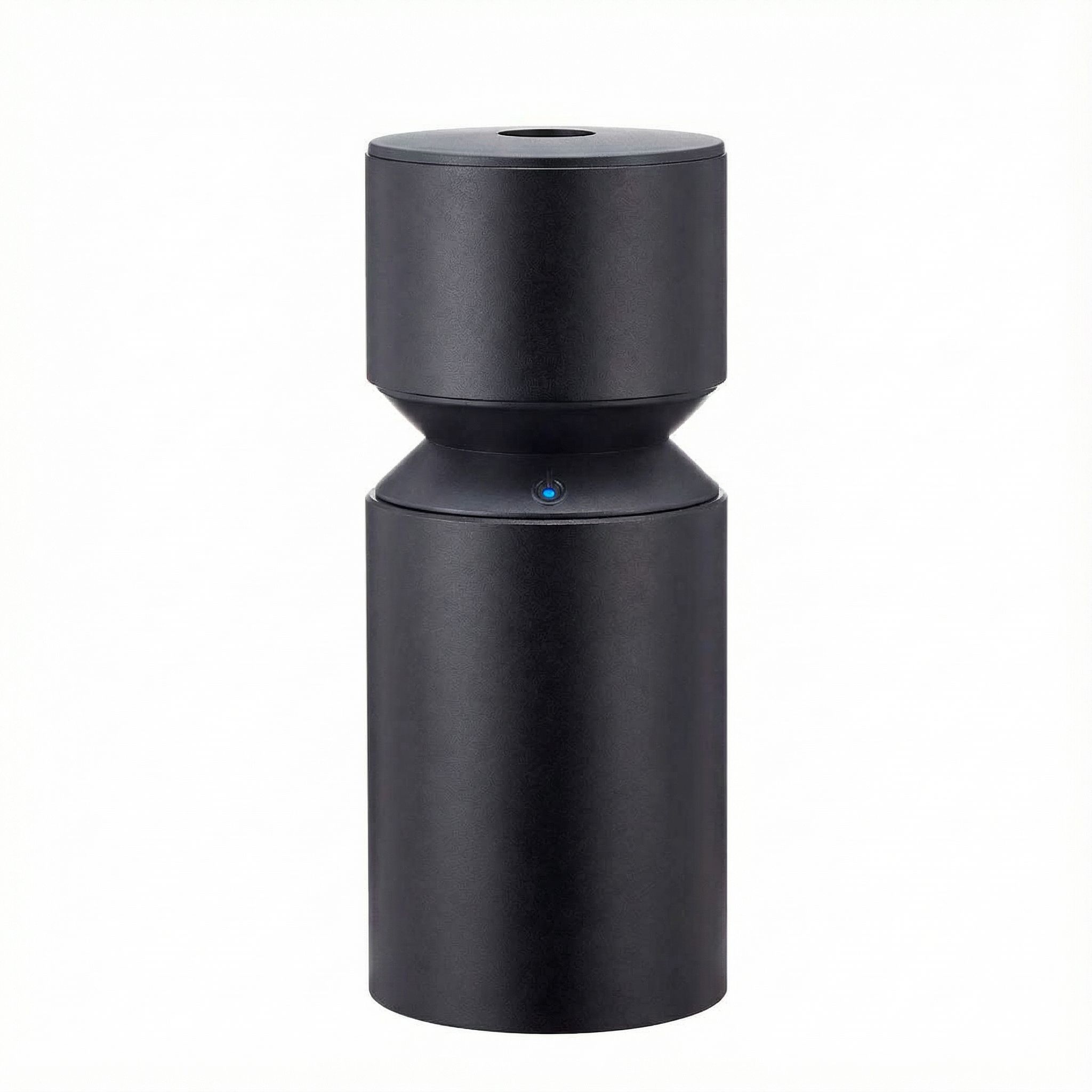
Diffuse Pure Oils, Not Watered-Down Mist
The Smart Mobile Mini Nebulizing Diffuser® atomizes undiluted essential oils with no water and no heat, so eucalyptus, ginger, and lemon reach the air at full strength. Cordless, rechargeable, and app-controlled.
A Simple Immune-Season Diffusing Routine
You do not need an elaborate system. A little rhythm goes a long way, and short, intermittent sessions usually smell better and feel better than running a device all day. A good default is 30 to 60 minutes at a time, in a room you are actually using, with a window cracked for fresh air.
Start the morning bright. A few drops of lemon with a touch of eucalyptus wakes up a kitchen or home office and clears the sense of a stuffy room. Through the afternoon, ginger and a whisper of clove bring warmth to a grey day. In the evening, switch to frankincense or lavender to mark the shift toward rest. If you would like ready-made combinations, our guide to essential oil blends for the diffuser walks through how top, middle, and base notes fit together.
If you want one blend to start with, a simple and balanced cool-weather combination is three drops of eucalyptus, two drops of lemon, and one drop of ginger. The eucalyptus gives it a clean backbone, the lemon lifts it, and the single drop of ginger adds warmth without taking over. Because a nebulizing device uses oil neat, count drops conservatively at first and build up only if you want a stronger presence.
Two housekeeping habits keep the experience pure. Give your device a quick clean roughly once a week so old oil does not dull the next aroma, and rotate your oils rather than running the same one constantly, since your nose adapts and stops noticing a scent it smells all day. For more on why this style of diffusion suits a home, see our roundup of the benefits of a nebulizing diffuser.

Join Our Exclusive Member Club to get Big Discounts!
Frequently Asked Questions
Do essential oils for immunity actually work?
Honestly, the picture is incomplete. In laboratory and animal studies, compounds in oils like eucalyptus and ginger have changed the behavior of immune cells in measurable ways, and a 2019 review in Molecules found that effect across multiple studies. But that research is mostly preliminary, done in dishes and mice rather than large human trials, and no oil prevents or cures illness. Enjoy them for comfort and atmosphere, and keep your real defenses, sleep, nutrition, and hygiene, in first place.
What is the best essential oil to diffuse during cold season?
Eucalyptus is the classic choice for a fresh, clear-smelling room, and it happens to be the most studied of the immune-supportive oils. Lemon brightens the mood, ginger adds cozy warmth, and frankincense or lavender ease the evening. There is no single best oil, so let the time of day and your own preference lead.
Is it safe to diffuse essential oils around children and pets?
Use caution. Keep sessions short and rooms well ventilated, and avoid diffusing potent oils near infants, pregnant women, people with asthma, or pets. Cats especially lack some of the liver enzymes needed to process certain compounds. When in doubt, diffuse in a separate room and leave the door open.
How long should I diffuse essential oils?
Short, intermittent sessions work best, around 30 to 60 minutes at a time rather than all day. Your sense of smell adapts quickly, so a constant scent fades from your awareness while still filling the room. Intermittent diffusing keeps the aroma noticeable and uses far less oil.
Can a Nebulizing Diffuser® make essential oils more effective?
It changes what reaches the air. Because a Nebulizing Diffuser® atomizes pure oil with pressurized air rather than diluting it in water or warming it, the aromatic molecules arrive whole and at full concentration. That means a truer, stronger scent from the same oils, without the water-based dilution of an ultrasonic device.
Final Thoughts
The truth about essential oils for immunity sits between the hype and the dismissal. Real research has watched compounds in eucalyptus and ginger wake up immune cells and calm inflammation, and that is genuinely fascinating. The same research is careful to say it is early, mostly preclinical, and no replacement for the basics that actually keep you well. Hold both ideas at once and you get the best of aromatherapy: a beautiful, grounding seasonal ritual, free of false promises.
And when you want those oils to reach the air exactly as the plant made them, let a waterless, heatless device do the work. Explore the handcrafted Nebulizing Diffuser® Collection and turn a cold-season morning into something that simply feels good to breathe.