


The Magic of the Nebulizing Diffuser
What is the Nebulizing Diffuser
A nebulizing diffuser is a device that disperses essential oil into the air, allowing you to reap the benefits of aromatherapy in an easy and efficient manner. Also known as the waterless diffuser, this essential oil diffuser releases your favorite essential oils into your environment. Unlike other types of diffusers, nebulizing diffusers work without the need for heat or water. This preserves the integrity and properties of the purest form of essential oils, allowing you to experience their full therapeutic health benefits
How Does the Nebulizing Diffuser Work?
The Diffusing Process
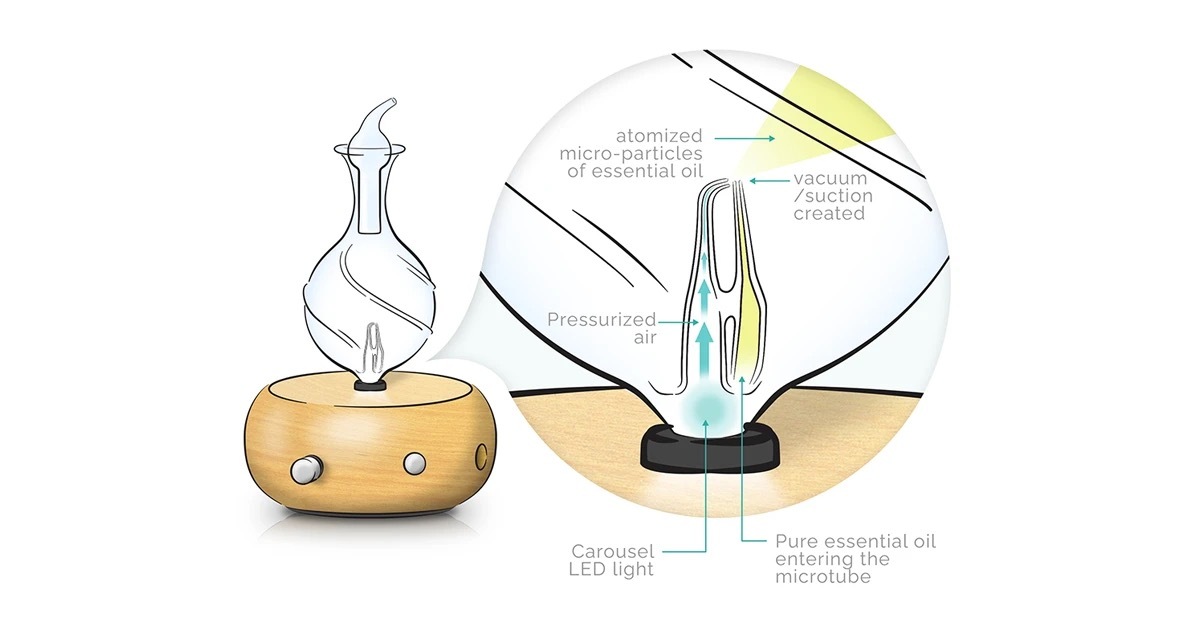
Unlike the traditional essential oil diffuser that rely on water or heat to disperse pure essential oils, most nebulizing diffusers work by using a unique process that keeps the integrity of the oil intact while ensuring efficient distribution. Through a process called ‘nebulization,’ the pump in the base of the diffuser sends pressurized cool air up through the glass micro-tube which creates a vacuum effect that sucks the essential oil up the adjoining micro-tube and when the pressurized air comes in contact with the essential oil it is blasted into micro-particles, releasing them as a fine mist that permeates the room.
Usage Cycle

Professional aromatherapists often recommend two-hour sessions when administering treatment using an aromatherapy diffuser, as prolonged exposure could lead to the development of a tolerance to the therapeutic benefits of the oils. Organic Aromas, an industry-leading aromatherapy company in the field, has conducted extensive research to establish the ideal usage cycle that maintains a balanced concentration of your favorite essential oil, thereby maximizing its benefits. Based on their findings, a cycle of two minutes on and one minute off, sustained over a duration of two hours at which time it will auto shut off, has been determined to provide maximum benefits.
Volume Control
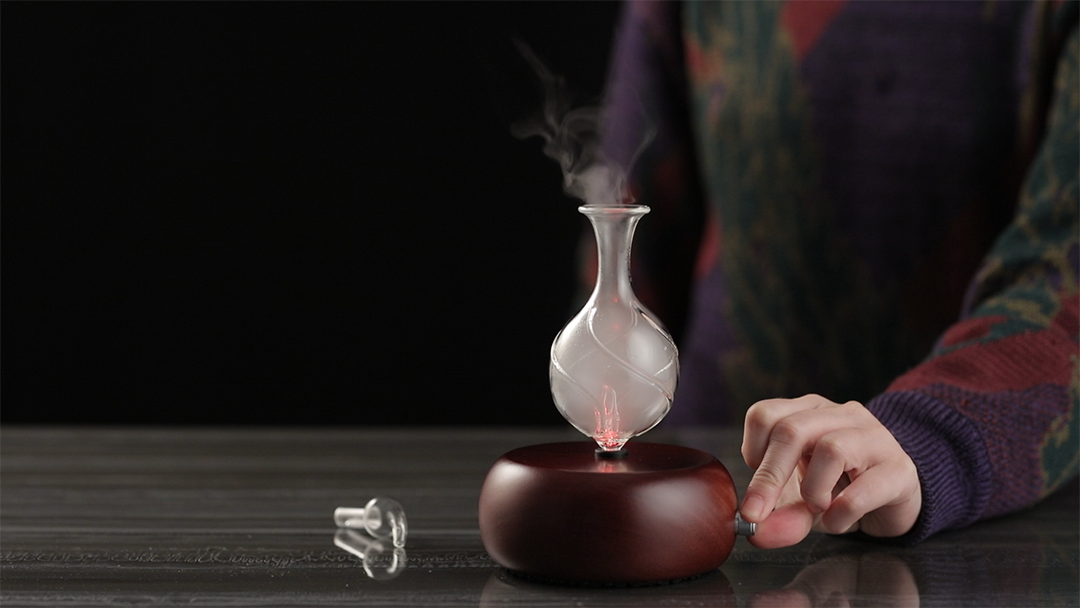
Most nebulizing diffusers have a volume control switch similar to a dimmer light switch. When you turn your aromatherapy diffuser on the machine is on low. As you turn the dial the speed of the pump increase which release a greater volume of aroma into the space of the room.
LED Mood Lighting
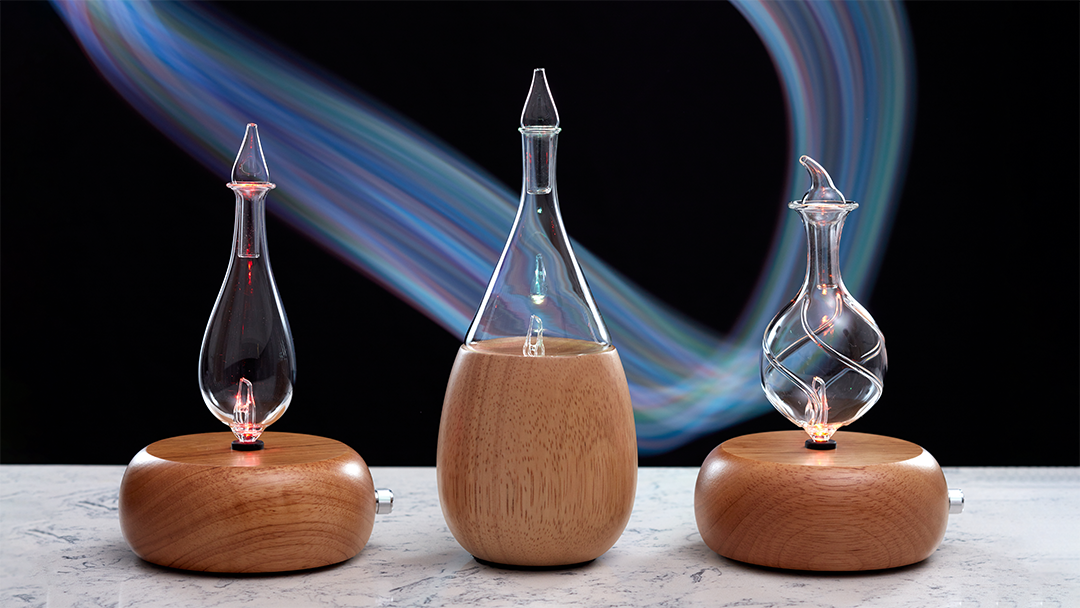
Most nebulizing diffuser models come equipped with LED mood lighting. Certain models feature a vibrant, rotating carousel of rainbow colors, while others offer a gentle, soft white light. These lights won’t disrupt your sleep as they can be easily turned off with a simple touch on the sensor light switch. Furthermore, some models allow you to tap the sensor and choose your favorite color, adding a personalized touch to your diffuser experience.
The Science Behind Nebulizing Diffusers
At the heart of the scientific evidence for how the nebulizing essential oil diffuser work is the Bernoulli’s principle, a physical law that explains how high pressure air flow can generate suction, thereby atomizing the undiluted essential oil into a fine, breathable mist. When it comes to their effects on mood, health, and well-being, the specific health benefits are dictated by the type of essential oil used. For instance, lavender oil can aid sleep and relaxation, while peppermint oil is renowned for its invigorating properties.

Sign Up to Get Your FREE Essential Oils e-Book Here
The Benefits of the Nebulizing Essential Oil Diffuser
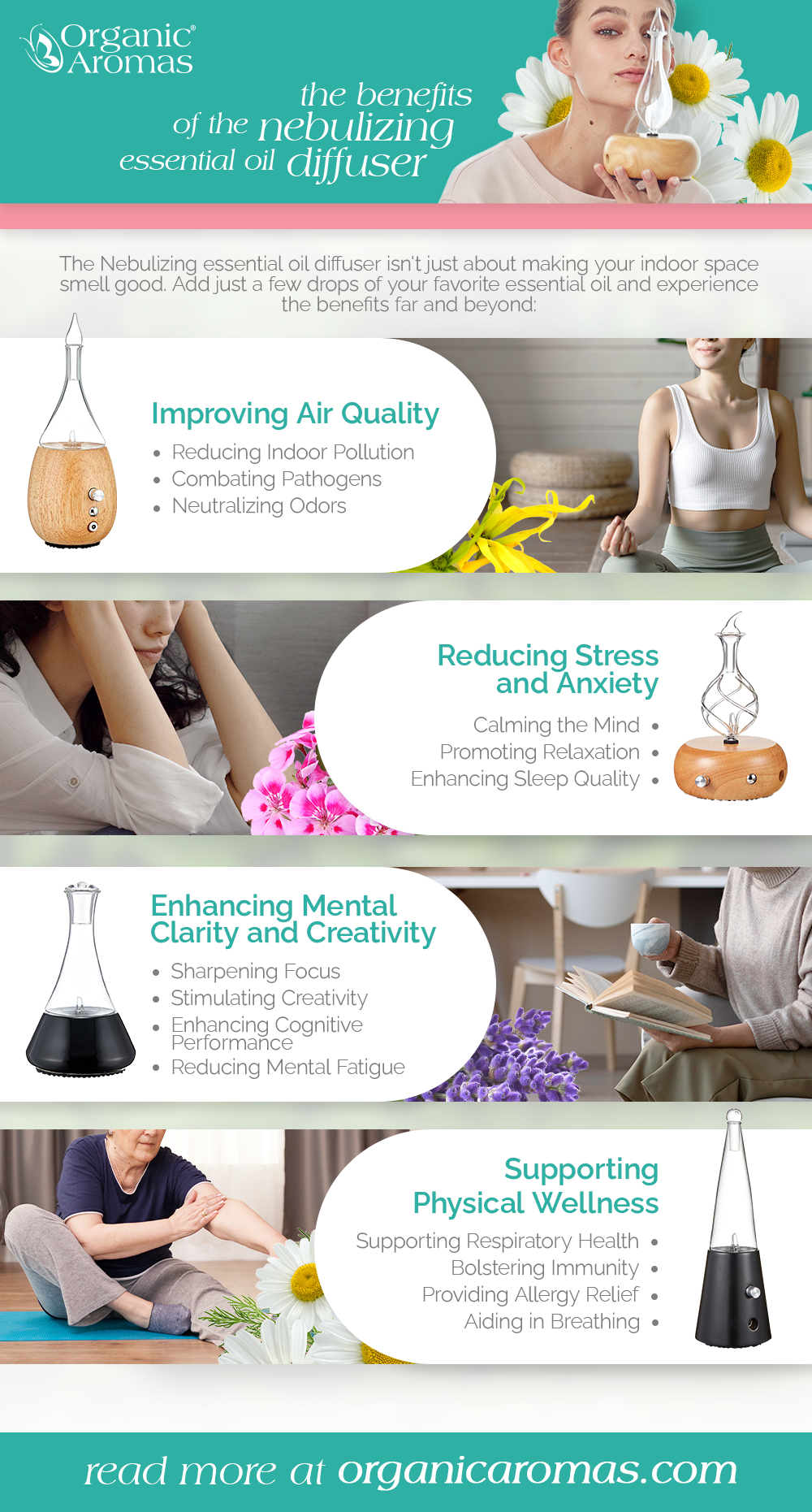
The Nebulizing essential oil diffuser isn’t just about making your indoor space smell good. Add just a few drops of your favorite essential oil and experience the benefits far and beyond:
Improving Air Quality
- Reducing Indoor Pollution: Air quality can often be several times worse than outdoor air due to the concentration of pollutants in enclosed spaces. These pollutants may include dust, mold spores, and chemicals from household products or building materials. Nebulizing diffusers can help reduce this pollution by dispersing essential oil mist, which can bind to these particles and help to neutralize them.
- Combating Pathogens: Many essential oils possess antimicrobial properties, meaning they can kill or inhibit the growth of microorganisms such as bacteria, viruses, and fungi. When dispersed into the air by a nebulizing diffuser, essential oil can help to minimize the presence of these harmful pathogens in your environment, promoting a healthier space.
- Neutralizing Odors: Besides their health benefits, essential oils are often used to neutralize unpleasant odors in the home. By breaking down the essential oil into fine particles, nebulizing diffusers can effectively eliminate or mask various odors, leading to fresher and more pleasant indoor fragrance.
Reducing Stress and Anxiety
- Calming the Mind: Some essential oils, like lavender and chamomile, are renowned for their soothing properties. When these oils are dispersed into the air using a nebulizing diffuser, they can help create a calming ambiance that can pacify an agitated mind, thereby reducing feelings of stress and anxiety.
- Promoting Relaxation: Inhaling the aromatic compounds of certain natural essential oils can stimulate the limbic system – the part of the brain that controls emotions and memories. This can trigger a relaxation response in the body, slowing heart rate, lowering blood pressure, and easing tension.
- Enhancing Sleep Quality: Stress and anxiety can often lead to sleep disturbances. Essential oils like lavender and bergamot have been shown to improve sleep quality. A nebulizing diffuser can efficiently disperse these oils throughout your room at night, creating an environment conducive to restful sleep.
Enhancing Mental Clarity and Creativity:
- Sharpening Focus: Certain essential oils like lemon and grapefruit are renowned for their invigorating properties. When these oils are dispersed into the air through a nebulizing diffuser, they interact with receptors in the brain to enhance alertness and improve concentration. This can make tasks that require a high level of focus more manageable.
- Stimulating Creativity: Citrus oils, in particular, are known for their ability to stimulate the creative centers in the brain. By creating an uplifting and energizing atmosphere, they can encourage divergent thinking and boost your creativity.
- Enhancing Cognitive Performance: Essential oil such as rosemary have been linked to improved cognitive performance. Dispersing these oils with a nebulizing diffuser can help enhance memory, problem-solving skills, and overall cognitive function.
- Reducing Mental Fatigue: The invigorating scent of citrus and other stimulating oils, such as peppermint, can help combat mental fatigue. By using a nebulizing diffuser, you can create a rejuvenating environment that helps to refresh and reset your mind.
Supporting Respiratory Health Benefits and Immunity:
- Supporting Respiratory Health: Eucalyptus oil, known for its potent respiratory benefits, can be effectively dispersed using a nebulizing diffuser. The oil is known to soothe the airways and assist in clearing congestion, making it useful for those suffering from colds, coughs, asthma, or allergies. The tiny particles of eucalyptus oil produced by the diffuser can be easily inhaled, providing relief and supporting overall respiratory health benefits.
- Bolstering Immunity: Many essential oils, such as tea tree, frankincense, and lemon, possess antibacterial, antiviral, and antifungal properties. When dispersed into the air, these oils can help to eliminate airborne bacteria and viruses, thus creating a healthier environment and bolstering your immune system.
- Providing Allergy Relief: Inhaling essential oils, like peppermint and lemon, are known to help reduce inflammation and mitigate allergy symptoms. Using a nebulizing diffuser to disperse these oils can provide relief during allergy seasons.
- Aiding in Breathing: Pure essential oils such as peppermint and eucalyptus also have decongestant properties that can aid in breathing, particularly for those with conditions like bronchitis or asthma.
Different Types of Nebulizing Diffusers
Nebulizing essential oil diffusers come in a broad spectrum of designs, sizes, and materials to meet a variety of needs and preferences. A number of popular desktop versions feature hand-blown glass components and plantation hardwood bases, while other variants boast durable, glossy ceramic bases. Some models are even constructed with hard plastic, offering a unique feature that allows you to insert an entire bottle of oil for prolonged diffusion. There are also portable nebulizing diffusers equipped with rechargeable lithium-ion batteries, designed specifically for convenient mobility and travel. Let’s explore these diverse types in greater depth.
The Raindrop Nebulizing Diffuser: is a great example of the standard desktop model. It’s made with a wood base and hand blown borosilicate heat strengthened glass. This diffuser features rotating color changing lights that can be turned off with a touch sensor light switch.
The Aurora Nebulizing Diffuser: is the most popular ceramic based model featuring a vibrant ribbed glass that causes a colorful sublimation effect. The Aurora is equipped with a single white LED mood light that can easily be turned off with the swipe of a finger.
The Mobile-mini Travel Nebulizing Diffuser: This portable Nebulizing Diffuser was built with mobility in mind. Equipped with a rechargeable lithium-ion battery it allows you to move the diffuser effortlessly from room to room or even to put in the cup hold in your vehicle.
Join Now and Get a Coupon for 10% Off!
How to Choose the Perfect Nebulizing Diffuser
Choosing the right nebulizing diffuser depends on your individual needs and preferences:
- Design: Choose a design and color that complements your décor and personal style.
- Large Room: Larger spaces will require a diffuser with a greater dispersal capacity. The standard desktop unit will diffuser will fill a room quickly up to 700 square feet
- Night Light: Select a nebulizer that allows you the ability to turn the mood lighting off with the swipe of a finger.
- Mobility: Do you want a diffuser to move around the house or leave stationary in one room.
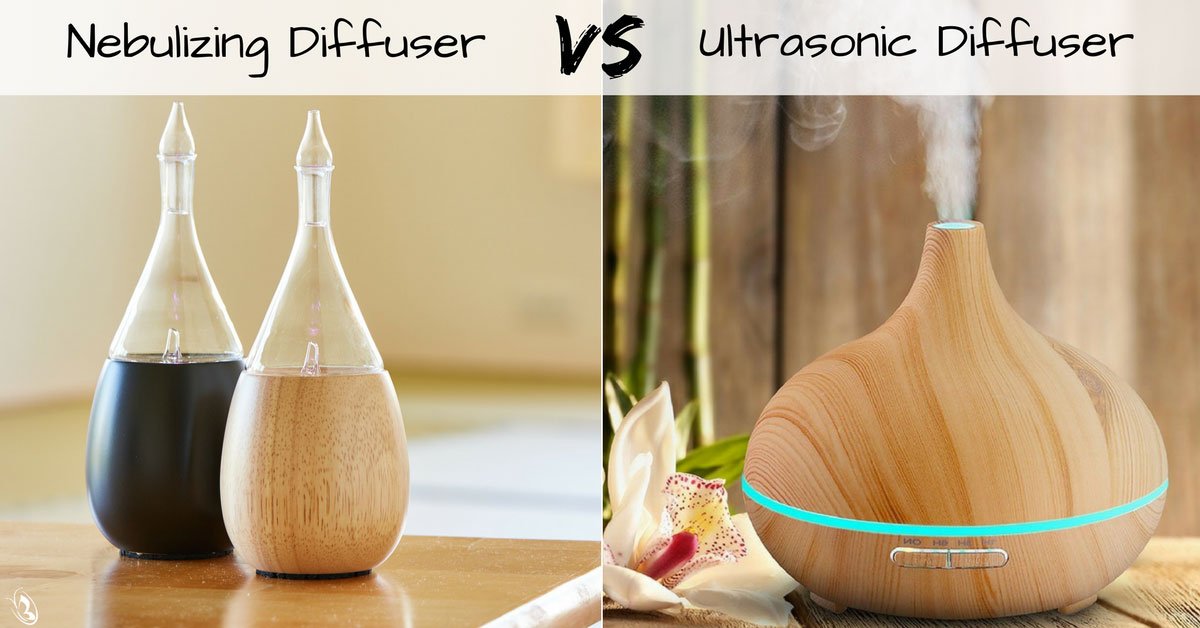
How does a Nebulizing Diffuser Differ from Ultrasonic Diffusers
Nebulizing diffusers are typically regarded as more effective and potent than an essential oil diffuser since they don’t dilute essential oils with water. This leads to a highly concentrated mist and, as a result, a more robust aroma with potentially stronger therapeutic benefits. Due to their potent output, nebulizing diffusers can consume oils more rapidly than the traditional diffuser.
Ultrasonic diffusers on the other hand are typically made of plastic and use water and ultrasonic waves to emit a cool mist of water and micro-particles into the air. This process only requires just a few drops of essential oils, making it a more economical option for dispersion. They also function as an ultrasonic humidifier that releases moisture into your space, which can be beneficial in drier climates. The diluted oils often dissipate much faster than nebulizing essential oil diffusers.
The Pros and Cons of Owning a Nebulizing Diffuser
| Pros | Cons |
| No heat is used | More expensive than other types |
| Preserves essential oil integrity | Uses oils more quickly |
| Strong aroma output | Can be noisier |
| Doesn’t require water | Requires regular cleaning |
| Covers larger areas | May not work well with base note oils |
| Plastic Free |
Which Pure Essential Oils to Use in a Nebulizing Diffuser
Choosing the right essential oil for your nebulizing diffuser is a multifaceted decision. While your primary consideration when diffusing essential oils should be the specific benefits you desire — be it relaxation, focus, or energy boost — you also need to pay attention to the diffusion characteristics. Each essential oil has a unique consistency or thickness, which impacts how it diffuses. Typically, essential oils are divided into three categories: top note, middle note, and base note oils. Let’s delve into these categories for a clearer understanding of their distinct properties and diffusing behaviors.
Top Note Essential Oils

Top notes are the lightest of the oils and typically have a fresh, vibrant aroma. Due to their molecular structure, these oils evaporate quickly and are often the first scents of fragrance you perceive when you inhale a blend. You will find the nebulizer will diffuse top note essential oils much faster than middle or base note. To slow the consumption rate you can blend your top notes with middle or base note.
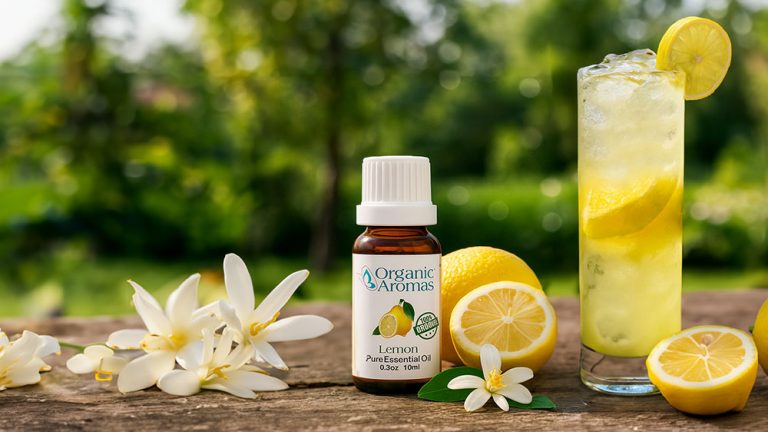
- Lemon: is derived from lemon peels and offers a fresh, clean, and invigorating aroma. It’s known for its mood-enhancing properties and can stimulate mental clarity and reduce stress. Its powerful cleansing properties make it useful for purifying the air.
- Grapefruit: is derived from grapefruit peel, is refreshing and uplifting. It’s known to help with stress, mood, alertness, and can even curb food cravings.
- Eucalyptus: Distilled from the leaves of the eucalyptus tree, it has a cooling and refreshing effect. It’s often used to help clear the respiratory tract, boost the immune system, and ease headaches.
- Peppermint: Peppermint oil, extracted from the peppermint plant, has a cool, invigorating scent. It’s often used to boost energy, improve mental focus, and soothe digestion issues.
Middle Note Essential Oils
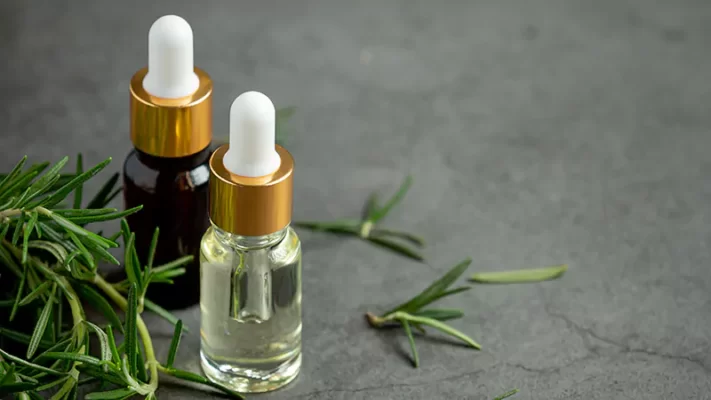
Middle note oils, also known as “heart notes,” are the optimal essential oil to use in your nebulizing diffuser. Their consistency allows them to diffuse in a very balanced way through the micro-tubes at the bottom of the glass reservoir. They also pair nicely with top notes or in some base notes to provide a wonderful aromatherapy experience.
- Rosemary: is extracted from the leaves of the rosemary plant. It has a strong, herbaceous aroma and is known to enhance memory, concentration, and relieve stress.
- Lavender: is distilled from lavender flowers, is renowned for its calming and relaxing properties. It’s commonly used to improve sleep quality, reduce anxiety, and promote a general sense of well-being.
- Tea Tree: Tea tree oil, derived from the leaves of the tea tree, has a fresh, medicinal aroma. It’s well known for its powerful antiseptic properties and ability to treat wounds, which makes it highly beneficial for skin health.
Base Note Essential Oils
Middle note oils, often referred to as “heart notes,” are ideally suited for use in your nebulizing diffuser. Their balanced consistency ensures a smooth diffusion process through the micro-tubes situated at the base of the glass reservoir. Moreover, they harmonize well with both top note oils and some base note oils, thereby enriching your aromatherapy experience with a balanced and pleasing aroma.
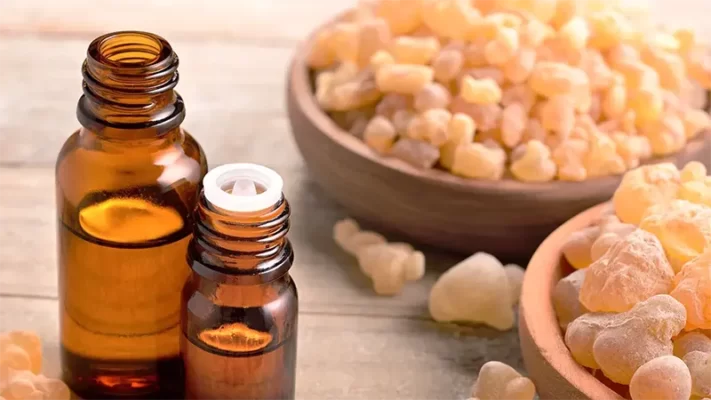
- Frankincense: Extracted from the resin of the Boswellia tree, frankincense oil has a warm, spicy, and sweet aroma. It’s often used to promote a sense of peace and relaxation, reduce anxiety, and boost immunity.
- Cedarwood: Cedarwood oil, distilled from the wood of cedar trees, has a warm, woodsy aroma that’s grounding and promotes feelings of safety and tranquility. It also has a reputation for promoting healthy skin and clear breathing.
- Patchouli: Derived from the leaves of the patchouli plant, this oil has a rich, earthy, and grounding aroma. Patchouli oil is often used in aromatherapy to relieve anxiety, stress, and depression, and it also has antimicrobial properties.
Carrier Oils
When using a nebulizing diffuser, it’s crucial to steer clear of carrier oils. Carrier oils, often used to dilute essential oils for topical applications, are too thick for nebulizing diffusers and can lead to clogging. This can not only compromise the performance of your diffuser but also its longevity. Thus, always use pure essential oils to ensure smooth operation and to reap the maximum benefits of your nebulizing diffuser.
Maintenance and Cleaning
To ensure your nebulizing essential oil diffuser operates optimally and has a long life you may consider the below procedure on a daily basis.
Cleaning your Nebulizing Diffuser
- Select high percentage isopropyl alcohol. 70% or higher
- Remove the glass reservoir from the wood base.
- Pour a couple millimeters of alcohol into the glass reservoir and swish it around.
- Use the plastic cleaning pipettes that are included in the set to suck up the alcohol and flush the glass micro-tubes free and clear of any residue. Flush at them least 5 or 6 times.
- Discard the the dirty alcohol into the bin
- Repeat the steps above one more time.
Nebulizing Diffuser Cleaning Video
Replacement Glass Reservoir for the Nebulizing Diffuser
If the glass reservoir of your nebulizing diffuser accidently becomes broken. Don’t worry, a replacement glass reservoir can be purchased on it’s own so you don’t need to buy a whole new diffuser.
Wrapping Things Up
In essence, the nebulizing diffuser is more than just an aroma diffuser. They play a vital role in enhancing indoor air quality, promoting well-being, and even spurring creativity. By making a conscious choice based on your individual needs, maintaining regular cleaning routines, and selecting the right oils, you’re set to transform your indoor space with the aromatic magic of nebulizing diffusers. So, why wait? Start enjoying the aromatherapy benefits of these elegant and powerful devices and breathe your way to better health and a more serene environment.
Frequently Asked Questions (FAQs)
Are nebulizing diffusers better?
Nebulizing diffusers have the best performance out of all essential oil diffusers. Since the diffusing process does not require heat, this aromatherapy tool provides the most health benefits. They release a high concentration of fragrance into the air which causes the nebulizer diffusers to use drops faster.
What does a nebulizing diffuser do?
The nebulizer uses high pressure air to diffuse essential oils and distribute the aroma into your whole body and environment. Researchers say the use of diffusers at times can be very safe for the majority of people.
Is a Nebulizing Diffuser Noisy?
A nebulizing glass diffuser is not silent, but is best described as being whisper quiet when used on the low setting.
How many drops of oil do I need for a nebulizing essential oil diffuser?
A nebulizing diffuser requires more than a few drops. It is recommended to use a minimum of 10 drops of essential oil.
How do you dilute oil for a nebulizer?
To dilute your oils when using a nebulizing essential oil diffuser it’s best to use organic grain alcohol or if that isn’t available try using a few drops of vodka.






hello everyone