


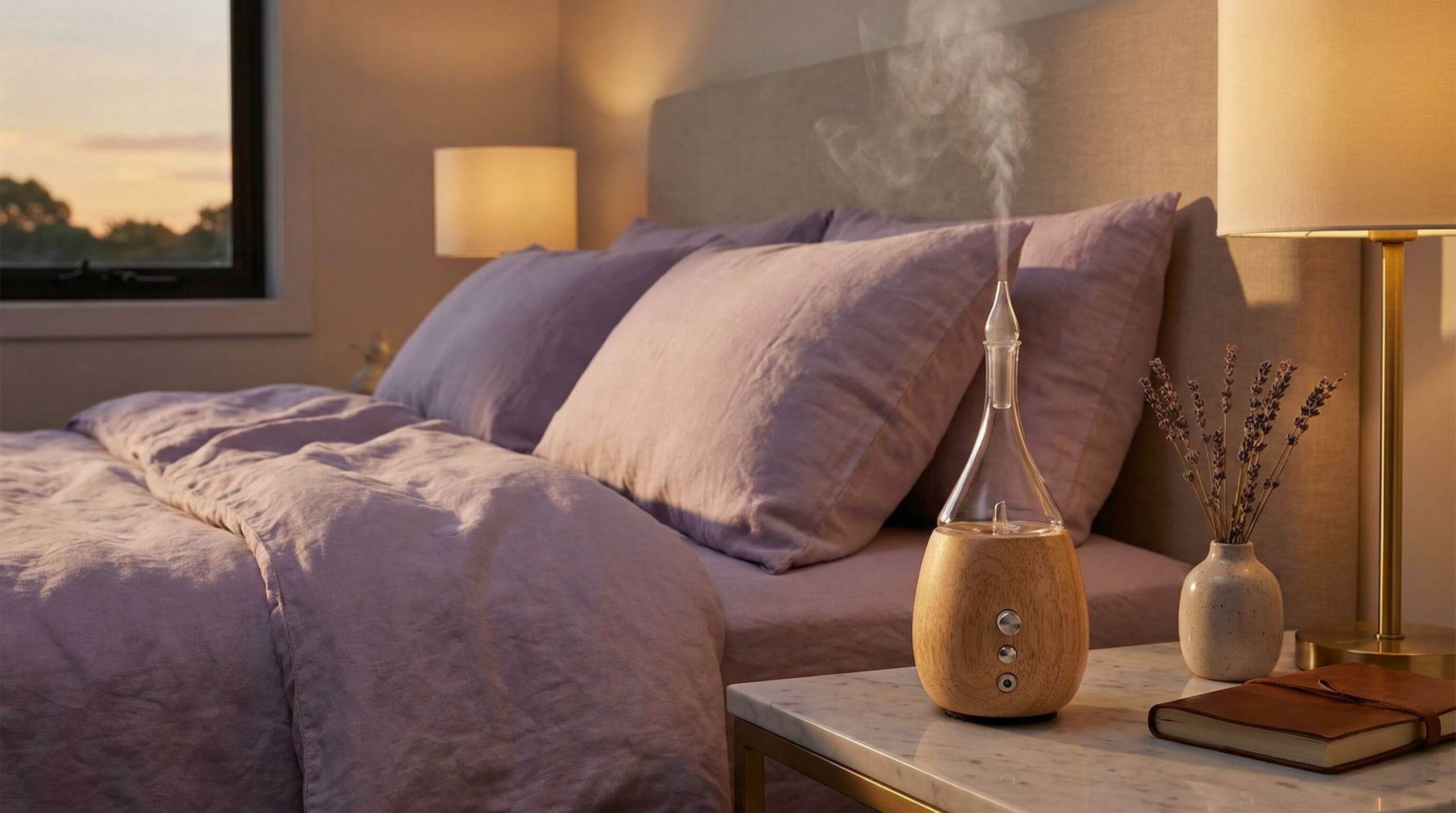
Best Essential Oils for Sleep: A Complete Guide to Restful Nights
Tossing and turning at 2 AM, watching the clock tick closer to your alarm—it’s a frustrating scenario millions of people know all too well. If you’ve been searching for natural solutions to reclaim your nights, you’re not alone. The best essential oils for sleep have been used for centuries to calm restless minds and prepare the body for deep, restorative rest. Modern research now confirms what ancient cultures understood intuitively: certain aromatic compounds can genuinely influence our sleep-wake cycles and promote relaxation at a neurological level.
A 2015 study published in the Journal of Alternative and Complementary Medicine found that lavender essential oil significantly improved sleep quality in participants with self-reported sleep issues. But lavender is just one of many oils that can transform your bedtime routine. In this comprehensive guide, we’ll explore the science behind aromatherapy for sleep, reveal the eight most effective essential oils, and show you exactly how to use them—including why the delivery method matters more than most people realize.
Why Essential Oils Work for Sleep: The Science

Essential oils influence sleep through a fascinating biological pathway. When you inhale aromatic molecules, they travel through your olfactory system—the only sensory pathway that connects directly to the brain’s limbic system. This region controls emotions, memory, and crucially, the autonomic nervous system that regulates sleep.
Research published in Evidence-Based Complementary and Alternative Medicine demonstrates that certain essential oil compounds, particularly linalool found in lavender, can reduce sympathetic nervous system activity (your “fight or flight” response) while enhancing parasympathetic activity (your “rest and digest” mode). This shift is exactly what your body needs to transition from the alertness of daytime to the relaxation required for quality sleep.
The timing matters too. Our bodies operate on circadian rhythms, and introducing calming scents 30-60 minutes before bed signals to your brain that it’s time to wind down. Unlike sleep medications that can leave you groggy, essential oils work with your natural biology rather than overriding it—making them an excellent choice for those seeking drug-free sleep support.
The 8 Best Essential Oils for Sleep
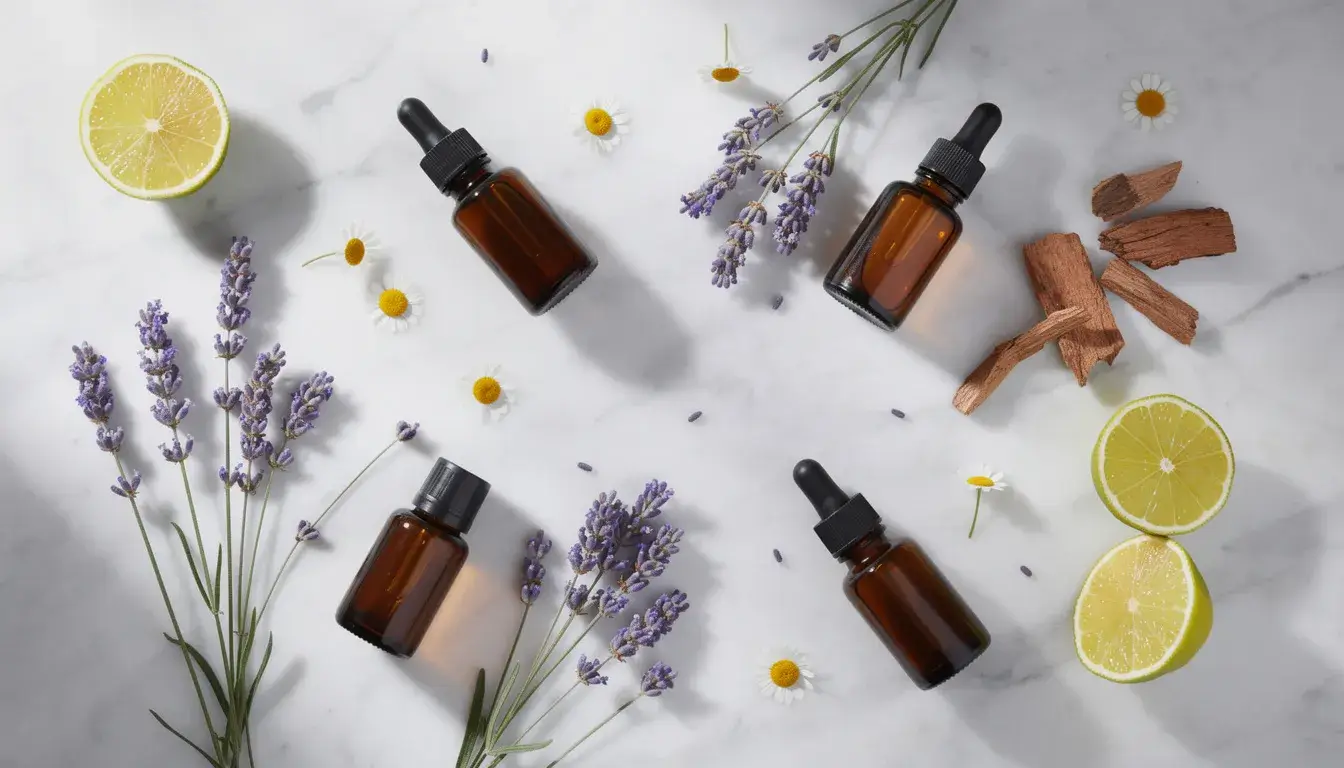
While many essential oils promote relaxation, these eight stand out for their research-backed effectiveness and proven track record for improving sleep quality.
1. Lavender (Lavandula angustifolia)
The gold standard of sleep oils. Lavender contains linalool and linalyl acetate, compounds clinically proven to reduce anxiety and promote sedation. A meta-analysis of 12 studies concluded that lavender aromatherapy significantly improves sleep quality with minimal side effects. Its gentle floral scent makes it perfect for nightly use.
2. Chamomile (Matricaria chamomilla)
Roman chamomile has been used as a sleep aid since ancient Egypt. Its mild, apple-like aroma contains apigenin, a flavonoid that binds to GABA receptors in the brain—the same receptors targeted by prescription sleep medications, but without the dependency risks. Chamomile is particularly helpful for those whose sleep issues stem from anxiety.
3. Bergamot (Citrus bergamia)
Unlike most citrus oils that energize, bergamot uniquely calms. A 2015 study found that bergamot oil reduced cortisol levels (the stress hormone) and improved positive feelings in participants. Its bright yet soothing scent combines beautifully with lavender for a sophisticated bedtime blend.
4. Cedarwood (Cedrus atlantica)
This warm, woody oil contains cedrol, a compound shown in Japanese research to increase total sleep time and reduce the time needed to fall asleep. Cedarwood’s grounding aroma is particularly effective for those who feel scattered or mentally restless at bedtime.
5. Ylang Ylang (Cananga odorata)
This exotic floral oil slows heart rate and lowers blood pressure, creating the physiological conditions necessary for deep sleep. Research published in Phytotherapy Research found that ylang ylang inhalation reduced anxiety and enhanced calmness. Use sparingly—its sweet fragrance is potent.
6. Valerian (Valeriana officinalis)
Often called “nature’s Valium,” valerian root oil has been used medicinally for sleep since ancient Greece. Its earthy, musky scent isn’t for everyone, but its effectiveness is well-documented. Valerian increases GABA availability in the brain, promoting deeper, more restorative sleep cycles.
7. Clary Sage (Salvia sclarea)
This herbaceous oil is particularly beneficial for women experiencing hormone-related sleep disruptions. Studies show clary sage reduces cortisol and has antidepressant-like effects. Its complex, slightly sweet aroma pairs well with lavender for a deeply relaxing blend.
8. Sandalwood (Santalum album)
Prized for centuries in Ayurvedic medicine, sandalwood’s rich, creamy aroma promotes mental clarity while reducing anxiety. Research indicates it has mild sedative effects without causing drowsiness. Its long-lasting scent continues working throughout the night.
Sign Up to Get Your FREE
e-Book Here…
How to Use Essential Oils for Better Sleep
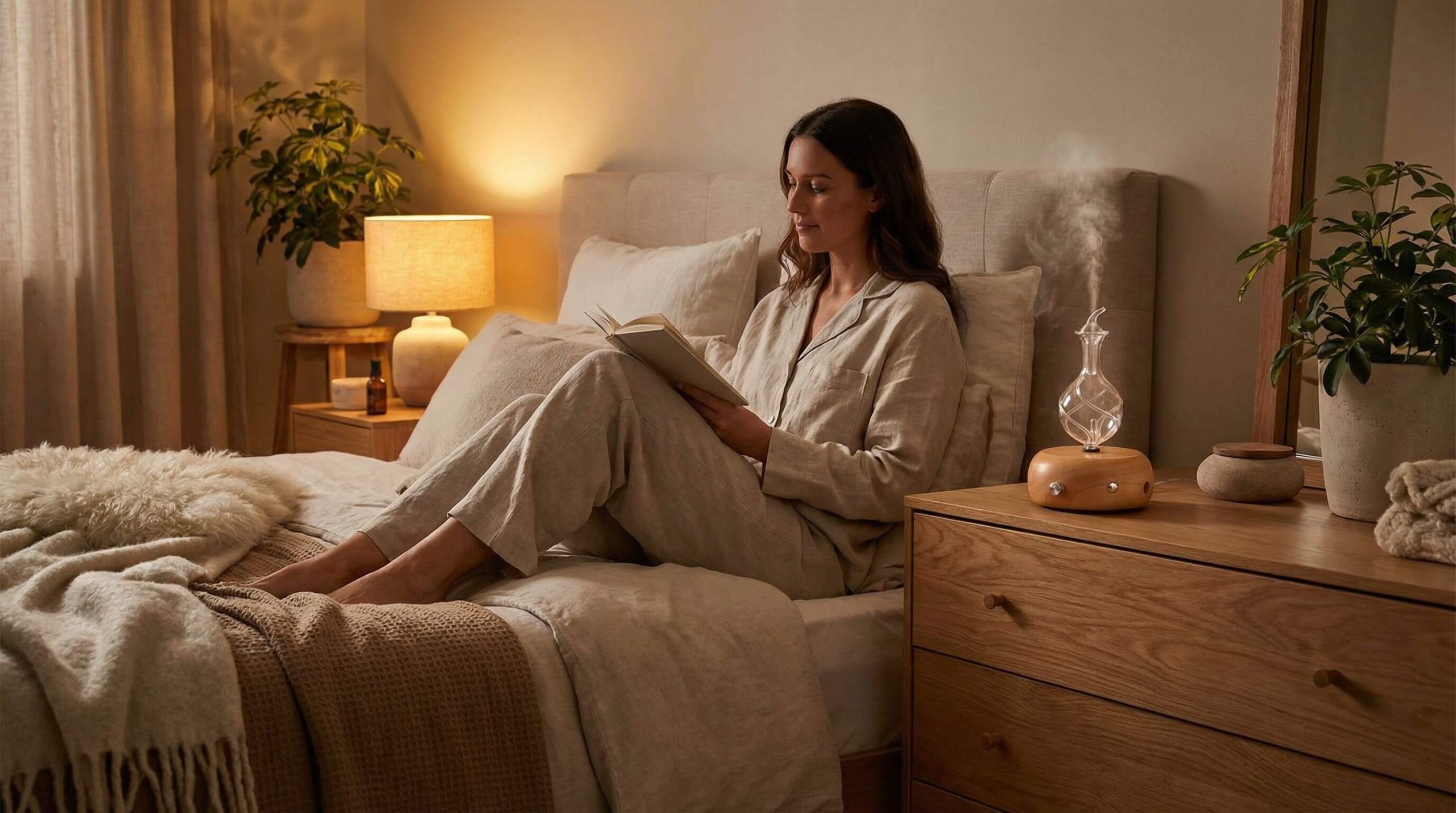
The method you choose to disperse essential oils significantly impacts their effectiveness. Here are the most popular approaches, ranked by therapeutic benefit.
Nebulizing Diffusion (Most Effective)
Nebulizing diffusers atomize pure essential oils into microscopic particles without heat or water. This preserves the complete chemical profile of the oil and delivers the highest concentration of therapeutic compounds directly to your respiratory system. Unlike ultrasonic diffusers that dilute oils with water, nebulizers provide undiluted aromatherapy at its most potent.
For sleep, run your nebulizing diffuser for 15-30 minutes about 30 minutes before bed. The concentrated mist fills your space quickly, and since there’s no water tank to worry about, you can set an interval timer and let it cycle throughout the night. The Tranquility nebulizing diffuser is ideal for bedrooms—its whisper-quiet operation won’t disturb light sleepers, and its elegant design complements any nightstand.
Direct Inhalation
Place 1-2 drops of essential oil on a tissue or cotton ball and tuck it inside your pillowcase. Alternatively, cup your hands over your nose (after applying a drop to your palms) and take 5-10 deep breaths. This method works quickly for acute anxiety or racing thoughts that prevent sleep.
Topical Application
Always dilute essential oils in a carrier oil (like jojoba or sweet almond) before skin application. A 2% dilution—approximately 12 drops per ounce of carrier—is appropriate for adults. Apply to pulse points: wrists, temples, behind ears, and soles of feet. The warmth of these areas helps release the aroma gradually throughout the night. For guidance on safe dilution, check our essential oil dilution guide.
Evening Bath
Add 5-8 drops of sleep-promoting oils to a tablespoon of carrier oil or bath dispersant, then add to warm (not hot) bathwater. Soak for 15-20 minutes. The combination of warm water, steam inhalation, and dermal absorption makes bathing one of the most relaxing ways to use essential oils before bed.
DIY Sleep Blends and Recipes
 Essential oil blending supplies with dropper bottles and fresh botanical ingredients on natural wood surface”/>
Creating custom blends allows you to tailor your sleep aromatherapy to your specific needs. These recipes are designed for use in nebulizing diffusers—simply add the drops directly to the glass reservoir.
Deep Sleep Blend
For those who wake frequently during the night:
5 drops lavender
3 drops cedarwood
2 drops vetiver
Anxiety Relief Blend
When racing thoughts keep you awake:
4 drops bergamot
3 drops chamomile
3 drops frankincense
Sweet Dreams Blend
A gentle, floral option ideal for beginners:
4 drops lavender
3 drops ylang ylang
2 drops clary sage
Sleep Pillow Spray
For a complementary method alongside diffusion:
2 oz distilled water
1 oz witch hazel
15 drops lavender
10 drops chamomile
5 drops sandalwood
Combine in a glass spray bottle. Shake well before each use and mist lightly over pillows and bedding 10 minutes before sleep.

Sign Up to Get Your FREE Essential Oils e-Book Here
Creating the Perfect Sleep Sanctuary
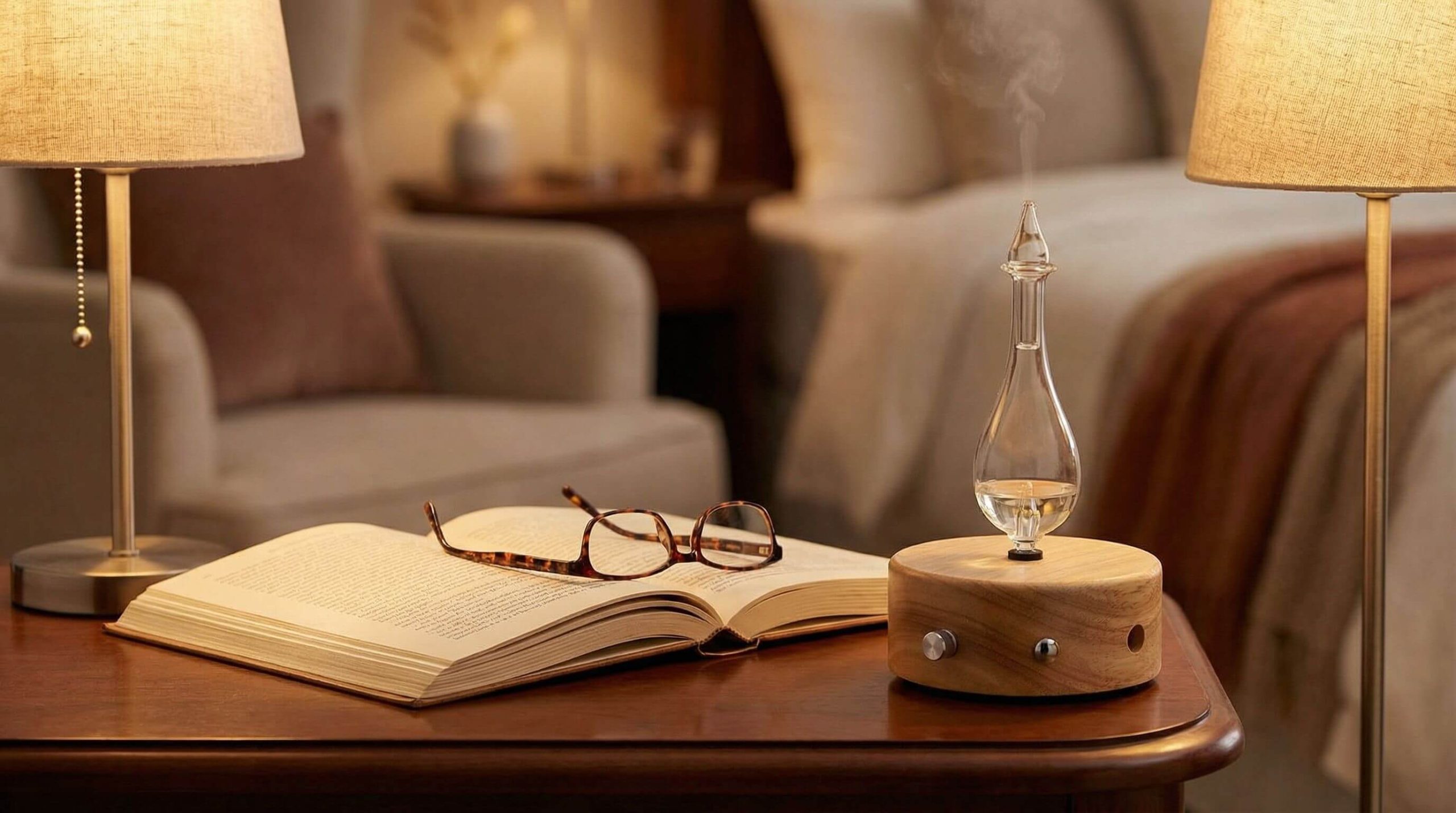
Essential oils work best as part of a comprehensive sleep environment. Here’s how to optimize your bedroom for restorative rest.
Diffuser Placement
Position your nebulizing diffuser on a nightstand or dresser at least 3 feet from your pillow. This allows the aromatic mist to disperse evenly throughout the room without being overwhelming. The Radiance nebulizing diffuser is perfect for living spaces and bedrooms—it operates quietly and offers interval timing, running for 1-2 minutes then pausing for 10-15 minutes throughout the night. Learn more about choosing the ideal diffuser for your space.
Temperature and Lighting
Keep your bedroom between 60-67°F (15-19°C)—the optimal range for sleep. Dimming lights an hour before bed supports your body’s natural melatonin production. Some diffusers feature ambient lighting options; if yours does, choose warm amber tones that won’t interfere with your circadian rhythm.
Establishing a Routine
Consistency is key for training your brain to associate certain scents with sleep. Use the same essential oil or blend every night for at least two weeks before changing. Over time, simply smelling your “sleep scent” will trigger relaxation through learned association—a form of classical conditioning that works reliably.
Quality Matters
Synthetic fragrances don’t contain the therapeutic compounds found in true essential oils. Always choose 100% pure, therapeutic-grade oils from reputable sources. Similarly, nebulizing diffusers made from quality materials—handcrafted wood and glass rather than plastic—preserve oil integrity and add beauty to your sleep space.
Safety Considerations for Sleep Aromatherapy
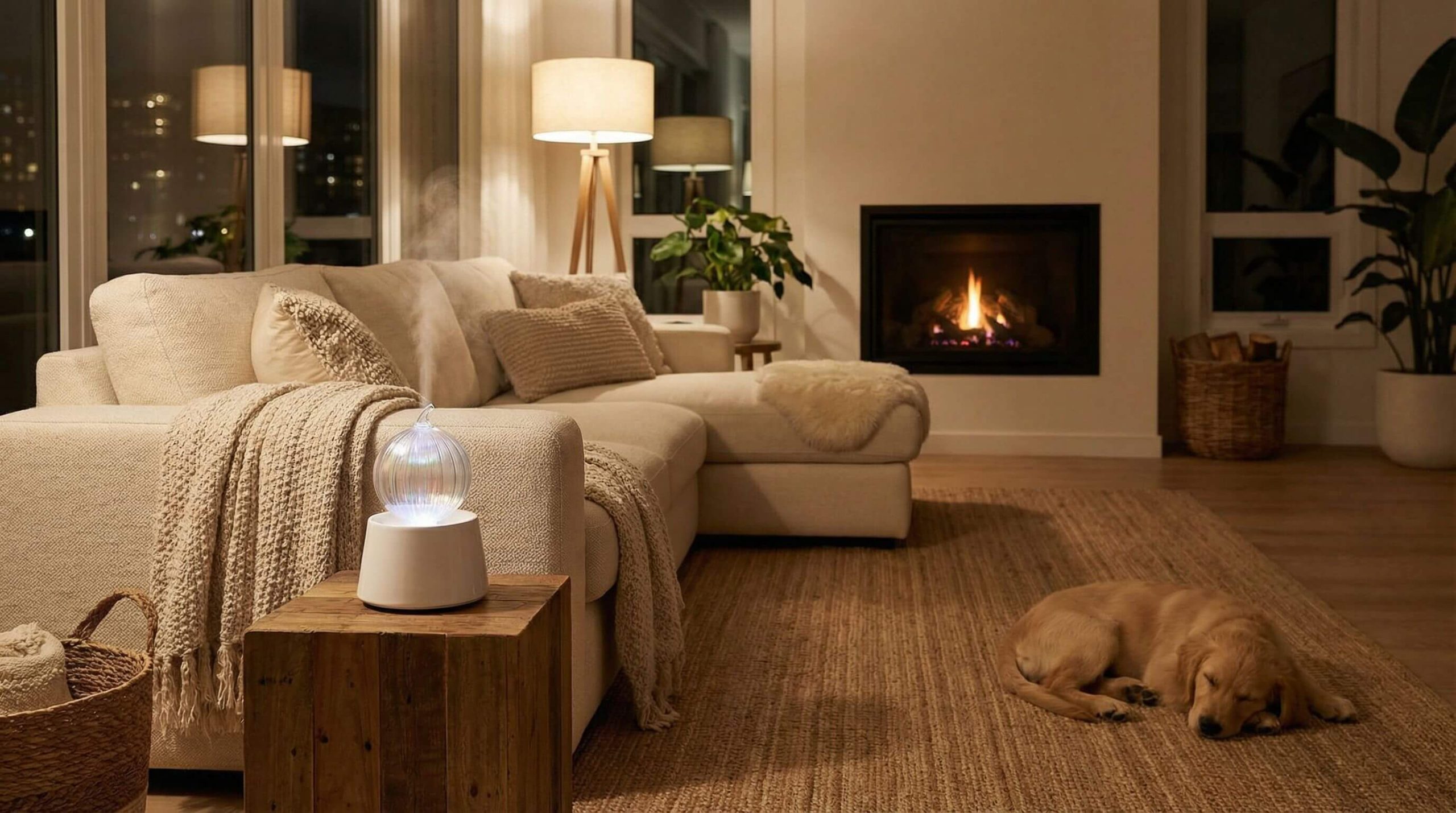
While essential oils are natural, they’re also potent. Keep these safety guidelines in mind for worry-free use.
Pets in the Bedroom
Cats and dogs have more sensitive olfactory systems than humans. If pets share your bedroom, ensure adequate ventilation and keep the door open so they can leave if the scent bothers them. Certain oils—including tea tree, eucalyptus, and pine—should be avoided around cats entirely. Lavender, chamomile, and frankincense are generally considered safer options for pet-friendly households. When in doubt, consult your veterinarian.
Children’s Rooms
For children over 2 years old, use gentler oils (lavender, chamomile, mandarin) at lower concentrations—half or less of the adult recommendation. Never apply essential oils undiluted to children’s skin. Keep diffusers out of reach and use interval timers rather than continuous diffusion. For infants under 2, consult a healthcare provider before any essential oil use.
Pregnancy and Nursing
Many essential oils are safe during pregnancy, but some should be avoided, including clary sage (especially in the first trimester) and rosemary. Lavender and chamomile are generally considered safe for pregnant women when used in moderation. Always consult your healthcare provider before beginning aromatherapy during pregnancy.
Medical Conditions
If you have asthma, allergies, or other respiratory conditions, introduce new essential oils gradually and monitor for reactions. Those taking sedative medications should exercise caution with valerian oil, which may intensify sedative effects. Essential oils are complementary—not replacements for—medical treatment for chronic insomnia.
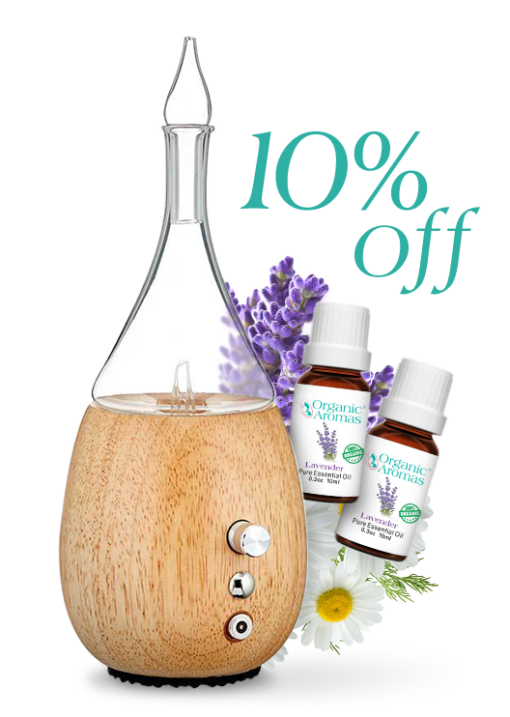
Join Now and Get a Coupon for 10% Off!
Expert Tips for Maximum Sleep Benefits
After years of helping customers optimize their sleep with aromatherapy, we’ve gathered these insider tips for getting the most from your essential oils.
Start Your Wind-Down Earlier
Begin diffusing 45-60 minutes before your target bedtime, not when you climb into bed. This gives the aromatic compounds time to influence your nervous system and signals to your brain that sleep is approaching. Combine with dimming lights and putting away screens for a comprehensive wind-down ritual.
Layer Your Aromatherapy
Combine methods for enhanced effect: diffuse during your evening routine, apply a diluted blend to pulse points, and use a pillow spray just before sleep. This layered approach surrounds you with calming scents from multiple sources. Learn more about blending essential oils effectively for customized results.
Keep a Sleep Journal
Track which oils and blends work best for you. Note the oil(s) used, diffusion time, sleep quality, and how rested you feel in the morning. Everyone’s body chemistry is different—what works wonderfully for one person may be less effective for another. Your journal will reveal patterns and help you optimize your personal sleep aromatherapy protocol.
Rotate Your Oils
While consistency helps build sleep associations, rotating between 2-3 proven blends every few weeks can prevent olfactory fatigue (where your nose becomes less sensitive to a familiar scent). Keep a “deep sleep” blend and an “anxiety relief” blend on hand to match your changing needs.
Choose the Right Diffuser
Not all diffusers are created equal for sleep purposes. Look for models with adjustable output intensity (you want gentle, not overwhelming), interval timers (essential for nighttime use), and whisper-quiet operation. Nebulizing diffusers excel in all these areas while delivering pure, concentrated aromatherapy without the mold risks associated with water-based ultrasonic models. If you’re new to nebulizing diffusers, the Raindrop 3.0 is our most popular model—loved for its reliability and beautiful handcrafted wood base.
Explore more on this topic: essential oil roller for sleep, lavender oil for sleep, essential oils for sleep apnea, essential oils and sleep cycles, lavender essential oil for sleep.
Reclaim Your Nights Naturally
Quality sleep isn’t a luxury—it’s essential for physical health, mental clarity, and emotional wellbeing. The best essential oils for sleep offer a time-tested, research-supported path to better rest without the side effects of pharmaceutical alternatives. Whether you choose calming lavender, grounding cedarwood, or a custom blend tailored to your needs, aromatherapy can transform your relationship with sleep.
Remember that delivery method matters as much as oil selection. For maximum therapeutic benefit, nebulizing diffusers deliver pure, undiluted essential oils exactly as nature intended—no water, no heat, no compromise. Combined with good sleep hygiene and a consistent bedtime routine, aromatherapy can help you fall asleep faster, stay asleep longer, and wake feeling genuinely rested.
Ready to experience the difference pure aromatherapy makes? The Tranquility is perfect for bedrooms with its whisper-quiet operation, while the versatile Raindrop 3.0 remains our best-seller for good reason. Explore our full collection of handcrafted nebulizing diffusers designed to deliver essential oils at their full aromatic potency—because restful nights shouldn’t require anything less than nature’s best.