

Essential Oils for Skin Care: The Dilution Math, Purity, and Sun Chemistry Most Guides Skip
Search essential oils for skin care and you will get the same article a dozen times: a list of oils, a promise that each one fixes a different skin problem, and almost nothing about the two things that actually decide whether those oils help your skin or quietly irritate it. Those two things are how you dilute them and how pure and fresh the bottle really is. Get those right and a handful of well chosen oils can become a lovely part of your routine. Get them wrong and even the most expensive oil can leave skin red, sensitized, or worse after a sunny afternoon.
We make pure essential oils and have spent more than a decade listening to how customers actually use them, so this guide is going to be honest in a way most listicles are not. We will not tell you an oil cures a skin condition, because that is not how cosmetics or aromatherapy work. Instead, you will get the dilution math in real drops, the photosensitivity chemistry that turns a citrus oil into a problem, the purity and oxidation details that matter far more on skin than they do in the air, and a safe routine you can actually follow.
What Essential Oils Really Do for Your Skin (the Honest Version)
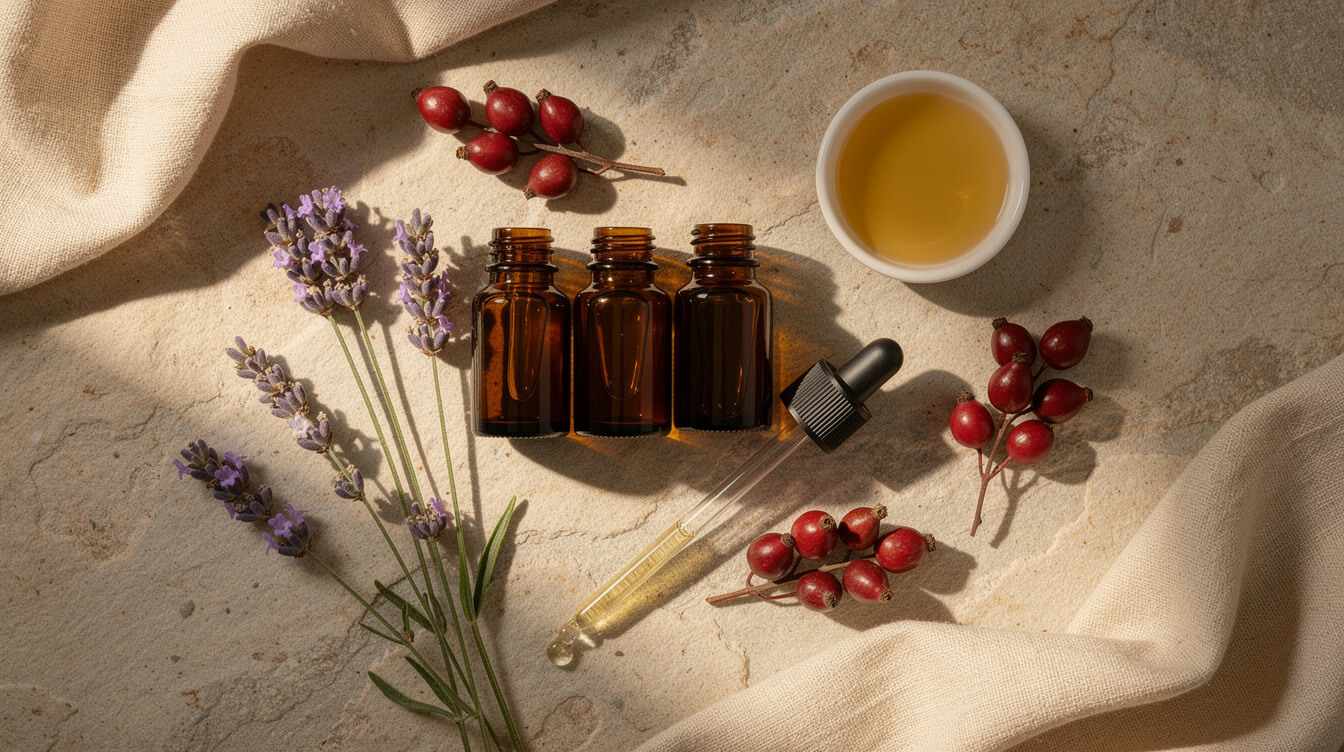
Essential oils are concentrated aromatic extracts, pulled from plants by steam distillation or by cold pressing the peel of a fruit. They are not the same thing as the fatty carrier oils, such as jojoba or argan, that make up the base of a face oil. A carrier oil moisturizes and sits on the skin. An essential oil is volatile and intensely concentrated, which is exactly why it is measured in drops and never poured on neat.
Here is the part the glossy guides skip. When a reputable skincare brand uses essential oils, the concentration is usually around one percent or less of the finished product. At that level the oils mostly contribute scent and a pleasant sensory experience rather than any dramatic change to the skin itself. That is not a knock on essential oils. It is a useful reality check. The realistic, responsible promise is a comforting routine, a beautiful natural scent, and ingredients you can actually pronounce, instead of synthetic fragrance. The unrealistic promise is that a few drops will erase a skin concern overnight.
So when we talk about what oils do for skin, we will stay in cosmetic language: how skin looks and feels, comfort, hydration support from the carrier, and scent. If you want oils that are genuinely worth putting near your face, the first job is making sure they are pure to begin with. Our guide to choosing genuinely pure, non-toxic oils is a good companion to this one.
The Dilution Math Most Guides Skip
Almost every article says “always dilute,” then never tells you what that means in numbers you can use at the counter. So let us fix that. The working rule of thumb is that one milliliter of essential oil is roughly twenty drops. From there, dilution percentage is simply how much essential oil you add to a given amount of carrier oil.
For a standard one ounce bottle of carrier oil, which is about thirty milliliters, the math lands at convenient round numbers. Use this as your reference whenever you blend a face or body oil at home.
| Where you are using it | Safe dilution | Drops per 1 oz (30 ml) carrier |
|---|---|---|
| Facial skin (delicate) | 0.5% to 1% | 3 to 6 drops |
| General body care | 1% to 2% | 6 to 12 drops |
| Targeted spot, short term | up to 3% | up to 18 drops |
| Children, elderly, or sensitive skin | 0.25% to 0.5% | 1 to 3 drops |
Notice how small the face numbers are. Three to six drops in a whole ounce of carrier is a one percent or weaker blend, and that is deliberate. Facial skin is thinner and more reactive than the skin on your arms or legs, so it gets the gentlest treatment. More is not better here. Going heavier does not speed up any benefit, it only raises the odds of irritation and sensitization, which is the slow process of teaching your immune system to react to an ingredient it used to tolerate.
If you want the full breakdown, including how to scale these ratios up for larger batches and which carrier oils suit which skin, read our dedicated essential oil dilution guide. Keep a measuring chart taped inside your cabinet until the numbers become second nature.
Sign Up to Get Your FREE
e-Book Here…
Matching Essential Oils to Your Skin Type
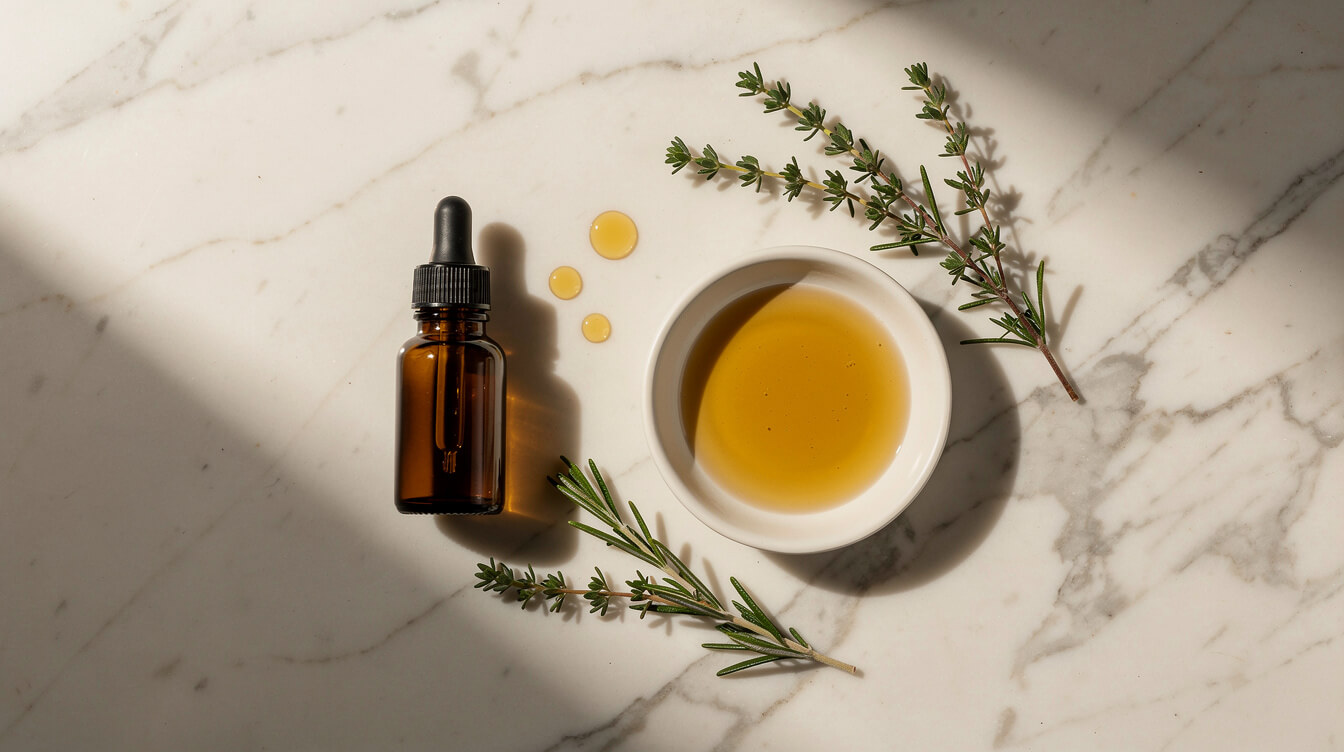
Different oils suit different skin in cosmetic terms, mostly through scent, the sensory feel they give, and how they behave alongside your carrier. Here is a grounded way to match them, with no medical promises attached.
Oily or blemish-prone looking skin
Tea tree and rosemary are the classic picks for skin that looks oily or shiny. They have a crisp, clean scent and a long history of cosmetic use in this context. Clary sage and geranium are gentler aromatic options that many people enjoy in a balancing face oil. Keep all of these at the low end of the dilution chart, one percent or less on the face.
Dry or mature looking skin
Frankincense, sandalwood, and rose are the traditional favorites for skin that feels dry or looks tired, valued as much for their warm, grounding aroma as for the comforting ritual of applying them. They pair beautifully with a richer carrier such as rosehip or argan. If you would rather skip mixing your own blend, a pre-diluted roll-on takes the guesswork out entirely. Our Frankincense Roll-on Essential Oil arrives already blended at a skin-friendly strength, so you simply roll it on and go.
Sensitive or easily reactive skin
If your skin flushes easily, steer toward the mildest, best-tolerated oils, which are usually lavender, frankincense, and sandalwood, and avoid the sharp, highly aromatic ones such as lemongrass, cinnamon bark, and oregano. Cut your dilution in half compared to the chart above and patch test every single time, even with an oil you have used before. Skin changes with seasons, hormones, and age, and so can its tolerance.
Skin is not the only place people reach for these oils. If you are curious about the scalp and hair side of things, our look at essential oils for hair covers what the research actually showed, with the same no-hype approach.
The Photosensitivity Trap: Citrus Oils and Sunlight
This is the single most overlooked safety issue in essential oils for skin care, and it is pure chemistry rather than opinion. Several cold-pressed citrus oils contain furanocoumarins, with a compound called bergapten being the best known. When these molecules sit on your skin and then meet ultraviolet light, they can trigger a phototoxic reaction: a delayed burn, blistering, or dark patches that can linger for months. This is not a maybe. It is a documented and entirely avoidable effect.
The usual offenders are cold-pressed bergamot, lemon, lime, bitter orange, and grapefruit. The practical rules are simple. Do not apply these oils to skin that will see daylight for at least twelve hours, keep them well diluted, or choose a bergapten-free version, often labeled FCF, which has had the troublesome furanocoumarins removed. Steam-distilled citrus oils and most non-citrus oils do not carry this risk in the same way.
Because the chemistry deserves a full explanation, we wrote a deep dive on exactly which oils are risky and why. If you use any citrus oil on your skin, read our guide to phototoxic citrus oils and sun chemistry before your next application. It could save you a genuinely unpleasant reaction.
Join Now and Get a Coupon for 10% Off!
Purity and Freshness: Why the Bottle Matters More on Skin Than in the Air
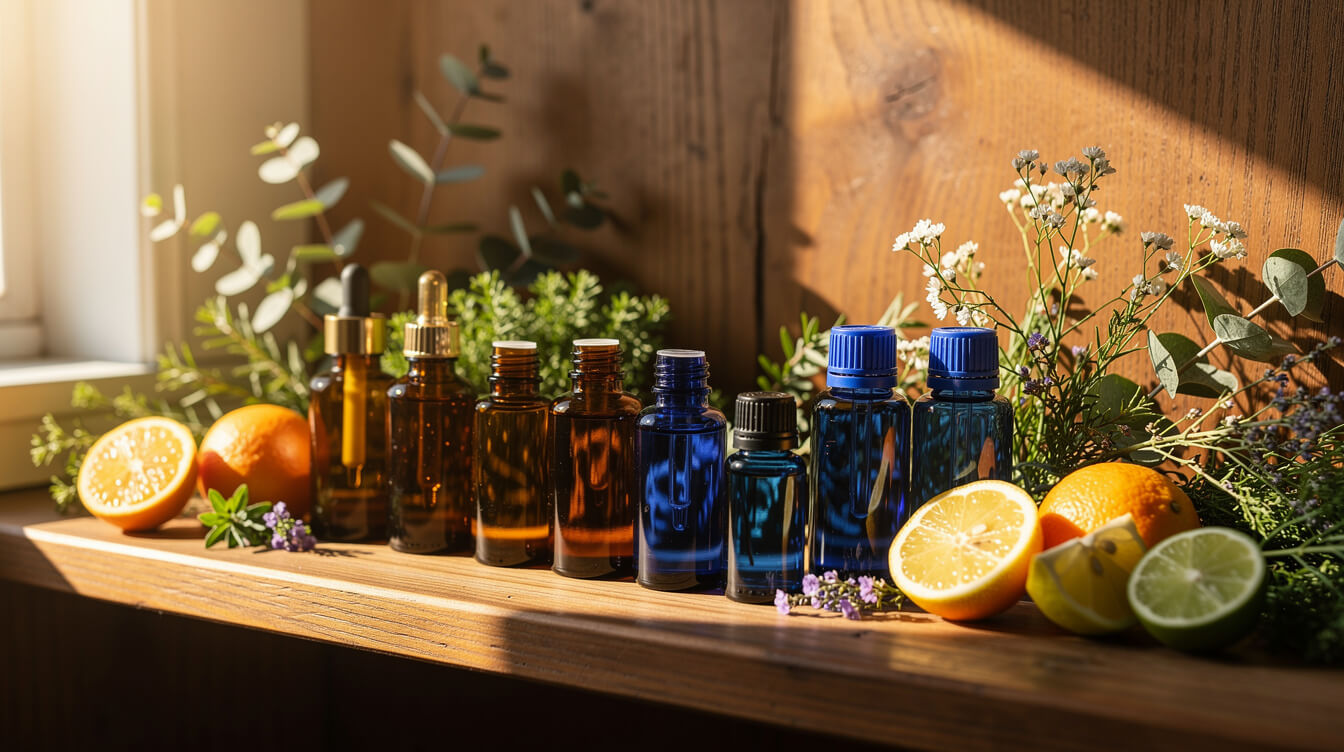
When you diffuse an oil into the air, a little adulteration or age is forgiving. When you put that same oil on your skin, purity and freshness suddenly matter a great deal. Two issues sit at the heart of safe topical use, and most guides mention neither.
Adulteration
A large share of oils sold cheaply are not what the label claims. They are stretched with synthetic aroma chemicals, cheaper plant oils, or undisclosed carriers. On skin, those hidden additives are exactly the kind of thing that provokes irritation and sensitization, and you have no way to dose around an ingredient you cannot see. This is why we lean so hard on third-party testing, including GC-MS analysis that fingerprints what is truly in the bottle. Purity is not a luxury for topical use. It is the safety baseline.
Oxidation
Essential oils are not immortal. Once opened, the lighter molecules in citrus and conifer oils react with oxygen, and some of those oxidation products are far more likely to sensitize skin than the fresh oil was. An old, oxidized bottle of sweet orange is a genuinely different and riskier material than a fresh one, even though it still smells roughly the same. This is why air, heat, and light are the enemies, and why amber glass and a cool cupboard matter. Our guide on whether essential oils expire walks through realistic shelf lives oil by oil.
The short version: buy pure, buy fresh, buy small, and store it properly. For skin, those four habits do more for your safety than any single trendy oil ever could.

Skip the Mixing, Keep the Purity
Our Purity Roll-On arrives pre-diluted at a skin-friendly strength with pure, traceable essential oils. No measuring, no guesswork, just a clean natural scent you can roll on anywhere.
Your Safe-Application Routine (and the No-Risk Alternative)
Once you have a pure, fresh oil and the right dilution, the routine itself is short and worth doing every time.
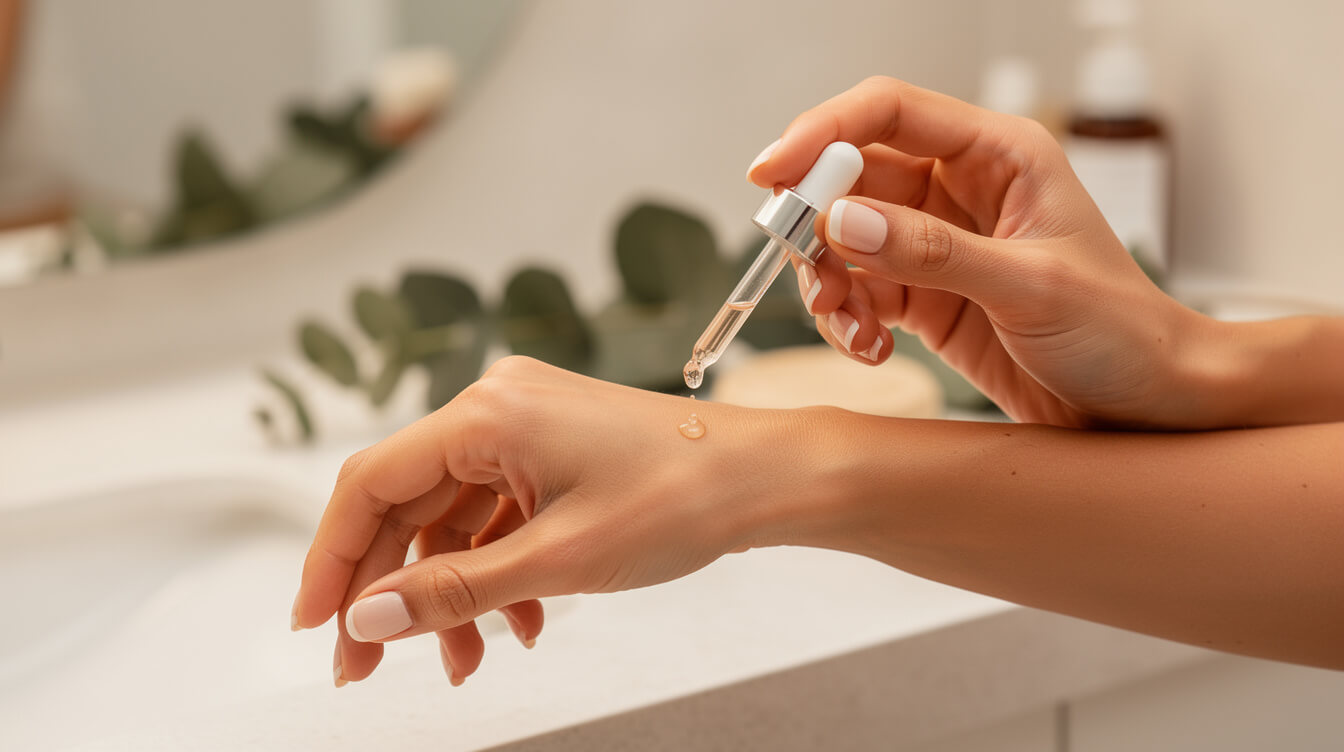
- Patch test first. Apply a small amount of your diluted blend to the inner forearm, then leave it alone for at least twenty-four to forty-eight hours. If you see redness, itching, or bumps, wash it off and skip that oil. Do this even with oils you know.
- Choose the right carrier. Jojoba is light and suits most skin, rosehip feels rich and is loved for the look of mature skin, and fractionated coconut or sweet almond are easy all-rounders. The carrier is most of the blend, so it matters.
- Less, then wait. Start at the lowest dilution on the chart and only adjust upward over weeks, never in a single session.
- Mind the sun. If your blend contains any cold-pressed citrus, apply it at night or keep that skin out of daylight, as covered above.
- Store it dark and cool. Cap tightly, keep it out of the bathroom heat, and write the date you opened it on the bottle.
There is also an honest alternative worth naming. Many people reach for essential oils on their skin when what they really want is the scent and the calm that comes with it. If that is your goal, you can get the full aromatic benefit with zero dilution math and zero skin risk by inhaling the aroma instead of applying it. A Nebulizing Diffuser® disperses pure, undiluted essential oil as a fine aromatic mist using nothing but air pressure, no water and no heat, so the molecules stay intact and your skin stays out of the equation entirely. For mood, ambiance, and a beautiful home scent, inhalation is often the smarter route, and you can read how the technology compares in our breakdown of nebulizing versus ultrasonic diffusion.

Join Our Exclusive Member Club to get Big Discounts!
Essential Oils for Skin Care: Frequently Asked Questions
Can I put essential oils directly on my skin?
No. Essential oils are far too concentrated to use neat, and applying them undiluted is the fastest way to irritate or sensitize skin. Always dilute into a carrier oil first, using the drop chart above, and patch test before wider use.
What is the safest dilution for the face?
For facial skin, stay at one percent or weaker, which is about three to six drops of essential oil per ounce of carrier oil. Sensitive skin should go even lower, around one to three drops per ounce.
Which essential oils should I avoid before sun exposure?
Cold-pressed citrus oils such as bergamot, lemon, lime, bitter orange, and grapefruit can be phototoxic. Avoid applying them to skin that will see daylight for at least twelve hours, or choose a bergapten-free, FCF-labeled version.
Do essential oils for skin care expire?
Yes. Once opened they slowly oxidize, and oxidized oils are more likely to irritate skin than fresh ones. Citrus and conifer oils age fastest. Buy small bottles, store them cool and dark, and note the date you opened them.
Are pure essential oils worth the higher price for skin?
For topical use, purity is the safety baseline rather than a luxury. Cheap, adulterated oils can hide synthetic additives that provoke reactions, so for anything touching your skin, third-party tested oils are the sensible choice.
Final Thoughts
The best approach to essential oils for skin care is also the calmest one. Skip the miracle claims, respect the dilution math, choose oils that are genuinely pure and fresh, and treat citrus and sunlight with care. Do that, and these oils become a small, pleasant ritual rather than a gamble. And when your real goal is scent and atmosphere rather than a skincare result, remember that breathing in a pure aroma through a Nebulizing Diffuser® gives you all of the sensory reward with none of the skin risk. Whatever you choose, let purity be the thing you never compromise on.