


Are Essential Oil Diffusers Safe? What the Research Says and Why the Method Matters
If you have ever paused before switching on an essential oil diffuser and wondered whether it is really safe to breathe, you are asking exactly the right question. Are essential oil diffusers safe? For most healthy adults, yes, as long as you use pure oils, keep your sessions short, and choose the right type of device. But the honest answer has real nuance, and most guides skip the part that matters most: the way an oil is put into the air changes what you actually inhale. This guide walks through what the research shows, where the genuine risks are, and how to diffuse in a way that stays gentle on your lungs, your pets, and your home.
Are Essential Oil Diffusers Safe? The Short, Honest Answer
For a healthy adult using pure, well-stored essential oils in a ventilated room, diffusing is widely considered low risk. The nuance is that essential oils are highly concentrated aromatic compounds, and “natural” does not automatically mean “inert.” The American Lung Association points out that essential oils in the United States are not regulated, which means there is no oversight guaranteeing what is actually in each bottle, its concentration, or its contaminants. That single fact explains most of the safety debate you see online. A pure, single-origin oil behaves very differently from a synthetic blend of unknown composition.
It also helps to separate two things people lump together: skin safety and inhalation safety. Most scary essential oil stories involve undiluted oil applied to skin, swallowed, or given to a pet directly. Diffusing is a much lower dose delivered to the air, which is why the same oil can be risky neat and perfectly pleasant as a light aroma. The goal of this guide is inhalation safety specifically.
So the real question is not whether diffusers are dangerous, but which variables you control. Three matter most:
- The oil you choose. Pure and traceable, or a mystery fragrance blend. If you are unsure how to tell, our guide on how to judge real essential oil purity breaks it down.
- How long you run it. A short, intentional session is very different from all-day exposure.
- The method that puts it in the air. Heat, water mist, and cold nebulization each change the outcome, as you will see below.
What the Research Actually Says About Diffuser Safety
Sign Up to Get Your FREE
e-Book Here…
Here is the jewel most articles gloss over. Concentrated essential oils release volatile organic compounds (VOCs) as they evaporate, and inhaling VOCs can affect the respiratory system, especially for sensitive people. In one 2022 population study of 200 individuals, researchers observed that participants who inhaled essential oils for one hour or more each day had a higher heart rate, higher blood pressure, and a lower lung function rate than those who did not. That is not a reason to fear a short evening session. It is a strong reason to avoid diffusing continuously, all day, in a closed room.
A second finding is easy to miss: when certain VOCs mix in indoor air, they can form secondary pollutants such as formaldehyde, a known nose, throat, and lung irritant. This reaction is more likely in warm, stuffy, poorly ventilated rooms, which is precisely where people tend to run a diffuser for hours. Ventilation is what keeps those byproducts from building up. And if you diffuse hoping to disinfect a room, the evidence is humbling. The antimicrobial effect of oils like tea tree appears to last only during the first 30 to 60 minutes after evaporation begins, so continuous diffusing for “disinfection” mostly just raises your VOC exposure without the payoff.
None of this contradicts the calming, mood-lifting experience so many people value in aromatherapy. It simply reframes it. The takeaway is consistent across the research: dose and duration are the levers, not fear of the oil itself. A short, well-ventilated session with a pure oil sits at the safe end of every one of these findings, while an all-day session in a sealed room sits at the risky end. You get to decide which one you run.
Why the Type of Diffuser Changes the Safety Equation

The biggest safety variable most guides ignore is the delivery method. Four common approaches each carry a different profile:
- Heat diffusers and oil warmers. Warming an oil changes its chemistry and can degrade the delicate compounds you paid for, sometimes producing a flatter, cooked-smelling aroma.
- Ultrasonic water diffusers. These mix a few drops of oil into a water tank and mist it. The tank is the weak point. Standing water can grow bacteria and mold that then get aerosolized into the air you breathe, which is exactly the concern we cover in diffuser vs humidifier.
- Reed and evaporative diffusers. Gentle and passive, but weak, uneven, and hard to control.
- Nebulizing diffusion. Uses pressurized air and Bernoulli’s Principle to atomize pure, undiluted oil into an ultra-fine mist. No water and no heat.
The heat point deserves a closer look, because it affects both safety and scent quality. Many of the bright, uplifting compounds in citrus and herbal oils are the lightest and most volatile, which means they are the first to be altered or driven off when an oil is warmed. A cold method preserves that delicate top-note structure, so you smell the oil as nature made it rather than a cooked approximation. This is the same reason our longtime customers report that pulsed, cold nebulizing gives a cleaner, truer aroma from fewer drops.
This is exactly why we build our handcrafted Nebulizing Diffuser® without a water tank or a heating element. With no standing water, there is nothing for mold or bacteria to colonize. With no heat, the oil’s aromatic profile reaches the air intact. You can see the full range in the Nebulizing Diffuser® Collection. One honest caveat: because nebulizing delivers pure oil, the aroma is stronger, so short bursts are not just a nicety, they are the correct way to use it. If you are weighing options, our comparison of an essential oil diffuser vs a candle covers the combustion side of the question too.
The Most Common Diffuser Safety Mistakes (and Simple Fixes)

Sign Up to Get Your FREE Pets
e-Book Here…
Almost every safety problem traces back to a handful of habits. Here are the ones worth correcting today:
- Running it all day. Continuous diffusing is where overexposure headaches, nausea, and airway irritation start. Fix: work in short pulses, roughly 15 to 60 minutes on, then an equal break.
- Using synthetic or adulterated oils. Unknown fragrance chemicals are the real risk, not pure botanicals. Fix: buy pure, single-origin oils from a transparent source.
- Poor ventilation. A sealed room lets VOCs and any secondary byproducts accumulate. Fix: crack a window or run it in an open space.
- Over-oiling a small room. More drops is not more benefit. Fix: start low and add only if needed.
- Never cleaning the device. Residue and, in water units, biofilm build up fast. Fix: clean on a schedule. Our walkthrough on how to clean an essential oil diffuser covers the waterless method.
- Ignoring the people in the room. Strong odors can act as irritants for anyone with asthma or COPD. Fix: keep the concentration light and let sensitive individuals set the pace.
Are Essential Oil Diffusers Safe Around Pets, Children, and Sensitive Lungs?
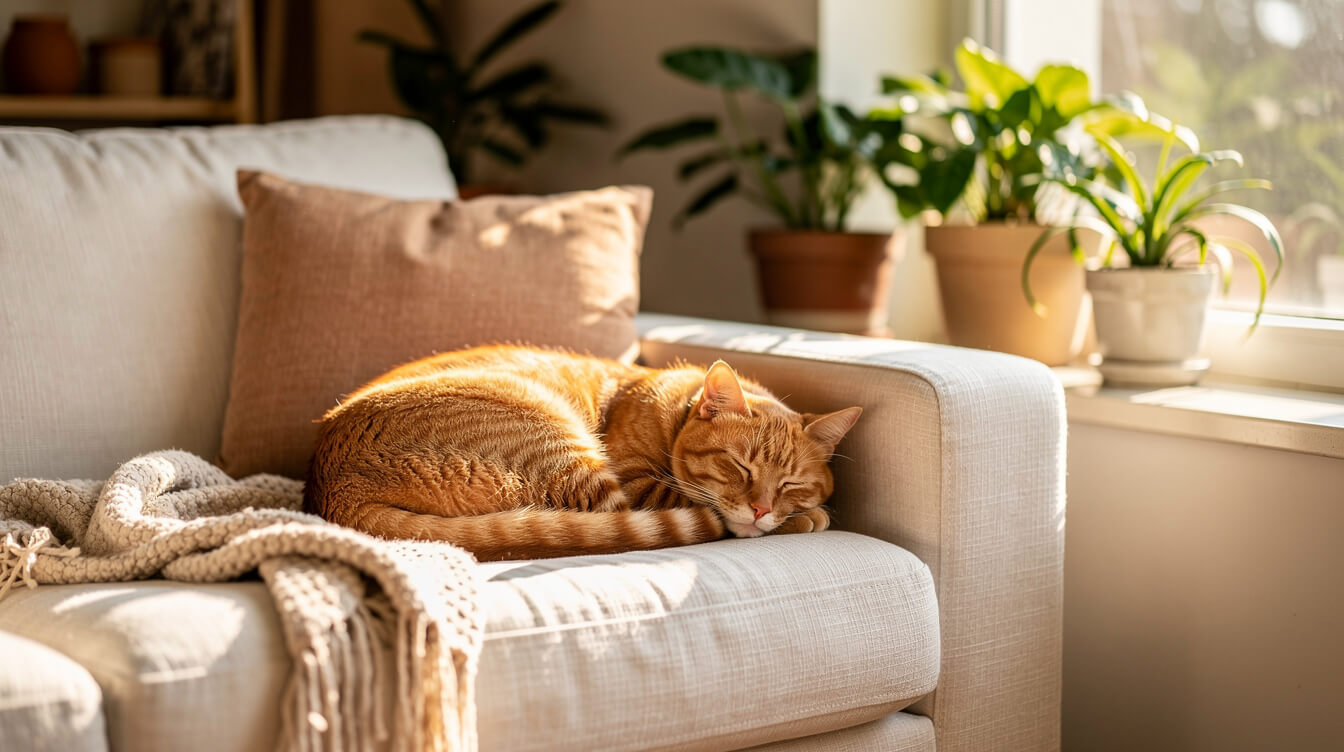
This is where “used properly” earns its weight. Cats are the clearest example. They lack the liver enzyme glucuronyl transferase that humans use to break down certain compounds, such as phenols and some monoterpenes, so oils that clear our systems easily can build up in theirs. That does not mean you can never diffuse around a cat, but it does mean short, light, well-ventilated sessions in a room your cat can freely leave. Our detailed guide on what essential oils are safe for cats goes deeper, and birds are even more sensitive because of their efficient respiratory systems.
Dogs handle essential oils better than cats but are not immune, especially small breeds and puppies. The same principles apply: keep it light, keep it short, keep the room open, and never let a pet lick or knock over an oil bottle, since direct contact is where the real danger lives. Watch for signs like drooling, sneezing, or a pet actively leaving the room, and treat those as the clearest feedback you can get.
For infants and nurseries, less is genuinely more: keep sessions brief, keep the room airy, and avoid strong oils around very young children. If you are pregnant, our overview of essential oils that are considered safe during pregnancy is a good starting point, and checking with your doctor is always the right move. And for anyone with reactive airways, the rule is the same one the research keeps pointing to: gentle concentration, good airflow, and short sessions.
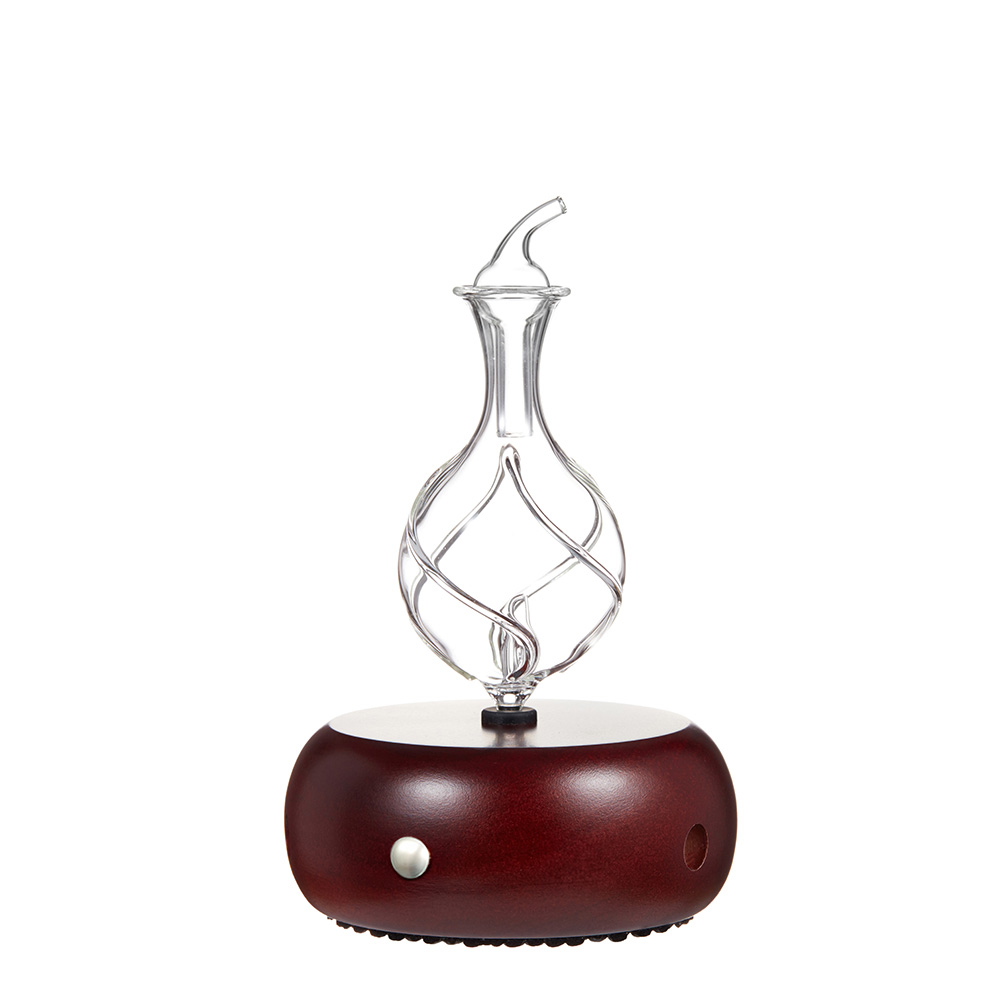
Pure Aromatherapy, No Water and No Heat
The Radiance Smart Nebulizing Diffuser® atomizes pure, undiluted essential oil with pressurized air. No standing water for mold to colonize, no heat to degrade the oil, and a built-in timer so short, gentle sessions are effortless.
How to Use an Essential Oil Diffuser Safely: A Practical Checklist

Join Our Exclusive Member Club to get Big Discounts!
Pull it all together and safe diffusing becomes simple. Run through this checklist and you have covered the variables that actually matter:
- Choose pure, single-origin oils from a source that shares its testing.
- Diffuse in short bursts rather than continuously.
- Keep the room ventilated with a cracked window or open door.
- Start with fewer drops and adjust up only if you need to.
- Give pets and small children a room they can leave.
- Clean your device on a regular schedule.
- When you can, choose a waterless, no-heat method so there is no tank to grow mold and no heat to alter the oil.
None of this asks you to give up aromatherapy. It simply moves you from diffusing on autopilot to diffusing with intention, which is where the calm, sensory payoff lives without the downsides.
Frequently Asked Questions
Is it safe to sleep with a diffuser on all night?
It is gentler to run it as you wind down and let it switch off rather than diffusing for eight straight hours. All-night exposure is the kind of long-duration use the research flags. A Smart Nebulizing Diffuser® with a built-in timer makes this effortless, filling the room before sleep and shutting off on its own.
Are essential oil diffusers safe for babies?
Use real caution. Keep any diffusing very light, very brief, and in a well-ventilated space, avoid strong oils around infants, and check with your pediatrician first. Many families simply skip diffusing in a nursery.
Can essential oil diffusers cause breathing problems?
For sensitive individuals, concentrated VOCs and strong odors can irritate the airways and trigger coughing or shortness of breath, particularly with asthma or COPD. Good ventilation, light concentration, and short sessions dramatically lower that risk.
Are waterless diffusers safer than water-based ones?
A waterless nebulizing method removes the standing-water mold and bacteria risk entirely and delivers pure oil without heat. Both types can be used safely with good habits, but waterless removes one whole category of concern.
How long should I run an essential oil diffuser?
Short is smart. Sessions of roughly 15 to 60 minutes with breaks in between give you the aroma and mood you want while keeping your total daily exposure low.