



Essential Oils for Spider Repellent: 10 Proven Oils That Keep Spiders Away
If you’ve ever walked face-first into a cobweb or discovered an eight-legged visitor lurking in the corner of your bathroom, you know the feeling — that instant recoil and the urgent desire for a spider-free home. While chemical pesticides offer one solution, they come with harsh fumes, toxic residues, and environmental concerns that make many homeowners think twice. The good news? Essential oils for spider repellent offer a remarkably effective natural alternative that smells wonderful while keeping arachnids at bay.
Research published in the Journal of Economic Entomology confirms that certain essential oil compounds — particularly menthol from peppermint — create a powerful sensory barrier that spiders actively avoid. With approximately 74% of American homeowners encountering spiders annually, this natural approach is gaining serious traction among wellness-conscious families who want pest control without compromise.
In this comprehensive guide, we’ll explore the 10 most effective essential oils for spider repellent, share proven DIY recipes, and reveal a room-by-room strategy that transforms your entire home into a spider-free sanctuary — all while filling your space with gorgeous, therapeutic aromas.
Why Essential Oils Work as Spider Repellents

Unlike humans who smell through nasal receptors, spiders experience their chemical environment through specialized sensory organs called chemoreceptors located on their legs and pedipalps. When a spider walks across a surface treated with essential oils, these receptors become overwhelmed by the concentrated aromatic compounds — creating what researchers describe as “sensory overload” that disrupts normal behavior.
The key compounds responsible for this repellent effect include:
Menthol and menthone (found in peppermint oil) — These monoterpenes create an intensely cool, sharp sensation that overwhelms spider chemoreceptors. Studies show peppermint oil achieves 80–85% effectiveness against common house spiders.
Eucalyptol (1,8-cineole) — The primary compound in eucalyptus oil, it disrupts spiders’ ability to detect pheromone trails and navigate familiar pathways.
Linalool — Present in lavender and several other oils, linalool interferes with spider neurotransmitter activity, making treated areas deeply uncomfortable for arachnids.
Cedrol and cedrene — Found in cedarwood essential oil, these compounds have been used as natural insect deterrents for centuries.
It’s important to understand that essential oils work as repellents, not insecticides. They don’t kill spiders — they create an aromatic boundary that spiders choose to avoid. This makes them an ideal solution for those who want a natural pest management approach that’s gentle on the ecosystem while still powerfully effective.
The 10 Best Essential Oils for Spider Repellent

Not all essential oils are created equal when it comes to repelling spiders. Based on published research and field testing, here are the 10 most effective options ranked by proven efficacy:
1. Peppermint Essential Oil — The Gold Standard
Peppermint essential oil is the most scientifically studied spider repellent among essential oils. Its high menthol content (35–45%) creates an intensely aromatic barrier that spiders find unbearable. Research confirms it strongly repels multiple spider species across different families, making it the single most versatile choice for whole-home spider control.
2. Eucalyptus Essential Oil
Rich in eucalyptol, eucalyptus essential oil delivers a fresh, camphoraceous scent that disrupts spider navigation patterns. It’s particularly effective near entry points like windowsills and door frames, where its clean aroma doubles as a natural air freshener.
3. Tea Tree Essential Oil
Tea tree essential oil contains terpinen-4-ol, a powerful compound with both antiseptic and repellent properties. Its sharp, medicinal aroma is highly effective at deterring spiders while also keeping the area naturally sanitized — perfect for bathrooms and kitchens where spiders commonly appear.
4. Lavender Essential Oil
Lavender essential oil is the ideal choice for bedrooms and living spaces where you want spider repellent properties without an overpowering scent. Its linalool content deters arachnids while promoting relaxation and restful sleep — a beautiful dual benefit that chemical sprays simply cannot offer.
5. Cedarwood Essential Oil
Cedarwood essential oil has been a natural pest deterrent for centuries — there’s a reason cedar chests protect clothing from moths and insects. The cedrol and cedrene compounds are equally effective against spiders. Its warm, woody aroma makes it particularly suited for closets, basements, and storage areas.
6. Rosemary Essential Oil
Rosemary essential oil contains camphor and 1,8-cineole, both potent spider deterrents. Its herbaceous, energizing scent works beautifully in kitchens and home offices where you want a refreshing atmosphere that also keeps crawlers at bay.
7. Cinnamon Essential Oil
Cinnamon essential oil delivers cinnamaldehyde, a compound that creates a strong deterrent barrier. Its warm, spicy aroma is especially effective near entry points and during fall and winter months when spiders commonly seek indoor shelter.
8. Thyme Essential Oil
Thyme essential oil is rich in thymol, a phenolic compound with powerful repellent properties. It’s particularly effective in concentrated applications like cotton ball spot treatments placed in spider-prone corners and crevices.
9. Lemongrass Essential Oil
Lemongrass essential oil contains citral and geraniol, compounds that spiders find highly aversive. Its bright, citrusy aroma pairs wonderfully with peppermint in blended spider repellent sprays and adds an uplifting quality to treated spaces.
10. Sweet Orange Essential Oil
Sweet orange essential oil rounds out our list with its d-limonene content, a natural solvent that dissolves spider-attracting residues while leaving behind a cheerful citrus scent. Note that while citrus oils work well in blends, standalone lemon oil has shown limited spider-repelling effectiveness in controlled studies — making sweet orange (with its higher d-limonene concentration) the better citrus choice.

Join Now and Get a Coupon for 10% Off!
How to Use Essential Oils to Repel Spiders
There are several proven methods for applying essential oils as spider repellents. Each method offers different advantages depending on the space and desired coverage.
Nebulizing Diffuser Method (Best for Whole-Room Coverage)
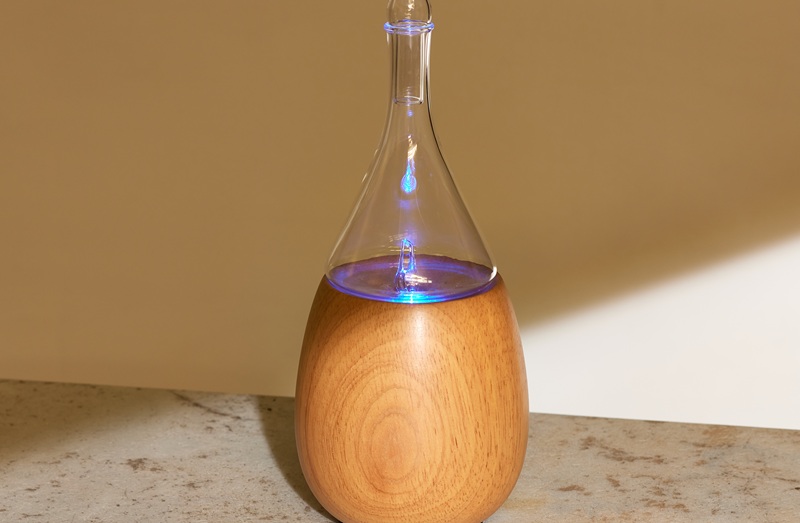
A nebulizing diffuser is the most effective way to disperse essential oils throughout an entire room. Unlike ultrasonic diffusers that dilute oils with water, nebulizing technology breaks pure essential oil into a micro-fine mist, preserving the full potency of spider-repelling compounds like menthol and eucalyptol.
The Raindrop 3.0 Nebulizing Diffuser is ideal for this purpose — its adjustable intensity lets you dial in the perfect concentration for spider prevention, while the handcrafted wood base adds elegance to any room. For larger spaces, the Magnificent Nebulizing Diffuser covers up to 800 square feet, creating a comprehensive aromatic barrier throughout open floor plans.
Run your diffuser with peppermint or eucalyptus oil for 30–60 minutes daily, especially during the evening when spiders are most active. This maintains a consistent aromatic presence that discourages spiders from establishing webs.
Spray Method (Best for Targeted Application)
DIY essential oil sprays are excellent for treating specific entry points — window frames, door thresholds, baseboards, and any cracks or crevices where spiders might enter. Apply every 1–2 weeks for sustained protection, and more frequently during peak spider season (late summer through fall).
Cotton Ball Method (Best for Spot Treatment)
Soak cotton balls in diluted essential oil and place them in strategic locations: behind furniture, inside closets, in garage corners, and beneath sinks. This method delivers concentrated, long-lasting repellent action in the exact spots where spiders tend to hide. Replace cotton balls weekly for consistent effectiveness.
Carrier Oil Application (Best for Surfaces)
Mix 10–15 drops of essential oil with 2 tablespoons of a carrier oil (like jojoba or sweet almond) and apply directly to windowsills, door frames, and baseboards. The carrier oil helps the essential oil adhere to surfaces longer, extending the repellent effect to 2–4 weeks between applications.
DIY Spider Repellent Recipes
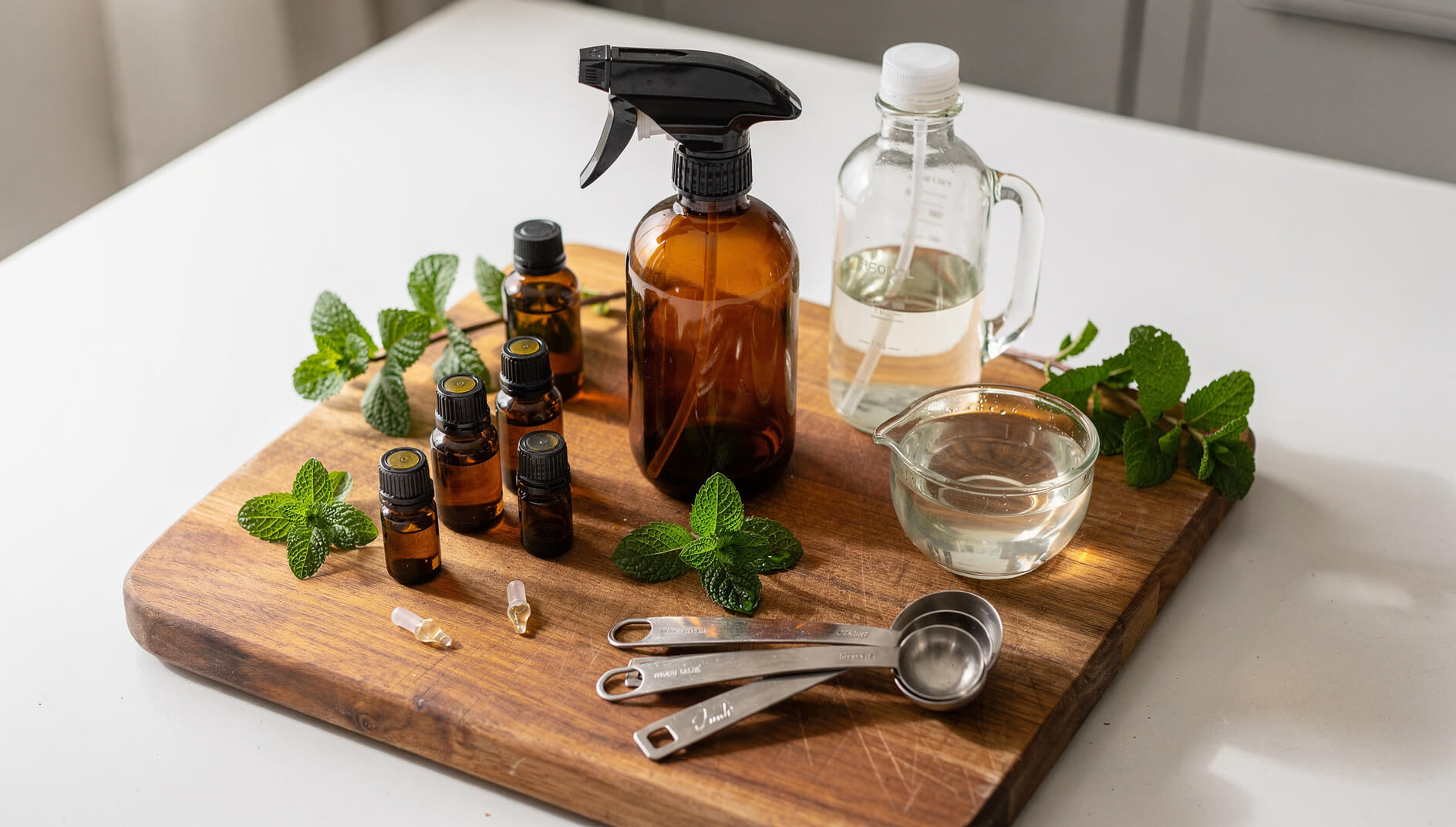
These tried-and-tested recipes use the most effective essential oils for spider repellent, combining them into powerful blends for different applications.
Classic Peppermint Spider Spray
This is the simplest and most popular recipe for immediate spider deterrence:
• 16 oz glass spray bottle
• 15 drops peppermint essential oil
• 5 drops tea tree essential oil
• 1 teaspoon liquid dish soap
• Filtered water to fill
Shake well before each use. Spray along window frames, doorways, baseboards, and any areas where you’ve noticed spider activity. Reapply every 7–10 days.
Maximum Strength Triple-Oil Barrier Spray
For persistent spider problems or high-traffic entry points:
• 16 oz glass spray bottle
• 10 drops peppermint essential oil
• 8 drops tea tree essential oil
• 7 drops eucalyptus essential oil
• 4 oz rubbing alcohol (helps oils disperse evenly)
• 4 oz filtered water
• 1 teaspoon liquid dish soap
The alcohol base helps the oils disperse more evenly and dry faster on surfaces. This is our strongest spray recipe — ideal for garages, basements, and exterior door frames.
Calming Bedroom Spider Shield Blend
Perfect for bedrooms where you want spider protection without overwhelming scent:
• 8 drops lavender essential oil
• 5 drops cedarwood essential oil
• 3 drops peppermint essential oil
Add this blend to your Tranquility Nebulizing Diffuser and run for 30 minutes before bedtime. The lavender promotes restful sleep while all three oils work together to keep spiders from setting up camp overnight.
Seasonal Defense Diffuser Blend
Ideal for fall when spiders move indoors seeking warmth:
• 6 drops peppermint essential oil
• 4 drops cinnamon essential oil
• 3 drops sweet orange essential oil
• 2 drops rosemary essential oil
This blend doubles as a gorgeous autumn aromatherapy experience — warm cinnamon and sweet orange create a cozy atmosphere while the peppermint and rosemary deliver serious spider-repelling power.
Sign Up to Get Your FREE
e-Book Here…
Room-by-Room Spider Prevention Strategy
A comprehensive approach treats your entire home as an aromatic defense zone. Here’s how to apply essential oils for spider repellent in each area of your home:
Living Room and Common Areas — Run a Raindrop 3.0 Nebulizing Diffuser with peppermint or eucalyptus for 30–60 minutes daily. Place cotton balls with cedarwood oil behind furniture and in corners. Spray window frames and baseboards weekly.
Bedrooms — Use the Calming Bedroom blend (lavender, cedarwood, peppermint) in a Tranquility diffuser before bedtime. Tuck cedarwood-soaked cotton balls into closet corners and under bed frames. Spray window frames with the classic peppermint spray.
Kitchen — Focus on tea tree and rosemary sprays around cabinet edges, under the sink, and near exterior doors. These oils complement cooking aromas while repelling spiders. Avoid spraying directly on food preparation surfaces.
Bathrooms — Apply tea tree and eucalyptus spray around pipe openings, window frames, and ventilation grates. Bathrooms are prime spider territory due to moisture — consistent treatment every 5–7 days is key.
Basement and Garage — These areas need the strongest approach. Use the Maximum Strength Triple-Oil spray generously around foundations, windows, and storage areas. Place multiple cedarwood cotton balls every 6–8 feet along the perimeter. Consider a Magnificent diffuser for basements, as its coverage area handles large, open spaces effectively.
Exterior Entry Points — Spray the outdoor perimeter of doors and windows with the alcohol-based blend. Apply carrier oil mixtures to exterior windowsills and door frames for longer-lasting protection against outdoor spiders seeking entry. Learn more about natural pest prevention strategies in our guide to keeping spiders away with essential oils.
Safety Considerations for Pets and Children
While essential oils are far gentler than chemical pesticides, responsible use around pets and children is essential. Here’s what you need to know:
Cats — Cats lack the liver enzyme (glucuronyl transferase) needed to metabolize certain essential oil compounds. Avoid using tea tree, peppermint, and cinnamon oils where cats can directly contact treated surfaces. Instead, opt for lavender and cedarwood, which are generally better tolerated. Always place diffusers in well-ventilated areas where cats can leave the room freely. For a detailed guide, read our article on which essential oils are safe for cats.
Dogs — Dogs are generally more tolerant of essential oils than cats, but keep all concentrated oils and sprays away from areas where dogs eat, drink, or rest. Avoid letting dogs lick treated surfaces. Peppermint oil, while effective against spiders, can be a mint irritant for some dogs if exposure is high — use moderate concentrations and ensure good ventilation.
Children — Keep essential oil sprays and concentrated oils out of reach of children. When using diffusers in children’s rooms, choose mild oils like lavender at lower concentrations. Never apply undiluted essential oils directly to skin without proper dilution, and avoid using essential oils around infants under 6 months of age.
General Safety Tips:
• Always dilute essential oils properly before applying to any surface
• Store concentrated oils in childproof, dark glass bottles
• Use in well-ventilated spaces
• Never apply essential oils directly to pet fur or skin
• If any family member or pet shows sensitivity (sneezing, eye irritation, lethargy), reduce concentration or switch to a different oil

Sign Up to Get Your FREE Essential Oils e-Book Here
Expert Tips for Maximum Spider-Repelling Results

After years of testing and refining natural spider repellent methods, here are the expert-level tips that make the biggest difference:
Consistency beats intensity. A moderate amount of essential oil applied regularly (weekly sprays, daily diffusing) outperforms a one-time heavy application. Spiders are persistent — your aromatic barrier needs to be equally persistent. Set a weekly “spider spray day” to maintain protection year-round.
Combine methods for layered defense. Use a nebulizing diffuser for ambient protection, spray for entry points, and cotton balls for hidden corners. This multi-layered approach covers far more territory than any single method alone. The Aurora Nebulizing Diffuser makes a beautiful addition to any room while providing that consistent ambient barrier.
Target spider season proactively. Spiders typically move indoors during late August through October as temperatures drop. Begin your essential oil regimen 2–3 weeks before this period to establish your aromatic boundary before spiders start seeking entry. Increase application frequency during peak season.
Quality matters more than quantity. Pure, therapeutic-grade essential oils contain significantly higher concentrations of active repellent compounds than synthetic fragrances or adulterated oils. A few drops of high-quality peppermint oil will outperform an entire bottle of cheap, diluted alternatives. Learn about the different types of diffusers and why nebulizing technology delivers superior aromatic potency.
Remove spider attractants. Essential oils are most effective as part of a holistic approach. Reduce outdoor lighting near windows (which attracts insects that spiders prey on), seal cracks and gaps, remove clutter and woodpiles near your home’s foundation, and keep indoor spaces clean and decluttered. When combined with consistent essential oil application, these habits create an environment spiders simply have no reason to enter.
Rotate your oils periodically. Some evidence suggests that spiders may become accustomed to a single oil over time. Alternating between peppermint, eucalyptus, and tea tree every few weeks keeps your repellent barrier unpredictable and effective. Explore our complete selection of pure essential oils to build your rotation.

Join Our Exclusive Member Club to get Big Discounts!
For tips on repelling all types of pests with aromatherapy, check out our complete guide to essential oils and insects.
Create Your Spider-Free Sanctuary Naturally
Essential oils for spider repellent offer something chemical pesticides never can — a home that smells extraordinary while naturally discouraging eight-legged visitors. From peppermint’s proven menthol barrier to lavender’s calming bedtime protection, these botanical solutions transform pest control from a chore into a wellness ritual.
The key to success is consistency: weekly sprays, daily diffusing, and strategic spot treatments create a comprehensive aromatic shield that spiders learn to avoid entirely. Combined with our DIY recipes and room-by-room strategy, you have everything you need to maintain a spider-free home through every season.
Ready to experience the difference a quality essential oil diffuser makes? Explore our collection of handcrafted nebulizing diffusers designed to deliver pure essential oils at their full aromatic potency — giving you the most effective natural spider repellent delivery system available.