

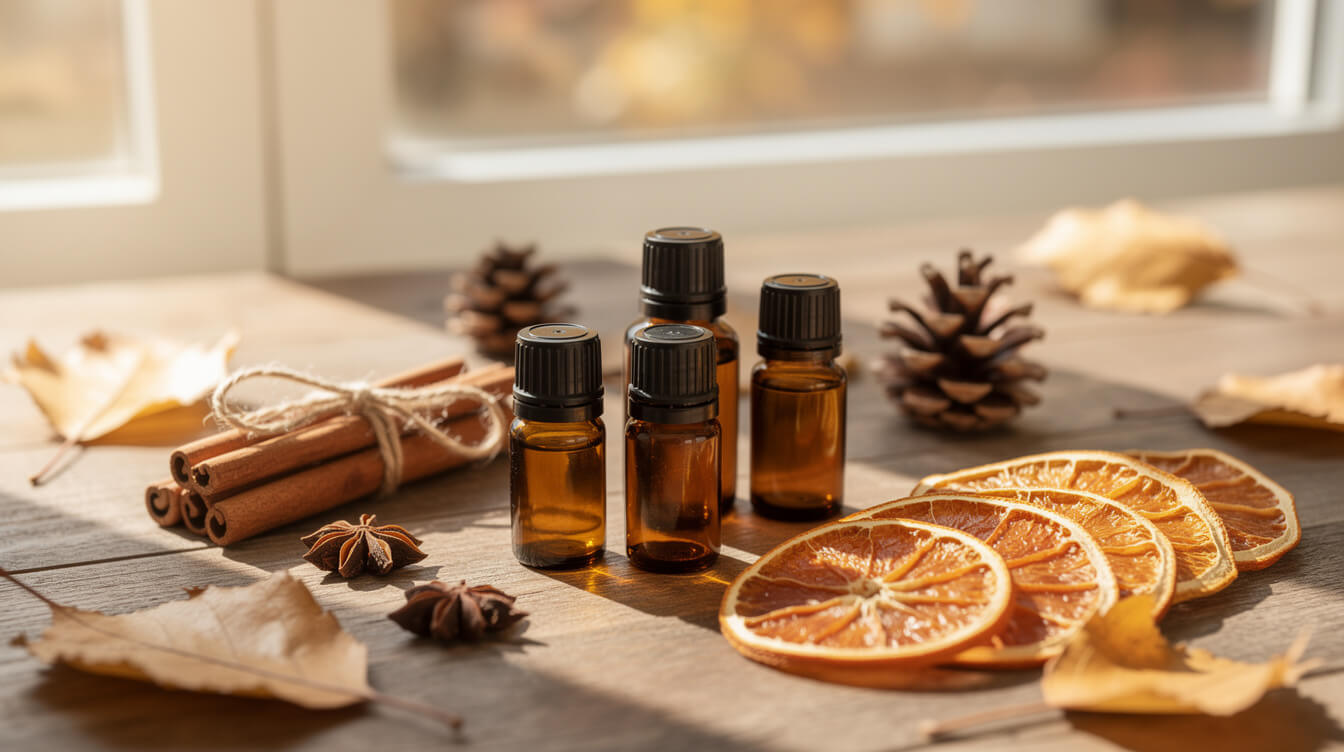
Cinnamon Essential Oil: The Complete Diffusion Guide (Chemistry, Safe Ratios & Autumn Blends)
Cinnamon essential oil brings a warm, spicy-sweet note to autumn aromatherapy — but almost everything written about it focuses on rubbing it into your skin, not breathing it into your room. That’s a gap, because cinnamon’s two hero aromatic compounds, cinnamaldehyde and eugenol, behave very differently in a diffuser than they do on a cotton ball. This guide covers what the skin-care blogs skip: which type of cinnamon oil to buy, how heat changes its aroma profile, exactly how many drops is safe to diffuse, and five autumn blend ratios drawn from Organic Aromas’ twelve years of customer blending data.
Cinnamon Bark vs. Cinnamon Leaf Essential Oil: The Cinnamaldehyde and Eugenol Difference
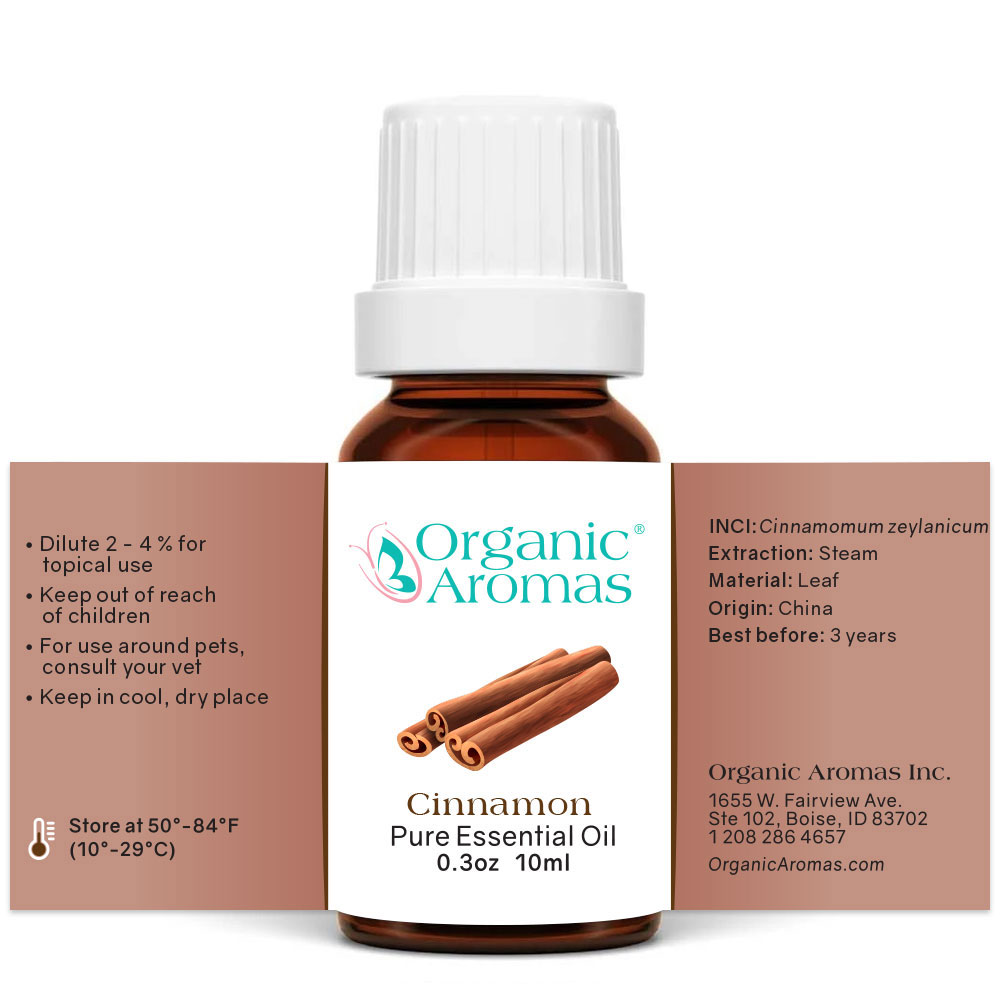
“Cinnamon essential oil” is sold under two very different botanical profiles, and the label rarely makes the distinction obvious. Cinnamon bark oil (steam-distilled from the bark of Cinnamomum verum, true Ceylon cinnamon, or the more common Cinnamomum cassia) is dominated by cinnamaldehyde, often 65–80% of the oil by GC/MS analysis — it’s the compound responsible for cinnamon’s sharp, hot-spice bite and the reason bark oil is the one most associated with skin irritation reports. Cinnamon leaf oil, distilled from the same tree’s leaves rather than its inner bark, flips the chemistry entirely: it’s dominated by eugenol (typically 70–90%), the same phenolic compound that gives clove essential oil its warm, slightly medicinal-sweet aroma.
Organic Aromas’ own Cinnamon Pure Essential Oil is leaf-derived — you can see it printed right on the label under “Material: Leaf” — a deliberate sourcing choice, because eugenol-dominant leaf oil is gentler on skin and produces a rounder, less sharp aroma in a diffuser than bark oil’s cinnamaldehyde spike. Leaf oil is also typically less expensive to produce, since leaves regenerate faster than bark, which is one reason most retail “cinnamon essential oil” on the market is leaf oil even when the label doesn’t say so explicitly.
If a bottle doesn’t specify bark or leaf anywhere — on the front label, the back panel, or the product page — that’s worth asking the seller about before you buy, because the two oils genuinely smell and behave differently once they’re in the air.
The Aromatherapy Benefits of Diffusing Cinnamon Essential Oil
Diffused cinnamon creates an unmistakably cozy, festive atmosphere — the scent most people associate with holiday baking, mulled drinks, and crisp autumn afternoons. Many aromatherapy users describe cinnamon’s warm-spice profile as grounding and inviting, making it a popular choice for entryways, living rooms, and gathering spaces during the fall and winter months. Scent memory is powerfully seasonal: a single note of cinnamon in the air can shift a room’s whole mood before anyone consciously registers why.
Cinnamon rarely stands alone in a blend, and that’s part of its appeal — it’s a “base note” in aromatherapy terms, meaning it lingers longer than lighter citrus or herbal oils and gives a blend staying power. Paired with brighter top notes like orange essential oil, it produces the classic “mulled” atmosphere without any actual heat source, food, or drink involved — just oil and air.
We’ll say this plainly: cinnamon essential oil is an atmosphere and mood tool, not a treatment for any condition. Its diffuser appeal comes from how strongly scent is tied to seasonal memory and how effectively it fills a room — not from a medicinal effect, and no amount of diffusing changes that.
Sign Up to Get Your FREE
e-Book Here…
Why Heat-Free Nebulizing Diffusion Preserves Cinnamon’s Aroma Compounds

Cinnamaldehyde and eugenol are both reactive aromatic molecules — an aldehyde and a phenol, respectively — and both are sensitive to heat and prolonged water contact. That matters because most home diffusers are ultrasonic: they vibrate a water-and-oil mixture into a fine mist using a piezoelectric disc, and the reservoir’s temperature climbs the longer the unit runs, especially in a small closed room. Heat plus water exposure gradually oxidizes cinnamaldehyde and volatilizes eugenol unevenly, which is part of why an ultrasonic diffuser’s cinnamon scent can turn flat, watery, or slightly sour by the end of a long session — the lighter, more volatile aromatic fractions burn off first, leaving a duller residue behind.
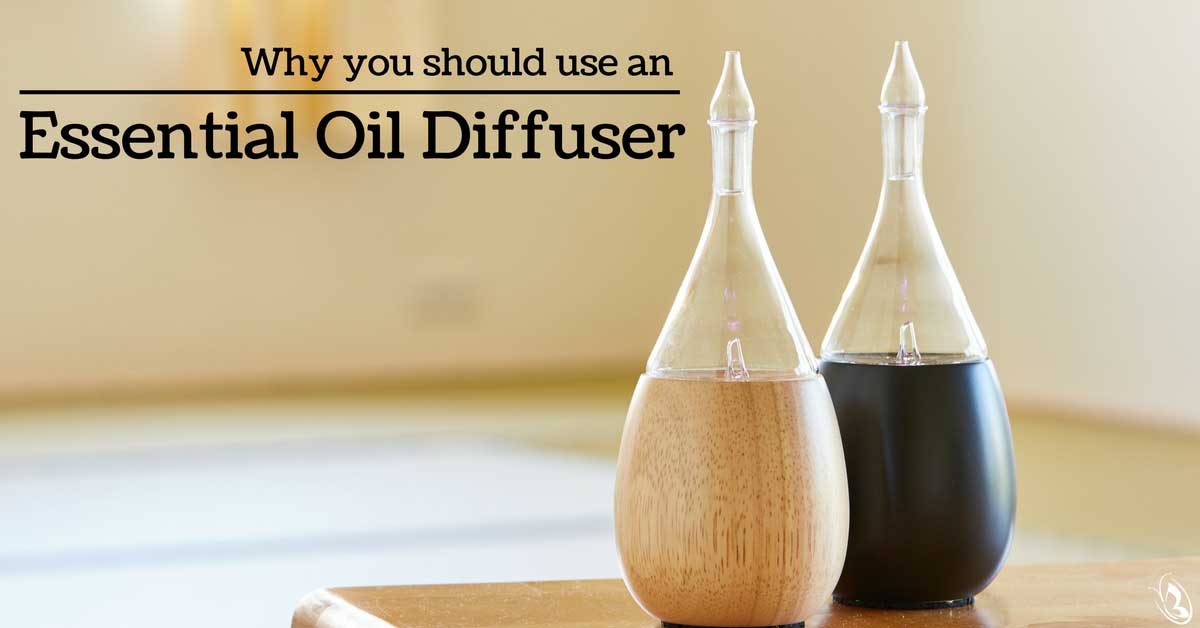
A Nebulizing Diffuser® works on a different principle entirely — Bernoulli’s Principle, using a stream of cold air moving past a narrow opening to atomize undiluted essential oil directly into a fine aromatic vapor, with no water and no heat added at any point in the process. Because the oil never mixes with water, never sits in a heated reservoir, and never gets diluted before it reaches the air, cinnamaldehyde and eugenol reach the room in close to the same ratio they left the bottle. If you’ve noticed a bottle of cinnamon oil smells “truer” and more complex straight from the cap than it does after twenty minutes in an ultrasonic unit, this is the mechanism behind that difference.
The trade-off is concentration: because nebulizing delivers pure oil rather than a diluted water mist, it also has a stronger “throw” per drop and typically needs more frequent cleaning of the glass nebulizer, since undiluted aromatic residue is stickier than a water-diluted mist. See our honest nebulizing vs. ultrasonic diffuser comparison for the full mechanical breakdown of both technologies.
How to Diffuse Cinnamon Essential Oil Safely: Concentration and Session Guide
Cinnamon’s aroma is potent, and more is not better — over-concentrated cinnamon in the air can feel sharp or headache-inducing rather than cozy, and it can also leave a stickier-than-usual residue in the nebulizer given how concentrated the aromatic compounds are. A workable starting point for a Nebulizing Diffuser®:
- Concentration: 2–4 drops of pure cinnamon oil per 100 sq. ft. of room space — start at the low end and adjust up after a few sessions.
- Session length: 15–20 minutes on, followed by an equal rest period, rather than continuous all-day diffusion.
- Larger rooms: for open-plan spaces over 300 sq. ft., increase drop count proportionally rather than running the diffuser longer — a stronger initial dose disperses more evenly than a longer, weaker session.
- Ventilation: crack a window or door partway through longer gatherings so the scent doesn’t oversaturate the room.
- Cleaning: because nebulizing concentrates the oil rather than diluting it, rinse the glass reservoir with isopropyl alcohol between different oils to avoid residue carryover and keep future scents true.
- Pets: cats in particular process aromatic phenols like eugenol more slowly than humans; diffuse in a room they can freely leave, not an enclosed space, and watch for any sign of discomfort.
If you want to try cinnamon before committing to a full-size bottle, Organic Aromas’ Cinnamon Essential Oil 100% Pure comes in a 10ml size that’s enough for months of occasional autumn diffusing at these ratios.
Join Now and Get a Coupon for 10% Off!
5 Tested Autumn Diffuser Blend Recipes with Cinnamon
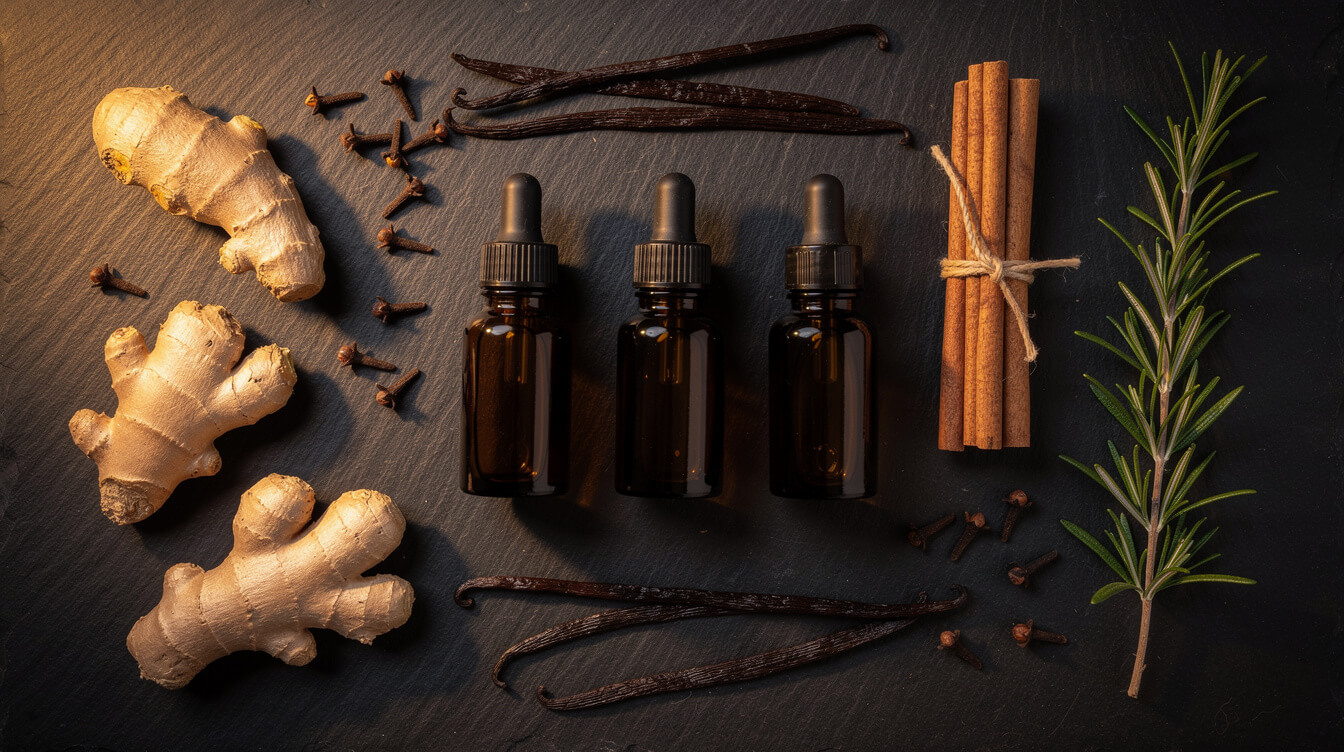
Because cinnamon behaves as a base note, the easiest way to build your own blend is to pair 1–2 drops of cinnamon with 2–3 drops of a brighter top note (citrus, herbal) and let the cinnamon anchor the scent rather than lead it. These five ratios come from recurring requests in Organic Aromas’ customer blending history — the combinations people keep coming back to once cooler weather sets in:
- Classic Mulled Blend: 2 drops cinnamon + 3 drops orange + 1 drop clove — the most-requested autumn ratio in our customer notes, reads as mulled cider without the kitchen.
- Cozy Cabin: 2 drops cinnamon + 3 drops cedarwood + 1 drop vanilla-type aroma oil — a woodsy, low-sweetness alternative for those who find pure mulled blends too candy-like.
- Spiced Citrus Morning: 1 drop cinnamon + 3 drops bergamot — a lighter, brighter take built for daytime rather than evening.
- Autumn Forest Walk: 2 drops cinnamon + 2 drops rosemary + 2 drops orange — an herbal-leaning blend that reads less “bakery” and more “crisp outdoor air.”
- Fireside Spice: 2 drops cinnamon + 1 drop clove + 1 drop ginger-type aroma oil — the most concentrated, best reserved for larger rooms or shorter sessions given three warm-spice notes stacked together.
For more seasonal combinations beyond cinnamon, our essential oil blends for fall guide has the full nebulizing ratio breakdown for seven cozy recipes.
Cinnamon on Skin vs. in a Diffuser: Why the Safety Rules Are Different
This is the section most cinnamon oil articles skip entirely, and it’s arguably the most important one. Both cinnamaldehyde and eugenol are recognized dermal sensitizers — applied to skin undiluted, cinnamon oil can cause redness, burning, or an allergic skin reaction, and even properly diluted topical use calls for real caution. Industry fragrance-safety guidance typically keeps cinnamon bark oil under roughly 0.1–0.6% of a topical blend; leaf oil has somewhat more headroom given its different chemical profile, but still isn’t something to apply without dilution and a patch test on a small area of skin first.
Diffusing sidesteps that entire risk category, because the oil never touches skin — it’s dispersed into room air and inhaled at a far lower effective concentration than a topical application delivers directly to a patch of skin. That’s a meaningful practical difference: the same oil that requires careful dilution math for a massage or skincare blend can be diffused at the simple drop ratios above with far less fuss, as long as you respect general diffusing etiquette around ventilation, session length, and pets covered above. If you’re ever unsure how a specific product should be used, the label’s intended-use section is the authority, not general aromatherapy advice.

Join Our Exclusive Member Club to get Big Discounts!
How to Choose a Pure Cinnamon Leaf or Bark Essential Oil
A few label checks separate genuine cinnamon essential oil from diluted or synthetic “fragrance oil” versions sold under the same name:
- Botanical name and plant part: look for Cinnamomum zeylanicum (or verum) or Cinnamomum cassia, with “leaf” or “bark” clearly stated — not just “cinnamon oil.”
- Extraction method: steam distillation is standard for true essential oil; anything listing “fragrance” or “aroma compound” as the process is a synthetic stand-in, not a botanical extract.
- Third-party testing: a supplier that can produce a Certificate of Analysis with GC/MS profiling backs up its purity claims with actual chemistry data, not just a label promise.
- Country of origin and harvest batch: reputable suppliers disclose sourcing and batch-test results rather than staying vague about where the oil actually came from.
- Organic certification isn’t the whole story: a certified-organic label confirms farming practices, but it doesn’t confirm chemotype or plant part — you still need the leaf-vs-bark and GC/MS details separately.
Skipping these checks is how people end up with a bottle that smells like cinnamon candy rather than cinnamon — fine for a candle, not what you want in a Nebulizing Diffuser® built to deliver pure, undiluted oil.
Quick Questions About Diffusing Cinnamon Essential Oil
Is cinnamon essential oil safe to diffuse around cats? Cats metabolize aromatic phenols like eugenol more slowly than dogs or humans, so diffuse in a well-ventilated room they can leave freely, keep sessions short, and watch for signs of discomfort. See our guide to diffusing safely around pets for the broader picture.
Can I ingest cinnamon essential oil? No — essential oils are far more concentrated than culinary cinnamon and aren’t formulated or regulated for internal use. Diffusing and well-diluted topical use are the two intended applications.
How long does a 10ml bottle last for diffusing? At 2–4 drops per session, a 10ml bottle (roughly 200 drops) typically covers 50–100 diffusing sessions — easily a full autumn season of occasional use.
Does cinnamon leaf oil smell different from cinnamon bark oil? Yes — leaf oil tends to read warmer and slightly clove-like because of its eugenol content, while bark oil is sharper and spicier from its higher cinnamaldehyde level.
Cinnamon essential oil rewards a little chemistry literacy: knowing whether you’re holding bark or leaf oil, understanding why heat degrades its aroma compounds, and respecting that diffusing and topical use follow completely different safety rules. Treated that way, a single 10ml bottle can carry you through an entire season of cozy, undiluted-aroma afternoons — without ever touching your skin or a drop of water.
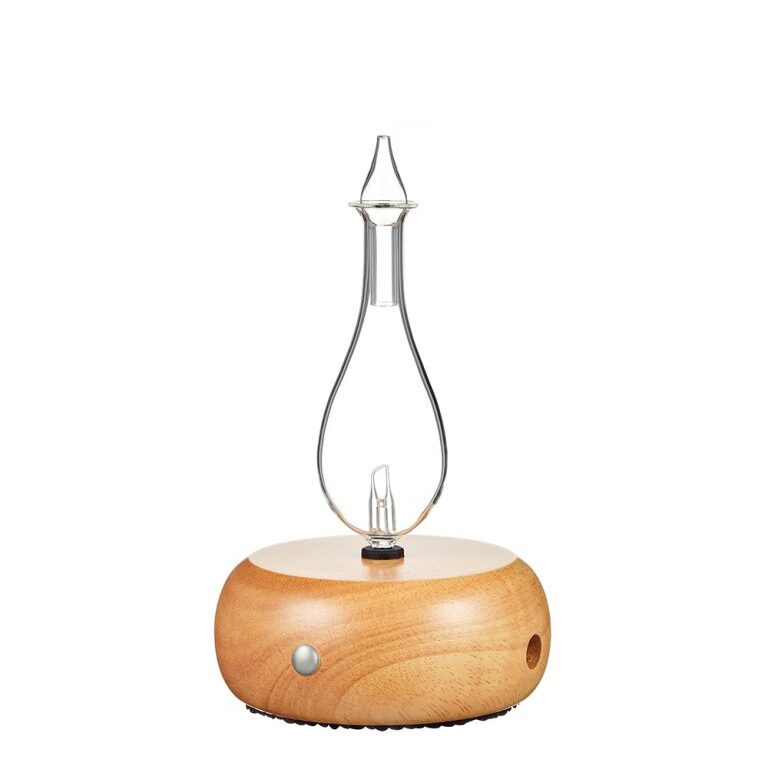
Diffuse Cinnamon the Way It Was Meant to Be Diffused
No water, no heat, no diluted aroma — the Smart Nebulizing Diffuser® delivers pure cinnamon essential oil straight into the air, exactly as the bottle intended.