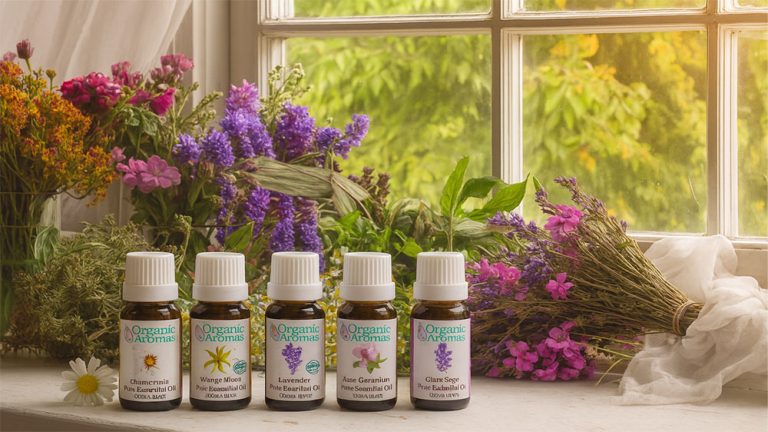


Essential Oils for Anti-Inflammatory Relief: 12 Science-Backed Oils That Reduce Inflammation
If you have ever dealt with the persistent ache of sore joints, swollen muscles, or the low-grade discomfort that seems to linger after a long day, you already know how frustrating chronic inflammation can be. While over-the-counter remedies offer temporary relief, a growing body of research suggests that essential oils for anti-inflammatory support may offer a gentler, more holistic path to comfort. These concentrated plant extracts have been used for centuries in traditional medicine, and modern science is finally catching up to what aromatherapy practitioners have long understood.
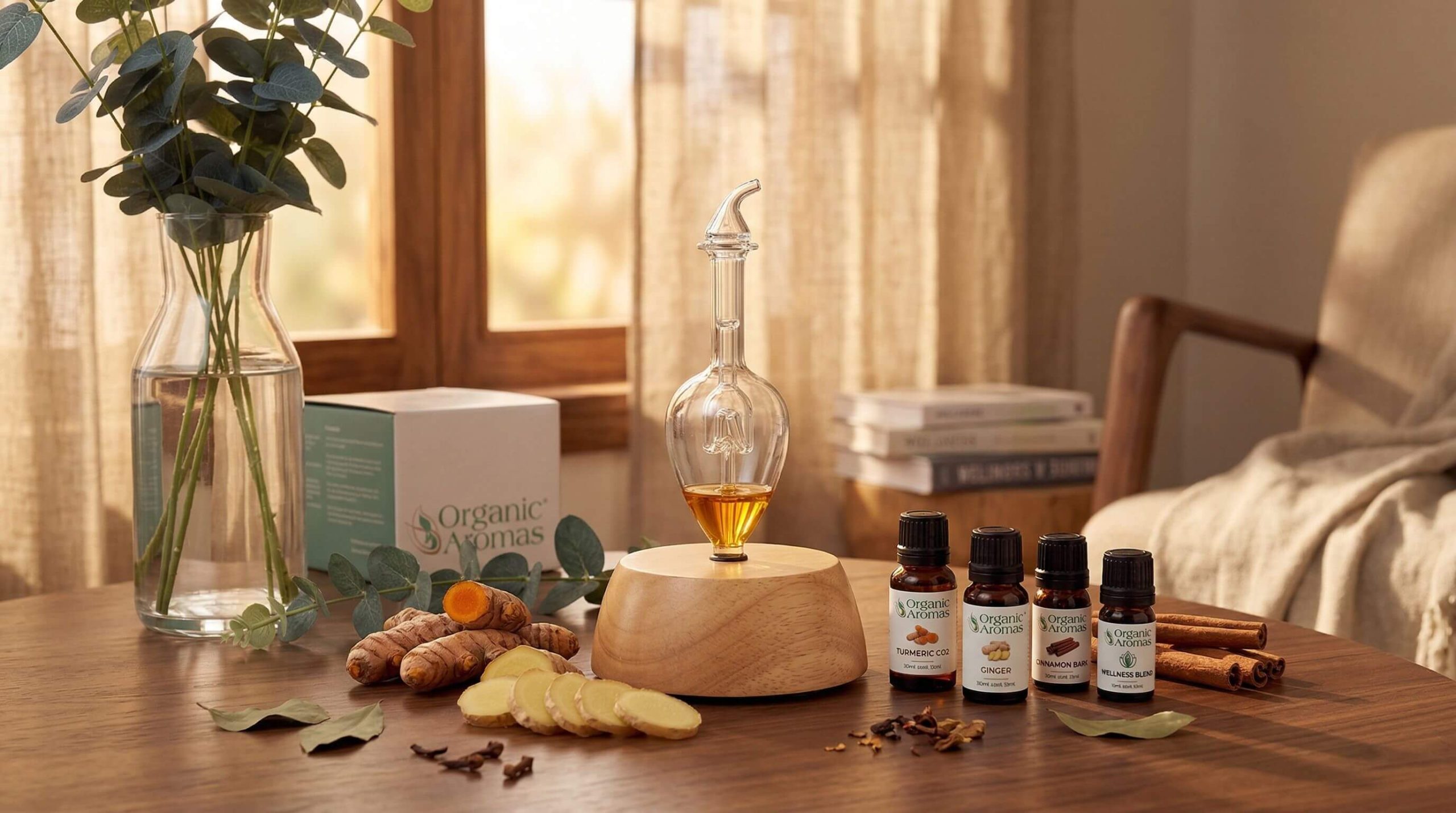
A systematic review published in Evidence-Based Complementary and Alternative Medicine found that 16 herbal essential oils demonstrated significant anti-inflammatory and immunomodulatory properties by regulating inflammatory cytokines across multiple signaling pathways. In this comprehensive guide, we will explore the most effective essential oils for anti-inflammatory relief, how to use them safely, and practical blends you can start using today.
What Makes Essential Oils Anti-Inflammatory?

Essential oils contain hundreds of bioactive compounds, and many of these naturally occurring chemicals have potent anti-inflammatory effects. The primary mechanisms include inhibiting the COX-2 enzyme (the same pathway targeted by ibuprofen), suppressing pro-inflammatory cytokines like TNF-α, IL-1β, and IL-6, and modulating the NF-κB signaling pathway — one of the body’s master switches for inflammation.
The key anti-inflammatory compounds found in essential oils include:
When you inhale essential oils through aromatherapy diffusion, these volatile compounds enter the bloodstream through the lungs and can exert systemic anti-inflammatory effects throughout the body. This makes diffusion one of the most effective and convenient delivery methods.
12 Best Essential Oils for Anti-Inflammatory Support

Not all essential oils are created equal when it comes to fighting inflammation. Based on published research and aromatherapy expertise, here are the 12 most effective essential oils for anti-inflammatory relief, ranked by scientific evidence.
1. Frankincense Essential Oil
Often called the “king of essential oils,” frankincense essential oil contains boswellic acids that powerfully inhibit 5-lipoxygenase, an enzyme directly involved in inflammatory responses. Research shows it may be particularly effective for joint inflammation and respiratory conditions. Diffusing frankincense creates a warm, resinous atmosphere that is both grounding and therapeutic.
2. Thyme Essential Oil
Lab studies have shown that thyme essential oil can reduce the COX-2 enzyme by up to 75%, making it one of the most potent natural anti-inflammatory agents available. Its primary compound, thymol, also has strong antimicrobial properties, creating a dual benefit when diffused throughout your home.
3. Eucalyptus Essential Oil
Rich in 1,8-cineole, eucalyptus essential oil is especially valuable for respiratory inflammation. Studies have demonstrated its ability to suppress inflammatory cytokines while opening airways, making it a go-to choice during cold and flu season. The fresh, camphoraceous aroma also helps clear mental fog and promote alertness.
4. Lavender Essential Oil
Lavender essential oil is perhaps the most versatile anti-inflammatory oil thanks to its high linalool and linalyl acetate content. Beyond reducing inflammation, it simultaneously addresses stress — a major contributor to chronic inflammatory conditions. Research published in the journal Molecules confirmed its ability to inhibit multiple inflammatory pathways simultaneously.
5. Peppermint Essential Oil
The cooling sensation of peppermint essential oil comes from menthol, which activates cold-sensitive receptors while simultaneously reducing inflammatory mediators. It is particularly effective for headache relief and muscle tension, and a study by the American Society for Biochemistry and Molecular Biology confirmed its significant anti-inflammatory properties.
6. Chamomile Essential Oil (German and Roman)
Chamomile essential oil — particularly the German variety — contains chamazulene, which gives it a distinctive blue color and exceptional anti-inflammatory activity. This sesquiterpene compound has been shown to inhibit leukotriene synthesis, making chamomile especially useful for skin inflammation and digestive discomfort when used aromatically.
7. Rosemary Essential Oil
Rosemary essential oil contains carnosic acid and rosmarinic acid, both of which have demonstrated potent anti-inflammatory effects in research. Beyond reducing inflammation, rosemary supports circulation — which helps deliver nutrients to inflamed tissues and carry away waste products. Diffusing rosemary while working also boosts focus and mental clarity.
8. Tea Tree Essential Oil
Known primarily for its antimicrobial power, tea tree essential oil also exhibits notable anti-inflammatory activity through its terpinen-4-ol content. Research has shown it reduces inflammatory swelling and suppresses the production of superoxide by monocytes, making it an excellent choice when inflammation is accompanied by infection.
9. Bergamot Essential Oil
Bergamot essential oil offers a unique combination of anti-inflammatory and mood-lifting properties. Its compounds carvacrol and linalool produce anti-inflammatory, anticonvulsant, and analgesic effects. The bright, citrusy aroma also helps reduce stress-related inflammation by lowering cortisol levels when diffused.
10. Myrrh Essential Oil
Myrrh essential oil has been prized for thousands of years for its healing properties. Modern research reveals that its sesquiterpene compounds, particularly curzerene and furanoeudesma-1,3-diene, inhibit the NF-κB inflammatory pathway. When combined with frankincense, myrrh creates a synergistic anti-inflammatory blend that is greater than either oil alone.
11. Clary Sage Essential Oil
Clary sage essential oil contains sclareol and linalyl acetate, which research has shown to reduce inflammatory markers while also balancing hormones. This makes it particularly valuable for women experiencing inflammation related to menstrual cycles or menopause. Its herbaceous, slightly floral scent blends beautifully with lavender for a deeply calming anti-inflammatory blend.
12. Cedarwood Essential Oil
Warm and grounding, cedarwood essential oil contains cedrol, which studies have shown to reduce inflammation while promoting relaxation and restful sleep. Since poor sleep is both a cause and consequence of chronic inflammation, cedarwood addresses both sides of the equation — making it an excellent bedtime diffusion choice.
Join Now and Get a Coupon for 10% Off!
How to Use Essential Oils for Anti-Inflammatory Relief

The method you choose to use essential oils matters significantly for anti-inflammatory results. Here are the most effective approaches, ranked by research support.
Aromatherapy Diffusion (Most Recommended)
Diffusing essential oils delivers their anti-inflammatory compounds directly into the air you breathe, allowing rapid absorption through the lungs into the bloodstream. For maximum therapeutic benefit, a nebulizing diffuser is the superior choice because it disperses pure essential oil particles without heat or water — preserving the delicate chemical compounds responsible for anti-inflammatory effects.
Unlike ultrasonic diffusers that dilute oils in water, the Raindrop 3.0 Nebulizing Diffuser® uses pressurized air to atomize pure essential oil into micro-fine particles. This means every breath delivers the full concentration of anti-inflammatory terpenes, phenols, and sesquiterpenes — exactly as nature intended. For living rooms and open spaces, the Radiance Nebulizing Diffuser offers the same powerful diffusion with an elegant illuminated design.
Topical Application
For localized inflammation — such as sore joints, muscle aches, or lower back pain — topical application targets the affected area directly. Always dilute essential oils with a carrier oil before applying to the skin. A safe ratio for adults is 10 to 15 drops of essential oil per ounce of carrier oil such as jojoba, sweet almond, or coconut oil. Apply gently to the affected area and massage in using circular motions.
Warm Bath Soak
Adding essential oils to a warm bath combines the benefits of heat therapy with aromatic anti-inflammatory compounds. Mix 8 to 10 drops of your chosen oil with a tablespoon of carrier oil or a cup of Epsom salts before adding to the bath. This prevents the essential oil from sitting undiluted on the water’s surface. Soak for 15 to 20 minutes for full absorption.
Steam Inhalation
For respiratory inflammation specifically, steam inhalation provides concentrated relief. Add 3 to 5 drops of eucalyptus or peppermint oil to a bowl of hot water, drape a towel over your head, and inhale deeply for 5 to 10 minutes. This method delivers anti-inflammatory compounds directly to inflamed airways and sinuses.
Sign Up to Get Your FREE
e-Book Here…
DIY Anti-Inflammatory Essential Oil Blends
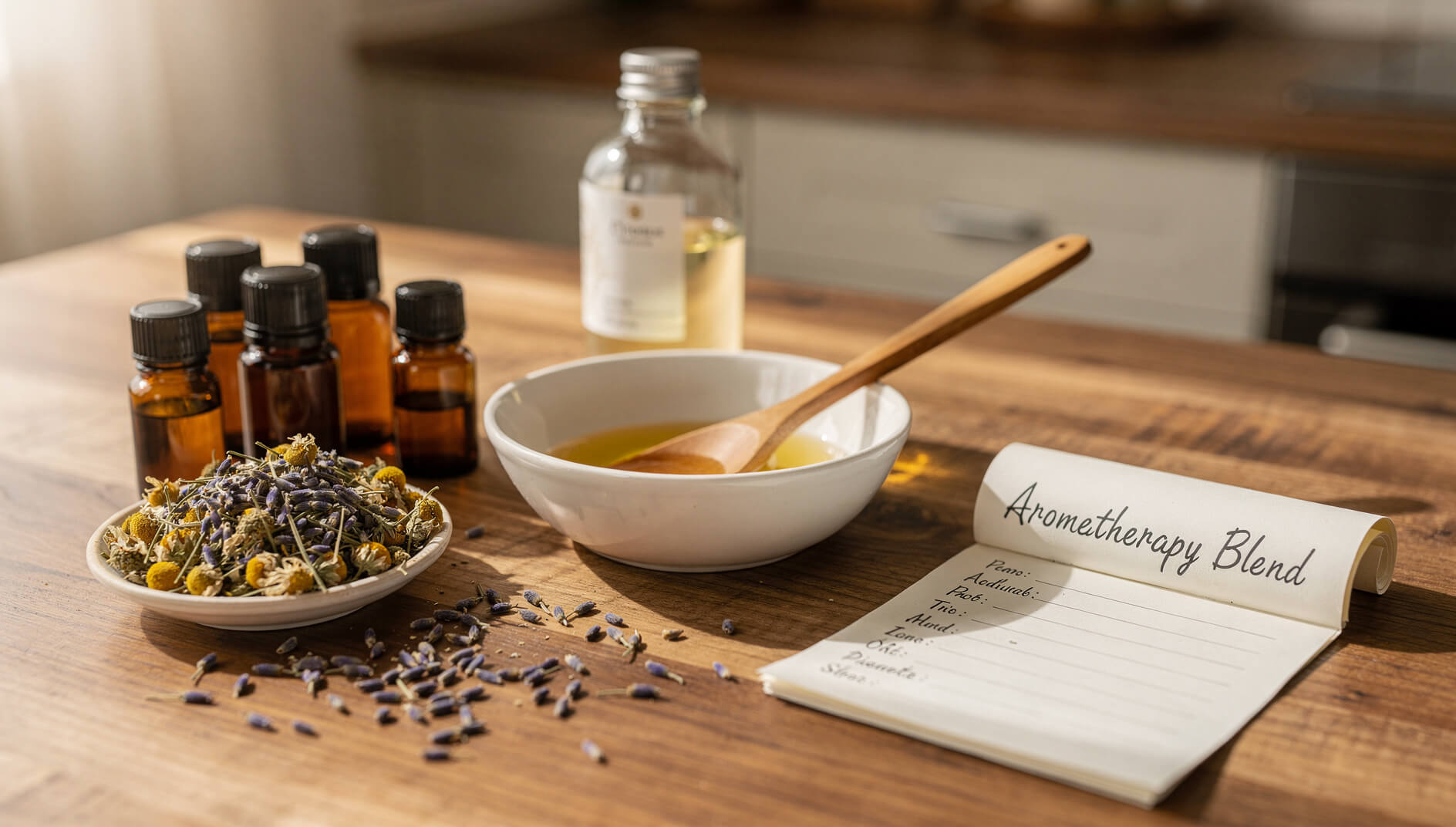
Creating your own anti-inflammatory blends allows you to customize the oils to your specific needs. Here are four proven recipes you can start using today.
Joint Comfort Diffuser Blend
Add the following oils directly to your nebulizing diffuser reservoir:
Diffuse for 20 to 30 minutes in the room where you spend the most time. The frankincense and lavender provide deep anti-inflammatory support while rosemary improves circulation and peppermint adds cooling relief.
Soothing Muscle Massage Oil
Mix into 2 ounces of jojoba or sweet almond carrier oil:
Massage into sore muscles using firm, upward strokes. The menthol in peppermint provides immediate cooling relief while the other oils work to reduce deeper inflammation over time.
Calming Evening Anti-Inflammatory Blend
For your bedside Tranquility Nebulizing Diffuser:
Run for 20 minutes before bedtime. This blend addresses inflammation while promoting the deep, restorative sleep your body needs for overnight healing and recovery. Chamomile’s chamazulene provides powerful anti-inflammatory action while cedarwood and lavender encourage relaxation.
Respiratory Relief Diffuser Blend
Add to your diffuser for sinus and respiratory inflammation:
This powerful blend combines four of the strongest respiratory anti-inflammatory oils. Diffuse for 15 to 20 minutes when congestion or sinus inflammation strikes. The eucalyptus and peppermint open airways while tea tree and thyme address underlying inflammation.
Essential Oils for Specific Types of Inflammation

Different types of inflammation respond best to different essential oils. Here is a targeted guide to help you choose the right oils for your specific concerns.
Joint and Arthritis Inflammation
For joint pain and arthritis, frankincense, myrrh, and eucalyptus form the most effective trio. Frankincense’s boswellic acids have shown particular promise in studies on osteoarthritis, while eucalyptus’s 1,8-cineole reduces joint swelling. Diffuse this combination during the morning hours when joint stiffness tends to be worst, and follow with topical application diluted in a carrier oil for targeted relief.
Muscle Inflammation and Soreness
Post-workout inflammation and muscle cramping respond well to peppermint, rosemary, and lavender. The cooling menthol in peppermint provides immediate relief while rosemary boosts blood flow to help flush inflammatory byproducts from tired muscles. Diffuse these oils in your recovery space while also using the massage blend above for double anti-inflammatory action.
Respiratory Inflammation
Sinus congestion, bronchial inflammation, and seasonal respiratory issues benefit most from eucalyptus, peppermint, and tea tree. These oils both reduce airway inflammation and provide antimicrobial protection against the pathogens that often trigger respiratory inflammation in the first place. A nebulizing diffuser is especially effective here because it produces ultra-fine particles that reach deep into the respiratory tract.
Stress-Related Chronic Inflammation
Chronic stress elevates cortisol, which in turn drives systemic inflammation. Lavender, bergamot, chamomile, and clary sage directly address this stress-inflammation cycle. Diffusing lavender at bedtime has been shown in clinical studies to improve sleep quality and reduce cortisol levels — both critical for managing chronic inflammation long-term.
Sign Up to Get Your FREE Essential Oils e-Book Here
Safety Guidelines for Anti-Inflammatory Essential Oils

While essential oils offer remarkable anti-inflammatory potential, using them safely ensures you receive benefits without unwanted reactions. Follow these guidelines for safe and effective use.
Expert Tips for Maximum Anti-Inflammatory Benefits
After years of working with essential oils for anti-inflammatory support, here are the strategies that deliver the best results.
Consistency Matters More Than Intensity
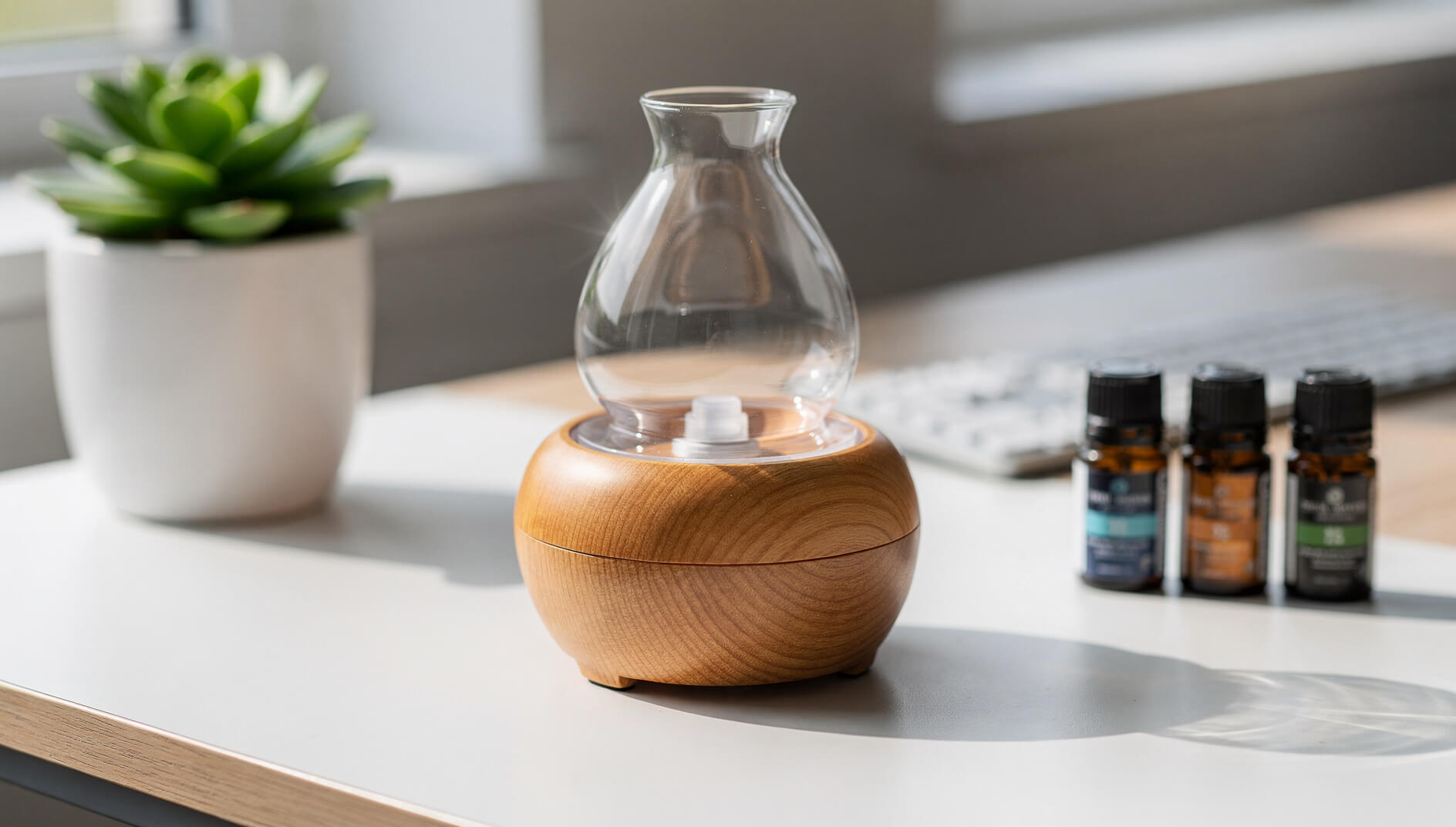
Diffusing anti-inflammatory oils for 20 to 30 minutes twice daily produces better long-term results than occasional marathon sessions. Set your diffuser on a timer — many nebulizing diffusers, including the Aurora, feature built-in interval timers that automatically cycle between on and off periods for optimal diffusion.
Rotate Your Oils
Using the same essential oil continuously can lead to sensitization over time. Rotate between two or three anti-inflammatory blends every few weeks. For example, alternate between a frankincense-lavender blend one week and a eucalyptus-peppermint blend the next. This keeps your body responsive to the compounds while providing a variety of anti-inflammatory mechanisms.
Choose Quality Over Quantity
The anti-inflammatory effectiveness of an essential oil depends entirely on its purity and quality. Synthetic fragrance oils or oils adulterated with fillers will not deliver the bioactive compounds needed for real anti-inflammatory benefit. Always source 100% pure, therapeutic-grade essential oils from reputable suppliers. At Organic Aromas, every oil is rigorously tested for purity to ensure you receive the full spectrum of anti-inflammatory compounds.
Combine Diffusion with Lifestyle Changes
Essential oils work best as part of a holistic anti-inflammatory approach. Pair your aromatherapy practice with an anti-inflammatory diet rich in omega-3 fatty acids, colorful fruits and vegetables, and whole grains. Regular gentle movement, adequate sleep, and stress management all amplify the anti-inflammatory effects of your essential oil routine.

Join Our Exclusive Member Club to get Big Discounts!
Bringing It All Together
Essential oils for anti-inflammatory support represent a time-honored approach backed by an expanding body of modern research. From frankincense and thyme’s powerful COX-2 inhibition to lavender and chamomile’s gentle, calming anti-inflammatory action, nature provides an impressive toolkit for managing inflammation naturally.
The key to success lies in choosing the right oils for your specific type of inflammation, using them consistently through effective delivery methods like nebulizing diffusion, and combining them with a healthy lifestyle. Whether you are dealing with occasional muscle soreness, chronic joint discomfort, or stress-driven inflammation, there is an essential oil blend that can become a welcome part of your daily wellness routine.
Ready to experience the difference a quality essential oil diffuser makes in your anti-inflammatory routine? Explore our collection of handcrafted nebulizing diffusers designed to deliver pure essential oils at their full aromatic potency — no water, no heat, just pure botanical wellness.