


Eucalyptus Essential Oil Benefits: Complete Guide to Uses, Blends, and Safety
Eucalyptus essential oil is one of the most powerful respiratory support oils available, and its benefits extend far beyond clearing a stuffy nose. Steam-distilled from the leaves of the Australian eucalyptus tree, this oil contains up to 85 percent 1,8-cineole (eucalyptol), a compound with proven anti-inflammatory, antimicrobial, and bronchodilating properties.
From congestion relief and muscle pain to mental clarity and natural household cleaning, eucalyptus essential oil benefits touch nearly every corner of daily wellness. Aboriginal Australians used eucalyptus leaves for wound healing and fever reduction long before Western medicine recognized its therapeutic value. Today, research continues to uncover new applications, including immune system support and neuroprotective effects. This guide covers what the science says, how to use eucalyptus oil safely, and which diffuser blends deliver the best results.
What Makes Eucalyptus Essential Oil Unique
There are over 700 species of eucalyptus trees, but only a handful are used for essential oil production. The three most common varieties each have distinct therapeutic profiles:
Eucalyptus Radiata is the gentlest option and the variety most recommended for general aromatherapy use. It has a softer, sweeter scent and is better tolerated by those with sensitive airways. This is the species used in our organic eucalyptus essential oil, sourced from Australia and USDA certified organic.
Eucalyptus Globulus is the most potent variety with the highest 1,8-cineole concentration. It delivers the strongest respiratory effect but can be overwhelming for some users. Best for adults who want maximum decongestant power.
Eucalyptus Smithii (gully gum) is the mildest option, sometimes used in formulations for children over 10. Its lower cineole content makes it less effective for heavy congestion but suitable for gentle, everyday diffusion.
Eucalyptus Essential Oil Benefits for Respiratory Health
Respiratory support is where eucalyptus truly shines. The 1,8-cineole compound acts as both an expectorant (loosening mucus) and a bronchodilator (opening airways), making it effective against congestion from colds, allergies, sinusitis, and bronchitis. A 2024 review published in PMC confirmed that eucalyptus essential oil demonstrates significant anti-inflammatory effects in the respiratory tract, reducing the production of pro-inflammatory cytokines.
Diffusing eucalyptus oil is the most effective way to deliver these respiratory benefits. When you inhale atomized eucalyptus oil, the cineole molecules make direct contact with the mucous membranes in your nasal passages and bronchial tubes. A nebulizing diffuser delivers pure, undiluted oil particles without water, creating a concentrated therapeutic mist that reaches deep into the airways. This is a meaningful advantage over ultrasonic diffusers, which dilute the oil in water and produce a far weaker concentration of active compounds.
For quick relief from congestion, try steam inhalation: add 5 to 10 drops of eucalyptus oil to a bowl of hot water, drape a towel over your head, and breathe deeply for 5 to 10 minutes. For sustained support during cold season, diffuse eucalyptus in your bedroom for 30 to 60 minutes before sleep to keep airways clear through the night.
Natural Pain and Inflammation Relief
Eucalyptus oil’s anti-inflammatory and analgesic properties make it a go-to for sore muscles, joint stiffness, and post-exercise recovery. When applied topically in a carrier oil, cineole penetrates the skin and inhibits inflammatory enzymes at the tissue level, providing localized relief similar to menthol-based products but with broader therapeutic action.
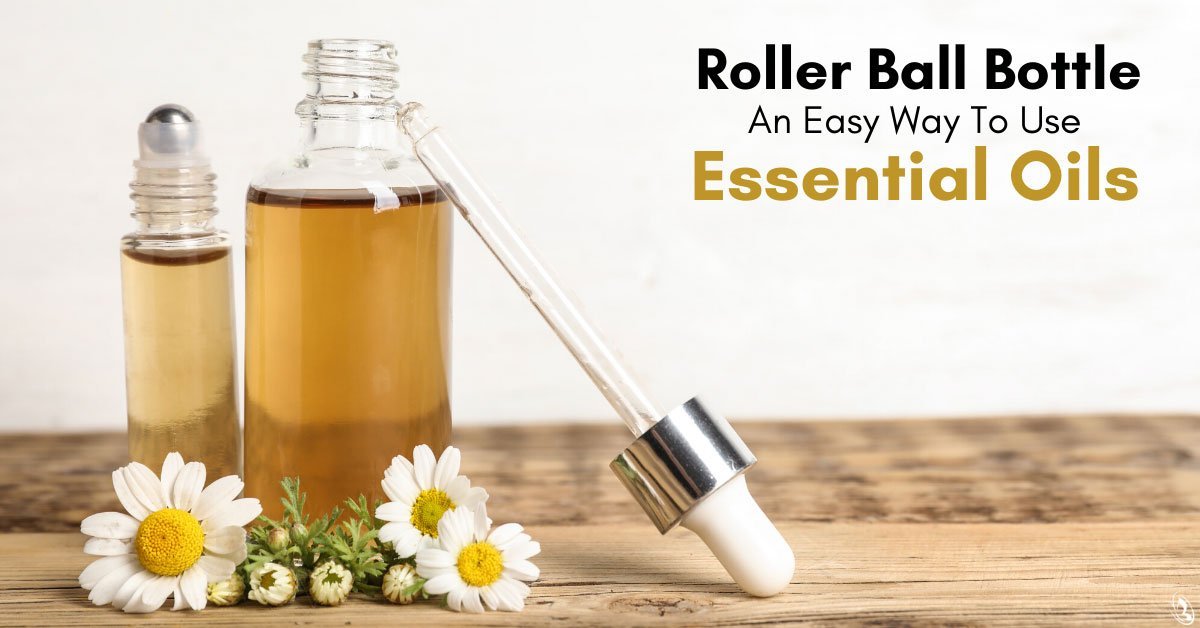
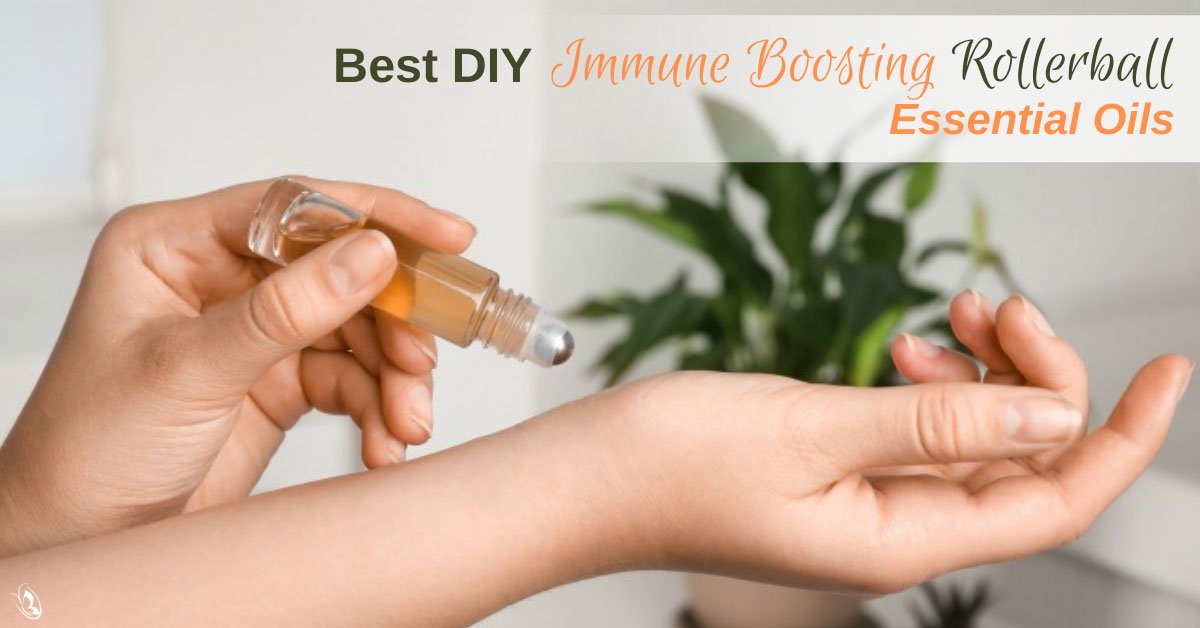
For a targeted muscle relief blend, mix 10 to 15 drops of eucalyptus oil with 2 tablespoons of carrier oil (sweet almond or jojoba work well) and massage into sore areas. Adding 3 to 5 drops of peppermint oil enhances the cooling effect. Our Eucalyptus Roll-on offers a convenient pre-diluted option for on-the-go relief, already blended at a safe 5 percent dilution with nourishing carrier oils.
For headache relief, apply diluted eucalyptus oil to the temples and the back of the neck. The combination of cooling sensation and anti-inflammatory action can reduce tension and pain without the side effects of over-the-counter pain medications.
Sign Up to Get Your FREE
e-Book Here…
Mental Clarity, Focus, and Cognitive Support
Beyond “brain fog relief,” eucalyptus oil has genuine cognitive benefits supported by emerging research. The 2024 PMC review highlighted eucalyptus oil’s ability to inhibit acetylcholinesterase, the enzyme that breaks down the neurotransmitter acetylcholine. Higher acetylcholine levels are associated with improved memory, attention, and learning capacity. While this research is still in early stages, it suggests eucalyptus oil may support long-term cognitive health in addition to providing immediate mental clarity.
For a practical productivity boost, diffuse eucalyptus oil during work or study sessions. The fresh, camphoraceous scent increases alertness and helps maintain focus over extended periods. Unlike caffeine, it doesn’t produce a crash. Pair it with rosemary (another cognitive-enhancing oil) for a powerful focus blend that keeps you sharp without overstimulation.
Immune Support and Antimicrobial Power
Eucalyptus oil is effective against a broad spectrum of bacteria, viruses, and fungi. Research has demonstrated its activity against Staphylococcus aureus, E. coli, and Candida albicans. During the 1919 influenza pandemic, hospitals used eucalyptus oil as a fumigant in ward rooms, an early application of what we now call airborne pathogen reduction through essential oil diffusion.
Diffusing eucalyptus during cold and flu season helps purify the air in your home, reducing the concentration of airborne pathogens that your family breathes. Our Burglars Blend combines eucalyptus with clove, lemon, cinnamon, and rosemary for a synergistic immune-boosting formula inspired by the legendary medieval recipe used by thieves during the plague.
Skin, Hair, and Household Uses
Skin and Wound Care
Eucalyptus oil’s antibacterial properties make it useful for treating minor cuts, scrapes, and insect bites. Dilute 2 to 3 drops in a teaspoon of carrier oil and apply to the affected area to help prevent infection and promote healing. For acne-prone skin, adding a single drop to your regular cleanser can help control the bacteria that cause breakouts without over-drying your skin.
Scalp and Hair Health
Eucalyptus oil helps combat dandruff and dry, itchy scalp thanks to its antifungal properties. The fungus Malassezia, which contributes to dandruff, is susceptible to eucalyptus oil. Add 5 to 8 drops to your shampoo bottle and use regularly. The stimulating effect on the scalp also improves blood circulation to hair follicles, supporting healthier hair growth over time.
Natural Household Cleaner
Eucalyptus is one of the most effective essential oils for cleaning. Its antimicrobial compounds kill bacteria on surfaces while leaving behind a fresh, clean scent. For an all-purpose spray, combine 12 drops of eucalyptus oil with 1 cup of white vinegar, 2 cups of water, and a squeeze of dish soap. This formula works on countertops, bathroom tiles, and kitchen surfaces. Eucalyptus oil also dissolves sticky residues and can help remove mold when sprayed directly on affected areas.
Natural Pest Repellent
Eucalyptus oil repels mosquitoes, ants, flies, and roaches. The CDC has recognized lemon eucalyptus oil (specifically its compound PMD) as an effective mosquito repellent. Diffusing eucalyptus on your patio during summer evenings or applying a diluted blend to exposed skin can help keep biting insects at bay.
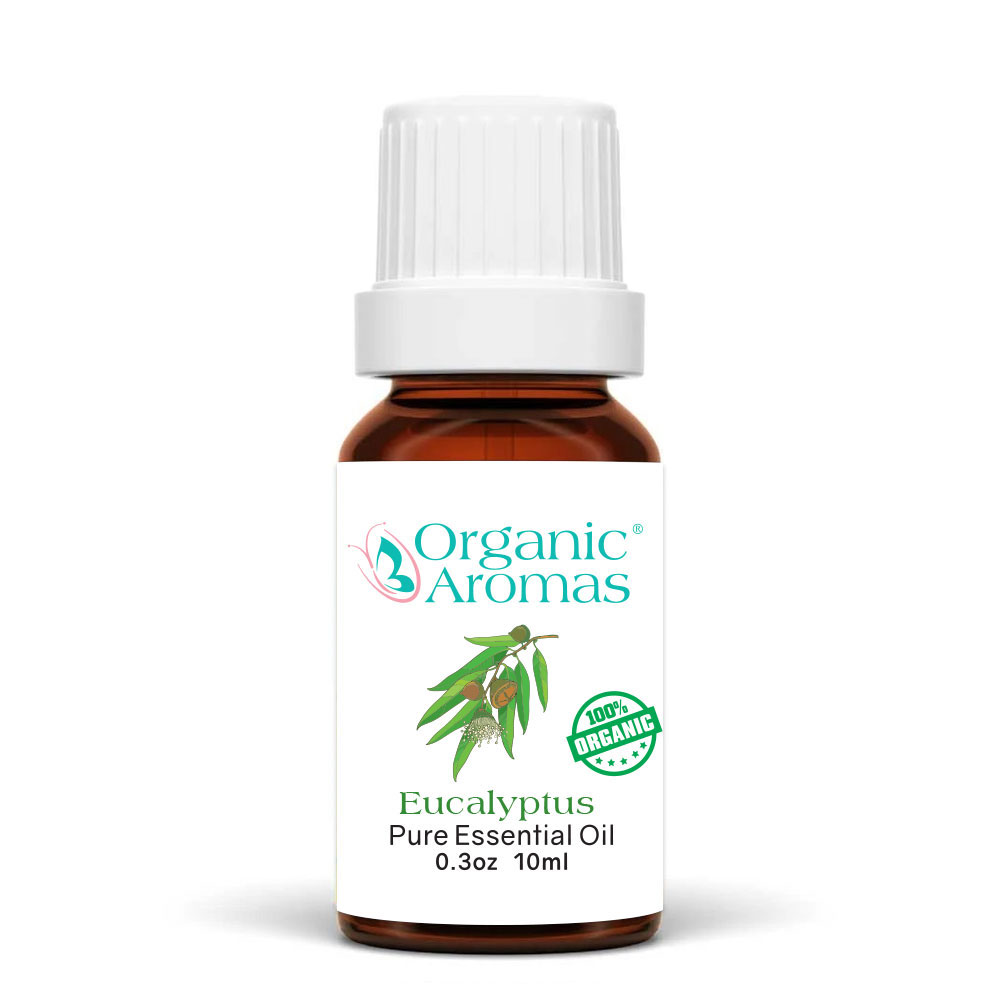
Eucalyptus Essential Oil 100% Pure Organic
Steam-distilled from Australian Eucalyptus radiata leaves and USDA-certified organic. Fresh, crisp, and camphoraceous with a mildly sweet undertone. Perfect for respiratory support, muscle relief, and air purification.
Eucalyptus Diffuser Blends
Eucalyptus blends well with peppermint, lavender, lemon, rosemary, tea tree, and cedarwood. Here are four ready-to-use blends for your nebulizing diffuser.
Breathe Easy Blend
4 drops eucalyptus + 3 drops peppermint + 2 drops rosemary
Opens airways and clears sinus congestion. Perfect during cold season or allergy flare-ups. Diffuse for 30 minutes in the bedroom before sleep for easier nighttime breathing.
Immune Shield Blend
3 drops eucalyptus + 3 drops tea tree + 2 drops lemon
A powerful antimicrobial combination that purifies the air in your home. Diffuse in common areas when someone in the household is under the weather to help protect the rest of the family.
Focus Flow Blend
3 drops eucalyptus + 3 drops frankincense + 2 drops lemon
Designed for study sessions and deep work. The eucalyptus provides alertness, frankincense promotes deep concentration, and lemon adds an uplifting brightness that keeps mental fatigue at bay.
Post-Workout Recovery Blend
4 drops eucalyptus + 3 drops lavender + 2 drops cedarwood
Diffuse after exercise while stretching or resting. The eucalyptus addresses muscle inflammation through inhalation, lavender promotes relaxation, and cedarwood grounds the blend with warm, woody notes. Our Ocean Breeze Blend captures a similar revitalizing profile with eucalyptus and peppermint already expertly combined.
Safety Precautions
Never ingest eucalyptus essential oil. Even small amounts can cause nausea, vomiting, and in severe cases, seizures. This is a topical and aromatic oil only.
Dilution: For adults, use a 1 to 3 percent dilution for topical application (3 to 9 drops per tablespoon of carrier oil). Always perform a patch test on a small area of skin before widespread use.
Children: Eucalyptus oil (especially Globulus) is not recommended for children under 10 due to its high 1,8-cineole content, which can cause breathing difficulties in young children. Eucalyptus Smithii is a gentler alternative for children over 6, but always consult a pediatrician first.
Pets: Eucalyptus oil is toxic to cats and dogs in concentrated form. Cats are particularly vulnerable because they lack the liver enzymes to metabolize cineole compounds. Never apply eucalyptus oil directly to any pet, and avoid diffusing in small, enclosed rooms where pets cannot leave. If your pet shows signs of drooling, lethargy, or vomiting after exposure, contact your veterinarian immediately.
Pregnancy: Consult your healthcare provider before using eucalyptus oil during pregnancy. While short-term diffusion is generally considered safe, topical use should be approached with caution during the first trimester.
Storage: Eucalyptus oil has a shelf life of 3 to 4 years when stored in a dark glass bottle away from heat and sunlight. Its high cineole content gives it a longer shelf life than most citrus oils.
Breathe Easier with Eucalyptus
Eucalyptus essential oil benefits are backed by centuries of traditional use and a growing body of modern research. Whether you’re clearing congestion, soothing sore muscles, sharpening your focus, or cleaning your home without harsh chemicals, eucalyptus delivers real, measurable results.
The way you deliver eucalyptus oil matters. A nebulizing diffuser atomizes pure oil into fine particles that reach deep into your airways, delivering the full concentration of 1,8-cineole without dilution. For topical convenience, our Eucalyptus Roll-on puts pre-diluted relief right in your pocket.
Explore our full collection of organic essential oils and pair eucalyptus with complementary oils to create your own custom blends for every season and need.
Join Now and Get a Coupon for 10% Off!
Frequently Asked Questions
Can you put eucalyptus oil directly on your skin?
Never apply undiluted eucalyptus oil directly to skin. It must be diluted with a carrier oil (coconut, jojoba, sweet almond) at a 1 to 3 percent ratio before topical application. Undiluted eucalyptus oil can cause irritation, redness, and chemical burns, especially on sensitive or broken skin.
Is eucalyptus oil safe for dogs and cats?
Eucalyptus oil is toxic to both cats and dogs in concentrated form. Cats are especially sensitive because they cannot metabolize the 1,8-cineole compound. Never apply eucalyptus oil to a pet’s skin or fur, and avoid diffusing it in enclosed spaces where pets cannot leave the room. If you want to diffuse eucalyptus, ensure the room is well-ventilated and your pets have access to eucalyptus-free areas.
How many drops of eucalyptus oil should I use in a diffuser?
For a nebulizing diffuser, use 5 to 8 drops of eucalyptus oil. For ultrasonic diffusers, you may need 10 to 15 drops since the oil is diluted in water. Run the diffuser in 30 to 60 minute intervals with breaks between sessions, especially in rooms where children or pets may be present.
What is the difference between Eucalyptus Globulus and Eucalyptus Radiata?
Eucalyptus Globulus has the highest concentration of 1,8-cineole, making it the most potent decongestant but also the most likely to irritate sensitive users. Eucalyptus Radiata is gentler, with a softer scent and lower cineole levels, making it better suited for general aromatherapy and for people who find Globulus too intense. Both species offer respiratory, antimicrobial, and pain-relieving benefits.
Can you ingest eucalyptus essential oil?
No. Eucalyptus essential oil should never be ingested. Even small amounts can cause nausea, vomiting, diarrhea, and in severe cases, seizures or respiratory failure. Eucalyptus oil is for aromatic (inhalation) and topical (diluted on skin) use only. Keep bottles out of reach of children and pets.




Eucalyptus Essential Oil provides surprising health benefits in aromatherapy uses. I always use it for Pain Relief and Sinusitis. Thanks for sharing your suggestion.
https://organicworth.com/best-organic/eucalyptus-essential-oil/
I like the idea of using eucalyptus oil as an insect repellent. I don’t use the sprays anymore, because I know they’re toxic.
I sprinkle it over my pyjama top as I have bad hayfever. It just helps taking in deeper breaths.
I have used eucalyptus essential oil in the past but it is very strong smelling and gave me a headache. It reminded me of Vick’s.
I didn’t know any of this about the Eucalyptus Essential Oil, as i’ve never used it but it’s good to know.
I can’t wait to add eucalyptus to my essential oil collection. Thanks for the great info!
I didn’t know it was a natural bug repellent!
I have always wanted to try this. After reading this I will. Thanks
would love to try
I love using eucalyptus, it smells wonderful.
sounds great
Thanks for the great article! I not only LOVE the smell of eucalyptus but love knowing about all of it’s benefits. I’ve been a life-long asthmatic, so I’m always looking for ways to breathe easier. I’ve been curious about nebulizing diffusers for a long time now. You’ve peaked my interest!
I’m very interested to see it can be used as a natural cleanser
Great article very interesting article as always good to know these things
Love eucalyptus oil it has some great therapeutic benefits. One I use quite a bit of . Great for the sinuses.
Eucalyptus……yeah baby….I think I’m a koala
My girlfriend just asked what Eucalyptus smells like! I said it smells like childhood when your mum used to put carvol on a handkerchief.
Not normally a fan of grapefruit, but this is very interesting
Awesome ❤❤❤❤❤
I would love this bc it doesn’t cause cancer or breathing issues… It’s natural, need I say more?
#OrganicAromas
I love all of the benefits of this. Amazing product
I like that it repels bugs
I love the fact that it is a bug repellent that would be perfect for the summer !
Now this is by far my favorite oil! My little one has Asthma and so I like to put a couple of drops of this in my diffuser and it really helps.
I love eucalyptus oil. It works for my sinus headaches.
I had no idea it has all these benefits
I love eucalyptus oil! Thanks for the great info!
this is awesome. thank you
Wow I love all the health and cleaning uses for grapefruit 🙂 I never knew any of that!
Sounds great, I never realised there was so many uses.
Eucalyptus aroma is soothing.
Love Eucalyptus essential oil
I absolutely loooove the scent of EEO. This was an interesting, info-filled, article on all its other benefits beyond aromatherapy. Thank you, good to know!
Amazing stuff!
I am going to buy some!
I have loved eucalyptus (VIcks vapour rub) since was a kid. Had no idea about its uses around the house.Thanks for the tips.
I never knew how many uses eucalyptus has, and how easily it can be used in aromatherapy xx
Cuando tengo resfriado uso eucalipto y me despeja totalmente la nariz
As a child, my mom steeped eucalyptus leaves on the stove to help us breathe during allergy season.
I love that this can help with muscle pain. I have ongoing neck issues so will have to try it.
Amazing!
Always been a huge fan of this oil
Looks amazing, so many uses! I have to get me some.
I have never had on of these
My favorite use for eucalyptus oil has been to purify the air in my home. And, unlike what I first thought, the smell of the oil is not too overpowering.
Wowww!!!
I love using my Eucalyptus oils for to soothe bug bites and irritated skin.
I need to get more into essentials!!
Love Eucalyptus essential oil, use it all the time!
This is wonderful 💚