



Peppermint Essential Oil for Spiders: The Complete Guide to Natural Spider Control
If you have ever walked into a room and caught an unwelcome eight-legged guest scurrying across the floor, you know the feeling. Spiders have a knack for showing up where they are least wanted — in dark corners, behind furniture, and even in the shower. The good news is that peppermint essential oil spiders genuinely dislike may already be sitting in your aromatherapy collection. This cooling, intensely aromatic oil is one of nature’s most effective spider deterrents, and using it is far safer than reaching for chemical pesticides.
A growing body of research supports what aromatherapy enthusiasts have long observed: spiders are highly sensitive to the volatile compounds in peppermint essential oil. In this comprehensive guide, we will explore exactly why peppermint oil repels spiders, review the science, share five DIY recipes you can make today, and reveal the best application methods — including how a quality nebulizing diffuser can transform your spider-prevention routine.

Why Does Peppermint Essential Oil Repel Spiders?

Peppermint oil (Mentha × piperita) contains two powerful monoterpenes — menthol (35–50 percent) and menthone (15–30 percent) — that overwhelm a spider’s chemoreceptors. Unlike mammals, spiders taste and smell the world through sensory hairs on their legs and pedipalps. When they encounter the intense concentration of menthol vapor in the air, it creates a chemical barrier they strongly prefer to avoid.
There are three primary reasons peppermint essential oil is so effective against spiders:
Olfactory overload: The menthol in peppermint oil is intensely aromatic. Where we experience a pleasant cooling sensation, spiders experience an overpowering, irritating stimulus that drives them to seek cleaner air elsewhere. Think of it as the equivalent of walking into a room saturated with the strongest perfume imaginable — you would want to leave, and so do they.
Contact deterrence: When peppermint oil residue is present on surfaces, spiders avoid crossing those areas. The terpene compounds in peppermint interfere with the chemical signals spiders rely on to navigate and hunt, making treated zones essentially inhospitable.
Prey disruption: Peppermint oil also repels many of the small insects that spiders feed on. By eliminating the food source, you remove a major incentive for spiders to set up camp in your home. This is why essential oils are widely used for natural insect management.
What the Research Says About Peppermint Oil and Spiders
The claim that peppermint oil repels spiders is not merely anecdotal — several scientific studies have explored the repellent properties of monoterpenes found in peppermint and related mint-family plants.
A study published in the Journal of Economic Entomology found that essential oil compounds including menthol showed significant repellent activity against arthropods. The researchers noted that monoterpenes like those abundant in peppermint oil act on octopamine receptors — a neurochemical pathway found in invertebrates but not mammals — making them an effective yet mammal-safe deterrent.
Research from the National Center for Biotechnology Information has also documented the fumigant toxicity of mint essential oils against various household arthropods. The volatile nature of peppermint oil means it disperses naturally through the air, creating a zone of protection without direct contact application being necessary.
What makes peppermint oil particularly appealing for spider control is its dual action. It works as both a spatial repellent (deterring spiders from entering an area through airborne vapor) and a contact repellent (deterring spiders from crossing treated surfaces). This dual mechanism is why diffusing peppermint oil and spraying it on surfaces complement each other so well.
It is worth noting that scientific research continues to evolve. While current evidence is promising, essential oil spider repellency depends on factors like oil concentration, purity, and reapplication frequency. Using a high-quality, 100 percent pure peppermint oil is essential for consistent results.
Sign Up to Get Your FREE
e-Book Here…
How to Use Peppermint Essential Oil for Spider Control

There are several effective methods for deploying peppermint essential oil against spiders. The best approach combines two or more of these techniques for maximum coverage.
Nebulizing Diffuser Method (Most Effective for Large Areas)
The most efficient way to maintain a consistent peppermint barrier throughout your home is with a nebulizing diffuser. Unlike ultrasonic models that dilute oils in water, a Raindrop 3.0 nebulizing diffuser breaks pure essential oil into microscopic particles that disperse evenly across the room. This delivers a higher concentration of menthol vapor — exactly what you need for effective spider deterrence.
Set your diffuser to run for 15–20 minutes every two to three hours in rooms where you have noticed spider activity. The fine mist of pure peppermint oil will settle on surfaces and linger in the air, creating an environment spiders actively avoid.
Direct Spray Application
For targeted spider prevention, mix 15–20 drops of peppermint essential oil with one cup of water and a teaspoon of dish soap in a spray bottle. Shake well before each use and spray along baseboards, window frames, doorways, and any cracks or gaps where spiders might enter. Reapply every five to seven days, or sooner if you notice the scent has faded.
Cotton Ball Placement
Soak cotton balls in peppermint essential oil (5–8 drops each) and place them in areas where spiders are commonly found: behind toilets, under sinks, in closet corners, near garage doors, and in basement window wells. Replace the cotton balls every three to four days as the oil evaporates. This method is especially useful for small, enclosed spaces where a diffuser may not reach.
Perimeter Treatment
Create an outdoor barrier by spraying a concentrated peppermint solution around your home’s foundation, near entry doors, and around window exteriors. Use a stronger concentration outdoors — 30 drops per cup of water — since wind and weather will dilute the effect more quickly. This creates a first line of defense before spiders ever make it inside.
5 DIY Peppermint Spider Repellent Recipes
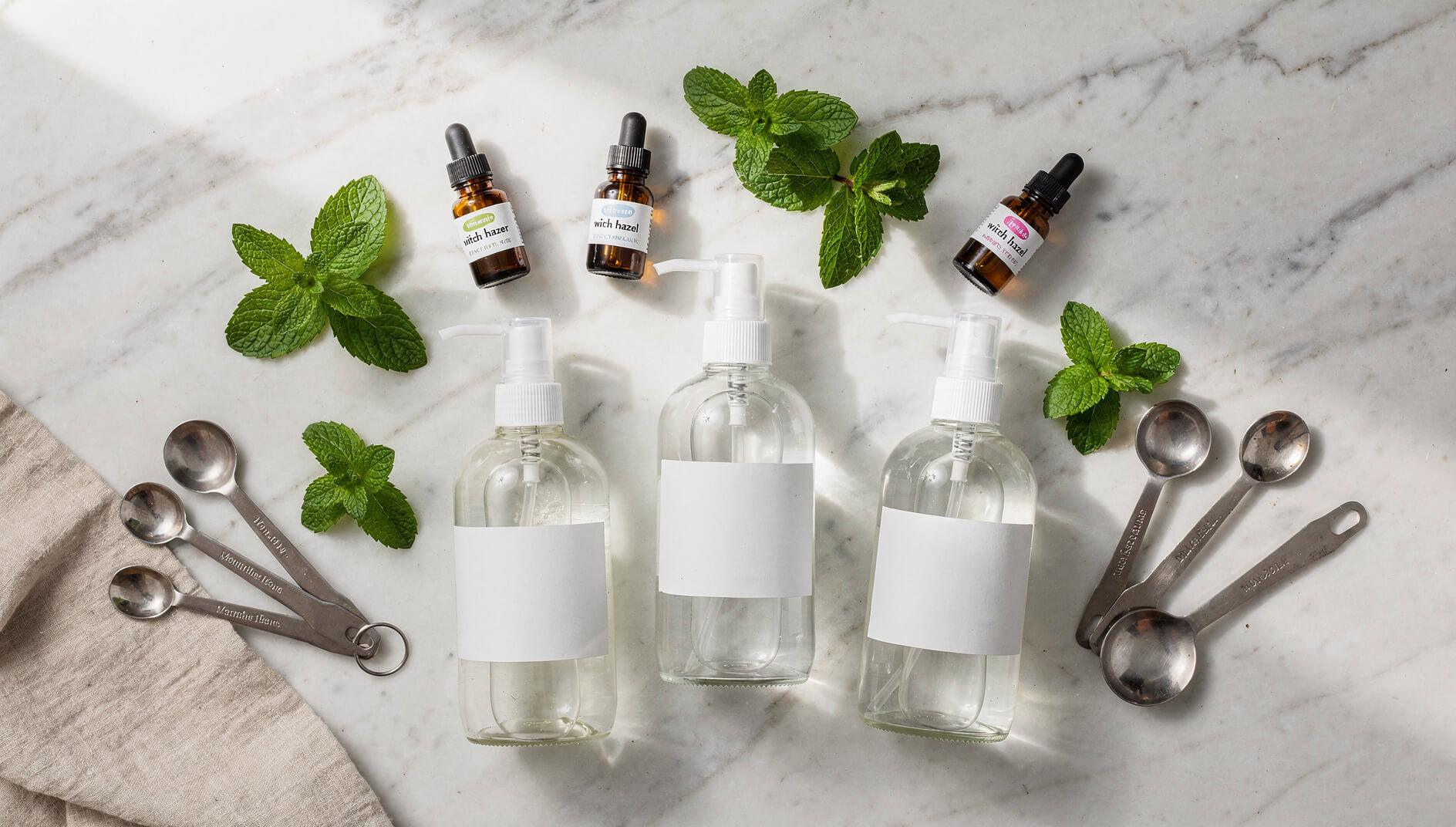
These tried-and-true recipes use peppermint essential oil as the active ingredient. For best results, always use a high-quality, 100 percent pure peppermint essential oil rather than fragrance oils or synthetic alternatives.
1. Classic Peppermint Spider Spray
This is the simplest and most popular recipe. It works on any indoor surface.
Ingredients:
• 1 cup distilled water
• 15 drops peppermint essential oil
• 1 teaspoon liquid dish soap
Directions: Combine all ingredients in a 16-ounce glass spray bottle. Shake thoroughly before each use. Spray along baseboards, windowsills, door frames, and any cracks or crevices. Reapply weekly.
2. Peppermint and Vinegar Power Spray
White vinegar adds an extra layer of repellent power and helps the oil mix more evenly with water.
Ingredients:
• 1/2 cup distilled water
• 1/2 cup white vinegar
• 20 drops peppermint essential oil
Directions: Mix in a spray bottle and shake well. Spray around entry points, corners, and known spider habitats. The vinegar scent dissipates as it dries, leaving only the peppermint aroma behind. Avoid spraying on polished wood or natural stone surfaces.
3. Peppermint and Witch Hazel Room Mist
Witch hazel is a natural emulsifier that helps distribute the essential oil evenly, creating a fine mist perfect for fabrics and soft furnishings.
Ingredients:
• 3/4 cup witch hazel
• 1/4 cup distilled water
• 15 drops peppermint essential oil
• 5 drops lavender essential oil
Directions: Combine in a fine-mist spray bottle. Spray into the air and lightly mist curtains, upholstered furniture, and bedding. This recipe doubles as a refreshing room spray and a gentle spider deterrent. Reapply every three to five days.
4. Outdoor Perimeter Concentrate
A stronger formula designed for outdoor application around your home’s foundation and entry points.
Ingredients:
• 2 cups distilled water
• 30 drops peppermint essential oil
• 10 drops tea tree essential oil
• 2 teaspoons liquid castile soap
Directions: Mix well in a large spray bottle. Apply generously around your home’s foundation, near garage doors, porch entries, and exterior window frames. Reapply after rain or every five to seven days. The castile soap helps the solution adhere to outdoor surfaces longer.
5. Peppermint Sachets for Storage Areas
Perfect for closets, storage boxes, and attic spaces where spraying is impractical.
Materials:
• Small muslin bags or cheesecloth squares
• Dried peppermint leaves (2 tablespoons per sachet)
• 8–10 drops peppermint essential oil per sachet
Directions: Fill each sachet with dried peppermint leaves and add the essential oil drops. Tie shut and place in closets, dresser drawers, storage bins, and shoe racks. Refresh with additional oil drops every two weeks. These sachets also work beautifully in linen closets, keeping your linens smelling fresh while deterring spiders.

Join Now and Get a Coupon for 10% Off!
Best Essential Oils to Pair with Peppermint Against Spiders

While peppermint oil is powerful on its own, combining it with other spider-repellent essential oils creates a broader-spectrum defense. Spiders can sometimes habituate to a single scent over time, but rotating or blending oils keeps the deterrent effect strong. Here are five excellent companions for your peppermint oil:
Lavender Essential Oil — Lavender contains linalool and linalyl acetate, both of which are documented insect repellents. When blended with peppermint, lavender adds a calming floral note that makes the aroma more pleasant for humans while remaining highly unpleasant for spiders. This combination is perfect for bedrooms and living areas.
Tea Tree Essential Oil — Tea tree oil’s strong medicinal aroma and high terpinen-4-ol content make it an effective spider repellent. Studies have shown tea tree oil has broad-spectrum arthropod-repelling properties. Combining it with peppermint creates a potent one-two punch that also deters ants and other household insects.
Cedarwood Essential Oil — Cedarwood has been used as a natural pest repellent for centuries, and its earthy, warm aroma blends beautifully with peppermint’s cooling freshness. The cedrol compound in cedarwood oil is particularly effective against crawling arthropods.
Rosemary Essential Oil — Rich in camphor and 1,8-cineole, rosemary oil is another powerful fumigant repellent. Its herbaceous scent pairs naturally with peppermint, and together they create an energizing, spider-free atmosphere ideal for home offices and kitchens.
Cinnamon Essential Oil — Cinnamaldehyde, the primary compound in cinnamon oil, is a proven insecticidal and repellent agent. Even a few drops added to a peppermint spray dramatically increases its potency. Use sparingly, as cinnamon oil is very strong and can irritate sensitive skin.
Room-by-Room Spider Prevention with Peppermint Oil

Different rooms present different spider challenges. Here is a room-by-room strategy for using peppermint essential oil throughout your home:
Bedrooms: Place a Tranquility nebulizing diffuser on your nightstand and run it for 15 minutes before bed with a few drops of peppermint oil. You can also mist your bed frame and headboard area with the witch hazel room mist recipe. The lavender-peppermint combination in recipe three doubles as a calming sleep aid.
Living Room and Family Areas: Run your diffuser on an intermittent timer throughout the day. Spray along baseboards and behind furniture where spiders like to hide. Keep the scent subtle enough that it creates a pleasant ambiance rather than an overpowering mint cloud.
Kitchen: Focus spray applications around the sink area, under appliances, and near any gaps where plumbing enters the wall. Avoid spraying directly on food preparation surfaces. A diffuser running in the kitchen provides ambient protection while making the room smell wonderful.
Bathroom: Spiders love the moisture in bathrooms. Spray around the toilet base, behind the vanity, and near ventilation openings. Place peppermint-soaked cotton balls behind the toilet and under the sink. Keep a small spray bottle by the shower for quick touch-ups.
Basement and Garage: These are the highest-traffic areas for spiders. Use the outdoor perimeter concentrate around windows and entry points. Place multiple peppermint sachets in storage areas. For large basements, the Magnificent nebulizing diffuser provides exceptional coverage for spaces up to 1,000 square feet — perfect for keeping even the largest basements spider-free.
Attic and Crawl Spaces: Place sachets strategically throughout storage areas. If access is limited, saturate cotton balls and toss them into corners and along walls. Refresh monthly during peak spider season (late summer through fall).

Sign Up to Get Your FREE Essential Oils e-Book Here
Safety Tips for Using Peppermint Oil Around Pets and Children
Peppermint essential oil is generally considered safe for adult humans, but extra care is needed when using it around pets and young children. Here are the key safety guidelines to follow:
Cats: Cats lack a crucial liver enzyme (glucuronyl transferase) needed to metabolize certain essential oil compounds, including menthol. While diffusing peppermint oil in a well-ventilated room is generally considered low-risk, never apply peppermint oil directly to a cat or allow them to ingest it. Always ensure your cat can leave the room where a diffuser is running.
Dogs: Most dogs tolerate peppermint oil well when it is diffused in moderation. However, some dogs may find the strong menthol scent irritating. Start with shorter diffusing sessions and observe your dog’s reaction. Never allow direct ingestion, and keep undiluted oil bottles out of reach.
Children: Peppermint essential oil should not be used around infants under six months. For children aged six months to six years, use half the recommended number of drops in any recipe. Avoid diffusing peppermint oil in a small, closed nursery — opt for well-ventilated spaces only. The cooling menthol sensation can be overwhelming for very young respiratory systems.
General safety reminders:
• Never apply undiluted peppermint essential oil directly to your skin — always dilute in a carrier oil or water
• Store essential oils in a cool, dark place away from children and pets
• Use only 100 percent pure essential oils — synthetic fragrance oils lack repellent properties and may contain harmful chemicals
• If anyone in your household experiences headaches, nausea, or respiratory irritation, reduce the amount of oil used or increase ventilation
• When using sprays on surfaces, test a small inconspicuous area first to ensure it does not cause staining
Keep Your Home Spider-Free the Natural Way
Peppermint essential oil offers a remarkably effective, beautifully aromatic, and completely natural way to keep spiders out of your living spaces. Whether you choose to spray, diffuse, or place sachets around your home, the key is consistency — reapply regularly and combine methods for the best results. By pairing peppermint with complementary oils like lavender, tea tree, and cedarwood, you create a comprehensive defense system that spiders simply cannot tolerate.
For the most effective and effortless spider prevention, consider combining DIY sprays with a nebulizing diffuser that delivers pure, undiluted essential oil vapor throughout your rooms. Ready to experience the difference? Explore our collection of handcrafted nebulizing diffusers designed to deliver pure essential oils at their full aromatic potency — and enjoy a naturally spider-free home that smells absolutely wonderful.